Dubai has firmly cemented its status as a premier global tourism destination, evolving far beyond its traditional reputation for luxury shopping and record-breaking architectural marvels. The emirate’s strategic pivot toward a multifaceted tourism ecosystem—integrating high-octane sports, cultural immersion, and historical exploration—has paid significant dividends. According to the latest data from the Dubai Department of Economy and Tourism (DET), the city welcomed 9.68 million international overnight visitors between January and October 2026, signaling a robust recovery and sustained growth trajectory for the Middle East’s primary tourism hub.
The city’s ability to maintain this momentum is underpinned by a deliberate transition from a seasonal vacation spot to an all-year-round destination. By diversifying its offerings, Dubai has successfully mitigated the impact of traditional peak-season fluctuations, ensuring a steady influx of tourists who seek more than just retail therapy. This comprehensive approach is not merely a marketing tactic; it is a fundamental shift in the emirate’s economic strategy, aimed at achieving the ambitious targets set out in the Dubai Economic Agenda D33.
A Statistical Snapshot of Growth in 2026
The tourism performance in 2026 serves as a barometer for Dubai’s enduring appeal in a competitive global market. The figures released by the DET reveal a city that is reclaiming and exceeding its pre-pandemic performance levels. Of particular note is the performance in October 2026, which saw 1.15 million international visitors. This peak represents the strongest monthly performance since February 2026, reflecting the effectiveness of global promotional campaigns and the strategic timing of major international conferences, sporting events, and cultural festivals hosted within the city.
The cumulative figure of 9.68 million visitors during the first ten months of the year highlights the resilience of the tourism sector. When analyzed alongside the monthly growth patterns, it becomes evident that Dubai is capturing a diverse segment of the global market. The demographic spread of visitors, ranging from luxury travelers to adventure seekers and business professionals, is a testament to the success of the emirate’s broader infrastructure investments, including the expansion of aviation capacities at Dubai International Airport (DXB) and the enhancement of public transportation networks.
Beyond the Skyscrapers: The New Tourism Paradigm
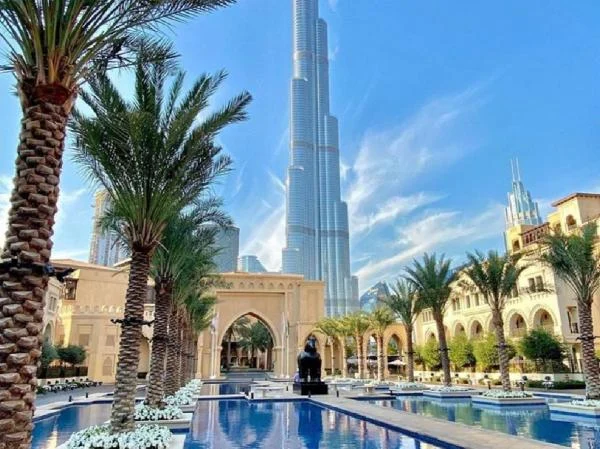
While the Burj Khalifa, the Palm Jumeirah, and the Dubai Mall remain essential stops for any visitor, the modern Dubai experience is increasingly defined by what lies beyond these landmarks. The city has made significant investments in "experience-based" tourism. This includes the development of the Al Shindagha Museum, which provides a deep dive into the emirate’s maritime history, and the revitalization of the Al Fahidi Historical Neighborhood, where visitors can walk through restored traditional wind-tower houses.
Furthermore, Dubai has positioned itself as a world-class venue for international sports. The integration of high-profile sporting events into the tourism calendar has been a key driver for international arrivals. Events such as the Dubai Desert Classic, the DP World Tour Championship, and various international marathons and cycling events have attracted a specific, high-spending niche of tourists who prioritize physical activity and wellness during their travels. By catering to this demographic, Dubai has successfully extended the average length of stay for international visitors, as these tourists often incorporate training, recovery, and wellness treatments into their itineraries.
Strategic Planning and Future Outlook
The recent gathering of industry stakeholders, hosted by the Dubai Department of Economy and Tourism, served as a platform to align private and public sector efforts for the coming years. During these deliberations, officials emphasized that the strategy for 2027 and beyond will focus on further integrating technology into the visitor experience. This includes the implementation of seamless digital visa processing, AI-driven personalized travel recommendations, and the expansion of "workation" packages designed to attract digital nomads and remote workers.

The DET’s long-term vision is intrinsically linked to the broader goal of making Dubai the most visited city in the world. To achieve this, the government is focusing on three pillars: connectivity, safety, and cultural relevance. By leveraging its position as a global transit hub, Dubai is not only attracting direct travelers but is also incentivizing transit passengers to extend their stay in the city, thereby maximizing the economic impact of every visitor who touches down at its international airports.
Challenges and Resilience in a Global Market
No major tourism hub is immune to global pressures, and Dubai’s path to growth has faced its share of challenges. The regional geopolitical landscape, while often volatile, has not significantly deterred the influx of tourists, largely due to the emirate’s reputation for safety and neutrality. Nevertheless, maintaining such a high volume of tourism requires constant vigilance and adaptation.
The industry has faced operational hurdles, ranging from global aviation disruptions to logistical complexities in managing mass tourism. For instance, recent incidents involving international flight routes—such as the reported mid-air disturbances on flights connecting regional hubs—serve as reminders of the complexities inherent in managing a global aviation center. However, the consistent data provided by the DET suggests that these individual events have not had a structural impact on the overall demand for travel to the UAE.
Furthermore, the government’s commitment to regulating the sector, including crackdowns on illicit trade and smuggling activities—such as recent law enforcement actions against illegal gold trafficking networks—is seen as a vital step in maintaining the integrity and reputation of Dubai’s business and tourism environment. By ensuring a secure, transparent, and legally sound ecosystem, Dubai continues to foster investor and tourist confidence.

Economic Implications and Sustainability
The economic contribution of the tourism sector to Dubai’s GDP remains substantial. As the city moves toward its 2027 goals, the focus is shifting toward "sustainable tourism." This involves balancing the rapid expansion of hospitality infrastructure with environmental stewardship. Initiatives such as the "Dubai Sustainable Tourism" program, which encourages hotels to reduce water and energy consumption, are becoming central to the city’s branding.
The growth in visitor numbers also has a multiplier effect on the retail, hospitality, and service sectors. As the city prepares for future surges, local businesses are increasingly focusing on localized experiences, artisanal markets, and community-led tours. This shift toward a more authentic, community-oriented tourism model is expected to appeal to a younger generation of travelers who are increasingly conscious of their environmental and social footprint.
Conclusion: A Vision for 2027
As Dubai looks toward the close of 2026 and into 2027, the data confirms that the city has successfully navigated the complexities of a post-pandemic world. With a record-breaking 9.68 million visitors, the emirate has demonstrated that its strategy of diversification—moving beyond its traditional reliance on shopping and luxury—is working. By embracing its history, fostering a culture of sports and wellness, and maintaining a robust, secure infrastructure, Dubai is setting a global standard for how modern cities can evolve.
The upcoming year will likely see a continued emphasis on high-tech integration and sustainability. If the current trajectory holds, Dubai is well-positioned to maintain its status as a primary nexus of global travel, proving that a city built on vision can continue to innovate, adapt, and thrive in an ever-changing global economy. For the millions who visit, the message is clear: Dubai is no longer just a place to see; it is a place to experience, participate in, and return to.