South Korea has successfully positioned itself as a premier global destination, with its culinary heritage serving as a primary catalyst for international tourism. For many travelers, particularly those from Southeast Asian nations like Indonesia, the allure of the "K-Wave" or Hallyu extends far beyond music and television dramas, manifesting deeply in a desire to experience authentic Korean cuisine, known as Hansik. This interest is not merely a passing trend but a significant driver of the South Korean economy, prompting the government and local businesses to refine their offerings to accommodate a diverse array of international palates and dietary requirements. Understanding the landscape of Korean gastronomy—from the philosophical foundations of traditional meals to the bustling energy of night markets—is essential for any visitor seeking to navigate this complex and flavor-rich environment.
The Philosophical and Historical Foundations of Hansik
At the heart of Korean culinary identity is the concept of "Yaksik-dongwon," which translates to the idea that food and medicine share the same origin. This philosophy emphasizes that a balanced diet is the key to a healthy life. A traditional Korean meal is structured around the harmonious balance of five colors (obangsaek)—white, black, green, red, and yellow—representing the five elements of nature and providing a comprehensive nutritional profile.
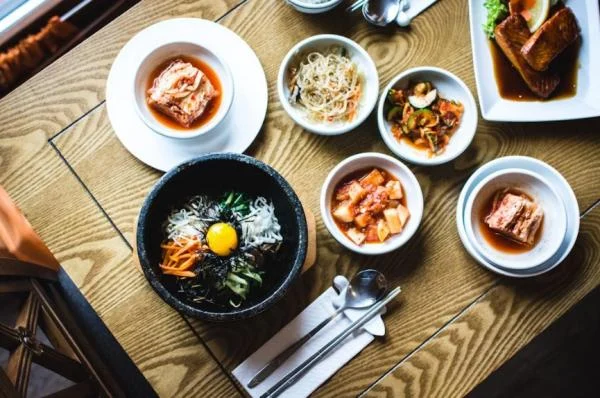
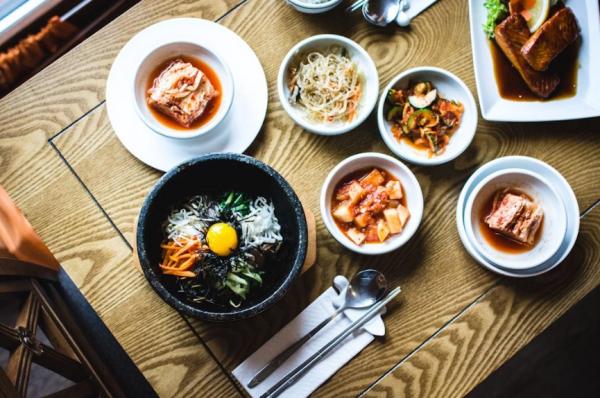
The staple of every meal is rice, accompanied by a variety of side dishes known as banchan. Unlike Western dining, where courses are served sequentially, a Korean table is often laid out all at once, fostering a communal dining experience. The most iconic of these side dishes is Kimchi, a fermented vegetable preparation that has gained international acclaim for its probiotic benefits. In 2013, "Kimjang," the traditional process of preparing and sharing kimchi, was recognized as a UNESCO Intangible Cultural Heritage of Humanity, underscoring its cultural weight.
For the uninitiated traveler, certain dishes serve as the perfect introduction to this palate. Bibimbap, a bowl of warm rice topped with sautéed vegetables, chili pepper paste (gochujang), and a fried egg, is a masterpiece of texture and color. Originating from the royal courts and rural households alike, it represents the Korean knack for blending diverse ingredients into a singular, cohesive flavor. Similarly, Bulgogi (marinated beef) and Galbi (grilled ribs) offer a sweet and savory profile that is easily accessible to international tastes, often serving as the "gateway" dishes for those new to the cuisine.
The Dynamics of the Korean Barbecue and Soup Culture
Beyond the individual dishes, the method of consumption is a vital part of the South Korean experience. The Korean Barbecue (K-BBQ) culture, characterized by tabletop grills where diners cook their own meat, is a social institution. While Samgyeopsal (pork belly) is a ubiquitous choice among locals, the industry has adapted to international demand by offering high-quality beef (Hanwoo), chicken, and seafood alternatives. This flexibility is crucial for travelers who may have dietary restrictions or religious prohibitions regarding pork.
Parallel to the grill culture is the deep-seated tradition of soups and stews, known as jjigae and guk. These dishes are often the "soul food" of Korea. Kimchi-jjigae (kimchi stew) and Sundubu-jjigae (soft tofu stew) are prized for their spicy, robust flavors that resonate well with the spicy food cultures of Indonesia and Thailand. These stews are typically served bubbling hot in earthenware pots (tukbaegi), which retain heat throughout the meal, symbolizing the warmth and hospitality of Korean service.
The Street Food Ecosystem: A Hub of Innovation and Tradition
While sit-down restaurants offer a formal look at Hansik, the streets of South Korea provide a more visceral and immediate culinary education. The "bunsik" (snack food) culture is an integral part of daily life, particularly in metropolitan hubs like Seoul, Busan, and Daegu. These vendors, often operating out of small stalls or "pojangmacha" (tented wagons), offer affordable and high-quality meals that cater to students, office workers, and tourists alike.
Myeongdong, Seoul’s premier shopping district, has evolved into a laboratory for street food innovation. Here, traditional snacks like Tteokbokki (spicy rice cakes) and Odeng (fish cakes) coexist with modern inventions such as grilled lobster tails and cheese-filled scallops. However, for those seeking a more historical atmosphere, Gwangjang Market remains the gold standard. Established in 1905, it is one of the oldest continuously running markets in the country. Visitors flock here for Bindaetteok (mung bean pancakes) and Mayak Gimbap (addictive seaweed rice rolls), experiencing a slice of Seoul that has remained largely unchanged for decades.
The economic impact of street food is substantial. According to data from the Korea Tourism Organization (KTO), culinary experiences consistently rank in the top three reasons for international visits. The affordability of street food—ranging from 2,000 to 10,000 Korean Won per item—allows travelers to sample a wide variety of flavors without a significant financial burden, making it a democratic entry point into the culture.
The Strategic Expansion of Muslim-Friendly Tourism
One of the most significant shifts in the South Korean tourism strategy over the last decade has been the aggressive pursuit of the Muslim travel market. Recognizing the growing middle class in countries like Indonesia, Malaysia, and the Gulf States, the South Korean government has implemented a comprehensive certification system for restaurants.
The KTO categorizes Muslim-friendly eateries into four distinct tiers:
- Halal Certified: Restaurants officially certified by the Korea Muslim Federation (KMF).
- Self-Certified: Establishments that certify themselves as Halal-compliant.
- Muslim-Friendly: Restaurants that serve Halal food but may also serve alcohol.
- Pork-Free: Restaurants that do not use pork but have not sought formal certification.
The district of Itaewon in Seoul serves as the epicenter for this movement. Home to the Seoul Central Mosque, the area boasts a high concentration of Halal-certified restaurants ranging from traditional Korean cuisine to Middle Eastern and Indian fare. This infrastructure development is a response to data showing that Muslim tourists often cite the availability of Halal food as their primary concern when choosing a destination. By addressing this need, South Korea has seen a steady increase in visitors from the Islamic world, diversifying its tourism base beyond its traditional East Asian neighbors.
Chronology of Global Culinary Integration
The journey of Korean food from a local secret to a global phenomenon followed a specific timeline of cultural and political efforts:

- Late 1990s: The "Hallyu" wave begins with the export of Korean dramas to China and Southeast Asia.
- 2003: The drama "Dae Jang Geum" (Jewel in the Palace) becomes a massive hit, sparking global interest in Korean royal court cuisine.
- 2009: The South Korean government launches the "Global Hansik" campaign, aiming to make Korean food one of the world’s top five cuisines.
- 2012: "Gangnam Style" and the subsequent explosion of K-Pop bring unprecedented eyes to Korean lifestyle and dining.
- 2020-Present: The COVID-19 pandemic and the rise of streaming platforms (Netflix’s "Squid Game," "Parasite") lead to a surge in "K-Food" exports, with items like Gochujang and instant Ramyeon seeing record sales globally.
Economic Implications and Future Outlook
The "gastro-diplomacy" practiced by South Korea has yielded impressive results. Food exports reached a record high of over $12 billion in recent years, and the synergy between the food industry and the tourism sector continues to strengthen. Analysts suggest that for every dollar spent on Korean cultural content, there is a measurable uptick in the consumption of Korean consumer goods, particularly food products.
Furthermore, the rise of "K-Veganism" is the next frontier. As global trends shift toward plant-based diets, the traditional Buddhist temple cuisine of Korea (Sachal Eumsik) is gaining traction. This ancient culinary tradition, which eschews meat and pungent vegetables like garlic and onions, aligns perfectly with modern sustainability and wellness trends.
Practical Insights for the Culinary Traveler
For international visitors, navigating the Korean food scene requires a blend of digital savvy and cultural etiquette. Utilizing apps like Naver Maps or KakaoMaps is essential, as Google Maps often lacks detailed local data in South Korea. Additionally, many modern restaurants now utilize digital kiosks for ordering, which often feature English, Chinese, and Japanese language options.
In terms of etiquette, it is important to remember that in Korea, it is customary to wait for the eldest person at the table to begin eating before others start. When receiving or giving items, such as a glass of water or a business card, using both hands is a sign of respect. Tipping is not a standard practice in South Korea and can sometimes be seen as confusing or even offensive; the price on the menu is exactly what you are expected to pay.
As South Korea continues to innovate and open its doors to the world, its culinary landscape stands as a testament to the country’s ability to honor its past while embracing a globalized future. Whether it is a bowl of rice shared in a quiet temple or a spicy skewer of rice cakes enjoyed under the neon lights of Myeongdong, the food of Korea offers a window into the soul of a nation that is as diverse as it is delicious. For the Indonesian traveler and the global community at large, South Korea remains not just a place to see, but a place to taste.