In the sweltering heat of tropical climates, where humidity often exceeds 80 percent and temperatures frequently climb above 32 degrees Celsius, managing personal hygiene is more than a matter of vanity; it is a necessity for daily comfort and social confidence. For residents in regions like Indonesia, the struggle with excessive perspiration and the resulting body odor is a common grievance. However, a significant portion of the consumer population remains unaware that the two primary tools used to combat these issues—deodorant and antiperspirant—are fundamentally different products with distinct chemical compositions, regulatory classifications, and biological mechanisms. Understanding these differences is crucial for selecting the right regimen to maintain skin health and hygiene.
The Biological Foundation: Understanding Sweat and Odor
To appreciate the distinction between deodorant and antiperspirant, one must first understand why humans sweat and how odor is produced. The human body possesses two main types of sweat glands: eccrine and apocrine. Eccrine glands are distributed across nearly the entire body and produce a clear, odorless fluid consisting primarily of water and salt, intended to regulate body temperature through evaporative cooling. Apocrine glands, however, are concentrated in areas with high hair follicle density, such as the armpits and groin.
Contrary to popular belief, sweat itself does not have a scent. Body odor, or bromhidrosis, occurs when the protein-rich and lipid-rich sweat from the apocrine glands is broken down by bacteria living on the skin’s surface. The primary culprits are bacteria such as Corynebacterium and Staphylococcus. As these microorganisms metabolize the sweat, they release volatile organic compounds that produce the characteristic "body odor." This biological process is the battlefield where deodorants and antiperspirants perform their respective duties.
1. Functional Differences: Masking vs. Blocking
The most significant difference between the two products lies in their primary objective. A deodorant is designed to address the smell, while an antiperspirant is designed to address the moisture.
Deodorants: The Odor Neutralizers
Deodorants are classified as cosmetic products by the United States Food and Drug Administration (FDA). Their primary function is twofold: they reduce the number of odor-causing bacteria and mask any remaining scent with fragrance. Most deodorants are alcohol-based, which creates an acidic environment on the skin that is less hospitable to bacteria. By lowering the bacterial load, the rate of sweat decomposition is slowed, thereby reducing odor. Modern formulations often include antimicrobial agents like triclosan or polyhexamethylene biguanide to enhance this effect.
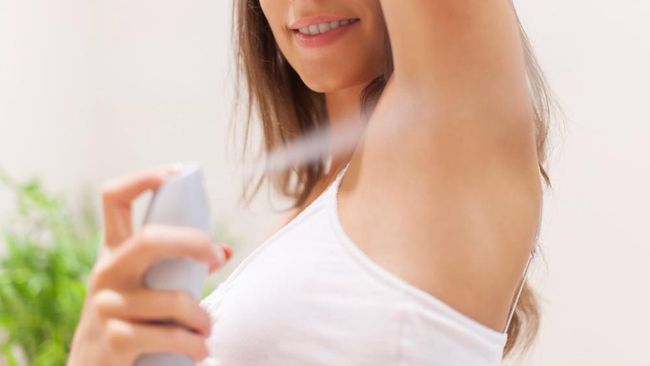
Antiperspirants: The Sweat Inhibitors
In contrast, antiperspirants are classified by the FDA as over-the-counter (OTC) drugs because they are intended to affect the function of the body—specifically, the sweat glands. The active ingredients in antiperspirants are typically aluminum-based salts, such as aluminum chlorohydrate, aluminum zirconium tetrachlorohydrex gly, or aluminum chloride.
When an antiperspirant is applied to the skin, these aluminum salts dissolve in the moisture on the skin’s surface. This creates a chemical reaction that forms a temporary "plug" within the sweat duct. This physical barrier prevents the sweat from reaching the surface of the skin. Over time, these plugs are naturally shed through the skin’s exfoliation process or washed away during bathing, which is why the product must be reapplied regularly.
2. Strategic Application and Timing
While many consumers apply their chosen product haphazardly after a morning shower, dermatological research suggests that the timing of application is critical, particularly for antiperspirants.
The Science of Nighttime Application
Clinical studies and dermatological experts recommend that antiperspirants be applied at night, before going to bed. This recommendation is based on the body’s circadian rhythm. At night, sweat production is at its lowest, and the skin is typically drier. This provides the aluminum salts with the ideal environment to sink into the pores and form effective plugs. If applied in the morning, especially after a shower or when one is already beginning to sweat, the moisture can wash away the product before it has a chance to activate, significantly reducing its efficacy.
Daytime Refreshment with Deodorant
Deodorants, on the other hand, are highly effective when applied to clean, dry skin in the morning. Since they do not need to "plug" any ducts, their antimicrobial and fragrance properties can begin working immediately. For individuals with high activity levels, reapplying deodorant throughout the day can help manage bacterial growth and maintain a fresh scent.
3. Health Considerations and Safety Profiles
The debate surrounding the safety of these products, particularly antiperspirants, has persisted for decades. Much of the concern centers on the use of aluminum and its potential links to serious health conditions.
The Aluminum and Cancer Debate
For years, rumors circulated claiming that the aluminum in antiperspirants could be absorbed through the skin and lead to breast cancer or Alzheimer’s disease. However, major health organizations, including the American Cancer Society, the National Cancer Institute, and the Alzheimer’s Association, have stated that there is no conclusive scientific evidence to support these claims. The FDA has conducted extensive reviews and continues to deem aluminum-based antiperspirants safe for general use. The amount of aluminum absorbed through the skin is negligible compared to the amount humans naturally ingest through food and water.
Skin Sensitivity and Dermatitis
The more immediate health concern for many users is contact dermatitis. Both deodorants and antiperspirants contain ingredients that can irritate sensitive skin. Deodorants often contain high concentrations of alcohol and synthetic fragrances, which are common allergens. Antiperspirants, due to their acidic nature and the presence of aluminum salts, can cause redness, itching, or "razor burn" if applied immediately after shaving.
Dermatologists suggest that individuals with sensitive skin look for "fragrance-free" or "alcohol-free" formulations. Furthermore, the rise of the "natural deodorant" market has introduced products that use baking soda, charcoal, or magnesium to manage odor, though these products do not stop sweat as they lack aluminum.
Market Evolution and Consumer Trends
The personal care industry has seen a massive shift in how these products are marketed and consumed. According to market research data, the global deodorant and antiperspirant market was valued at approximately USD 25 billion in 2023 and is projected to grow significantly by 2030. This growth is driven by increasing hygiene awareness in emerging economies and a rising demand for "clean beauty" products.
The Hybrid Solution
Recognizing that many consumers want the benefits of both, manufacturers have increasingly moved toward "deodorant-antiperspirant" hybrids. These products contain both aluminum salts to block sweat and antimicrobial agents/fragrances to neutralize odor. These are currently the most popular choice for the average consumer, offering a "one-stop" solution for underarm care.
The Rise of Specialized Formulas
We are also seeing a diversification in delivery methods. While roll-ons and sticks remain dominant in the Asian and North American markets, aerosol sprays are highly popular in Europe and South America. Additionally, there is a burgeoning market for clinical-strength antiperspirants designed for individuals with hyperhidrosis—a medical condition characterized by abnormally excessive sweating.
Chronology of Innovation in Underarm Care
The history of these products shows a steady progression from simple masking to sophisticated chemical engineering:
- Ancient Times: Egyptians and Greeks used aromatic oils and alum (a natural mineral salt) to manage body odor.
- 1888: The first trademarked deodorant, "Mum," was launched in Philadelphia. It was a wax-like cream applied with the fingertips.
- 1903: "Everdry," the first modern antiperspirant, was introduced. It was so acidic that it often ate through the wearer’s clothing.
- 1940s-50s: The invention of the roll-on applicator, inspired by the ballpoint pen, revolutionized ease of use.
- 1960s: The introduction of aerosol sprays changed the market, though they later faced scrutiny due to CFC (chlorofluorocarbon) content.
- 2010s-Present: The focus has shifted to skin health, with formulations including moisturizers, vitamins, and pH-balanced ingredients.
Broader Implications: Hygiene and Social Confidence
The distinction between these two products is not merely academic; it has significant implications for mental well-being and social interaction. In many cultures, visible sweat stains or noticeable body odor can lead to social anxiety, reduced self-esteem, and even professional setbacks. By choosing the correct product—antiperspirant for those who struggle with wetness and deodorant for those primarily concerned with odor—individuals can regain a sense of control over their physical presentation.
As global temperatures continue to rise due to climate change, the demand for effective perspiration management is expected to intensify. This will likely lead to further innovations in long-lasting formulas and more sustainable, eco-friendly packaging, as consumers become as concerned with the environmental impact of their hygiene products as they are with their effectiveness.
In conclusion, while "deodorant" is often used as a catch-all term, the choice between it and an antiperspirant should be a deliberate one based on individual physiological needs. Whether one is a "team deodorant" supporter focusing on scent or an "antiperspirant" user prioritizing dryness, the key to success lies in understanding the science behind the stick. As the beauty and personal care industry evolves, the boundary between cosmetic appeal and medicinal function continues to blur, providing consumers with more effective and safer tools than ever before to navigate the challenges of a warming world.