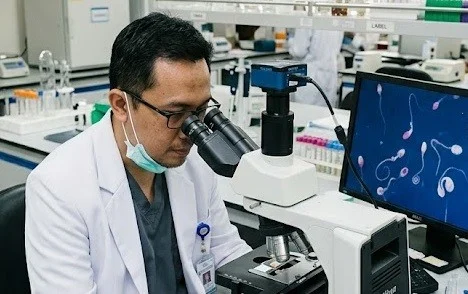
The quality of sperm is a critical determinant of male fertility, extending beyond mere count and motility to encompass its physical form, known as morphology. Deviations from the ideal sperm shape can significantly impede the fertilization process, impacting the sperm’s ability to navigate the female reproductive tract and successfully penetrate the ovum. This aspect of sperm health, often overlooked in favor of more commonly discussed metrics, plays a pivotal role in a couple’s journey towards conception.
Dr. Jefry Tribowo, a specialist in Andrology, emphasizes that healthy sperm typically possess an oval or slightly elongated head. This specific shape is not merely aesthetic; it represents an optimal structure designed to facilitate efficient movement, enabling the sperm to swim effectively towards the egg. Any significant departure from this characteristic oval form can signal underlying issues with sperm development and function.
Understanding Sperm Morphology: The Ideal Form
The ideal sperm morphology, as described by the World Health Organization (WHO) in its latest guidelines (often referencing the 5th edition or subsequent updates), suggests that at least 4% of sperm should exhibit normal morphology. This benchmark refers to a sperm with a well-defined oval head, a distinct midpiece, and a straight tail. The head should be smooth, without irregularities, and should not be too large or too small. The midpiece, responsible for providing energy, should be slender and connected to the head. The tail, crucial for propulsion, should be of appropriate length and free from coiling or abnormalities.
Dr. Tribowo elaborates on common morphological abnormalities. He notes that sperm with perfectly round heads are considered abnormal. Similarly, sperm with heads that are too pointed or excessively slender, resembling a sharp spike or a very thin, elongated shape, also represent deviations from the norm. These malformations are indicative of dysmorphic sperm, which may possess compromised genetic material or functional deficiencies that hinder their ability to fertilize an egg.
The Impact of Abnormal Morphology on Fertility
The implications of abnormal sperm morphology on fertility are profound. Sperm with irregular head shapes may struggle to bind to the zona pellucida, the outer layer of the egg, which is a critical step in fertilization. A malformed head might also contain abnormalities in its nucleus, potentially leading to the transmission of damaged genetic material to the embryo, increasing the risk of miscarriage or developmental issues.
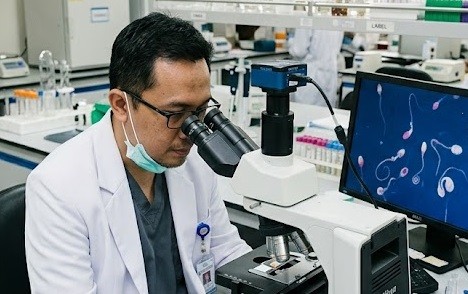
Furthermore, the structural integrity of the sperm is closely linked to its energetic efficiency. The midpiece, which contains mitochondria, generates the energy required for the tail’s movement. If the midpiece is abnormally formed or positioned, the sperm may lack the necessary power to reach the egg, even if its motility appears adequate. The tail’s structure is also vital for forward progression. A bent, coiled, or shortened tail can severely impair the sperm’s ability to swim in a straight, purposeful direction.
Prevalence and Diagnosis of Morphological Abnormalities
Morphological abnormalities are a common finding in semen analyses. Studies have indicated that a significant percentage of men presenting with infertility have some degree of teratozoospermia, the medical term for a high percentage of abnormally shaped sperm. While the exact prevalence varies depending on the diagnostic criteria used and the population studied, it is a recognized contributor to male factor infertility.
A semen analysis, a standard diagnostic test for male fertility, includes an assessment of sperm morphology. This is typically performed by a trained laboratory technician or embryologist who examines a prepared slide of sperm under a microscope. They meticulously evaluate a predetermined number of sperm (often 100 or more) for head shape, midpiece integrity, and tail structure, categorizing them as normal or abnormal. Advanced imaging techniques, such as scanning electron microscopy, can provide even more detailed insights into sperm structure but are not routinely used in standard diagnostic evaluations.
Contributing Factors to Morphological Abnormalities
Several factors can contribute to the development of abnormally shaped sperm. These can be broadly categorized into intrinsic factors related to sperm production and external environmental or lifestyle influences.
1. Genetic Factors:
- Chromosomal Abnormalities: Issues during meiosis, the process of sperm cell division, can result in sperm with an abnormal number of chromosomes. While this primarily affects sperm count and motility, it can also indirectly influence morphology.
- Genetic Mutations: Specific gene mutations affecting sperm development pathways can lead to structural defects.
2. Hormonal Imbalances:

- Hypogonadism: Low levels of testosterone or other androgens can impair spermatogenesis, the process of sperm production, leading to a higher incidence of abnormal sperm.
- Thyroid Dysfunction: Both hypothyroidism and hyperthyroidism can negatively impact sperm parameters, including morphology.
3. Environmental Exposures:
- Heat: Prolonged exposure to elevated temperatures, such as from hot tubs, saunas, or tight-fitting underwear, can damage sperm production and affect their shape.
- Toxins and Pollutants: Exposure to pesticides, heavy metals (like lead and mercury), and certain industrial chemicals can disrupt sperm development.
- Radiation: Exposure to ionizing radiation, such as from medical treatments or environmental sources, can cause DNA damage and affect sperm morphology.
4. Lifestyle Factors:
- Smoking: Tobacco use is strongly linked to reduced sperm quality, including increased morphological abnormalities.
- Alcohol Consumption: Excessive alcohol intake can interfere with hormone production and impair sperm development.
- Obesity: Being overweight or obese is associated with hormonal imbalances and oxidative stress, both of which can negatively impact sperm morphology.
- Illicit Drug Use: The use of recreational drugs, such as marijuana, cocaine, and anabolic steroids, can significantly impair sperm production and quality.
- Diet: A diet lacking essential nutrients, particularly antioxidants, can contribute to oxidative stress, which damages sperm cells.
5. Medical Conditions and Treatments:
- Infections: Genital tract infections, such as prostatitis or epididymitis, can cause inflammation and damage that affect sperm morphology.
- Varicocele: This condition, characterized by enlarged veins in the scrotum, is a common cause of male infertility and is associated with impaired sperm morphology due to increased scrotal temperature and impaired blood flow.
- Cancer Treatments: Chemotherapy and radiation therapy for cancer can severely damage sperm-producing cells, leading to long-term fertility issues and abnormal sperm morphology.
- Certain Medications: Some medications, including certain antibiotics, antifungal drugs, and testosterone replacement therapies, can affect sperm parameters.
Addressing Morphological Abnormalities: Treatment and Management
The approach to managing abnormal sperm morphology depends on the underlying cause and the severity of the abnormality. In many cases, lifestyle modifications and medical interventions can help improve sperm quality.
1. Lifestyle Modifications:
- Healthy Diet: A balanced diet rich in fruits, vegetables, whole grains, and lean proteins, particularly those high in antioxidants like vitamins C and E, zinc, and selenium, can help combat oxidative stress.
- Weight Management: Achieving and maintaining a healthy weight through diet and exercise can positively influence hormone levels and sperm quality.
- Smoking Cessation and Reduced Alcohol Intake: Quitting smoking and limiting alcohol consumption are crucial steps for improving overall reproductive health.
- Avoiding Environmental Toxins: Minimizing exposure to known toxins and pollutants is important.
- Temperature Regulation: Avoiding excessive heat exposure to the testes is recommended.
2. Medical Interventions:

- Hormone Therapy: If hormonal imbalances are identified as the cause, hormone replacement therapy or other endocrine treatments may be prescribed.
- Antibiotics: If a genital tract infection is present, a course of antibiotics can help resolve the inflammation and potentially improve sperm parameters.
- Surgery for Varicocele: In cases of significant varicocele, surgical correction can lead to improvements in sperm quality.
- Antioxidant Supplements: In some instances, doctors may recommend antioxidant supplements to help protect sperm from oxidative damage, though evidence for their efficacy in significantly improving morphology can vary.
3. Assisted Reproductive Technologies (ART):
When conservative treatments are insufficient or when severe morphological abnormalities are present, ART offers viable solutions for conception.
- Intrauterine Insemination (IUI): While IUI can be effective for mild to moderate sperm issues, it may be less successful in cases of severe teratozoospermia, as it relies on the sperm’s natural ability to fertilize the egg.
- In Vitro Fertilization (IVF): IVF involves fertilizing eggs with sperm in a laboratory setting. This process bypasses many of the challenges that morphologically abnormal sperm might face in reaching and penetrating the egg naturally.
- Intracytoplasmic Sperm Injection (ICSI): ICSI is a specialized form of IVF where a single, carefully selected sperm is directly injected into the cytoplasm of an egg. This technique is highly effective for men with severe male factor infertility, including those with very low sperm counts, poor motility, and significantly abnormal morphology, as it overcomes the need for the sperm to penetrate the egg on its own. Embryologists meticulously select sperm based on morphology and motility under a microscope for ICSI.
Future Directions and Research
Ongoing research continues to explore the intricate relationship between sperm morphology and fertility. Scientists are investigating novel diagnostic tools and therapeutic approaches. This includes the development of more precise methods for assessing sperm DNA integrity, which is often correlated with morphological abnormalities. Furthermore, advancements in understanding the genetic and molecular underpinnings of sperm development may lead to targeted therapies to correct or mitigate morphological defects.
The significance of sperm morphology in male fertility cannot be overstated. While often discussed alongside sperm count and motility, it represents a distinct and crucial aspect of sperm health. A thorough understanding of its role, contributing factors, and available management strategies empowers individuals and couples to make informed decisions on their path to parenthood. The integration of advanced diagnostic techniques and assisted reproductive technologies offers hope and effective solutions for many facing challenges related to sperm morphology.