Muay Thai, the venerable martial art hailing from Thailand, is set to captivate audiences and athletes alike as it makes its anticipated appearance as a medal sport in the upcoming Southeast Asian Games (SEA Games) 2025. While often visually compared to Western boxing due to its ring-based format and the use of gloves, Muay Thai possesses a unique character, a diverse arsenal of techniques, and a deeply rooted philosophy that sets it apart. This comprehensive exploration delves into the essence of Muay Thai, tracing its historical journey, highlighting its unique attributes, and drawing clear distinctions from the sport of boxing.
The Essence of Muay Thai: The Art of Eight Limbs
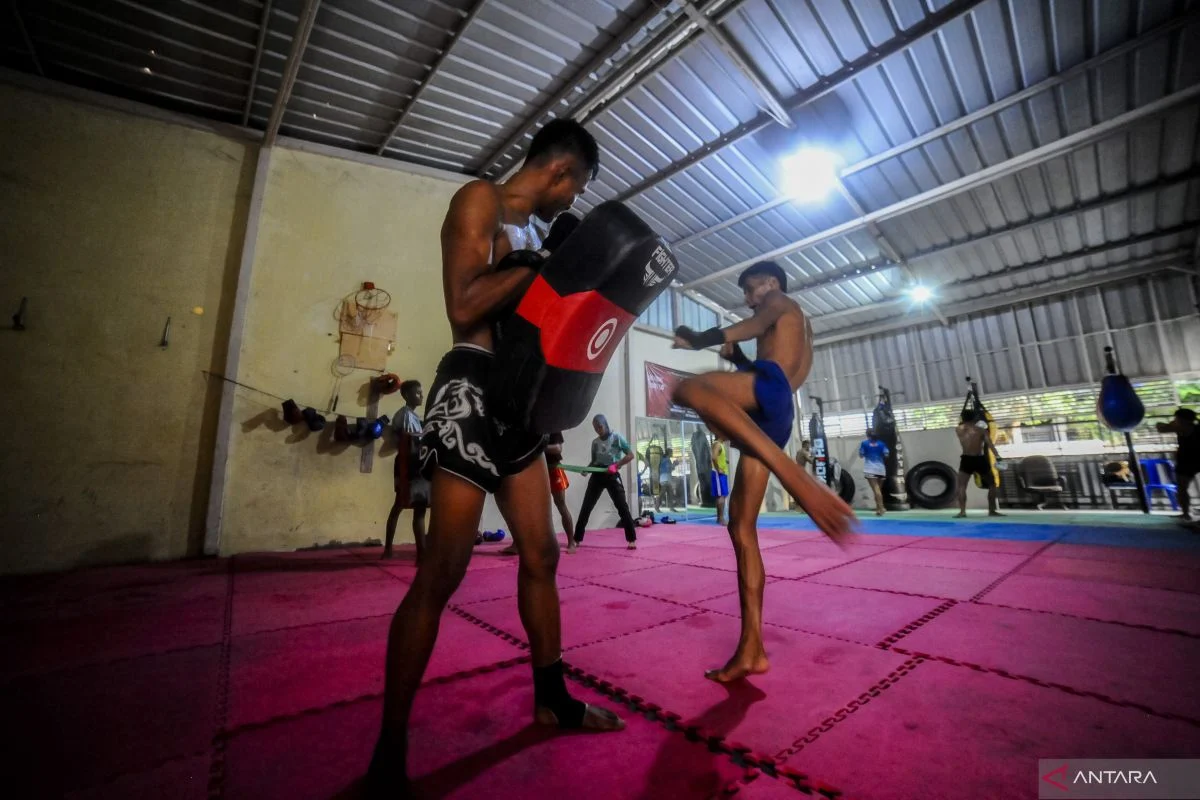
The very name "Muay Thai" offers a direct translation: "Muay" signifying "boxing" and "Thai" referring to its origin. Therefore, Muay Thai is literally "Thai boxing." However, this moniker only scratches the surface of its complexity. The martial art is more famously known as "The Art of Eight Limbs," a testament to its comprehensive utilization of eight distinct points of contact for attack and defense: two fists, two elbows, two knees, and two shins/feet. This fundamental difference immediately distinguishes it from boxing, which primarily relies on the hands.
In Muay Thai, the combat is dynamic and fluid, emphasizing a wider range of offensive and defensive maneuvers than the focused punching of boxing. Fighters are adept at employing devastating knee strikes, powerful kicks, sharp elbow blows, and the strategic use of the clinch. The clinch, a grappling-like hold where fighters lock arms and bodies, is not merely a pause in the action but an active phase where fighters can deliver knees and elbows, or attempt to unbalance their opponent for a takedown, though throws are generally limited in scope and not designed to bring the fight to the ground. This intricate blend of strikes creates a fast-paced, dynamic, and intensely engaging combat experience.
A crucial aspect of Muay Thai is its adherence to upright combat. Unlike martial arts that incorporate ground fighting, wrestling, or judo-style throws designed to incapacitate an opponent on the mat, Muay Thai contests are strictly conducted in a standing position. Techniques that lead to prolonged ground engagements or forceful slams are disallowed, maintaining the art’s focus on striking prowess.
Furthermore, the traditional philosophy behind Muay Thai imbues its movements with symbolic meaning. Each technique is said to emulate the use of ancient weaponry. The fists represent swords, the elbows act as daggers, the knees function as blunt maces, and the shins and feet are likened to axes. This symbolic representation underscores the art’s origins as a combat system designed for warfare and self-preservation.
A Glimpse into Muay Thai’s Storied Past
The origins of Muay Thai are deeply embedded in the history of Thailand, with its roots believed to date back to the 13th century. Initially developed as a brutal and effective form of hand-to-hand combat for Siamese soldiers, it was crucial for survival when warriors were disarmed on the battlefield. Early forms of Muay Thai incorporated techniques that are now considered too dangerous and have been removed from modern competition, such as targeting joints and the back of the head.
Over centuries, Muay Thai transcended its military origins to become a significant part of Thai culture, embraced by all strata of society, including the royal family. Historical records indicate that the first king of the Sukhothai Kingdom, King Phokhun Sri In Tharatit, recognized the importance of martial arts for both physical conditioning and character development, reportedly sending his son to study the discipline.
The formalization of Muay Thai into a sport with standardized rules began to take shape in the 1930s. Influenced by the global rise of international boxing, elements such as the adoption of standardized gloves and a round-based scoring system were integrated. This modernization was a pivotal step in transforming Muay Thai from a traditional fighting art into a globally recognized sport.
A significant milestone in the sport’s international development was the establishment of the International Federation of Muaythai Associations (IFMA) in 1993. IFMA has since been instrumental in organizing global championships and advocating for Muay Thai’s inclusion in major international sporting events, paving the way for its presence at the SEA Games.
The legend of Nai Khanom Tom, a 16th-century warrior, further cements Muay Thai’s place in Thai folklore. Captured by Burmese forces during a conflict, he is said to have demonstrated his extraordinary fighting skills by defeating a series of Burmese champions in unarmed combat. This feat not only secured his freedom but also significantly boosted the prestige and popularity of Muay Thai within Siam, solidifying its status as a source of national pride.
Today, Muay Thai is a vibrant cultural phenomenon in Thailand, with matches drawing large crowds in stadiums across the country and attracting international tourists. Its appeal also extends to a broad demographic, with training programs designed to be accessible to beginners while still offering the depth required for seasoned athletes. The inclusion of Muay Thai in the SEA Games 2025 is expected to further amplify its global reach and recognition, potentially inspiring a new generation of athletes and enthusiasts.
Muay Thai vs. Boxing: A Tale of Two Striking Arts
While both Muay Thai and Boxing share the arena and the use of gloves, their fundamental differences in technique, strategy, and philosophy are profound. Understanding these distinctions is key to appreciating the unique artistry of each sport.
1. The Arsenal of Strikes: Eight Limbs Versus Two
The most obvious divergence lies in the number of "weapons" employed. Muay Thai, as "The Art of Eight Limbs," permits attacks using fists, elbows, knees, and shins/feet. Fighters can also utilize sweeps and limited throws from the clinch, where they remain engaged until the referee intervenes. This multi-faceted attack strategy allows for a wide array of combinations and unpredictable sequences.
In contrast, Boxing is strictly limited to punches delivered with the fists. The intricate footwork and defensive maneuvers are all designed to create openings for these punches and to evade the opponent’s. When boxers clinch, it is typically a temporary state, with the referee quickly separating them to maintain the flow of punching exchanges.
2. The Mechanics of Punching and Striking
Boxing places an almost singular focus on the refinement of punching techniques. Through rigorous training, boxers develop highly precise and powerful hand strikes, emphasizing hip rotation, footwork, and the ability to generate maximum force behind each blow. The goal is to land clean, impactful punches that can score points or lead to a knockout.
Muay Thai incorporates punching techniques, often drawing inspiration from boxing, but it does not possess the same depth of specialization. Muay Thai practitioners must be adept at seamlessly transitioning between different attack modalities. A fighter might throw a punch, immediately follow with a knee, or transition into a kick, demanding a different kind of technical versatility. The emphasis is on a fluid integration of all eight limbs rather than the singular mastery of hand striking.
3. Stance and Footwork: Stability vs. Agility
The stances adopted by Muay Thai fighters and boxers reflect their respective tactical approaches. Boxers typically maintain a slightly sideways stance, balancing on the balls of their feet. This allows for exceptional mobility, enabling quick pivots, sidesteps, and evasive movements crucial for avoiding punches.
Muay Thai fighters, on the other hand, often adopt a more squared-up stance, facing their opponent more directly. This position facilitates the execution of kicks and provides a stable base for defensive leg blocks. While still mobile, their footwork tends to be more grounded and less acrobatic than that of boxers, prioritizing stability for power strikes and defensive postures.
4. The Rhythm of Combat: Flow vs. Fragmentation
The rhythm of a boxing match is characterized by continuous, flowing exchanges. A typical sequence might involve a series of jabs, straights, hooks, followed by evasive movements and a counter-attack. The momentum is generally sustained, with fighters constantly looking to pressure their opponent or create an opening.
Muay Thai’s rhythm is often more varied and can appear more fragmented. It involves distinct phases of striking. A fighter might launch a series of punches, then transition to a powerful teep (front kick), followed by an elbow strike, and then perhaps enter a clinch. The pauses and transitions are integral to the strategy, allowing fighters to set up different attacks or defend against varied threats.
5. Head Movement: Freedom vs. Constraint
In boxing, head movement is a critical defensive tool. Fighters can bob, weave, and slip punches with considerable freedom, as the primary threat comes from hand strikes. This allows for a high degree of evasive maneuvering.
Muay Thai, however, imposes greater constraints on head movement. Dropping the head too low or exposing the neck and sides of the head unnecessarily opens up dangerous opportunities for opponents to land devastating knee strikes or high kicks. Therefore, while head movement exists for defensive purposes, it is often more cautious and integrated with overall defensive posture to guard against all eight limbs.
6. Equipment and Rituals: Practicality vs. Tradition
The equipment used in both sports highlights their differing traditions. Boxers wear specialized boxing shoes designed for grip and agility within the ring.
Muay Thai fighters, however, compete barefoot. This tradition is deeply ingrained and emphasizes the connection to the earth and the power derived from it. Furthermore, Muay Thai often incorporates traditional elements, such as the wai kru ram muay, a ritualistic dance performed before the fight to pay respect to trainers, parents, and the art itself. Fighters may also wear traditional amulets or armbands (prajiad and mongkol) as symbolic representations of their training and spiritual connection.
Implications of Muay Thai’s SEA Games Inclusion
The inclusion of Muay Thai in the SEA Games 2025 is a significant development for the sport. It provides a prestigious platform for athletes from Southeast Asian nations to showcase their skills on an international stage, fostering greater regional competition and camaraderie. For Thailand, it represents a formal recognition of a significant cultural export.
This inclusion is also expected to boost the sport’s visibility and appeal beyond its traditional strongholds. As a medal sport, Muay Thai will receive dedicated media coverage, potentially attracting new fans and participants. This heightened profile could lead to increased investment in training facilities, coaching development, and athlete support across participating countries.
The broader impact for the SEA Games itself is the diversification of its sporting portfolio, offering a martial art that is both physically demanding and culturally rich. This can enhance the Games’ appeal to a wider audience and reflect the diverse sporting landscape of the region. The competitive spirit and the rich heritage of Muay Thai are poised to be a compelling addition to the SEA Games 2025.
In conclusion, while superficially similar to boxing, Muay Thai stands as a distinct and complex martial art. Its "Art of Eight Limbs" philosophy, rich historical tapestry, and unique combat dynamics offer a captivating spectacle. As it steps into the spotlight of the SEA Games 2025, Muay Thai is set to further cement its global standing and captivate the world with its powerful and multifaceted approach to striking combat.