The burgeoning 160cc scooter segment in Indonesia, long dominated by a fierce rivalry between Honda and Yamaha, has reached a new apex of technological sophistication. The Honda ADV160 and the Yamaha NMAX, two of the segment’s most prominent contenders, are now locked in a battle of advanced connectivity features, promising riders a more integrated and intuitive experience than ever before. This evolution marks a significant shift in how riders interact with their motorcycles, moving beyond mere transportation to a connected ecosystem.
At the heart of this technological arms race are Honda’s RoadSync and Yamaha’s Y-Connect systems. These sophisticated digital interfaces aim to bridge the gap between a rider’s smartphone and their scooter, offering a suite of functionalities designed to enhance convenience, safety, and the overall riding experience. This strategic push towards connectivity underscores the manufacturers’ understanding of the modern consumer’s demand for seamless integration of their digital lives with their physical pursuits.
Honda ADV160: Pioneering Adventure with RoadSync Integration
The New Honda ADV160 has stepped into the spotlight with its integrated 5-inch TFT digital display, serving as the central hub for all its advanced features, including the much-anticipated Honda RoadSync. This system allows riders to establish a Bluetooth connection between their smartphone and the scooter, unlocking a range of functionalities. Navigation, a crucial element for any adventure-oriented vehicle, is a key component, offering turn-by-turn directions directly on the display. Beyond navigation, riders can control their music playback and receive notifications for incoming messages and phone calls, all without needing to dismount or fumble with their devices.
The implementation of RoadSync is particularly noteworthy for its emphasis on rider safety and focus. Honda has integrated voice control capabilities, allowing riders to manage these functions using verbal commands. Complementing this is the Multi-Function Switch located on the handlebars, providing tactile control over various features. This dual-pronged approach—voice and physical controls—ensures that riders can access essential information and manage their connected devices while maintaining their attention on the road. This is a critical consideration, especially for a scooter designed to tackle diverse terrains and situations where undivided concentration is paramount.
Beyond its technological prowess, the Honda ADV160 continues to uphold its distinctive adventure-inspired aesthetic. While retaining its rugged appeal, subtle yet impactful design updates have been introduced. The side leg shields, for instance, now feature a refined blend of new design lines, contributing to a more contemporary and dynamic look without compromising its adventurous spirit.
Honda offers the ADV160 in a tiered product lineup, catering to a range of preferences and budgets. The available variants include the CBS (Combi Brake System) and ABS (Anti-lock Braking System) models, alongside the top-tier variant that comes equipped with the advanced RoadSync feature. Prices for the Honda ADV160 start from approximately Rp37 million (on the road Jakarta), positioning it as a premium offering within the 160cc scooter segment.
Yamaha NMAX 155: Y-Connect Elevates the Maxi-Scooter Experience
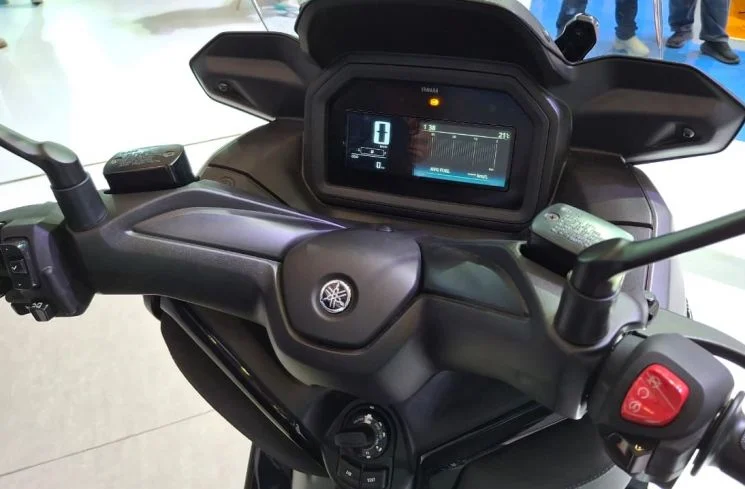
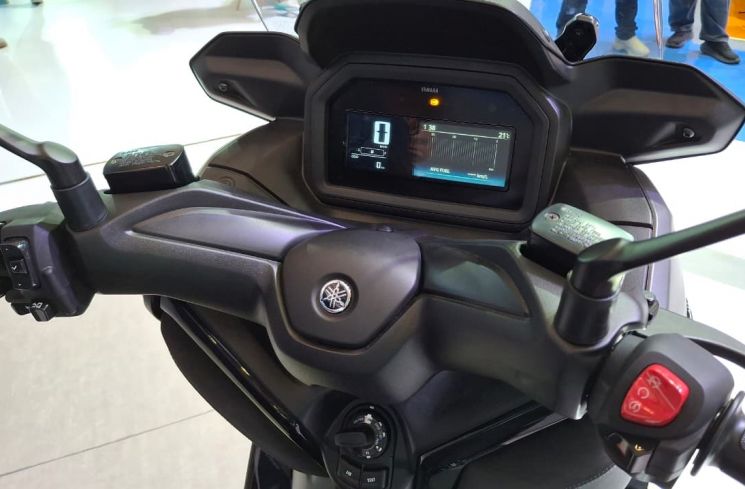
Yamaha has responded to the evolving demands of the market with its own sophisticated connectivity solution, the Y-Connect application, integrated into the Yamaha NMAX 155. This system is powered by a latest-generation Communication Control Unit (CCU), which facilitates a seamless link between the NMAX and a rider’s smartphone. The integration is particularly impressive on premium variants, such as the NMAX Turbo, where Y-Connect information is directly displayed on the motorcycle’s TFT Infotainment Display, creating a truly immersive cockpit experience.
The Y-Connect application provides riders with a comprehensive overview of their scooter’s performance and usage. Key data points accessible include mileage, fuel consumption statistics, and a detailed history of the rider’s journeys. This information is invaluable for riders looking to optimize their fuel efficiency, track their riding habits, and plan maintenance schedules.
A standout feature within the Y-Connect ecosystem is the integration of Garmin’s Street Cross digital navigation. This allows for the display of maps and turn-by-turn directions directly on the motorcycle’s instrument panel, mirroring the functionality offered by Honda’s RoadSync. This feature significantly enhances the convenience and safety of navigating unfamiliar routes, especially in urban environments or during extended touring.
Furthermore, Y-Connect extends its utility to proactive maintenance. The application can provide timely recommendations for scheduled servicing, such as oil changes or battery checks, helping riders keep their NMAX in optimal condition. In the event of any technical issues, the system can also issue malfunction notifications, alerting the rider to potential problems before they escalate.
Visually, the All-New NMAX 155 embodies Yamaha’s signature MAXi scooter design language, characterized by its elegant and premium styling. Modern bodywork, coupled with distinctive elements like gold-colored alloy wheels on select variants, further accentuates its sophisticated appeal.
Yamaha offers the All-New NMAX 155 in several configurations, including the Standard, S Version, and the Connected/ABS variants. Pricing for the Yamaha NMAX 155 commences from approximately Rp32 million (on the road Jakarta), making it a competitive and attractive option in its class.
The Connectivity Arms Race: Implications for the 160cc Segment
The intensified focus on connectivity features by both Honda and Yamaha signals a broader trend within the motorcycle industry, particularly in the scooter segment. As technology continues to permeate daily life, consumers expect their vehicles to offer similar levels of integration and smart functionality. For manufacturers, investing in these advanced systems is no longer a niche offering but a crucial differentiator in a competitive market.
The inclusion of features like turn-by-turn navigation, music control, and message/call notifications directly on the scooter’s display addresses several key rider pain points. It enhances convenience by reducing the need to pull over or dismount for essential information. Crucially, it also improves safety by minimizing distractions. Riders can access critical information without compromising their focus on the road, a significant improvement over relying solely on a smartphone mounted on the handlebars.
The data provided by these connectivity platforms also offers valuable insights for riders. Tracking fuel consumption and trip history can empower riders to make more informed decisions about their riding habits and maintenance, potentially leading to cost savings and a longer lifespan for their vehicles.
From an industry perspective, this technological escalation is likely to drive further innovation in the 160cc scooter segment and beyond. Competitors will be compelled to match or exceed these connectivity offerings to remain relevant. This could lead to the rapid adoption of new technologies, such as enhanced voice command capabilities, more sophisticated data analytics, and even predictive maintenance algorithms.
The pricing strategies employed by both manufacturers suggest a clear segmentation within the market. While the base models offer core scooter functionality, the premium variants with advanced connectivity are positioned to attract tech-savvy consumers willing to invest more for a connected riding experience. This tiered approach allows manufacturers to cater to a wider range of customer preferences and budgets.
Historical Context and Market Dynamics
The rivalry between Honda and Yamaha in the Indonesian motorcycle market, particularly in the scooter segment, is a long-standing and deeply ingrained phenomenon. For decades, these two giants have competed fiercely, often introducing innovative features and aggressive pricing to capture market share. The 150cc and 160cc scooter categories have historically been battlegrounds where the introduction of new technologies, such as fuel injection, LED lighting, and more recently, advanced braking systems, have been key differentiators.
The current push towards smartphone connectivity is a natural progression in this ongoing evolution. It reflects the changing demographics of motorcycle buyers, who are increasingly digital natives and expect their vehicles to integrate seamlessly with their connected lifestyles. The COVID-19 pandemic also played a role in accelerating the adoption of digital technologies across various sectors, including automotive, as consumers sought more convenient and contactless solutions.
The Indonesian market, with its high smartphone penetration and a large population of young, tech-oriented riders, presents a fertile ground for these advanced connectivity features. The success of the Honda ADV160 and Yamaha NMAX 155 will likely depend not only on the technical prowess of their connectivity systems but also on the ease of use, reliability, and the overall value proposition they offer to consumers.
Future Outlook and Broader Impact
The trend towards connected motorcycles is not exclusive to Indonesia. Globally, manufacturers are investing heavily in telematics, rider assistance systems, and integrated infotainment. This Indonesian market development serves as a microcosm of this larger trend. The success of Honda RoadSync and Yamaha Y-Connect could influence the development of similar systems in other emerging markets and even in more developed economies.
Looking ahead, the integration of connectivity features is expected to become a standard expectation rather than a premium option. This could lead to further advancements, such as over-the-air software updates for motorcycles, personalized riding profiles, and even integration with smart city infrastructure.
The long-term implications of this technological arms race are significant. It signifies a maturing of the scooter market, moving beyond basic transportation to offer a more enriched and technologically advanced ownership experience. For consumers, this competition translates into greater choice and access to cutting-edge technology, ultimately benefiting the rider. The ongoing duel between the Honda ADV160 and Yamaha NMAX 155 is more than just a competition between two models; it is a harbinger of the future of two-wheeled mobility, where connectivity and rider experience take center stage.