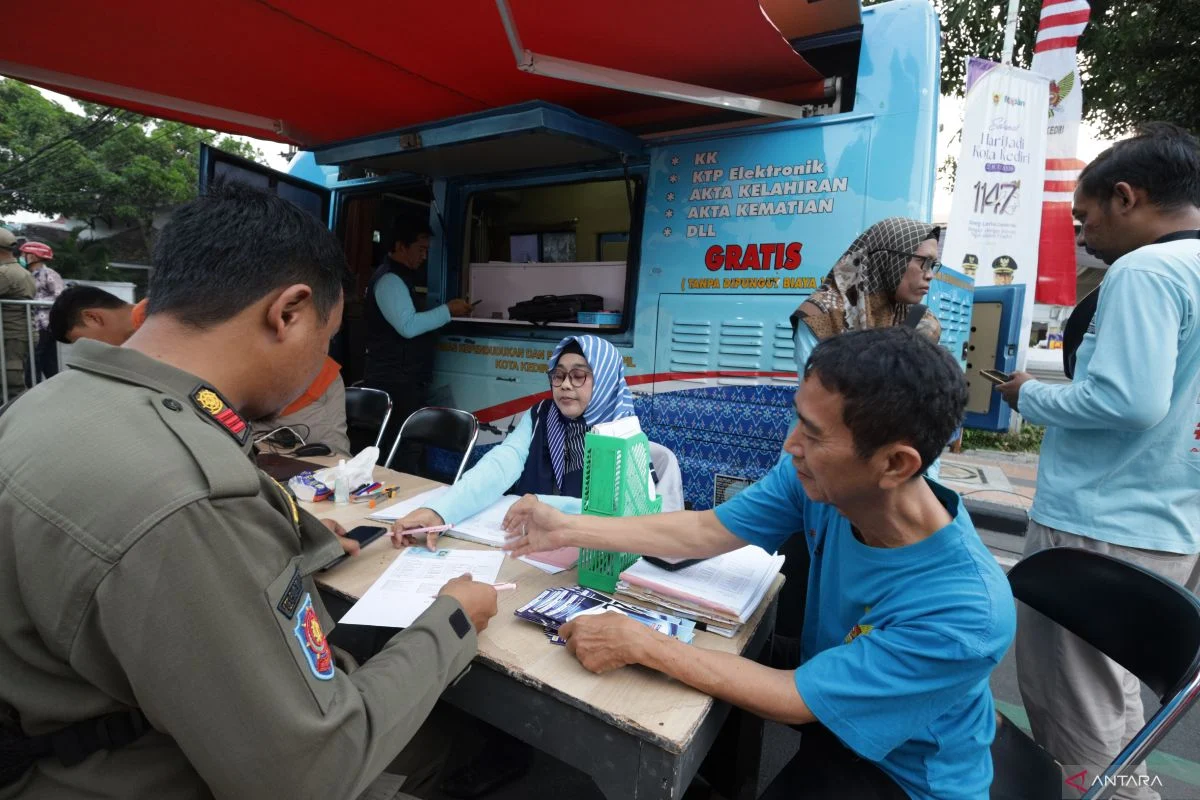
The Indonesian government has significantly revamped its population administration services, announcing that citizens can now process a wide array of crucial documents without the previously mandatory introduction letters from local Rukun Tetangga (RT), Rukun Warga (RW), or kelurahan (village/sub-district) offices. This pivotal policy, spearheaded by the Directorate General of Population and Civil Registration (Dukcapil) under the Ministry of Home Affairs (Kemendagri), is designed to dramatically accelerate public service delivery, dismantle bureaucratic hurdles, and enhance accessibility for millions of Indonesians seeking essential civil documentation. The move marks a critical step in the nation’s ongoing commitment to modernizing governance and fostering a more responsive, citizen-centric public administration system.
For decades, the requirement of securing an introductory letter from local community leaders (RT/RW) and subsequently from the kelurahan office was a deeply entrenched step in almost every administrative process in Indonesia. While originally intended to serve as a local verification mechanism, ensuring the applicant’s residency and good standing within the community, this system had increasingly become a source of frustration, delays, and, at times, informal fees. Citizens often faced multiple trips to different offices, navigating complex requirements and varying interpretations of regulations, leading to inefficiencies and undermining trust in public services. The new directive explicitly targets these pain points, aiming to create a seamless and more transparent process, thereby freeing up citizens’ time and resources.
A New Era of Simplified Administrative Services
The core of this reform lies in the direct access granted to citizens to regional Population and Civil Registration Offices (Disdukcapil) for a broad spectrum of services. This eliminates an entire layer of bureaucracy, shifting the onus of verification and data management more fully onto the Disdukcapil system, which leverages the integrated National Identity Number (NIK) database. The Ministry of Home Affairs has clarified that introductory letters will only be required in very specific circumstances, primarily for individuals who are not yet registered within the national population database and need to obtain an NIK or be recorded in a Family Card (KK) for the first time. For the vast majority of existing residents, whose data is already digitally recorded, the path to obtaining or updating documents is now significantly shorter and more direct.
The comprehensive list of documents that no longer necessitate RT/RW or kelurahan introductory letters includes some of the most frequently sought-after administrative services:
1. Electronic National Identity Card (KTP-el)
The KTP-el is the bedrock of identity verification in Indonesia, essential for everything from banking to voting. Under the new policy, citizens wishing to record their biometrics, apply for a new KTP-el, or update their existing card (due to changes in marital status, address, or profession) can proceed directly to the Disdukcapil office. The process now focuses on verifying the applicant’s identity against the national database and ensuring all necessary supporting documents, such as a Family Card, are in order. This simplification is expected to significantly reduce wait times and make the acquisition of this fundamental document more straightforward, especially for new adults or those undergoing life changes. Annually, millions of KTP-els are issued or updated, making this particular reform impactful for a substantial portion of the Indonesian populace.
2. Family Card (KK)
The Family Card (Kartu Keluarga) is a vital civil document that records the composition of a household and the relationships between its members. Changes to the KK, such as the addition of a newborn, the removal of a deceased member, changes in marital status, or updates to personal data elements, can now be processed directly at Disdukcapil. This streamlines a process that previously required multiple layers of approval, often causing delays in reflecting crucial family status changes, which in turn could impact other administrative processes like social welfare benefits or school registrations. The move underscores the government’s push for real-time and accurate population data, which is essential for effective social planning and resource allocation in a country with over 280 million people.
3. Certificate of Relocation (Surat Keterangan Pindah Domisili)
Moving residences within or between administrative regions in Indonesia historically involved a cumbersome process of obtaining letters from the old RT/RW/kelurahan and then re-registering at the new location, again with local introductory letters. This often discouraged official reporting of migration, leading to discrepancies in population data. The reformed policy, grounded in Presidential Regulation Number 96 of 2018 and Minister of Home Affairs Regulation Number 108 of 2019, simplifies this considerably. Citizens are now only required to submit an application to Disdukcapil, along with their Family Card and a completed population relocation form. This change is pivotal for maintaining accurate demographic records, facilitating urban planning, and ensuring that public services can be appropriately allocated based on actual resident populations, especially critical in a rapidly urbanizing nation.
4. Birth Certificate (Akta Kelahiran)
The timely issuance of birth certificates is crucial for establishing a child’s legal identity, enabling access to education, healthcare, and other fundamental rights. The new system allows parents or guardians to apply for a birth certificate directly at Dukcapil services. Required supporting documents include a birth statement from a healthcare facility, the Family Card, and parents’ identification. For individuals whose data is already part of the national administration system, the RT/RW letter is no longer a primary prerequisite, vastly simplifying the process and encouraging prompt birth registration. This is a significant step towards ensuring universal birth registration and protecting children’s rights, particularly vital for the approximately 4.5 million births recorded annually in Indonesia.
5. Death Certificate (Akta Kematian)
Similar to birth certificates, death certificates are essential for legal and administrative purposes, including inheritance, insurance claims, and the accurate updating of population databases. The process for obtaining a death certificate has also been streamlined, allowing direct application to Disdukcapil with the necessary supporting documents as per prevailing regulations. This reform acknowledges the sensitive and often urgent nature of post-mortem administration, aiming to reduce the burden on grieving families and ensure accurate demographic records for the roughly 2 million deaths recorded each year.
6. Child Identity Card (KIA)
The Child Identity Card (Kartu Identitas Anak) serves as an official identity document for Indonesian children under 17 years old who are not yet eligible for a KTP-el. The application for a KIA can now be made directly through Disdukcapil, requiring family documentation, without the need for an RT/RW introductory letter, provided the child’s data is already recorded in the population database. This initiative supports early identification and facilitates children’s access to various services, contributing to better child welfare and administrative inclusion.
The Legal and Policy Underpinnings of Reform
This sweeping administrative overhaul is not an isolated measure but rather a culmination of years of strategic planning and regulatory amendments aimed at modernizing Indonesia’s public service delivery. The foundations for this policy were significantly strengthened by Presidential Regulation Number 96 of 2018 concerning the Requirements and Procedures for Population Registration and Civil Registration and further elaborated by Minister of Home Affairs Regulation Number 108 of 2019 concerning the Technical Instructions for Population Registration and Civil Registration Services. These regulations laid the groundwork for simplifying administrative procedures, emphasizing the use of the NIK as the primary identifier, and reducing reliance on redundant verification steps.
The rationale behind these legislative changes was clear: to eliminate unnecessary bureaucratic layers that often resulted in long processing times, potential for informal fees, and geographical barriers, especially for citizens in remote areas. By mandating direct access to Disdukcapil, the government aims to enhance transparency, accountability, and the overall efficiency of public services. This also aligns with Indonesia’s broader "Reformasi Birokrasi" (Bureaucratic Reform) agenda, which seeks to transform government institutions into more effective, efficient, and ethical entities, a process that has been steadily gaining momentum since the early 2010s.
Broader Context: Indonesia’s Digital Transformation and Public Service Excellence
This simplification of administrative requirements is intrinsically linked to Indonesia’s accelerated push towards digital governance and public service excellence. The Ministry of Home Affairs has consistently championed the adoption of technology to improve public access and data accuracy. The NIK, serving as a unique identifier for every Indonesian citizen, is the cornerstone of this digital ecosystem. Its robust database allows Disdukcapil offices to verify identities and retrieve necessary information directly, negating the need for manual verification through local community leaders in most cases. The success of this system relies heavily on the approximately 98% coverage of NIK issuance for eligible citizens by 2025, ensuring a vast majority of the population is already within the digital database.
Across the archipelago, local governments are actively developing and implementing digital platforms to complement face-to-face services. Jakarta, for instance, has been a frontrunner with its "Alpukat Betawi" application, which enables residents to manage various population administration tasks online, from applying for new documents to updating existing ones. Similar initiatives are emerging in other provinces and cities, reflecting a nationwide commitment to harnessing technology for public good. These digital services not only offer convenience but also enhance transparency, reduce opportunities for corruption, and ensure greater data consistency across different government agencies, aligning with Indonesia’s broader digital transformation roadmap that seeks to elevate e-government services.
Implications and Impact: A Leap Towards Citizen-Centric Governance
The implications of this administrative reform are profound and far-reaching. Firstly, it is expected to significantly reduce the time and cost burden on citizens. Millions of administrative transactions occur annually across Indonesia; simplifying these processes translates into countless hours saved and reduced expenditure on travel and potential informal fees. This is particularly beneficial for low-income populations and those in remote areas who face greater logistical challenges, contributing to a more equitable access to public services.
Secondly, the policy is poised to enhance the accuracy and reliability of national population data. By channeling all administrative processes directly through Disdukcapil and leveraging the NIK database, the government can ensure that demographic records are updated more consistently and in real-time. This improved data quality is critical for effective policy-making, resource allocation, and disaster management, providing a more precise picture of the national populace.
Thirdly, this reform fosters greater trust and confidence in government institutions. By dismantling bureaucratic barriers and making services more accessible, the government demonstrates its commitment to serving its citizens efficiently and transparently. This move aligns with global trends in public administration, where governments are increasingly adopting citizen-centric models and leveraging technology to bridge gaps between citizens and bureaucracy.
However, the transition is not without its challenges. Digital literacy and infrastructure disparities remain a concern in some regions. While online services are expanding, a significant portion of the population, particularly the elderly or those in underserved areas, may still rely on traditional face-to-face services. Ensuring equitable access to information and support for all citizens during this transition will be crucial. Furthermore, robust data security measures must be continuously upheld to protect sensitive personal information within the integrated NIK database, a critical aspect given the increasing threat of cyber incidents.
The role of RT/RW and kelurahan offices will also evolve. While their administrative gatekeeping function diminishes, their role as community facilitators, information disseminators, and social cohesion builders remains vital. They can now focus more on community development, local dispute resolution, and providing basic assistance, rather than being bogged down by document verification tasks, thus transforming their engagement from administrative to more community-centric roles.
Statements from Key Stakeholders
Officials from the Directorate General of Dukcapil and the Ministry of Home Affairs have consistently reiterated that this policy is a testament to the government’s unwavering dedication to public service improvement. "Our goal is simple: to make government services work for the people, not the other way around," a senior Dukcapil official reportedly stated, emphasizing the commitment to cutting red tape and leveraging technology. "By removing the redundant requirement of introductory letters, we are empowering citizens to access their fundamental rights more easily and efficiently, while simultaneously enhancing the integrity of our national population data. This is a crucial step towards a more modern and responsive bureaucracy."
Public policy experts have largely welcomed the move, characterizing it as a significant step forward in bureaucratic reform. Dr. Indah Permata, a prominent public administration researcher at a leading Indonesian university, commented, "This policy represents a crucial paradigm shift. It recognizes that in a digitally connected era, the NIK and the centralized database are sufficient for verification, making local introductory letters largely obsolete for registered citizens. It’s a progressive move that many countries have adopted to improve public service delivery, enhancing efficiency and reducing opportunities for informal practices that often plague lower-level administrative processes."
Citizens, particularly those who have experienced the previous arduous processes, are expected to broadly embrace these changes. Early feedback from areas where the policy has been actively implemented indicates a positive reception, with many expressing relief at the simplified procedures and faster turnaround times. Surveys conducted by independent bodies in pilot regions have shown a significant increase in citizen satisfaction regarding administrative processing times.
Looking Ahead: Continuous Improvement and Adaptation
While the current reform marks a monumental achievement, the Ministry of Home Affairs acknowledges that continuous improvement and adaptation are essential. This includes ongoing efforts to expand digital service availability, enhance the capabilities of Disdukcapil staff, and conduct widespread public awareness campaigns to ensure all citizens are informed about the new procedures. The emphasis remains on a dynamic, responsive public administration system that can evolve with technological advancements and the changing needs of the Indonesian populace. This proactive approach will be critical to sustaining the positive momentum generated by these reforms and ensuring that no citizen is left behind in the digital transformation journey.
This comprehensive overhaul of population administration services in Indonesia signals a robust commitment to modern governance, prioritizing efficiency, accessibility, and transparency. By dismantling outdated bureaucratic steps and embracing digital solutions, Indonesia is paving the way for a more streamlined, citizen-friendly public service landscape, ultimately strengthening the social contract between the government and its people. The elimination of RT/RW and kelurahan introductory letters for most essential documents is not merely a procedural change; it is a declaration of intent for a more efficient, equitable, and modern Indonesia, poised to reap the benefits of a truly integrated and responsive civil registration system.