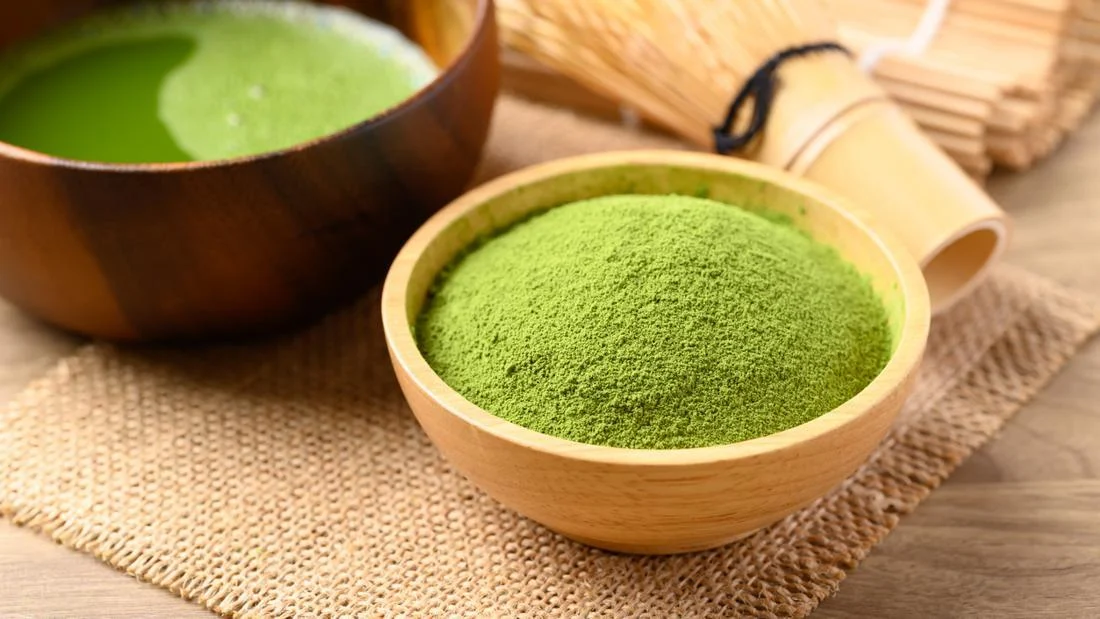
The global landscape of the tea industry has long been dominated by the prestige of Japanese matcha, a finely ground powder of specially grown and processed green tea leaves. However, a significant shift is occurring within the Indonesian archipelago as local producers begin to harness the country’s vast tea-growing heritage to create a domestic version of this premium product. While matcha is traditionally synonymous with Japanese culture and the Uji or Nishio regions, Indonesia is proving that its volcanic soil and unique climate can produce a distinctive alternative. Leading this movement is Rizal Firdaus, the founder of Indomatcha, who has spent the last decade refining the art of Indonesian matcha production. This local iteration of the vibrant green powder offers a profile that diverges significantly from its Japanese counterpart, characterized by a bolder bitterness and a deeper connection to the Nusantara terroir.
The Evolution and Chronology of Indonesian Matcha Production
The journey toward a commercially viable Indonesian matcha did not happen overnight. It was born out of a realization that Indonesia, as one of the world’s top tea producers, was largely exporting raw materials while importing high-value finished products like matcha. Rizal Firdaus identified this gap in 2014 and began a rigorous period of research and development that spanned eight years.
Between 2016 and 2024, Firdaus experimented with various agricultural techniques and processing methods to adapt the traditional Japanese "tencha" process to Indonesian tea varieties. The challenge was twofold: the botanical differences between the tea plants grown in Japan and Indonesia, and the lack of specialized machinery in the domestic market. By 2024, after nearly a decade of trial and error, Indomatcha emerged as a stable brand, capable of processing approximately 300 kilograms of fresh tea shoots daily. The production facility, which sources its raw materials from high-altitude tea plantations in West Java, now serves a growing network of local cafes, bakeries, and resellers, often providing "white label" products for businesses looking to integrate local ingredients into their menus.
The Botanical Foundation: Assamica vs. Sinensis
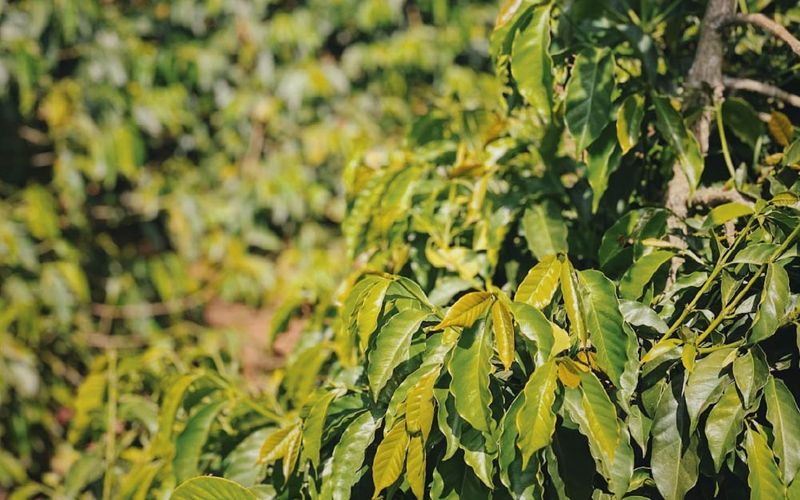
One of the primary factors contributing to the unique profile of Indonesian matcha is the variety of the tea plant itself. In Japan, matcha is almost exclusively produced from Camellia sinensis var. sinensis, a variety characterized by smaller leaves and a naturally sweeter, more "umami" flavor profile. In contrast, the vast majority of tea plantations in Indonesia—remnants of the Dutch colonial era—cultivate Camellia sinensis var. assamica.
The Assamica variety is known for its larger leaves, higher caffeine content, and a significantly more robust concentration of polyphenols and tannins. These chemical compounds are responsible for the astringency and bitterness that define the Indonesian palate. When processed into matcha, these traits are amplified. While Japanese matcha aims for a mellow, creamy finish, Indonesian matcha embraces a sharp, punchy bitterness that lingers on the palate. This distinction is not merely a matter of quality but a reflection of the botanical DNA of the region’s flora.
Precision Agronomy: The Shading Technique
To transform standard green tea into matcha, the cultivation process must undergo a specific phase known as "shading" or tana-cha. Approximately two to three weeks before the harvest, Indonesian producers like Firdaus install "paranet" (synthetic shading nets) over the tea bushes. This technique intentionally deprives the plants of direct sunlight, forcing them to adapt to low-light conditions.
From a biological perspective, this shading triggers a massive increase in chlorophyll production, which gives the leaves their intense green hue. More importantly, it alters the chemical composition of the leaf. Under the shade, the plant produces higher levels of L-theanine, an amino acid responsible for the "calm energy" sensation associated with tea. "The goal is to reduce sunlight exposure so the leaves produce more L-theanine and maintain a vibrant color despite our tropical sun," Firdaus explained. In Indonesia’s tropical climate, where the sun is much more intense than in Japan’s temperate zones, managing this shading process requires precise timing to prevent the leaves from becoming too thin or susceptible to pests.
From Harvest to Powder: The Industrial Process
The production of Indomatcha follows a strict sequence to ensure the tea does not oxidize, which would turn it into black tea. Immediately after the shoots are hand-picked by local farmers in West Java, they are transported to the processing facility for steaming. The "steam" method is a critical departure from the "pan-firing" method common in Chinese green teas; steaming deactivates the enzymes that cause oxidation, preserving the bright green color and the fresh, vegetal aroma.
Following the steam treatment, the leaves are cooled and dried, reaching a state known as tencha. This intermediate product is then subjected to a meticulous sorting process where the stems and veins are removed. Only the pure leaf meat is used for the final grinding. To achieve the necessary fineness, Firdaus employs specialized stone mills. Interestingly, these mills are crafted from specific stones sourced from Majalengka, designed to mimic the traditional granite mills used in Japan. This mechanical process ensures that the powder is fine enough to stay suspended in liquid, a hallmark of true matcha.
Comparative Analysis: Local vs. Japanese Profiles
When placed side-by-side, the differences between local Indonesian matcha and Japanese matcha are immediately apparent to both the eye and the tongue.
- Visual Appearance: Japanese matcha typically exhibits a "vibrant electric green" or "jade" color, particularly in ceremonial grades. Indonesian matcha, while still a deep green, tends to have a slightly more muted or olive undertone. This is largely due to the higher tannin content in the Assamica leaves.
- Texture: Thanks to the Majalengka stone mills, the texture of local matcha is comparable to its Japanese counterparts, though the density of the Assamica leaf can sometimes result in a slightly "heavier" mouthfeel.
- Flavor Profile: This is the most significant point of divergence. Japanese matcha is prized for its "umami"—a savory, seaweed-like sweetness. Indonesian matcha, however, is unapologetically bitter and astringent. It possesses a "bold" character that stands up well when mixed with other strong ingredients.
Economic Implications and Market Synergy
The rise of local matcha production carries significant economic weight for Indonesia’s agricultural sector. Historically, Indonesian tea farmers have struggled with fluctuating global commodity prices for black tea. By pivoting to value-added products like matcha, producers can offer farmers higher purchase prices for premium shoots. Rizal Firdaus’s model of collaborating directly with local pickers and farmers ensures that the economic benefits of this "green gold" remain within the community.
Furthermore, the bitterness of Indonesian matcha has found a unique niche in the domestic culinary market. In Indonesia’s burgeoning "Third Wave" coffee and tea scene, baristas have found that the sharper profile of local matcha pairs exceptionally well with traditional sweeteners like gula aren (palm sugar) and condensed milk. While a delicate Japanese ceremonial matcha might be overwhelmed by these heavy sweeteners, the local variety maintains its "tea identity," providing a balanced contrast to the sugar.
Expert Reactions and Future Outlook
Industry analysts suggest that the development of Indomatcha is a vital step toward "tea sovereignty" for Indonesia. By producing high-quality matcha domestically, the country reduces its reliance on expensive imports, which are often subject to high tariffs and logistics costs.
"The character of Indonesian tea is naturally bold," says a tea sommelier based in Jakarta. "Trying to make it taste exactly like Japanese matcha is a mistake. What Rizal is doing—embracing the bitterness and the Assamica roots—is creating a new category: Indonesian Matcha. It’s a product that reflects our soil."
As the capacity of producers like Indomatcha grows, there is potential for export. While it may not compete with Japanese ceremonial matcha in traditional tea ceremonies, it is perfectly positioned for the global "food grade" market. Its strong flavor makes it an ideal ingredient for the international confectionery, ice cream, and beverage industries, where a distinct tea flavor is often lost during processing.
Conclusion
The emergence of local Indonesian matcha represents more than just a new beverage trend; it is a sophisticated marriage of traditional Japanese techniques and Indonesian botanical reality. Through the efforts of pioneers like Rizal Firdaus, the bitter and astringent profile of the Assamica leaf is no longer seen as a drawback, but as a defining characteristic of a premium domestic product. As production continues to scale and the domestic market matures, Indonesian matcha is set to become a staple of the archipelago’s culinary identity, proving that the world of tea is far more diverse than a single standard. For the consumer, this offers a choice: the delicate, umami sweetness of Japan, or the bold, unapologetic strength of the Indonesian highlands.