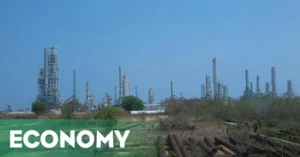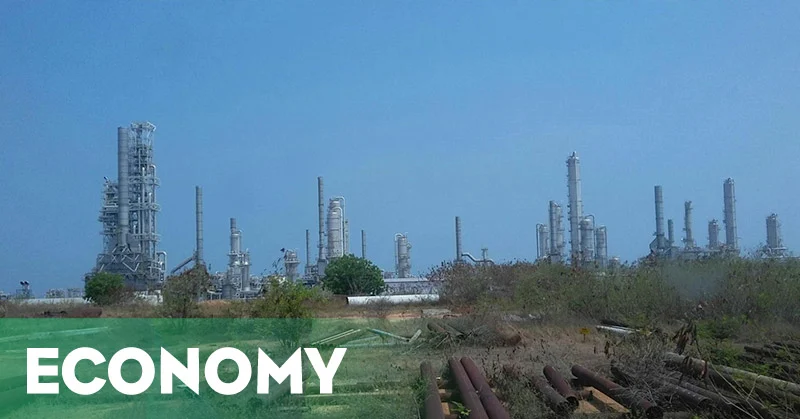
President Joko Widodo, accompanied by a high-level ministerial delegation, conducted a comprehensive field inspection of the PT Trans Pacific Petrochemical Indotama (TPPI) refinery in Tuban, East Java, on Wednesday, November 11, 2015. The visit marks a pivotal moment in Indonesia’s strategic shift toward energy self-sufficiency, as the facility officially resumes operations under the management of the state-owned energy giant, PT Pertamina (Persero). The reactivation of the TPPI refinery is a cornerstone of the administration’s policy to revitalize domestic downstream oil and gas infrastructure, which has long been underutilized or mired in legal and financial complexities.
During the inspection, President Widodo—commonly known as Jokowi—was joined by Minister of State-Owned Enterprises (BUMN) Rini Soemarno, Pertamina President Director Dwi Soetjipto, and the Director General of Oil and Gas at the Ministry of Energy and Mineral Resources, IGN Wiratmaja. The presence of these key officials underscores the high priority the government places on the Tuban facility as a vital asset for national economic stability. The refinery’s return to active status is expected to provide a significant buffer against the volatility of global oil prices and reduce the nation’s heavy reliance on imported refined petroleum products.
Strategic Significance and Economic Impact
The reactivation of the TPPI Tuban refinery is projected to have an immediate and profound impact on Indonesia’s trade balance. According to Wianda Pusponegoro, Vice President of Corporate Communication at Pertamina, the facility’s operational status is a primary focus for the President due to its capacity to drastically alter the country’s fuel procurement landscape. The refinery is capable of producing approximately 61,000 barrels per day (bpd) of various petroleum products, with a specific focus on Premium-grade gasoline (RON 88).
"This refinery is capable of reducing the volume of imported Bahan Bakar Minyak (BBM) of the Premium type by approximately 20 percent," Wianda stated during the site visit in Tuban. This reduction in imports is not merely a logistical achievement but a major fiscal victory. Based on an assumed average global oil price of USD 60 per barrel for gasoline, the operationalization of the Tuban refinery is estimated to save the Indonesian government approximately USD 1.2 billion annually. At the current exchange rates in late 2015, this translates to a staggering Rp16 trillion in foreign exchange savings per year.
These savings are critical for the Indonesian economy, which has frequently grappled with a widening current account deficit (CAD). By producing fuel domestically, the government can retain more foreign currency reserves, which in turn supports the stability of the Indonesian Rupiah (IDR). Furthermore, the domestic production of fuel reduces the "middleman" costs often associated with international fuel tenders, ensuring a more direct and cost-effective supply chain for the national energy market.
Historical Context and the Path to Reactivation
The TPPI refinery has a long and turbulent history that mirrors the complexities of Indonesia’s industrial development. Established in the late 1990s, the facility was designed to be one of the most advanced petrochemical and fuel processing hubs in Southeast Asia. However, for years, the refinery sat idle or operated at minimal capacity due to a labyrinth of financial debts, ownership disputes, and legal challenges involving its original founders and various creditors, including the state.
The facility’s revival became a top priority for the Jokowi administration shortly after taking office in late 2014. The President identified the "oil and gas mafia"—informal networks that profit from the inefficiencies of fuel imports—as a major hurdle to national development. By bringing TPPI back online under Pertamina’s wing, the government aimed to dismantle the necessity for excessive imports and prove that Indonesia possesses the technical infrastructure to meet its own energy demands.
The transition process involved complex negotiations between Pertamina, the Ministry of Finance, and the Special Task Force for Upstream Oil and Gas Business Activities (SKK Migas). The objective was to create a "toll-fee" processing arrangement where Pertamina provides the condensate (the raw material) and pays a processing fee to TPPI, thereby bypassing the previous financial gridlock that had paralyzed the plant. This model allows the refinery to focus on production while Pertamina manages the supply chain and distribution.
Technical Capabilities and Production Output
The TPPI Tuban refinery is unique because of its dual-purpose design. It can function both as a petrochemical plant and as a traditional fuel refinery. This flexibility allows Pertamina to shift production focus based on national needs. In its current configuration, the refinery processes condensate to produce a variety of high-value outputs:

- Gasoline (RON 88/Premium): The primary focus for the domestic market, helping to stabilize supply across the archipelago.
- LPG (Liquefied Petroleum Gas): A crucial commodity for Indonesian households, further reducing the need for imported cooking gas.
- Diesel (Solar): Essential for the industrial and transportation sectors.
- Aromatics (Paraxylene, Benzene, Orthoxylene, and Toluene): These are raw materials for the textile and plastics industries.
The ability to produce 61,000 bpd of fuel products essentially means that the Tuban refinery can cover a significant portion of the national daily consumption. When combined with other major refineries like Cilacap and Balikpapan, the addition of TPPI moves Indonesia closer to its goal of eliminating the need for imported gasoline within the next decade.
Official Responses and Stakeholder Perspectives
The visit by President Jokowi was met with optimism by industry analysts and local government officials in East Java. Minister of BUMN Rini Soemarno emphasized that the synergy between state-owned enterprises and strategic assets like TPPI is essential for industrial downstreaming. She noted that the government’s intervention was necessary to ensure that "dead assets" are revitalized to serve the public interest rather than remaining trapped in legal limbo.
Dwi Soetjipto, President Director of Pertamina, highlighted the technical readiness of the facility. He stated that the refinery’s equipment had undergone rigorous testing to ensure safety and efficiency after the long period of dormancy. "The resumption of TPPI is a testament to our engineering capabilities and our commitment to optimizing every national asset we have. We are not just refining oil; we are refining our approach to national sovereignty," Soetjipto remarked.
Local leaders in Tuban also welcomed the move, citing the potential for job creation and the stimulation of the local economy. The refinery requires a large workforce of skilled engineers, technicians, and support staff, many of whom are recruited from the surrounding East Java region. The multiplier effect of a fully operational refinery includes increased demand for local services, housing, and infrastructure development.
Broader Implications for National Energy Policy
The reactivation of TPPI is part of a much larger strategy known as the Refinery Development Master Plan (RDMP) and the New Grassroot Refinery (NGR) projects. The Indonesian government has recognized that while the country is a significant producer of crude oil, its refining capacity has lagged behind domestic demand for decades. This imbalance has forced Indonesia to export crude oil at lower prices only to buy back refined products at higher market rates.
By fixing and expanding existing refineries like TPPI, the government is addressing the "middle-income trap" by moving up the value chain. Analysts suggest that if the TPPI model succeeds, it could serve as a blueprint for the revitalization of other underperforming industrial zones across Indonesia.
Moreover, the success of the TPPI Tuban refinery is a symbolic victory for the administration’s "Nawa Cita" (nine priorities) program, which emphasizes economic independence by safeguarding strategic sectors. The reduction of Rp16 trillion in import costs provides the government with more fiscal space to fund infrastructure projects, such as the Trans-Java Toll Road and various maritime "Tol Laut" initiatives, which are also central to Jokowi’s vision.
Future Outlook and Challenges
While the current operations at TPPI are a significant milestone, challenges remain. Maintaining a consistent supply of condensate is paramount. The government must ensure that domestic upstream production, managed by SKK Migas and various contractors, can reliably feed the Tuban facility. Additionally, the global shift toward cleaner energy sources and higher-octane fuels (such as RON 92 and RON 95) means that TPPI will eventually need further upgrades to stay relevant in an evolving market.
There is also the ongoing task of resolving the remaining legal and debt structures associated with the refinery’s past. Ensuring that the facility remains under the effective control of the state or its designated partners is vital to prevent a return to the operational instability of previous years.
As the sun set over the industrial skyline of Tuban on Wednesday, the message from the President was clear: Indonesia is no longer content with being a passive consumer in the global energy market. The hum of the TPPI refinery serves as a rhythmic reminder of a nation reclaiming its industrial potential, one barrel at a time. The Rp16 trillion saved is not just a number on a balance sheet; it represents schools, roads, and a more resilient future for the Indonesian people.