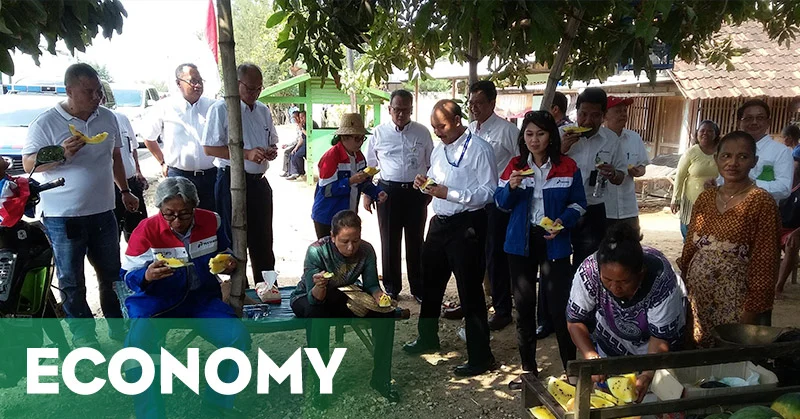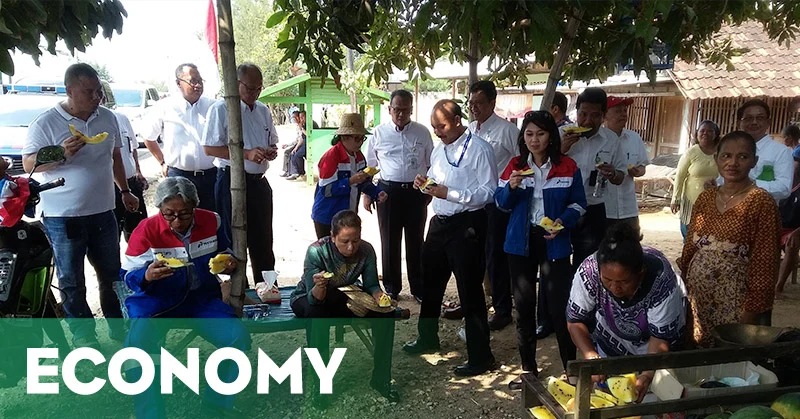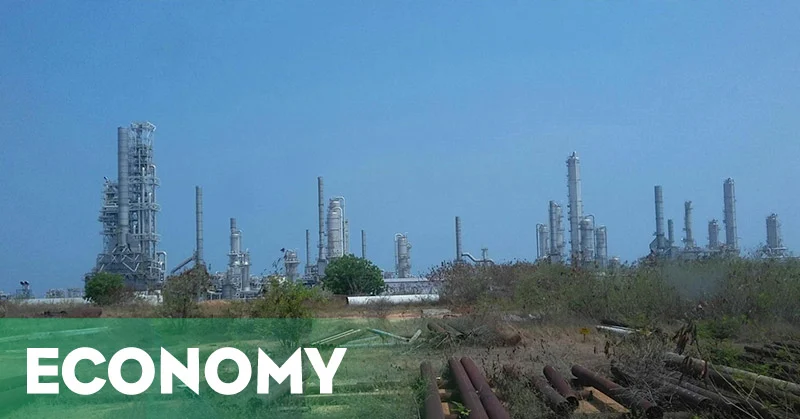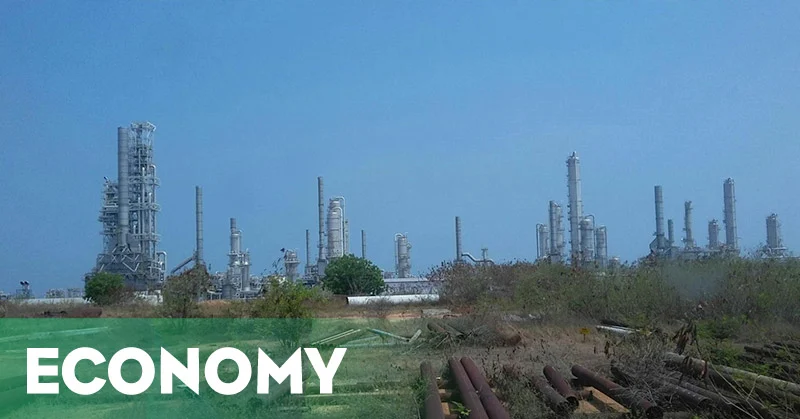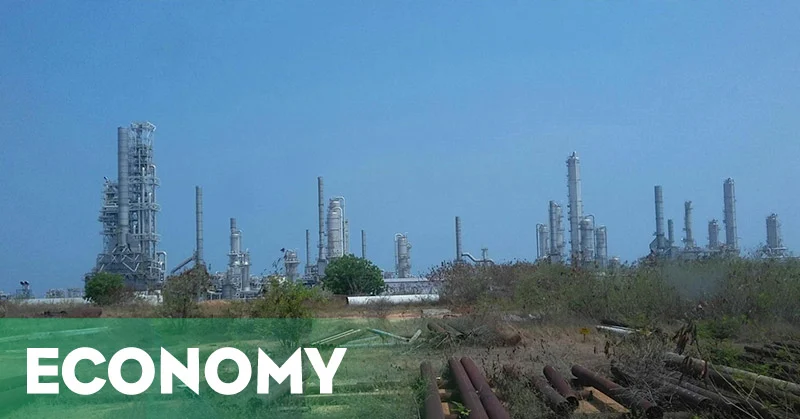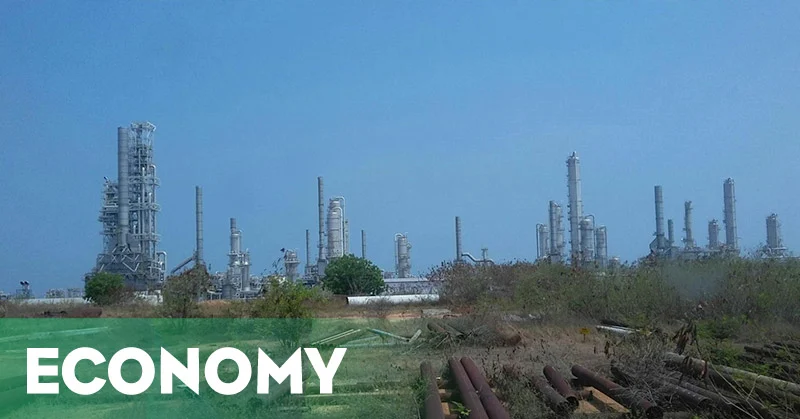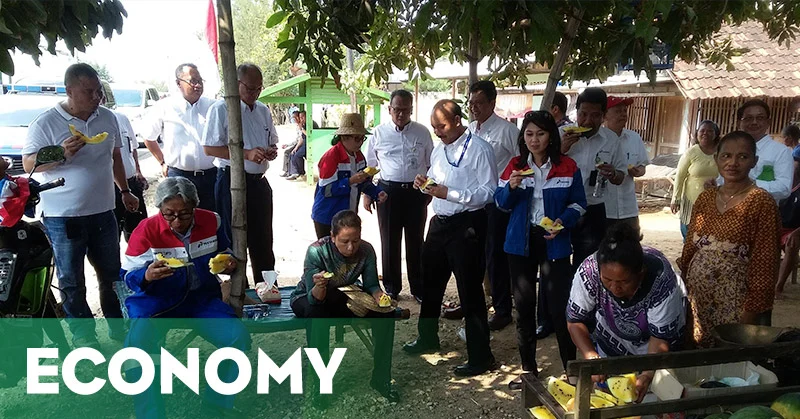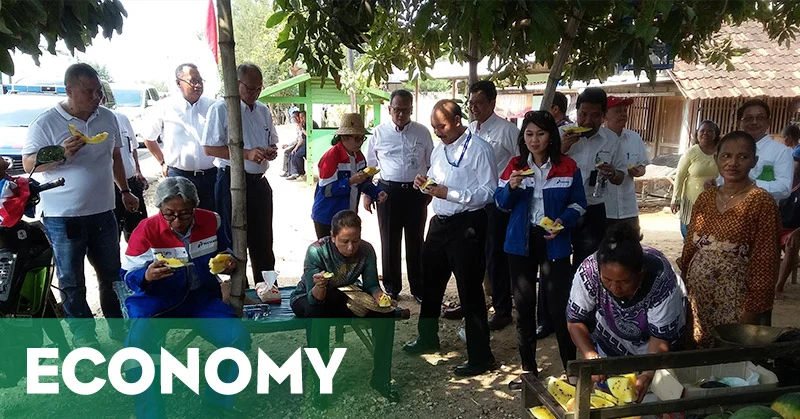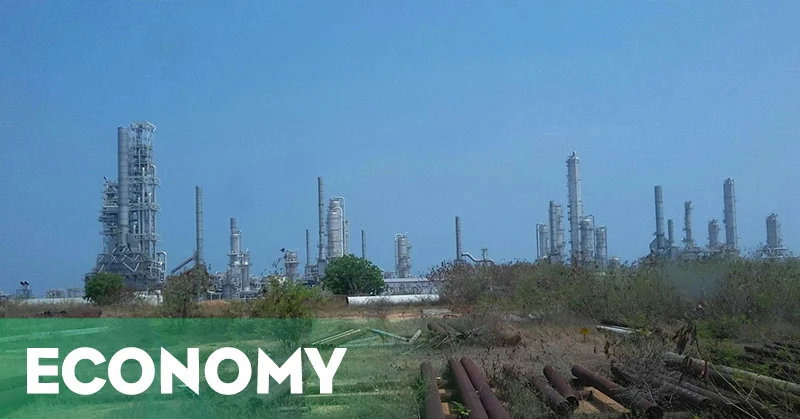
President Joko Widodo conducted a high-profile working visit to inspect the operational facilities of the Trans Pacific Petrochemical Indotama (TPPI) refinery located in Tuban, East Java. The inspection marked a critical milestone for Indonesia’s energy sector, highlighting the strategic return to service of a vital industrial asset previously hobbled by financial complications and prolonged operational stagnation. The revival of the TPPI Tuban refinery has been championed by the government as a cornerstone initiative to reduce the nation’s heavy reliance on imported refined petroleum products and to strengthen domestic energy security.
Accompanying the President on his delegation to the East Java facility were several high-ranking government officials and key figures from the energy sector. These included Minister of State-Owned Enterprises (BUMN) Rini Soemarno, President Director of state-owned oil and gas giant PT Pertamina (Persero) Dwi Soetijpto, and Director General of Oil and Gas at the Ministry of Energy and Mineral Resources IGN Wiratmaja Puja. Their presence underscored the inter-agency coordination required to bring the complex petrochemical and refining facility back under productive state management.
Strategic Significance of the TPPI Tuban Refinery
The resumption of operations at the TPPI Tuban facility represents a major triumph for Indonesia’s downstream oil and gas strategy. For years, the country grappled with a widening deficit in domestic fuel production relative to consumption, forcing state logistics to rely heavily on expensive international imports. The TPPI complex, with its massive processing capacity, was identified by the administration as an underutilized national asset that could dramatically alter the supply equation if properly integrated into the Pertamina operational network.
According to corporate communications from PT Pertamina (Persero), the refinery possesses the scale necessary to profoundly impact national fuel expenditure. Wianda Pusponegoro, who served as the Vice President of Communication for Pertamina at the time, emphasized the immediate quantitative benefits of the reactivation during the presidential briefing at the site.
The revival of this plant is not merely an operational restart; it is a vital structural adjustment for Indonesia’s balance of payments, Pusponegoro noted. The facility is capable of reducing our national imports of Premium-grade gasoline, specifically RON 88, by an estimated 20 percent. With a total production output reaching approximately 61,000 barrels per day, the plant injects a substantial volume of domestically refined product directly into the national supply chain, mitigating our exposure to global oil price volatility and foreign exchange outflows.
Financial Implications and Macroeconomic Savings
The economic rationale underpinning the state’s intervention in the TPPI Tuban facility is rooted in profound fiscal savings. When evaluated against prevailing international crude and refined product benchmarks, the domestic production yields immense cost avoidances for the state budget and the corporate ledger of Pertamina.
Financial analysts and energy economists examining the metrics presented during the presidential inspection pointed to compelling figures. Based on a conservative baseline assumption of international gasoline prices at approximately $60 per barrel, the continuous operation of the Tuban refinery translates to an estimated annual foreign exchange saving of $1.2 billion. In local currency terms, this savings amounts to roughly Rp16 trillion per year.
This massive reduction in import dependency directly eases the pressure on Indonesia’s current account deficit—a historical vulnerability for the national economy. By producing gasoline domestically rather than procuring it from foreign trading hubs, the country retains capital within the domestic financial ecosystem, supports local employment, and stabilizes the operational margins of the state energy enterprise.
Background Context and Historical Challenges of TPPI
To fully understand the weight of President Widodo’s inspection, it is necessary to examine the turbulent history of the TPPI Tuban complex. The development of the facility began with high ambitions to establish a world-class petrochemical and refining hub in East Java, designed to process condensate into vital petrochemical precursors such as aromatics (paraxylene, benzene, orthoxylene, and toluene), alongside finished motor fuels like gasoline and diesel.
However, despite its strategic location and advanced engineering design, the plant was plagued by prolonged financial distress, complex debt restructurings, and ownership disputes that spanned multiple presidential administrations. For years, the facility operated intermittently or remained completely idle, representing a painful paradox: a multi-billion-dollar industrial asset sitting dormant while the nation spent billions of dollars importing the very fuels the plant was engineered to produce.
The turning point came as the administration of President Joko Widodo prioritized national energy sovereignty as a core pillar of its economic agenda. The government directed state institutions to resolve the legal and financial bottlenecks that had paralyzed the plant. Through a coordinated strategy involving the Ministry of State-Owned Enterprises, the Ministry of Energy and Mineral Resources, and creditors, PT Pertamina (Persero) was designated to assume operational control and feedstock supply responsibilities, effectively bringing the troubled asset under the umbrella of state-owned management.

Chronology of the Reactivation Process
The path from a dormant industrial complex to a functioning cornerstone of Indonesia’s fuel supply involved a meticulous, multi-phase operational timeline overseen by Pertamina engineering teams and government regulators.
Initial Assessments and Mandates: Following directives from the executive branch to secure national energy infrastructure, technical audits were conducted on the TPPI facilities to evaluate the integrity of the processing units, storage tanks, marine offloading terminals, and utility systems after periods of inactivity.
Financial and Legal Restructuring: State stakeholders worked to clear outstanding debt obligations and establish a secure corporate governance framework. This allowed Pertamina to integrate TPPI into its supply chain without being encumbered by legacy liabilities.
Feedstock Securitization: Securing a reliable, continuous supply of condensate was the next critical hurdle. Pertamina leveraged its upstream and trading capabilities to ensure that the crude distillation units and reformer units would not face starvation of raw materials.
Initial Startup and Commissioning: Technical teams initiated phased testing of the refining units, gradually increasing throughput from baseline testing levels up to commercial production capacity.
Official Presidential Inspection: The visit by President Joko Widodo and Minister Rini Soemarno served as the formal acknowledgment of successful commercial recommissioning, signaling to the market that the plant was fully integrated into the national petroleum distribution network.
Stakeholder Perspectives and Institutional Coordination
The successful turnaround of the TPPI Tuban refinery highlighted the effectiveness of state-led industrial policy when executed through coordinated ministerial oversight. Ministry of BUMN leadership under Rini Soemarno emphasized that state-owned enterprises must act as agents of development and guardians of national economic security, rather than mere profit-seeking entities.
The involvement of the Directorate General of Oil and Gas ensured that regulatory compliance, safety standards, and environmental protocols were strictly observed during the recommissioning phase. Meanwhile, Pertamina’s executive leadership, spearheaded by figures such as President Director Dwi Soetijpto, focused on technical execution, logistics optimization, and integrating the plant’s output into the national fuel distribution terminals managed by the state oil company.
Industry analysts noted that the project also served as a proving ground for Pertamina’s capability to absorb and rehabilitate distressed industrial assets. The lessons learned from the TPPI restructuring provided a blueprint for subsequent state interventions in other troubled energy and infrastructure projects across the archipelago.
Broader Impact and Implications for Indonesia’s Energy Sector
The ramifications of the TPPI Tuban reactivation extend far beyond immediate fiscal savings and import substitution. The facility acts as a vital bridge between Indonesia’s upstream hydrocarbon extraction and its massive downstream consumption markets.
By stabilizing the supply of RON 88 (Premium gasoline) and other refined products, the refinery helps insulate domestic retail prices from the erratic spikes frequently observed in global petroleum markets. This price stability is crucial for controlling inflation, maintaining purchasing power for millions of consumers, and supporting the operational cost structures of logistics and transportation sectors across the country.
Furthermore, the operational success of the Tuban complex reinforces investor confidence in Indonesia’s downstream sector. It demonstrates that the government possesses the political will and administrative capacity to resolve complex commercial disputes and revive strategic infrastructure assets. As Indonesia continues to pursue broader energy transition goals while managing its immediate reliance on fossil fuels, facilities like TPPI play a vital transitional role in ensuring energy reliability, economic stability, and industrial self-reliance.