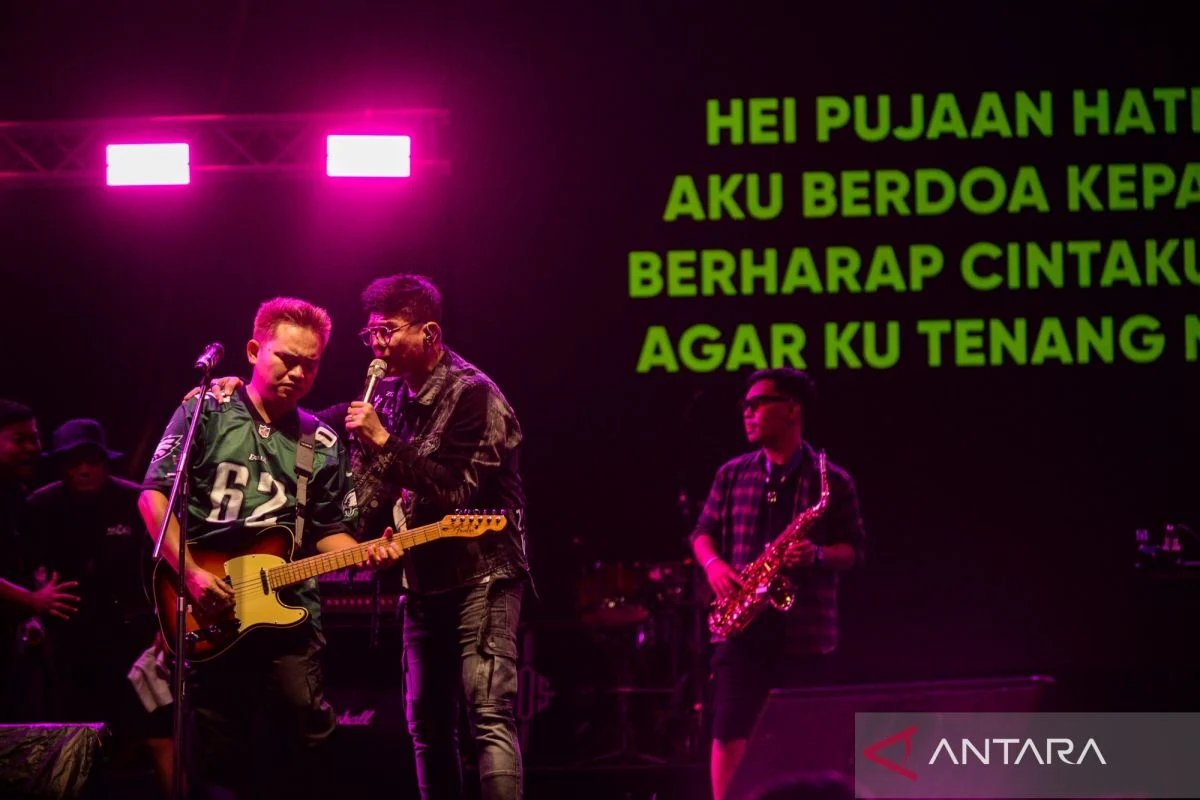
The Indonesian music landscape was shaken to its core on Saturday, September 12, 2026, when Dodhy Hardiyanto, the founding member and lead guitarist of the legendary music group Kangen Band, officially announced the disbandment of the iconic band. Originating from Bandar Lampung, Kangen Band had successfully cemented its legacy as one of the most influential pioneers of the mid-2000s Pop-Malay wave in the archipelago. After traversing more than two decades of soaring highs, turbulent internal dynamics, lineup transformations, and triumphant reunions, the band’s journey has seemingly reached an abrupt and unanticipated halt. The sudden announcement has left fans, industry stakeholders, and even the band’s own frontman scrambling for clarity regarding the future of the group.
The genesis of Kangen Band dates back to July 4, 2005, in Bandar Lampung, the capital city of Lampung province. Founded by guitarist Dodhy Hardiyanto alongside vocalist Andika Mahesa, rhythm guitarist Tama, bassist Bebe, drummer Baim, and keyboardist Izzy, the band began as a grassroots independent project. Long before digital streaming algorithms dictated popularity, Kangen Band built its initial following through relentless local performances, cassette distribution, and a distinct musical identity that blended accessible pop structures with emotive, traditional Malay sonic textures. Their ability to articulate raw, relatable tales of love, betrayal, and longing struck an immediate chord with the Indonesian working-class demographic, rapidly propelling them from local phenomenon to national mainstream prominence.
The watershed moment of their career arrived in 2007 with the release of their debut studio album, titled Tentang Aku, Kau dan Dia. The album served as the foundational bedrock for Kangen Band’s unprecedented commercial success, spawning chart-topping anthems that remain etched in the collective memory of Indonesian music enthusiasts. Tracks such as "Tentang Bintang," "Selingkuh," and "Yolanda" achieved massive radio rotation and commercial viability, transforming the Lampung-born collective into household names. This sudden surge in popularity effectively redefined the Indonesian music industry’s commercial paradigm, proving that Pop-Malay sensibilities could dominate the mainstream market alongside conventional pop and rock genres.
Capitalizing on their explosive debut, Kangen Band entered a golden era of continuous productivity and commercial dominance between 2008 and 2011. During this window, the group maintained an aggressive release schedule, dropping successful albums such as Bintang 14 Hari in 2008 and Pujaan Hati in 2009. These records yielded enduring cultural touchstones, including the ubiquitous tracks "Doy" and "Terbang Bersamamu." These songs not only solidified the band’s chart dominance but also cemented their status as undisputed leaders of the Pop-Malay genre, a movement that heavily influenced the stylistic trajectory of early-2000s Indonesian commercial music.
Despite their soaring popularity, Kangen Band was not immune to internal friction, creative differences, and the pressures of relentless touring. The structural integrity of the band faced its first major crisis in 2012 when iconic frontman Andika Mahesa announced his departure from the group. The exit of the charismatic vocalist forced the remaining members to navigate a transitional phase, experimenting with new vocalists and altering their lineup to sustain their touring and recording schedules. While the band soldiered on through various personnel changes, the absence of Andika’s distinct vocal timbre and stage presence undeniably altered the commercial and emotional resonance of the group, demonstrating how intrinsically tied the band’s identity was to its original core members.
A triumphant chapter in the band’s history unfolded in early 2020 when Andika Mahesa officially returned to the fold. The reconciliation of Andika and Dodhy breathed new life into Kangen Band, triggering a wave of nostalgia-driven enthusiasm among longtime fans who had followed the group since its inception. The reunited lineup embarked on a successful comeback tour, reminding audiences of the enduring appeal of their classic catalog while introducing their timeless melodies to a younger generation of listeners through social media platforms and digital streaming services. This renewed synergy seemed to signal a permanent healing of past wounds, making the subsequent events of late 2026 all the more confounding to observers and supporters alike.
The chronology leading up to the disbandment announcement underscores the sudden and seemingly unprovoked nature of the split. Just four days prior to the public announcement, Andika Mahesa, Dodhy, and the other members of Kangen Band had shared the stage during a high-profile international performance in Hong Kong. According to subsequent statements by the vocalist, the atmosphere during the overseas engagement was entirely normal, devoid of any visible hostility, heated arguments, or indications of an impending organizational collapse. The band members executed their setlist professionally, interacting cordially and leaving no outward impression that their two-decade partnership was hanging by a thread.
The illusion of stability was shattered on September 12, 2026, when Dodhy Hardiyanto took to his verified Instagram account to release an official statement announcing the definitive termination of Kangen Band. Within his statement, Dodhy alluded to deep-seated grievances, citing a sense of "kezaliman" (injustice or oppression) that he claimed had caused him prolonged emotional distress over an unspecified period. Furthermore, in an aggressive protective measure regarding his intellectual property, Dodhy explicitly forbade former bandmates and external event organizers from performing any songs he had personally authored or composed. However, the guitarist conspicuously omitted any concrete details, specific incidents, or transparent explanations regarding the exact nature of the interpersonal conflicts or structural injustices he referenced.
The unilateral nature of the announcement sent immediate shockwaves through the Indonesian entertainment industry, catching even the band’s primary stakeholders off guard. Frontman Andika Mahesa publicly admitted that he learned of the band’s dissolution entirely through social media channels rather than through direct, internal communication. Expressing profound bewilderment, Andika noted that given their harmonious interactions in Hong Kong just days prior, he was utterly in the dark regarding the motivations behind Dodhy’s drastic action. Rather than engaging in a public war of words, Andika stated his intention to exercise restraint, opting to await a direct, face-to-face dialogue with Dodhy and the rest of the personnel to uncover the root causes of the sudden crisis.
The broader implications of Kangen Band’s dissolution extend far beyond the personal dynamics of its members, representing a significant loss for the cultural preservation of Indonesia’s mid-2000s musical heritage. Over twenty years, Kangen Band had successfully transcended its humble origins in Bandar Lampung to become a sociological phenomenon, capturing the sentiments of the Indonesian grassroots demographic through accessible lyricism and melodic simplicity. The disbandment not only halts potential future collaborative projects and anniversary tours but also casts a shadow of legal and administrative uncertainty over their extensive catalog of copyrighted works, particularly given Dodhy’s stringent demands regarding performance rights.
As the Indonesian music community processes the sudden termination of one of its most enduring acts, the immediate future of Kangen Band remains shrouded in ambiguity. Industry analysts note that while bands frequently experience internal fractures after decades of intense collaboration, the specific grievances raised by Dodhy point to unresolved tensions that may prove difficult to mediate. Whether the founding members will ultimately sit down for a constructive reconciliation, or if September 12, 2026, marks the definitive final chapter for Kangen Band, depends entirely on upcoming private negotiations. For millions of loyal fans who grew up listening to their melancholic anthems, the unfolding situation serves as a poignant reminder of the fragile nature of musical partnerships, leaving an entire generation waiting to see if the wounds of the past can once again be healed by the power of song.