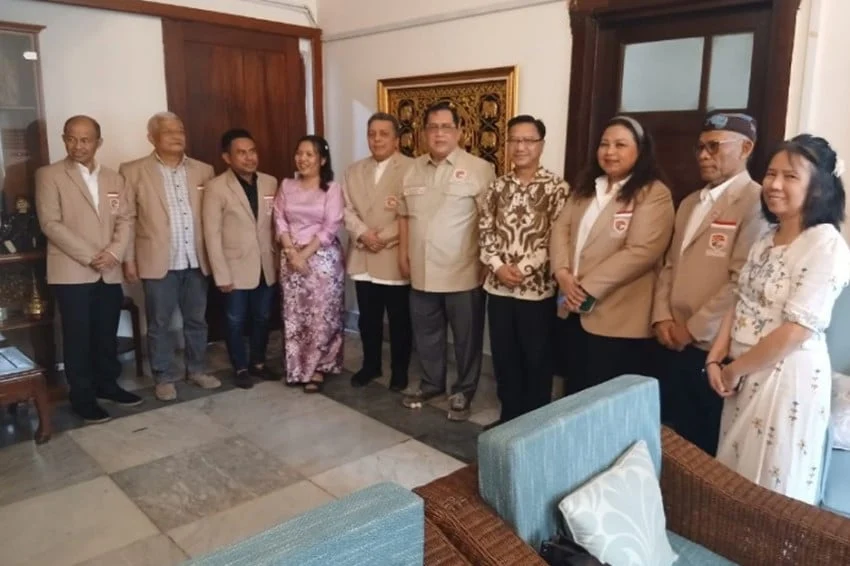
The landscape of regional mini-football continues to expand as Myanmar officially confirmed its participation in the upcoming Asia Mini Football Championship, scheduled to take place in Jakarta in January 2027. The announcement, which marks Myanmar as the thirteenth nation to join the continental tournament, came following a high-level diplomatic engagement between the Komite Sepakbola Mini Indonesia (KSMI) and the Embassy of the Republic of the Union of Myanmar in Jakarta on Tuesday, September 22, 2026. This development underscores the growing strategic importance of mini-football as a vehicle for soft diplomacy and regional integration across Southeast Asia and the wider continent.
Diplomatic Engagement and Formal Confirmation
The confirmation was formalized during a structured diplomatic audience held at the Myanmar Embassy on Jalan H. Agus Salim, Jakarta. Representing the Myanmar government, the Head of Mission, Mang Hau Thang, received a delegation from the KSMI to discuss the logistical and sporting parameters of the 2027 championship. The meeting served as a crucial milestone in the tournament’s preparation, transforming an invitation into a firm commitment from the Myanmar football federation.
Mang Hau Thang was supported by a high-ranking diplomatic team, including Counsellor Shwe Yi Phyo, First Secretary San Nyunt Aung, and Chief of Chancery Htet Htet Aung. The Indonesian delegation, led by KSMI Chairman Yan Mulia Abidin, included key organizational figures such as Tundra Meliala, Moko Pamungkas, Meina Paloh, M. Iksan Tauleka, Dudung Abdul Rachman, and Marino.
During the session, Tundra Meliala, serving as the Deputy Chairman for Media and Technology at KSMI, formally extended the invitation to the Myanmar delegation. The positive reception of this invitation by Mang Hau Thang highlights a mutual interest in utilizing sports to bolster bilateral relations. For Myanmar, the participation offers a platform to showcase its emerging talent in the mini-football sector, while for Indonesia, it signifies a successful expansion of the tournament’s reach, reinforcing Jakarta’s status as a regional hub for international sporting events.
The Evolution of the Asia Mini Football Championship
The Asia Mini Football Championship has evolved significantly since its inception. Mini-football—characterized by smaller pitches, fewer players per side, and faster-paced gameplay—has seen a surge in popularity across Asia due to its accessibility and high intensity. Unlike the traditional 11-a-side format, mini-football lowers the barrier to entry for smaller nations and urban communities, making it an ideal catalyst for widespread sports development.
Following the success of the 2026 edition, which saw ten nations compete in Jakarta, the 2027 tournament is expected to be larger, more competitive, and more logistically complex. The inclusion of Myanmar as the thirteenth team reflects the tournament’s growth trajectory. Organizers have noted that the 2026 event set a benchmark for operational standards, with the Indonesian national team’s successful opening performance acting as a significant morale booster for the local sports community.
The transition from a ten-nation format to a thirteen-nation (and counting) roster indicates that the Asia Mini Football Championship is rapidly becoming the premier competition of its kind in the region. This growth is supported by a robust framework of partnerships between the KSMI and participating national football associations, aimed at standardizing regulations and improving the quality of play across the continent.
Strategic Implications and Regional Impact
The decision of Myanmar to participate carries implications that extend beyond the football pitch. Sports diplomacy has long been utilized by ASEAN nations to foster closer ties, and the Asia Mini Football Championship serves as a modern iteration of this tradition. By facilitating the movement of players, coaches, and staff between nations, the tournament encourages a cross-pollination of professional standards and cultural exchange.
Economically, the tournament is expected to provide a stimulus to the local Jakarta sports tourism sector. With thirteen nations already confirmed, the influx of delegations, media personnel, and supporters in January 2027 will necessitate significant coordination in hospitality, security, and transport. KSMI has emphasized that the competition is designed not merely as a trophy hunt, but as a "bridge" to connect communities, clubs, and grass-roots organizers.
From a sporting perspective, the diversity of the participating nations—ranging from Southeast Asian neighbors to countries from Central and East Asia—presents a unique competitive challenge. Each nation brings a different tactical approach to the game. For the Indonesian team, playing against a wider array of styles is essential for technical development. The inclusion of teams like Myanmar ensures that the tournament remains unpredictable, enhancing the commercial appeal for sponsors and broadcasters.
Timeline and Operational Roadmap
The timeline leading up to the January 2027 event is rigorous. Following the formal confirmation of participating nations, the KSMI is moving into the technical planning phase. This includes:
- Q4 2026: Finalization of the tournament draw and group stage allocations.
- November 2026: Inspection of venues and confirmation of training facilities in Jakarta.
- December 2026: Publication of the final schedule and ticketing information.
- January 2027: Official commencement of the Asia Mini Football Championship.
The role of the KSMI as the primary organizer has been critical in maintaining momentum. By engaging directly with foreign embassies in Jakarta, the committee has effectively streamlined the administrative processes required for international sports travel. This proactive diplomatic approach ensures that logistical hurdles, such as visa facilitation and local movement, are managed well in advance, minimizing the risk of last-minute withdrawals.
Analyzing the Growth of Mini-Football in Asia
The rapid expansion of the sport can be attributed to several factors. First, the infrastructure requirements for mini-football are significantly lower than those for traditional stadium-based football, allowing urban centers to host matches in existing community hubs. Second, the shorter match duration and higher frequency of goals appeal to a younger demographic, driving engagement on digital and social media platforms.
KSMI’s focus on "Media and Technology" reflects an understanding of the modern sports landscape. By leveraging digital platforms, the committee aims to broadcast the championship to a global audience, thereby increasing the market value of the sport. The involvement of figures like Tundra Meliala, who oversees this division, suggests that the 2027 tournament will feature enhanced digital coverage, including real-time statistics and expanded streaming options for international viewers.
Furthermore, the collaboration with foreign embassies provides a level of institutional support that is often absent in smaller sports leagues. By integrating the championship into the diplomatic calendar, the KSMI ensures that the event receives the necessary political backing and security attention, which is vital for a high-profile international tournament.
Future Prospects and Sustainability
As the tournament approaches, the focus will shift toward the development of sustainable sporting pathways. KSMI has indicated that the long-term goal is to establish a permanent professional league structure that transcends the annual championship. The participation of nations like Myanmar serves as a pilot for this integration, testing the feasibility of cross-border mini-football leagues.
The challenges remain significant, particularly regarding funding and long-term player development. However, the interest shown by thirteen nations demonstrates that there is a strong appetite for this format of the game. The 2027 Asia Mini Football Championship will serve as a definitive test of the region’s commitment to this sport.
As Jakarta prepares to host the event, the emphasis remains on fostering a competitive yet inclusive environment. The synergy between the KSMI and the embassies of participating countries serves as a model for how sports organizations can drive regional cooperation. With Myanmar’s inclusion, the stage is set for a historic tournament that will likely define the trajectory of mini-football in Asia for years to come.
The success of the 2026 edition provided the momentum, but the 2027 edition will provide the scale. As more nations finalize their participation, the organizational requirements will grow, but the potential rewards—both for the sport of football and for regional diplomatic ties—are substantial. For now, all eyes are on Jakarta, as the city gears up to welcome the best of Asian mini-football in the early months of 2027. The continued partnership between international bodies and the host committee will remain the cornerstone of this ambitious sporting endeavor, ensuring that the Asia Mini Football Championship remains a flagship event for years to follow.