The diplomatic and sporting ties between Indonesia and Myanmar reached a new milestone this week as the Myanmar Embassy in Jakarta officially confirmed the nation’s participation in the upcoming Asia Mini Football Championship. Scheduled to be held in Jakarta in January 2027, the tournament is poised to be one of the most significant gatherings of mini-football talent in the region. With this confirmation, Myanmar becomes the 13th country to commit to the championship, signaling a robust expansion of the competition’s reach and a growing interest in the niche but rapidly evolving sport of mini-soccer.
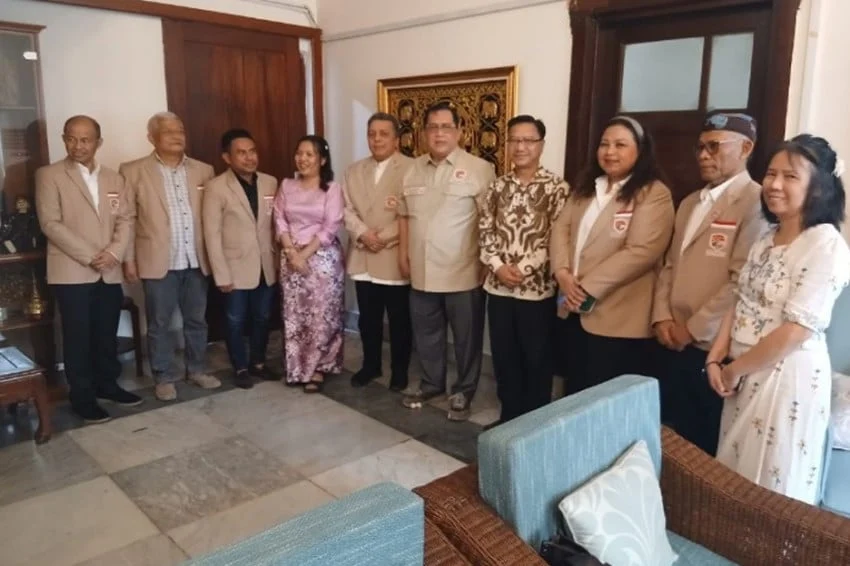
The announcement was finalized during a formal diplomatic visit on Tuesday, September 22, 2026, at the Embassy of the Republic of the Union of Myanmar, located on Jalan H. Agus Salim, Jakarta. The meeting served as a pivotal moment for the Komite Sepakbola Mini Indonesia (KSMI), which has been spearheading the organizational efforts to ensure that the 2027 edition of the tournament sets a new benchmark for excellence in Asian football administration and infrastructure.
A Strategic Diplomatic Engagement
The meeting between the Myanmar diplomatic mission and the KSMI delegation was marked by a spirit of mutual cooperation. Representing the Myanmar government, Head of Mission Mang Hau Thang underscored the importance of regional collaboration through sports. He was joined by a high-level diplomatic team, including Counsellor Shwe Yi Phyo, First Secretary San Nyunt Aung, and Chief of Chancery Htet Htet Aung, reflecting the seriousness with which Myanmar views its participation in the continental competition.
The KSMI delegation, led by General Chairman Yan Mulia Abidin, included a diverse group of organizational leaders, namely Tundra Meliala, Moko Pamungkas, Meina Paloh, M. Iksan Tauleka, Dudung Abdul Rachman, and Marino. The dialogue focused not only on the logistics of the tournament but also on the long-term potential for cultural and athletic exchange between Indonesia and Myanmar.
Tundra Meliala, who serves as the Vice Chairman for Media and Technology at KSMI, played a key role in extending the formal invitation. His pitch to the embassy emphasized that the Asia Mini Football Championship is designed to be more than a mere competitive event; it is a catalyst for creating a sustainable ecosystem for mini-football in Asia. The positive reception from Mang Hau Thang suggests that Myanmar is eager to leverage this platform to elevate the profile of its national players and integrate its football community into the broader Asian network.
The Evolution of the Asia Mini Football Championship
The Asia Mini Football Championship has evolved significantly since its inception. While standard football remains the dominant sport in the region, the "mini-soccer" format—typically played on smaller pitches with fewer players and specific rules designed for high-intensity, technical play—has seen a surge in popularity. This growth is driven by the format’s accessibility, lower barrier to entry, and high-scoring nature, which appeals to both urban youth and professional developmental programs.
The 2027 tournament in Jakarta represents a crucial juncture for the sport. Following the successful staging of the 2026 championship, which saw 10 nations compete and brought significant attention to the Indonesian football landscape, the expansion to at least 13 participating nations for 2027 demonstrates a clear upward trajectory in interest. The inclusion of Myanmar adds a strategic Southeast Asian partner to the fold, increasing the competitive depth of the tournament and providing a platform for regional rivals to test their mettle in a high-stakes environment.
Understanding the Sport: Mini Football and its Regional Impact
Mini-football, often governed by international standards that differ from traditional FIFA-regulated matches, is characterized by its emphasis on individual skill, rapid ball movement, and tactical versatility. In the context of Asian sports, these championships act as a vital scouting ground. Players who excel in these environments often bridge the gap between amateur leagues and professional traditional football, making the tournament a vital piece of the regional talent pipeline.
For Indonesia, hosting this tournament is part of a broader national strategy to establish the country as a hub for regional sports events. By fostering relationships with embassies and international sporting bodies, KSMI is building the infrastructure necessary to host high-level events that attract tourism, investment, and media attention.
Fact-Based Analysis of the 2027 Tournament Implications
The participation of 13 nations is a significant milestone for the tournament organizers. From a logistical standpoint, the expansion requires increased infrastructure, including specialized pitch facilities, broadcast capabilities, and international hospitality standards.
- Economic Impact: Hosting such a tournament in Jakarta provides a localized boost to the hospitality and service sectors. With delegations from 13 countries expected to arrive in January 2027, the demand for logistics, accommodation, and event management services will be substantial.
- Diplomatic Soft Power: As evidenced by the visit to the Myanmar Embassy, these sporting events serve as a vehicle for "sports diplomacy." The ability to convene delegates from various nations in a neutral, competitive setting strengthens bilateral ties and promotes cultural exchange, which is often difficult to achieve through traditional political channels.
- Developmental Benchmarks: For participating nations, the championship offers a standardized yardstick to measure the progress of their respective mini-football leagues. It allows for the sharing of best practices in coaching, refereeing, and sports science, which can be exported back to domestic leagues in each participating country.
Looking Ahead: The Roadmap to January 2027
The timeline leading up to January 2027 is dense with organizational requirements. Following the confirmation of Myanmar’s participation, the KSMI is expected to shift its focus toward finalizing the draw for the group stages and coordinating with the municipal authorities in Jakarta to ensure the availability of state-of-the-art facilities.
The success of the 2026 championship, which featured a strong performance by the Indonesian national team and a healthy turnout of competing nations, has provided a successful proof-of-concept. However, scaling the event to accommodate more teams requires a more complex management structure. The ongoing dialogues with embassies suggest that KSMI is prioritizing international cooperation to navigate these complexities.
As the months progress, the public can expect further announcements regarding sponsors, media broadcasting rights, and the specific venues selected for the matches. The involvement of technology experts within the KSMI, as indicated by the presence of Tundra Meliala, also suggests that the 2027 tournament will likely integrate more advanced digital engagement tools, such as real-time match analytics and interactive broadcasting, to reach a global audience.
The Role of International Collaboration
The collaboration between the KSMI and the Embassy of Myanmar is indicative of the "all-hands-on-deck" approach required to elevate mini-football to the level of professional sports. In many Asian nations, mini-football is still transitioning from an informal recreational activity to a structured, federated sport. By engaging with diplomatic missions, the KSMI is effectively legitimizing the sport, granting it the institutional backing necessary to attract corporate sponsorship and government support.
This collaborative model is likely to be replicated with other nations in the coming months as the committee seeks to fill the remaining slots in the tournament bracket. The objective is not just to reach a high number of participants, but to ensure that the nations involved are committed to the long-term development of the sport.
Conclusion: A New Era for Regional Football
The confirmation of Myanmar’s participation in the 2027 Asia Mini Football Championship is a testament to the growing appeal of the format and the efficacy of the KSMI’s outreach efforts. As Jakarta prepares to host this international event, the focus remains on ensuring that the competition serves as a springboard for regional unity and athletic excellence.
For the participants, the stakes are high, but the potential rewards—in terms of national prestige, player development, and the growth of the sport—are even higher. As the calendar edges closer to January 2027, the eyes of the Asian football community will be firmly fixed on Indonesia. With 13 nations already in the fold and more expected to join, the upcoming championship promises to be a defining moment for the future of mini-football in the region, bridging gaps between nations and fostering a new generation of talent on the pitch.
The diplomatic foundation laid this week in Jakarta serves as a reminder that even in the rapidly changing world of modern sports, the oldest forms of cooperation—face-to-face dialogue and shared goals—remain the most effective way to drive progress. The KSMI and the Embassy of Myanmar have set a positive precedent for the months of preparation ahead, ensuring that when the whistle blows in January 2027, the event will stand as a beacon of regional cooperation and high-level athletic performance.