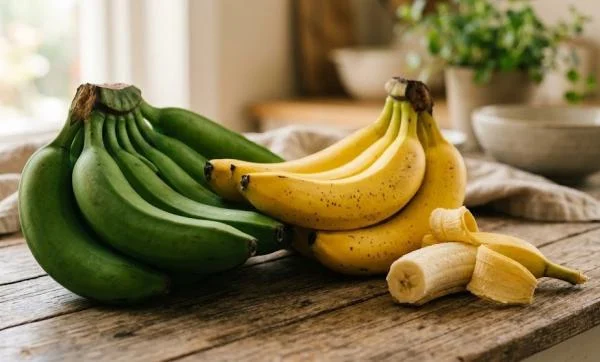
JAKARTA — Bananas remain one of the most popular and practical fruits consumed worldwide, frequently chosen as a quick, portable snack for people on the go. However, recent nutritional insights highlight a fascinating biochemical transformation that occurs as the fruit ripens. Far beyond a mere change in color, texture, and flavor, the level of maturity in a banana directly dictates its nutritional profile, specifically altering its sugar content, fiber composition, and overall glycemic impact on the human body.
Understanding these physiological shifts is crucial, particularly for individuals managing metabolic conditions such as diabetes or those looking to optimize their daily macronutrient intake. From firm, green-skinned bananas to soft, brown-spotted varieties, each stage of the ripening process offers distinct health benefits and drawbacks.
The Chemical Journey: From Starch to Sugar
The transformation of a banana from a starchy, firm vegetable-like state to a sweet, soft fruit is governed by complex botanical chemistry. When bananas are harvested, they are typically green, firm, and contain very high levels of complex carbohydrates known as starch. As the fruit sits post-harvest, it begins to produce and release ethylene gas, a natural plant hormone that triggers the ripening process.
Under the influence of ethylene, enzymes within the fruit—most notably amylase—begin breaking down the complex starches into simpler carbohydrates, primarily monosaccharides and disaccharides such as fructose, glucose, and sucrose. This enzymatic conversion is the underlying reason why a green banana tastes somewhat bitter, astringent, and starchy, while a fully ripe banana yields a significantly sweeter flavor profile and a softer, creamier texture.
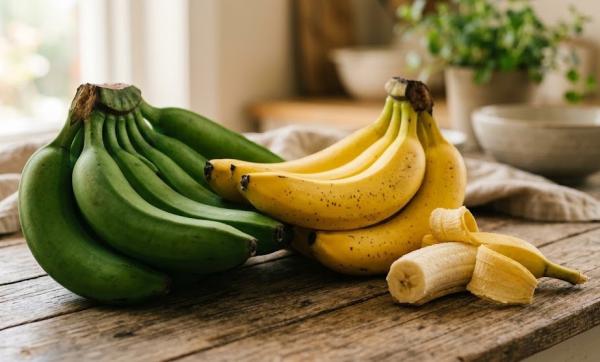
Comparative Nutritional Breakdown: Green Versus Ripe
The biochemical conversion of starch to sugar dramatically alters the nutritional metrics of the fruit. Nutritional data indicates a stark contrast in sugar concentrations depending on how long a banana has been allowed to mature.
In unripe, green bananas, the sugar content is remarkably low. Per 100 grams of edible fruit, an unripe banana contains approximately 3.2 grams of sugar. At this stage, the majority of the carbohydrate content—up to 70 to 80 percent—is composed of starch. A significant portion of this starch is classified as "resistant starch." Resistant starch functions similarly to soluble dietary fiber; it resists digestion in the small intestine, passes into the large intestine largely intact, and acts as a prebiotic by feeding beneficial gut microbiota.
Conversely, as the banana matures and develops yellow skin punctuated by brown spots, the sugar content climbs exponentially. In a fully ripe or overripe banana, the sugar content surges to between 12 and 13 grams per 100 grams of fruit. Simultaneously, the resistant starch content diminishes sharply, having been converted into free sugars.
Impact on Blood Sugar and Glycemic Index
The fluctuation in starch and sugar content directly influences the glycemic index (GI) of the fruit, which measures how rapidly a food raises blood glucose levels.

Unripe, green bananas possess a low glycemic index, typically ranging from 30 to 40. Because the body must expend more energy breaking down the resistant starches and complex carbohydrates, the glucose is released into the bloodstream slowly and steadily. This makes green bananas a favorable option for individuals with insulin resistance, prediabetes, or type 2 diabetes, as they prevent sudden glucose spikes.
On the other hand, ripe and overripe bananas feature a moderate to high glycemic index, often scaling up to 60 or higher. Because the sugars are already in simple forms that require minimal digestive effort, they are rapidly absorbed into the bloodstream. While this provides an immediate burst of energy—making ripe bananas an ideal pre- or post-workout snack for endurance athletes—it can pose challenges for individuals who must strictly monitor their glycemic stability throughout the day.
Nutritional Advantages Across All Stages of Maturity
Nutritionists and dietitians emphasize that neither green nor ripe bananas are inherently "bad"; rather, they serve different dietary needs depending on an individual’s health objectives.
Green Bananas: The Fiber and Gut Health Champions
For those prioritizing digestive health, weight management, and blood sugar control, green or semi-ripe bananas offer distinct advantages. The high concentration of resistant starch promotes satiety, helping individuals feel full for longer periods, which can aid in caloric restriction and weight loss efforts. Furthermore, the prebiotic properties of resistant starch support a healthy gastrointestinal tract by encouraging the proliferation of short-chain fatty acids, which maintain colon health and reduce systemic inflammation.
Ripe Bananas: The Digestibility and Energy Boosters
As bananas ripen and their starches convert to simple sugars, they become significantly easier to digest. Individuals with sensitive stomachs, irritable bowel syndrome (Ipv), or temporary gastrointestinal distress often find ripe bananas much gentler on their digestive tracts than firm, green ones. The complex chemical breakdown means the digestive system does not have to work as hard to process the fruit, making it a staple food for recovering patients, infants transitioning to solid foods, and athletes requiring fast-acting carbohydrates.

Micronutrient Stability and Antioxidant Evolution
While carbohydrates undergo major shifts during the ripening process, other essential micronutrients remain relatively stable or even improve. Bananas at all stages of maturity are exceptional sources of potassium, an essential electrolyte that regulates fluid balance, nerve signals, and muscle contractions, particularly heart function. They also provide substantial amounts of vitamin B6, vitamin C, and magnesium.
Interestingly, as the peel develops brown spots—often referred to as sugar spots—the antioxidant content of the fruit changes. Research indicates that fully ripe bananas produce higher levels of antioxidants compared to their green counterparts. The breakdown of chlorophyll as the fruit ages leads to the formation of new antioxidant compounds, which help neutralize free radicals and reduce oxidative stress within the body.
Broader Dietary Implications and Recommendations
As consumer awareness regarding nutrition deepens, dietary guidelines increasingly encourage mindful consumption tailored to personal health profiles. Health professionals recommend that individuals seeking sustained energy and stable blood glucose levels opt for bananas that are firm and tinged with green. Conversely, those in need of quick digestive recovery or rapid glycogen replenishment can safely enjoy fully yellow or spotted bananas.
Ultimately, the humble banana remains a remarkably versatile component of a balanced diet. By understanding how the natural ripening process alters its chemical composition, consumers can make informed, health-conscious choices that best support their unique nutritional requirements and wellness goals.