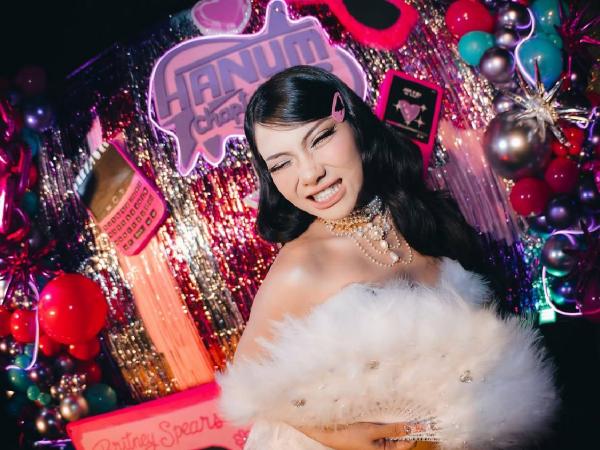
Popular Indonesian influencer Hanum Mega has found herself at the center of a widespread public debate following her lavish birthday celebration held at the iconic Gelora Bung Karno (GBK) Main Stadium complex in Jakarta on Sunday, September 20, 2026. The extravagant event, characterized by grand decorations, extensive production setups, and a large guest list, quickly drew heavy criticism from netizens across various social media platforms. Critics accused the digital creator of being tone-deaf, arguing that hosting such a high-budget celebration is insensitive amid current economic uncertainties and financial pressures faced by many everyday citizens.
The backlash escalated rapidly online, with numerous users questioning the necessity of such public displays of wealth, particularly in a prominent national public space. However, Hanum Mega did not remain silent in the face of the mounting public scrutiny. Defending her decision to host the large-scale celebration, the influencer pushed back against her critics by emphasizing the significant economic ripple effect generated by the event. According to Hanum, the birthday party was not merely a self-indulgent gathering, but a commercial engine that provided financial opportunities for dozens of local businesses, small-to-medium enterprises (SMEs), and independent workers within the event production sector.
The Chronology of the Event and the Immediate Backlash
The controversy began unfolding on Sunday, September 20, 2026, when Hanum Mega hosted her milestone birthday party at an open area surrounding the Stadion Utama Gelora Bung Karno in Jakarta. As photos and videos of the elaborate setup began circulating on Instagram, TikTok, and X (formerly Twitter), public reactions quickly polarized. While some followers sent warm birthday wishes and praised the aesthetic execution of the party, a significant segment of the online community expressed disapproval.
Critics pointed out that holding a high-profile, expensive celebration in the current economic climate demonstrates a lack of empathy toward the broader public, many of whom are grappling with rising living costs, inflation, and employment challenges. The phrase tone-deaf quickly trended in relation to her name, as users debated the ethics of ostentatious displays of wealth by public figures who wield considerable influence over impressionable audiences.
The debate touched upon a broader cultural conversation regarding the social responsibility of influencers. In recent years, public figures in Indonesia have frequently faced scrutiny over their lifestyle choices, with audiences increasingly demanding greater awareness of socioeconomic disparities. The decision to utilize a major national landmark like the GBK complex further amplified the visibility of the event, drawing eyes not just from her dedicated follower base, but from the general public and urban commentators as well.
Hanum Mega’s Response and the Defense of Local Vendors
Addressing the criticism directly on Tuesday, September 22, 2026, Hanum Mega launched a sharp defense of her celebration, shifting the narrative from personal luxury to economic contribution. She revealed that the realization of her birthday party required the collaborative efforts of more than 50 distinct vendors, ranging from event organizers and caterers to decoration specialists, technical crew members, and creative workers.
In a strongly worded statement shared with her audience, Hanum highlighted the livelihoods dependent on large-scale events of this nature. "I made an event like this, more than 50 vendors participated in the event that I created," Hanum stated, defending the legitimacy of her expenditure. She further dismissed the simplistic framing of her party as mere wastefulness, adding, "No need to explain what they got, your brain won’t reach to process it. No need to hide behind the words ‘in this economy’."

To substantiate her claims, Hanum subsequently published a comprehensive list of the vendors and partners involved in executing the birthday celebration. By transparently sharing the network of businesses that contributed to the event, she aimed to demonstrate that the funds spent on the party were directly injected into the local creative and service economy, providing paid work to dozens of suppliers and independent contractors rather than serving as an isolated luxury expense.
Broader Economic Implications: The Event Industry Perspective
Hanum Mega’s defense brings to light a complex economic dynamic often overlooked in debates surrounding influencer culture: the symbiotic relationship between high-profile public figures and the events industry. Indonesia’s creative economy, particularly the wedding, party, and corporate event sectors, relies heavily on continuous spending to sustain the livelihoods of thousands of small business owners and freelance workers.
Industry analysts note that large-scale private events serve as crucial revenue streams for vendors who struggled significantly during the economic downturns of recent years. When public figures commission elaborate productions, the financial expenditure filters down through a vast supply chain. This includes floral designers, lighting technicians, sound engineers, catering staff, logistics providers, and digital documentation teams.
From an economic multiplier perspective, every rupiah spent on production and event services contributes to the operational continuity of these micro, small, and medium enterprises (MSMEs). Proponents of this view argue that private spending by affluent individuals acts as a form of economic stimulus for the creative sector, keeping specialized talent employed and fostering business growth within local supply chains.

The Evolving Ethics of Influencer Culture in Indonesia
Despite the economic arguments presented by Hanum and her supporters, the incident underscores a persistent tension within modern influencer culture. As digital creators attain higher socioeconomic status through brand partnerships, endorsements, and monetization, the gap between their lifestyles and those of their average followers widens. This disparity frequently creates fertile ground for public friction.
Communication and cultural observers note that contemporary audiences evaluate public figures not only through the lens of entertainment and aspiration, but increasingly through expectations of social solidarity and emotional intelligence. When a public display of wealth collides with public anxieties regarding economic stability, the risk of reputational backlash rises significantly.
The controversy surrounding Hanum Mega’s birthday party serves as a case study in the challenges of public relations management for digital celebrities. It highlights the fine line influencers must navigate between celebrating personal milestones and remaining cognizant of the sociopolitical climate in which their audiences live. While Hanum chose to confront the criticism head-on by emphasizing her support for local vendors, the debate reflects a broader, ongoing dialogue in Indonesia regarding wealth visibility, social responsibility, and the responsibilities of those who command massive online platforms.