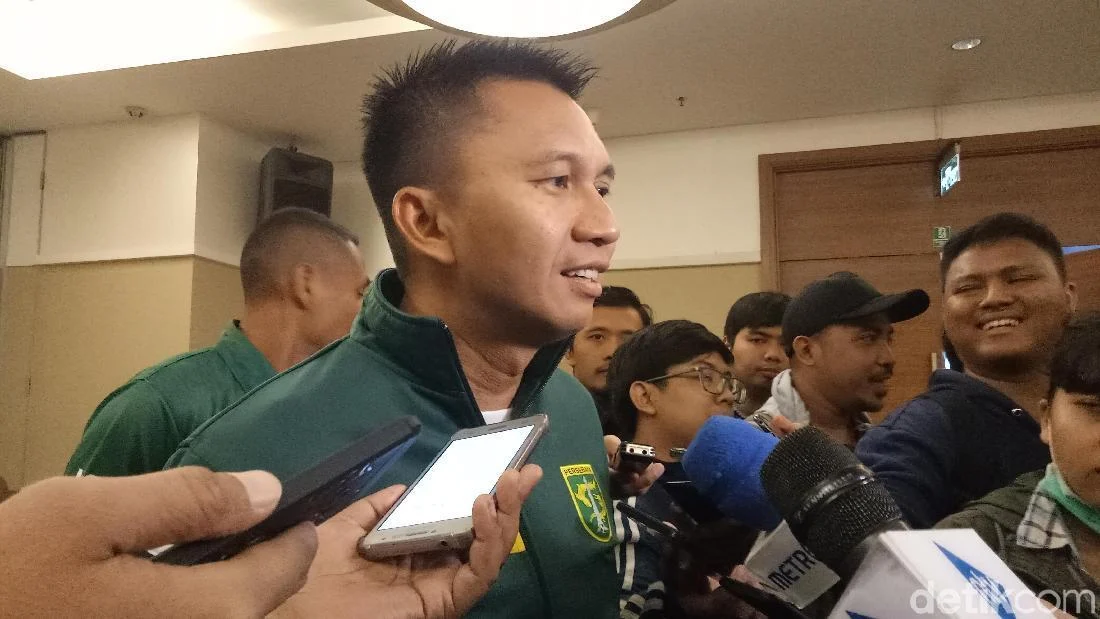
The atmosphere surrounding Persebaya Surabaya has reached a boiling point as the club navigates a turbulent start to the 2026/2027 Super League season. Despite mounting pressure from the club’s fervent fanbase—collectively known as Bonek—demanding the immediate termination of head coach Bernardo Tavares, CEO Azrul Ananda has taken a defiant stance. He has publicly rejected calls for a coaching change, emphasizing that stability is paramount to the club’s long-term sustainability. This standoff highlights a deepening rift between the club’s management and its supporters, raising critical questions about the influence of fan culture on professional football governance in Indonesia.
The Current State of the Green Force
Persebaya Surabaya currently finds itself in eighth place after nine matches in the 2026/2027 Super League campaign. With a record of three wins, four draws, and two losses, the team has accumulated 13 points. While the performance has been far from dominant, the statistical reality of the league remains tight; the Green Force currently sits only eight points adrift of the league leaders. With more than 20 matches remaining in the season, the mathematical possibility of a title charge remains alive.
However, the expectations placed upon the club this year were significantly higher. Coming off a fourth-place finish in the 2025/2026 season and bolstered by a strategic influx of new talent, Persebaya entered the current campaign as one of the primary favorites for the championship. This optimism was further solidified by their triumph in the 2026 Piala Presiden, a preseason tournament that suggested Tavares had successfully integrated his tactical philosophy. The recent stagnation has therefore felt particularly jarring to the supporters, who have taken to social media to voice their frustration, viewing the current results as a failure of leadership and tactical preparation.
A History of Tactical Instability
The current demand for Tavares’ departure is not an isolated incident but rather reflective of a recurring pattern within the club’s recent history. Over the past decade, Persebaya has frequently resorted to the mid-season dismissal of head coaches when results have failed to meet expectations. Notable figures such as Alfredo Vera, Djadjang Nurdjaman, and Aji Santoso were all relieved of their duties before the completion of their respective contracts.
This historical trend has fostered an environment where supporters feel empowered to influence personnel decisions. However, management now appears to be actively resisting this cycle. By retaining Tavares, Azrul Ananda is signaling a shift toward a more patient approach, arguing that the constant turnover of technical staff is detrimental to the club’s institutional stability.
The Economic Realities of Modern Football
In a formal release addressing the unrest, Azrul Ananda provided a candid breakdown of the club’s financial model, specifically addressing the role of ticket revenue. Contrary to popular belief, Ananda noted that matchday income is no longer the primary driver of club sustainability.
"During our team launching event at the Surabaya City Hall, I explained the exact proportion of supporter funding in our club budget," Ananda stated. "Even if the stadium is at full capacity, the revenue from tickets accounts for a maximum of 20 percent of the total team budget."
Ananda’s statement serves as a critique of the traditional reliance on gate receipts, a model that has become increasingly fragile in the post-pandemic era of Indonesian football. He argued that the modern professional club must prioritize diversified income streams, such as commercial sponsorships, broadcasting rights, and digital engagement, rather than depending on the unpredictable and often volatile matchday crowd.
Furthermore, Ananda offered a provocative assessment of the "twelfth man" concept. "In the current era, a team can actually be safer without relying solely on the presence of spectators, as the advantage of home support is no longer the defining factor it once was. This is especially true when the supporters act in a way that disrupts the team, inadvertently helping the opposition by undermining the peace and longevity of the club," he added.
The Social Media Battlefield
The rise of digital platforms has fundamentally changed the relationship between Persebaya’s management and its base. The speed at which rumors spread and campaigns are organized on platforms like X (formerly Twitter) and Instagram has made it nearly impossible for club management to ignore the collective voice of the fans.
However, Ananda remains critical of how these platforms are utilized. He suggests that the agitation for firing coaches is often driven by a minority seeking validation and influence rather than a genuine concern for the club’s technical progress. "I have said this before, and I will say it again: the only thing that can truly destroy Persebaya is its own supporters," Ananda remarked. "It is a question of whether the supporters are wise enough to understand the situation, or if they are merely groups seeking recognition and existence. What really needs to be saved—the club or the vanity of the supporters?"
Analytical Perspective: Implications for the Club
The standoff between the Persebaya board and its supporters presents a significant test for the club’s future. From a management perspective, the decision to retain Tavares is an attempt to cultivate a long-term project. Frequent managerial changes often lead to a lack of tactical consistency and a fragmented squad culture. By resisting the urge to fire the coach, Ananda is attempting to protect the investment made in the current technical staff and maintain continuity.
However, the risk of this strategy is the potential for a toxic environment. If the friction between the terraces and the front office continues to escalate, it could affect player morale and performance on the pitch. Professional footballers often struggle to perform under intense public scrutiny, particularly when the club’s own supporters are openly hostile toward the coaching staff.
Furthermore, the data suggests that while Persebaya is currently underperforming, the gap to the top is not insurmountable. The league is in a transitional phase, and the parity among the top ten teams means that a short winning streak could drastically alter the club’s standing. Whether Tavares can extract this performance from his squad remains to be seen.
The Path Forward
As the 2026/2027 season progresses, all eyes will be on the upcoming fixtures. For Persebaya to regain its momentum, the team must demonstrate clear tactical improvements that can satisfy the skeptical fanbase without forcing the management to abandon its policy of stability.
The situation in Surabaya serves as a microcosm for the broader challenges facing Indonesian football. As the league continues to professionalize, the tension between the passionate, traditionalist culture of local fans and the cold, commercial requirements of modern club management will likely continue to surface.
For now, the message from the top is clear: Azrul Ananda is willing to bear the brunt of public criticism if it means preventing a return to the "revolving door" coaching policy of the past. Whether this gamble on patience will yield a championship or further exacerbate the divide remains one of the most compelling narratives of the current football season. The club’s management has staked its reputation on the belief that institutional stability is the prerequisite for success, and they are prepared to weather the storm to prove it.