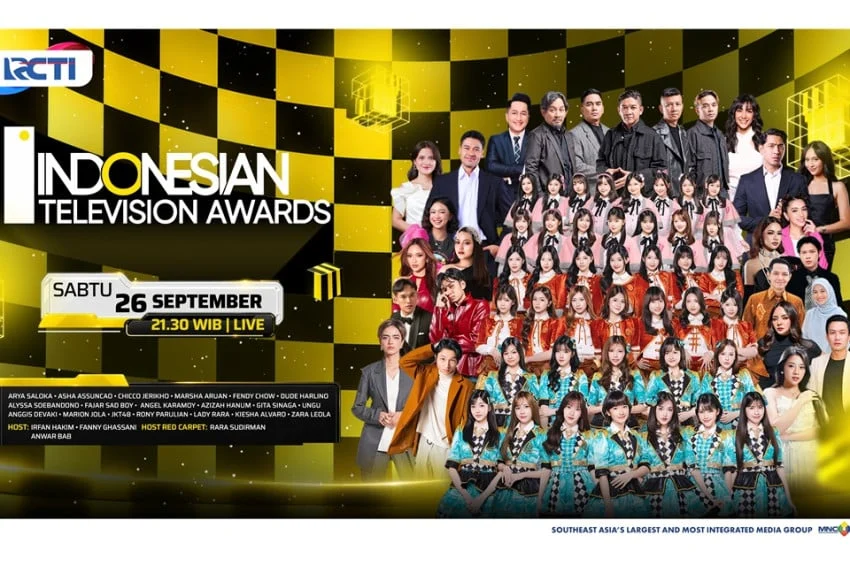
The Indonesian Television Awards (ITA) 2026 is poised to serve as the definitive benchmark for creative excellence in the nation’s broadcasting industry, culminating in a live broadcast scheduled for Saturday, September 26, 2026, at 21:30 WIB. Broadcasting simultaneously across the RCTI and GTV networks, the event represents the pinnacle of a months-long evaluation process designed to honor the actors, presenters, and production teams who have shaped the cultural landscape of Indonesia over the past year.
As the industry faces rapid digitalization and the rise of over-the-top (OTT) media platforms, ITA 2026 assumes a critical role in reaffirming the relevance of traditional linear television. By blending prestige with high-production value entertainment, the organizers aim to bridge the gap between legacy media and the younger demographic, ensuring that the Indonesian television industry remains a vibrant and competitive force in the regional creative economy.
A Chronology of Industry Recognition
The Indonesian Television Awards was established to provide a standardized, transparent, and prestigious platform to recognize quality content. Since its inception, the event has evolved from a simple awards show into a cultural phenomenon. The timeline for the 2026 edition began several months prior to the live gala, starting with the rigorous selection of nominees based on audience surveys and data-driven analysis of viewership metrics.
The methodology behind the selection involves a collaborative effort between research institutions and industry experts. The process ensures that the nominees represent not only the highest-rated programs but also those that have demonstrated significant social impact, artistic innovation, and audience engagement. Following the announcement of nominations, the public voting phase serves as a democratic feedback mechanism, allowing viewers to directly influence the outcome of the prestigious trophies, thereby fostering a closer connection between production houses and the viewing public.
The Production and Hosting Architecture
The 2026 iteration of the ITA is designed to be more than a conventional awards ceremony; it is being produced as a state-of-the-art entertainment spectacle. The decision to feature dual hosts, Irfan Hakim and Fanny Ghassani, reflects a strategic choice to balance traditional television charisma with contemporary hosting dynamics. Irfan Hakim, a veteran of Indonesian variety shows, brings a wealth of experience in managing large-scale live productions, while Fanny Ghassani offers a fresh, engaging presence that appeals to a diverse demographic.
The "Red Carpet" segment, hosted by Rara Sudirman, has been expanded this year to provide a more comprehensive view of the industry’s aesthetic trends. This segment serves as a prelude to the main event, offering insights into the evolving fashion and personal branding strategies of Indonesian celebrities. By formalizing this segment, the producers are capitalizing on the "social media second-screen experience," where fans actively discuss celebrity appearances in real-time, thereby increasing the overall digital footprint of the ITA brand.
A High-Octane Musical Lineup
The entertainment segment of ITA 2026 features a meticulously curated list of performers designed to represent the diversity of the Indonesian music scene. The lineup includes veteran acts such as Ungu, who bring a sense of nostalgia and established pop-rock appeal, alongside contemporary chart-toppers such as Marion Jola, Rony Parulian, and the pop collective JKT48.
Industry analysts suggest that the inclusion of such a broad spectrum of artists—ranging from ballad singers like Anggis Devaki and Lady Rara to energetic youth-oriented performers like Zara Leola and Kiesha Alvaro—is a calculated move to maximize audience retention. By providing a musical performance between award categories, the production team ensures that the broadcast maintains a high level of viewer engagement throughout the two-hour duration, effectively mitigating the common "viewer fatigue" associated with long-form televised ceremonies.
The Role of Presenters in Brand Prestige
The roster of presenters for ITA 2026 underscores the event’s commitment to prestige. By inviting household names such as Arya Saloka, Dude Harlino, and Chicco Jerikho to unveil the winners, the organizers leverage the star power of Indonesia’s most successful actors. This strategy serves two primary functions: it highlights the synergy between the production houses and the network, and it validates the achievements of the winners by having them recognized by their peers.
Furthermore, the inclusion of younger, viral-adjacent personalities like Fajar SadBoy alongside established industry stalwarts like Alyssa Soebandono and Angel Karamoy illustrates the shifting demographics of Indonesian television. This blend of "old guard" and "new media" figures is essential for the continued evolution of the industry, as it demonstrates that the awards ceremony is inclusive of all formats of entertainment, including those that have found traction through social media and digital platforms.
Industry Context and Strategic Implications
The Indonesian television industry is currently navigating a period of significant transformation. According to industry reports from the last fiscal year, the shift toward multi-platform distribution has forced networks to invest more heavily in high-quality local content that can compete with international offerings. The ITA 2026 acts as an indicator of these trends; categories that focus on original series and reality-based formats remain the most competitive.
The impact of such an event is substantial. For winning production houses, an ITA trophy serves as a valuable marketing tool that can attract advertisers and facilitate future co-production deals. For the networks, broadcasting the event provides a significant surge in audience share and social media engagement, which are critical metrics in an era where traditional Nielsen ratings are increasingly viewed in conjunction with digital analytics.
Moreover, the event provides a platform for industry self-reflection. In previous years, the speeches delivered by winners have often touched upon the importance of creative freedom, the challenges of production during post-pandemic recovery, and the necessity of investing in local talent. These moments of authenticity are what lend the awards their emotional weight, transforming them from a mere corporate event into a celebration of the collective identity of the Indonesian entertainment sector.
A Data-Driven Approach to Success
While the visual splendor of the ITA 2026 is evident, the operational success of the event relies heavily on logistics and data. The broadcast is supported by sophisticated audio-visual infrastructure, including high-definition lighting, complex stage rigging, and real-time social media sentiment analysis. The coordination required to manage a live event with multiple musical acts, numerous award categories, and a large cast of presenters is a testament to the growth of technical production capabilities in Indonesia.
The collaboration between RCTI and GTV also indicates a broader strategy of cross-network cooperation. By pooling resources, the networks can create a "must-watch" event that transcends the limitations of a single channel, effectively consolidating the television audience at a time when viewership is increasingly fragmented across mobile devices and streaming services.
Looking Ahead: The Future of Indonesian Television
As the countdown to September 26, 2026, continues, the industry anticipation remains high. The ITA 2026 is expected to set a new high-water mark for production value, setting a standard that other regional awards shows will strive to emulate. Beyond the glamour, the event serves as a vital reminder that despite the rise of digital alternatives, the tradition of gathering to celebrate television achievements remains a powerful communal experience in Indonesia.
The implications for the future are clear: to survive and thrive, the television industry must continue to innovate, prioritize high-quality production, and foster a sense of community among its creators. The Indonesian Television Awards 2026 is not merely a night of celebration; it is a professional gathering that shapes the strategic direction of the industry, influencing the types of stories that will be told and the quality of the content that will be delivered to millions of homes across the archipelago.
As the curtains rise on the evening of September 26, the focus will be on the stars, the music, and the winners. Yet, behind the scenes, the event will stand as a demonstration of the resilience and ongoing creative evolution of Indonesia’s television sector. For the viewers, it promises an evening of unparalleled entertainment; for the industry, it represents a crucial validation of their collective efforts to remain the heartbeat of Indonesian popular culture.