The landscape of historical Korean television is set to undergo a dramatic transformation as global streaming giant Netflix prepares to launch its high-profile original series, The Scandal. Scheduled to debut worldwide on September 18, 2026, the series transports viewers back to the rigid social strata of the Joseon Dynasty, an era defined by profound patriarchal constraints, strict neo-Confucian moral codes, and severely limited autonomy for women. At the heart of this upcoming prestige drama is a powerhouse trio of South Korean cinema and television: Son Ye Jin, Ji Chang Wook, and Nana. Together, they anchor a complex narrative centered on manipulation, societal rebellion, and the unintended consequences of high-stakes romantic gamesmanship.
Adapted from Pierre Choderlos de Laclos’s seminal 1782 epistolary French masterpiece, Dangerous Liaisons, The Scandal marks a fresh reimagining of a timeless plot. While the source material has inspired numerous international adaptations—most notably the 1988 Hollywood film starring Glenn Close and John Malkovich, and the acclaimed 2003 South Korean film adaptation Untold Scandal directed by E J-yong—this new 2026 iteration expands the scope significantly. By converting the feature-film concept into a serialized television format, the production aims to delve deeper into the psychological undercurrents of the characters, leveraging the rich, intricate aesthetics of the Joseon period to heighten the dramatic tension. Industry insiders anticipate that the series will combine lavish period-accurate set designs and hanbok styling with sharp, contemporary commentary on power dynamics, gender roles, and emotional vulnerability.
Chronology of Development and Literary Roots
The trajectory of The Scandal spans centuries, evolving from 18th-century European literature into a cornerstone of modern global entertainment. Pierre Choderlos de Laclos’s original novel, Les Liaisons dangereuses, shocked and fascinated readers upon its publication in pre-revolutionary France by exposing the cynical, calculated cruelty of the aristocracy. When the story crossed over into Korean cinema in 2003 through Untold Scandal, it successfully localized the decadent intrigue of the French aristocracy into the opulent yet suffocating palaces and noble estates of late 18th-century Joseon, specifically during the reign of King Jeongjo.
The 2026 Netflix series builds directly upon this cultural translation. Development on the project began quietly under stringent studio secrecy before major casting announcements catalyzed public anticipation across global Hallyu fandoms. The decision to adapt the property into an episodic streaming series was driven by a growing appetite among international audiences for high-budget period dramas that balance political intrigue with intricate character studies. With principal photography spanning several months across historical folk villages and state-of-the-art production soundstages in South Korea, the production team prioritized historical fidelity while ensuring the psychological motivations of the characters resonated with modern sensibilities.
Character Profiles and Plot Dynamics
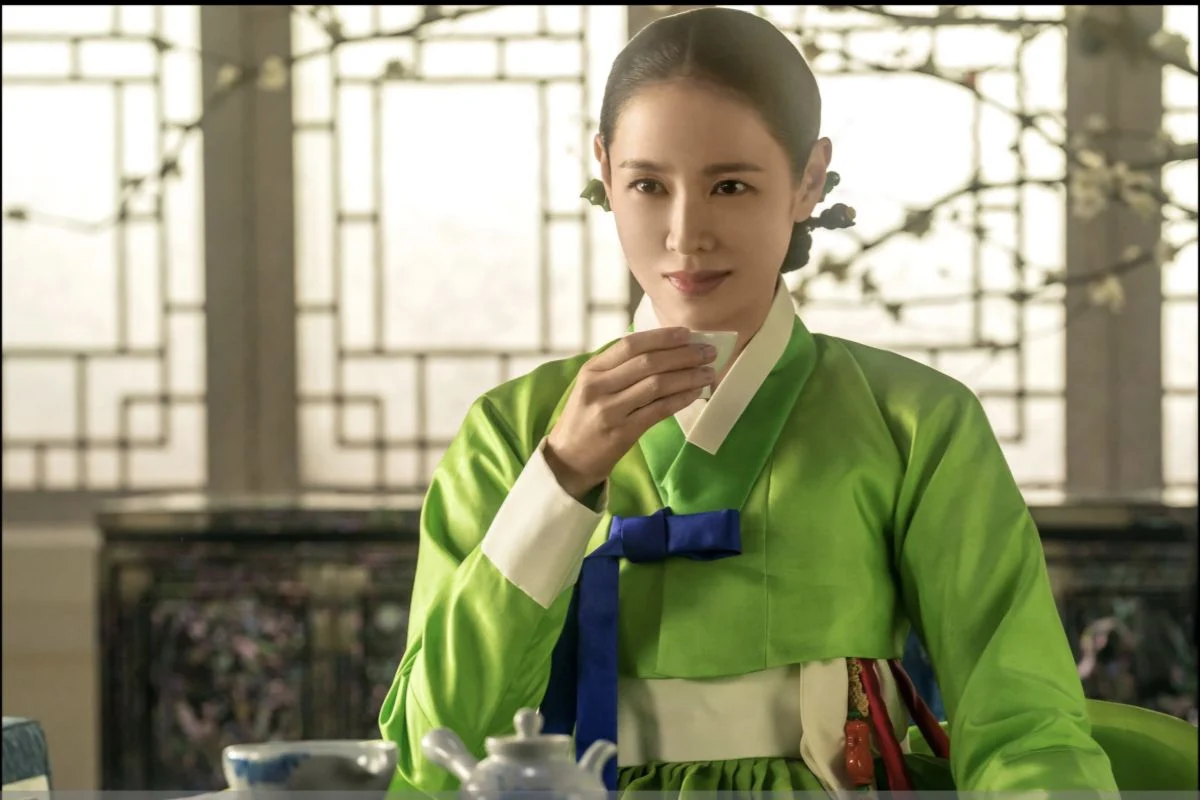
The narrative architecture of The Scandal rests upon the intersections of three distinct characters whose lives are upended by an initial wager. At the center of this web is Lady Cho, portrayed by critically acclaimed actress Son Ye Jin. Lady Cho is introduced as a woman of exceptional intellect and refined social standing within the Joseon aristocracy. Despite her privileged position, her ambitions are severely curtailed by the patriarchal laws of her time, which relegate women to passive roles within the domestic sphere. Beneath a veneer of serene compliance and aristocratic propriety, Lady Cho harbors a razor-sharp intellect and a profound desire to manipulate the power structures that seek to silence her. Rather than operating openly, she orchestrates complex social maneuvers from the shadows, using others as proxies for her own unfulfilled ambitions.
Re-entering Lady Cho’s sphere is Cho Won, played by versatile star Ji Chang Wook. Known throughout the aristocracy as the quintessential playboy of the Joseon era, Cho Won is a man of high birth, exceptional charm, and profound cynicism regarding matters of the heart. Having shared a childhood and a history of intimate correspondence with his cousin Lady Cho before their lives drifted apart, Cho Won lives a life of hedonistic detachment. When a long-awaited letter from Lady Cho arrives, it reignites their old dynamic, drawing him into a dangerous game.
The target of this wager is Hui Yeon, brought to life by singer and actress Nana. Hui Yeon is a young widow whose life has been defined by absolute restriction. Having lost her husband even before their wedding ceremony was officially consummated, she is bound by ultra-conservative mourning codes and social expectations to live a life of complete seclusion and chastity. Her physical and social movements are monitored by the relentless gaze of a society that views widows as moral property of the clan.
The central conflict ignites when Lady Cho wagers Cho Won that he cannot seduce Hui Yeon. What begins as a petty exercise in aristocratic boredom and psychological dominance, however, quickly spirals out of control. As Cho Won infiltrates Hui Yeon’s isolated world, his calculated charm begins to unlock genuine emotional shifts within her, offering her a glimpse of autonomy and passion she has never known. Concurrently, Cho Won finds himself unexpectedly captivated by Hui Yeon’s quiet resilience. As the boundaries between the initial game and authentic emotion blur, Lady Cho, Cho Won, and Hui Yeon find themselves trapped in a volatile triangle where personal desires, pride, and survival are inextricably linked.
Strategic Casting and Industry Significance
The casting of Son Ye Jin, Ji Chang Wook, and Nana is regarded by industry analysts as a masterstroke in packaging high-concept streaming content. Son Ye Jin, whose global prominence was cemented by international hits like Crash Landing on You and her acclaimed cinematic work, brings a gravitas and emotional depth essential for carrying the multifaceted role of Lady Cho. Her involvement in The Scandal also follows a celebrated period that includes her high-profile debut at the Venice Film Festival, further solidifying her status as a premier global cinematic export.
Ji Chang Wook continues to expand his formidable acting repertoire by taking on a character that blends physical charisma with dark psychological complexity. Known for seamlessly transitioning between action blockbusters and deeply emotional melodramas, Ji’s portrayal of Cho Won is expected to offer a nuanced critique of toxic masculinity and romantic exploitation within a historical framework. Meanwhile, Nana’s casting as Hui Yeon highlights her rapid evolution as a dramatic actress. Following standout performances in critically praised series, Nana is uniquely positioned to portray the delicate balance of vulnerability and quiet strength required of a Joseon widow rebelling against systemic oppression.
Broader Socio-Cultural Implications and Market Impact
Beyond its entertainment value, The Scandal arrives at a time when historical dramas are increasingly utilized by South Korean creators to explore contemporary anxieties regarding gender equality, personal freedom, and institutional control. By using the Joseon era as a cinematic canvas, the series holds up a mirror to historical inequalities while maintaining the universal appeal of a psychological thriller and romance.
The decision by Netflix to distribute the series globally on September 18, 2026, underscores the platform’s ongoing strategy to invest heavily in premium Korean content tailored for simultaneous worldwide consumption. Market researchers project that the combination of a globally recognized cast, a universally understood literary foundation, and high production values will make The Scandal one of the most-watched non-English language releases of the year. As streaming services continue to dominate the global cultural landscape, the series exemplifies the enduring power of classic storytelling reimagined through a modern lens, promising audiences a rich, emotionally resonant, and visually arresting television event.