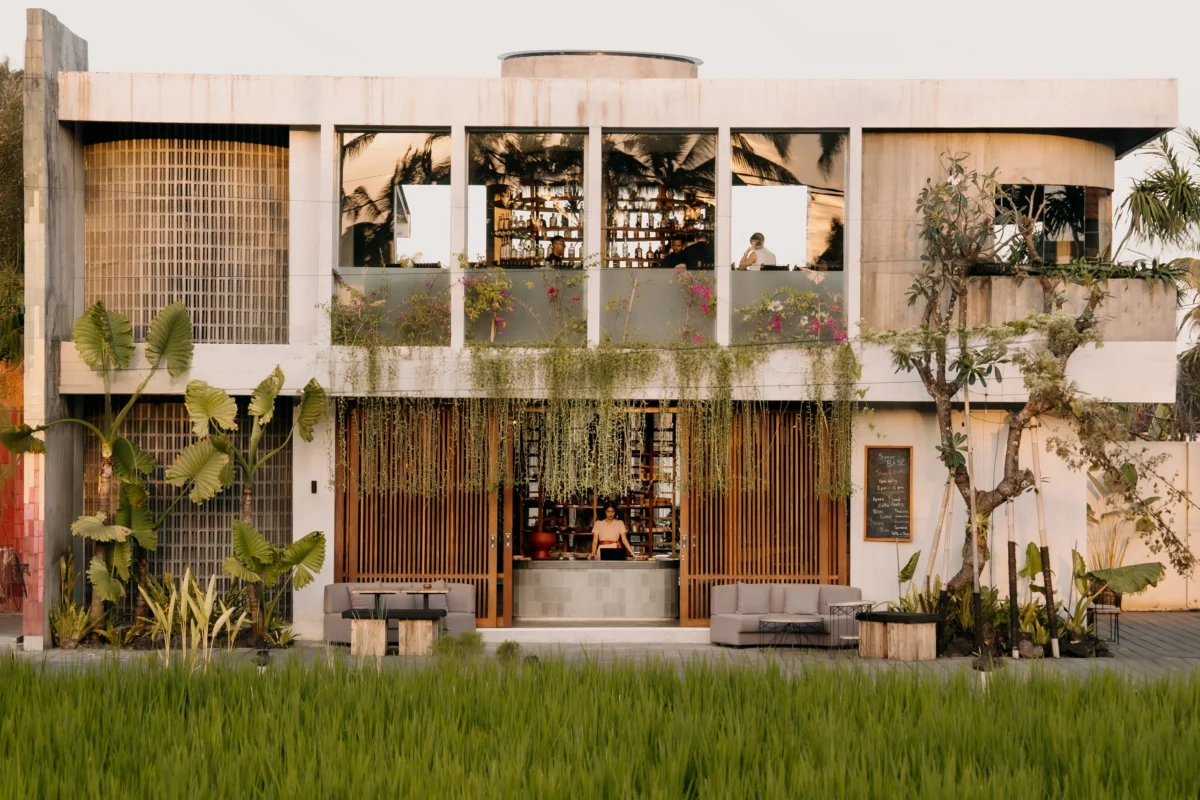
The evolving landscape of modern gastronomy in Indonesia has taken a deeply intentional turn, highlighted by the recent menu evolution at Syrco BASÀT, the acclaimed culinary hub situated in the cultural heart of Ubud, Bali. Since opening its doors in January 2024 under the visionary guidance of Chef Syrco Bakker, the establishment has continuously challenged conventional fine dining paradigms. Today, the destination is introducing a comprehensive menu overhaul across its three distinct pillars: the intimate KU culinary atelier, the main Syrco BASÀT Restaurant, and the dynamic Syrco BASÀT Bar. This evolution is not merely a seasonal rotation of dishes, but a profound reflection on the relationship between ingredients, the environment, and the human hands responsible for cultivating and harvesting them. Guided by three foundational pillars—traceability, nature, and transparency—Chef Bakker and his team have spent over two years decoding the rich gastronomic tapestry of Indonesia. The result is a refined dining philosophy that champions the authentic character of local produce, minimizing culinary interference to let the raw, unadorned qualities of each element shine.
Main Facts and the Core Philosophy of Syrco BASÀT
At the heart of Syrco BASÀT’s latest menu evolution is a minimalist yet deeply respectful approach to sourcing and preparation. As the culinary team has grown more familiar with Bali’s microclimates, local farmers, independent fishermen, and artisanal producers over the past two years, the imperative to mask ingredients has vanished. Instead, the focus has shifted entirely toward celebrating provenance.
The establishment operates across three unique spaces, each designed to offer a different facet of this philosophy:
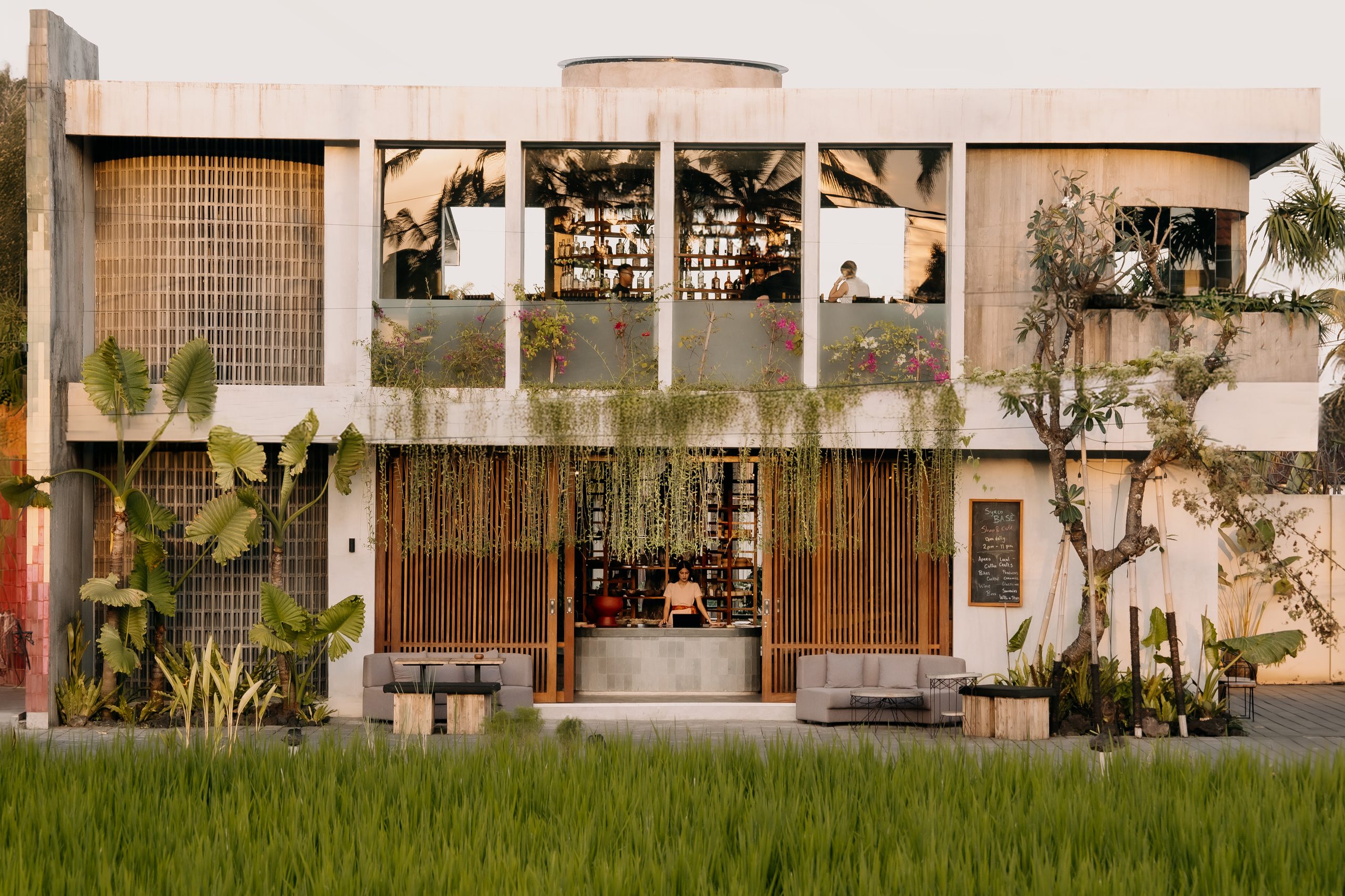
- KU Culinary Atelier: An exclusive, highly intimate 12-seat counter experience featuring an 11-moment tasting menu where guests observe the preparation process in a sunken kitchen design.
- Syrco BASÀT Restaurant: The flagship dining room offering a structured multi-course journey that balances contemporary culinary techniques with deeply rooted Indonesian flavor profiles.
- Syrco BASÀT Bar: A vibrant social space focusing on shared plates that brilliantly fuse international techniques with familiar local spices and comfort elements.
This tripartite concept ensures that every visitor, whether seeking high-end introspection or casual artisanal grazing, encounters the same uncompromising dedication to local ecosystems and sustainable practices.
Chronology and Milestones: From Inception to Evolution
To fully understand the significance of Syrco BASÀT’s current menu transformation, it is essential to look at the timeline that shaped its establishment in Bali:
- January 2024: Chef Syrco Bakker officially opens Syrco BASÀT in Ubud, bringing his extensive European Michelin-starred expertise to the Indonesian archipelago with a mission to champion sustainability and local sourcing.
- 2024–2025: Throughout its first two years of operation, the culinary team invests heavily in building direct relationships with regional producers, establishing an on-site organic garden, and mapping out the seasonal availability of Bali and Lombok’s finest land and marine resources.
- Late 2025 to Early 2026: Recognizing a maturing clientele and a deeper synergy with local growers, Chef Bakker initiates a comprehensive review of culinary processes. The kitchen shifts toward an even more reduced-intervention style of cooking.
- September 2026: Syrco BASÀT officially debuts its new multi-concept menu evolution, emphasizing hyper-local traceability, daily catch dependencies, and garden-to-table integration.
Supporting Data and Culinary Mechanics: Reading Bali Through Daily Offerings
The operational mechanics behind Syrco BASÀT’s new menus rely heavily on flexibility and daily availability rather than rigid industrial supply chains. This fluidity is most prominently displayed in the sourcing of seafood and produce.
In the KU culinary atelier, where Chef Syrco collaborates closely with Chef Dawid Koszykowski, the menu discards static planning in favor of real-time adaptation. A prime example is Catch of Oka, a signature dish that features seafood supplied directly by Oka, a traditional fisherman based in Jimbaran. Every morning, Oka transmits digital photographs of his fresh ocean haul to the kitchen team. Based on these images, the chefs select the day’s catch, ensuring absolute peak freshness while honoring the natural rhythms of the Indian Ocean. Other notable atelier creations include prawns paired with marigold, tarragon, and local chicken; hamachi served alongside refreshing rose apples and celery; and the Land & Garden course, which weaves together heirloom tomatoes, Kintamani coffee, and freshly plucked garden herbs.

In the main Syrco BASÀT Restaurant, the familiar architectural structure of the menu remains intact, yet the execution has been stripped of unnecessary complexity. The progression begins with a trio of intricate appetizers, including a delicate shrimp tartare accented with shiso and aromatic sambal merah, alongside a modernized interpretation of Balinese coastal street corn. The journey flows seamlessly into Oka’s Catch with sea kelp and cucumber; Lombok oysters balanced with fennel, calamansi, and basil; hamachi; free-range chicken elevated with a rich bumbu hitam; Jimbaran spiny lobster; and a velvety Japanese pumpkin chawanmushi.
Meanwhile, the Syrco BASÀT Bar embraces a communal dining format infused with bold archipelago flavors. Highlights include a beef steak tartare served alongside freshly baked focaccia and a deep, complex rendang reduction, as well as Taro Rosti paired with succulent ayam betutu and torch ginger (kecombrang).
Garden-to-Kitchen Integration and Sustainability Metrics
Beyond marine partnerships, Syrco BASÀT has significantly expanded its on-site agricultural footprint. The restaurant’s surrounding gardens now yield an abundant harvest of coconuts, edible flowers, indigenous herbs, and tropical fruits utilized directly across all three culinary outlets. This localized ecosystem drastically reduces the carbon footprint associated with ingredient transportation while strengthening the physical and visual link between the soil and the plate.
Sustainability experts and hospitality analysts note that establishments operating on a hyper-local, traceability-first model face distinct operational hurdles, including supply chain volatility and the unpredictability of seasonal yields. However, Syrco BASÀT has transformed these exact challenges into its primary competitive advantage. By educating diners on why a certain ingredient might be absent due to weather patterns or off-seasons, the restaurant fosters a deeper, educational connection between the consumer and the environment.

Official Statements and Perspectives from the Culinary Leadership
Reflecting on the philosophy driving this evolution, the leadership team emphasizes that true luxury in contemporary dining is defined by honesty rather than extravagance.
"When you truly come to know the ingredient and, more importantly, the person behind it, the motivation to disguise its natural character simply disappears," notes the culinary direction established by Chef Syrco Bakker. "Our goal in Ubud was never to impose a foreign European template onto Indonesian soil, but rather to listen to what the land and sea are telling us each morning. After more than two years of listening, learning, and collaborating with local farmers and fishermen, this new menu is a reflection of that mutual trust."
Kitchen collaborators echo this sentiment, pointing out that advanced culinary techniques should serve as a silent support system rather than an ego-driven centerpiece. By allowing techniques to recede into the background, the inherent identity of Balinese produce—its terroir, its acidity, its minerality, and its spice profiles—takes absolute precedence.
Broader Impact and Implications for Bali’s Fine Dining Scene
The evolution of Syrco BASÀT arrives at a pivotal moment for Bali’s burgeoning haute cuisine sector. As global travelers increasingly demand ethical, sustainable, and culturally respectful dining experiences, establishments that rely on imported luxury goods are facing mounting scrutiny.

By anchoring its identity deeply within the local community—from Jimbaran’s fishermen to Kintamani’s coffee growers and Lombok’s oyster farmers—Syrco BASÀT sets a rigorous benchmark for regional responsibility. The economic implications for local micro-producers are profound, providing guaranteed, equitable partnerships that elevate artisanal livelihoods across the island.
Ultimately, the latest chapter at Syrco BASÀT transcends the boundaries of a standard restaurant review. It stands as a case study in attentive listening, proving that when a culinary institution surrenders its ego to the natural rhythms of its surroundings, the resulting cuisine becomes a genuine mirror of the land it calls home.