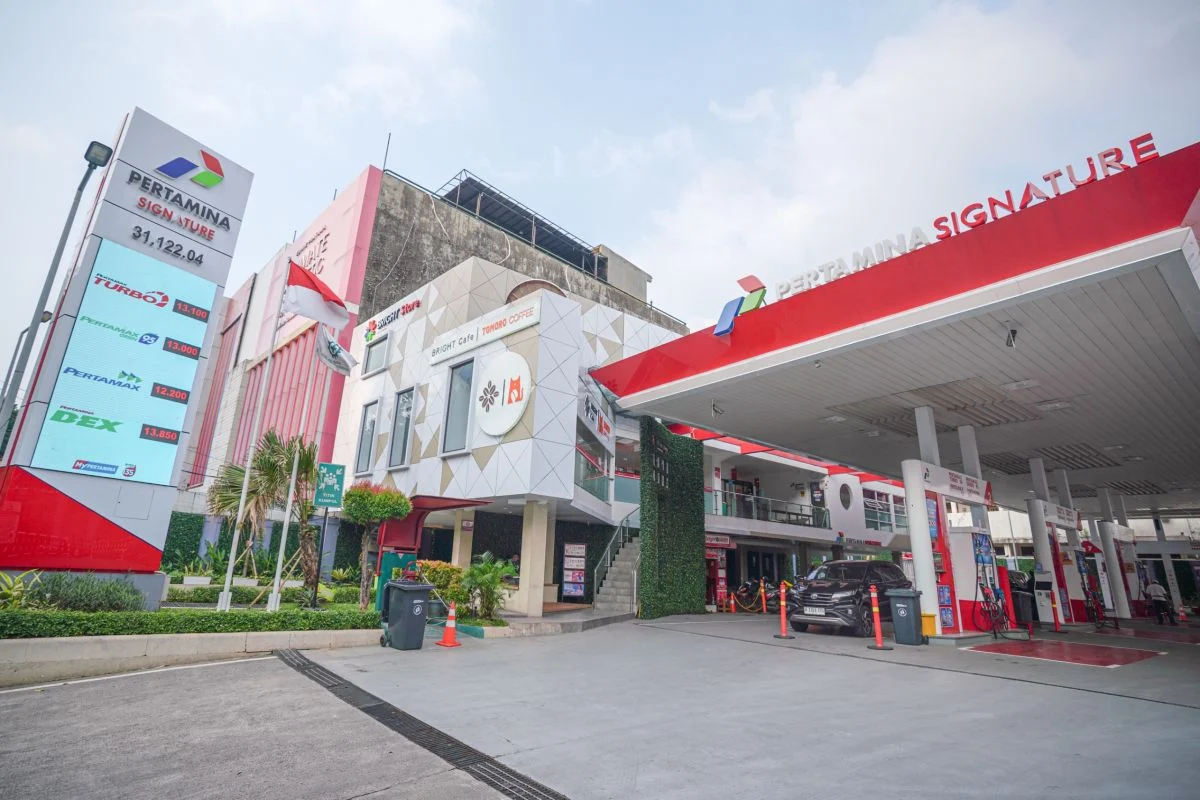
The landscape of retail fuel distribution in Indonesia is undergoing a significant evolution as PT Pertamina Patra Niaga, the commercial and trading sub-holding of state-owned energy giant PT Pertamina (Persero), aggressively rolls out its upscale retail concept known as SPBU Signature. Designed to redefine the traditional gas station visit, this strategic initiative shifts the paradigm from a mere transactional pitstop for petroleum into an integrated lifestyle hub, resting area, and service center tailored to the dynamic needs of modern urban motorists.
While conventional public fueling stations (SPBU Reguler) continue to cater to the broad masses by offering a comprehensive spectrum of fuel grades—including government-subsidized options—the SPBU Signature network is strategically curated to cater exclusively to high-end, high-performance vehicles requiring premium, non-subsidized energy products. By phasing out subsidized variants such as Pertalite and Bio Solar within these specialized outlets, Pertamina aims to streamline traffic flow, reduce congestion, and elevate the overall consumer journey through interactive customer service models and robust ancillary amenities.
As the Indonesian automotive market matures and consumer expectations regarding service quality and convenience rise, the implementation of the SPBU Signature concept serves as a crucial milestone in Pertamina’s long-term retail modernization strategy. This comprehensive overview examines the genesis of the SPBU Signature program, its distinguishing characteristics, the comprehensive suite of facilities offered, its geographical footprint across the Greater Jakarta area, and the broader economic and logistical implications of this retail transformation.
Genesis and Evolution of the SPBU Signature Concept
The conceptualization of SPBU Signature began as a response to growing consumer demand for cleaner, more efficient, and comfortable refueling environments in major metropolitan areas. Historically, gas stations in dense urban centers faced severe operational bottlenecks, characterized by long queues of vehicles waiting for subsidized fuel, limited parking, and rudimentary supporting facilities. Recognizing these pain points, Pertamina Patra Niaga initiated a structural upgrade program to segregate high-volume consumer segments and provide a premium alternative for motorists utilizing non-subsidized fuels.
The pilot phase of the initiative was launched at a flagship station in Pondok Indah, South Jakarta. The overwhelming positive response from motorists—who appreciated the reduction in waiting times, the cleaner surroundings, and the availability of diverse retail and service options—prompted management to accelerate the expansion plan. Throughout the subsequent years, the rollout gained momentum, scaling up across strategic corridors in Jakarta, Bogor, Depok, Tangerang, and Bekasi (Jabodetabek).
By 2026, the transformation reached a critical juncture, with approximately 13 major stations across Jakarta, Depok, and Bogor officially transitioning into full-fledged SPBU Signature outlets. This evolution reflects a broader global trend in energy retail, where fuel providers increasingly rely on non-fuel retail (NFR) revenue streams and superior customer experiences to differentiate their brands in a competitive market.
Defining Characteristics: Fuel Portfolio and Operational Model
The most prominent distinguishing feature of an SPBU Signature outlet lies in its strict fuel portfolio policy. Unlike conventional stations that serve all segments of the vehicular population, SPBU Signature stations focus exclusively on the distribution of high-quality, non-subsidized fuels.
The product lineup is anchored by the Pertamax Series—including Pertamax and Pertamax Turbo—which are formulated with advanced additives designed to clean engines, improve combustion efficiency, and reduce vehicular emissions. For diesel vehicle owners, the stations offer the Dex Series, comprising Pertamina Dex and Dexlite, which meet stringent international emission standards and protect modern common-rail diesel engines.
Conversely, subsidized products such as Pertalite (Ron 90 RON gasoline) and Bio Solar (B35 biodiesel blend) are entirely absent from SPBU Signature locations. According to clarifications from energy authorities and Pertamina management, this exclusion is not indicative of a national phase-out of subsidized fuels. Rather, it represents a deliberate spatial zoning strategy designed to ensure that subsidized energy distribution remains focused at conventional stations, while premium stations optimize operational efficiency for higher-tier consumers.
Beyond the fuel pump, the operational model at SPBU Signature outlets redefines the interaction between station operators and motorists. Pertamina has instituted specialized training programs for its frontline personnel, transforming them from transactional cashiers into interactive service representatives. These attendants are trained not only to execute rapid and precise refueling but also to offer proactive assistance, such as checking fluid levels, explaining ongoing promotional campaigns, and guiding customers to the various on-site lifestyle amenities.
Comprehensive Suite of Supporting Facilities
The value proposition of SPBU Signature extends far beyond fuel combustion efficiency. Recognizing that modern motorists often view travel time as lost productivity or fatigue-inducing labor, Pertamina has integrated a robust ecosystem of supportive facilities within the perimeter of each Signature station. These amenities are engineered to transform a mandatory stop into a rejuvenating break.
-
Sanitary and Spiritual Facilities (Musala and Restrooms)
Hygiene and accessibility represent critical pillars of the SPBU Signature standard. The outlets feature meticulously maintained, high-standard restrooms equipped with modern fixtures, continuous cleaning protocols, and adequate supplies to ensure absolute comfort for travelers. Adjacent to the restroom facilities are spacious, air-conditioned musala (prayer rooms) equipped with pristine carpets, clean ablution (wudu) areas, and a supply of prayer garments (mukena and sarong), allowing travelers to fulfill their religious obligations in a serene environment. -
Bright Store and Lifestyle Retail Hubs
A cornerstone of the non-fuel retail strategy within SPBU Signature stations is the presence of modern convenience stores, predominantly operating under Pertamina’s proprietary Bright Store brand. These retail spaces offer an extensive inventory of consumer goods, ranging from fresh bakery items, gourmet popcorn, and ready-to-drink coffee to packaged snacks, instant meals, and automotive accessories. In select larger stations, these retail spaces are augmented by branded coffee shops and dedicated lounge areas, creating a conducive environment for remote work, informal meetings, or simple relaxation. -
Light Automotive Maintenance Services
While fueling remains the primary activity, SPBU Signature locations acknowledge that vehicle health requires continuous upkeep. Consequently, these stations house specialized service bays providing professional tire repair services (tambal ban) and high-purity nitrogen inflation. These services allow motorists to address minor vehicular maintenance needs promptly, preventing potential safety hazards on the highway without necessitating a separate trip to a dedicated workshop. -
Value-Added Promotional Perks
To incentivize patronage and reward loyalty, Pertamina incorporates tiered promotional mechanisms tailored to the SPBU Signature network. For instance, under specific operational guidelines, motorists who purchase a minimum threshold of non-subsidized fuel—such as transactions totaling IDR 350,000 or more—may qualify for complimentary tire-shining services (semir ban) at participating locations. While exact perks and promotional structures may vary depending on the specific geographic outlet and prevailing marketing campaigns, these value-added services reinforce the brand’s commitment to holistic customer care.
Geographical Distribution and Network Footprint
The physical expansion of the SPBU Signature network has been meticulously planned to target high-density commercial zones, major arterial roads, and affluent residential corridors across the Jabodetabek megalopolis.
In the initial developmental phase, approximately 10 strategic locations were selected to test and refine the operational parameters. These included prominent urban nodes such as:
- Pondok Indah (South Jakarta)
- Modernland (Tangerang)
- Fatmawati 01 (South Jakarta)
- S. Parman (West Jakarta)
- Ceger (East Jakarta)
- Pasar Minggu (South Jakarta)
- Kembangan (West Jakarta)
- Cikarang (Bekasi)
- Cibubur (East Jakarta/Depok border)
- Cideng (Central Jakarta)
As the program matured into 2026, the network expanded further to encompass a total of at least 13 modernized stations across Jakarta, Depok, and Bogor. The updated operational map includes vital transport arteries such as Jalan Sultan Iskandar Muda, Jalan Peternakan II Cengkareng, Jalan Cideng Timur, Jalan Pos Pengumben, Jalan Pangeran Antasari, Jalan Raya Pasar Minggu, Jalan Jenderal Ahmad Yani, Jalan Raya Bina Marga Ceger, and the Muara Baru commercial harbor district in Jakarta.
Furthermore, the footprint extends into suburban commuter zones with specialized Signature outlets established in Pondok Rangon, specific sectors of Depok, and along Jalan Raya Letnan Sukarna in Ciampea, Bogor Regency. This targeted placement ensures that urban commuters, inter-city travelers, and business logistics operators operating high-performance vehicles have consistent access to premium infrastructure.
Strategic Implications and Industry Analysis
The aggressive implementation of the SPBU Signature concept carries significant implications for Indonesia’s downstream energy sector, urban mobility management, and corporate revenue diversification.
From an operational standpoint, segregating fuel distribution based on subsidy status effectively mitigates the chronic traffic congestion that has historically plagued conventional urban gas stations. By routing vehicles requiring subsidized Pertalite and Bio Solar to regular stations equipped for high-volume public distribution, Pertamina reduces friction at the pumps. Simultaneously, SPBU Signature stations can operate with greater predictability, focusing their logistical supply chains on high-margin, non-subsidized products that command stable supply stability and higher per-liter profitability.
Economically, the pivot aligns with global petroleum retail strategies emphasizing non-fuel retail (NFR) growth. Fuel margins are frequently subject to regulatory price caps and global crude oil volatility, making retail ancillary services—such as convenience stores, food and beverage partnerships, and maintenance bays—vital buffers for corporate profitability. By transforming gas stations into lifestyle destinations, Pertamina captures a larger share of consumer wallet spend during transit.
Furthermore, the initiative supports broader governmental objectives regarding environmental sustainability and vehicular efficiency. By encouraging the adoption of premium fuels like the Pertamax and Dex series, the program indirectly facilitates lower carbon footprints, reduced particulate emissions, and prolonged engine longevity for the nation’s growing vehicular fleet.
Consumer Guidance and Future Outlook
For motorists navigating the changing retail landscape, Pertamina has emphasized that the transition of specific stations into the Signature format is executed with transparent public notification. Consumers seeking subsidized energy products are encouraged to utilize digital mapping tools and Pertamina’s official mobile applications to locate nearby conventional stations that continue to stock Pertalite and Bio Solar.
As urban centers across Indonesia continue to densify and consumer expectations evolve, Pertamina Patra Niaga’s SPBU Signature model provides a blueprint for the future of service station architecture. By harmonizing high-grade energy supply with comprehensive lifestyle amenities, the state-owned enterprise is successfully bridging the gap between utilitarian infrastructure and modern consumer convenience, ensuring that the journey of the Indonesian motorist remains efficient, comfortable, and reliable.