The security architecture of the Middle East faced another significant test on Saturday, October 24, 2026, as Saudi Arabian air defense systems successfully intercepted a series of ballistic missiles launched by Houthi rebels from Yemen. The operation resulted in debris falling in several locations across the western region of the Kingdom, with the most concerning impact point located just 20 kilometers from the Masjidilharam in Makkah, the holiest site in Islam. This escalation marks a dangerous shift in the ongoing regional conflict, highlighting the persistent threat posed by long-range projectile technology in the hands of non-state actors.
Chronology of the Aerial Escalation
The incidents began early Saturday morning when Saudi air defense batteries detected multiple inbound projectiles. According to official reports from the Saudi Civil Defense, the ballistic missiles were identified as they targeted key population centers and strategic infrastructure. The interception process was conducted with precision, ensuring that the projectiles were neutralized before reaching their intended targets. However, the destruction of these missiles mid-air resulted in a rain of debris across a wide geographic swath of the Kingdom.
The debris fields were concentrated in four primary locations: Wadi Al-Mughammas, situated approximately 20 kilometers from Makkah; the Al-Nuzha district in the coastal city of Jeddah; Wadi Jalil in the mountainous region of Taif; and the area of Masturah in the Rabigh Governorate. Simultaneously, the Saudi-led coalition announced that additional ballistic missiles had been intercepted on trajectories heading toward Riyadh, Taif, and Yanbu. In a separate development during the early hours of Saturday, coalition forces also successfully neutralized an unmanned aerial vehicle (drone) that had infiltrated the airspace over the Eastern Province, an area vital to global energy supplies.
The Technological Threat: Houthi Missile Capabilities
The Houthi movement, officially known as Ansar Allah, has demonstrated a steady evolution in its military capabilities since the conflict in Yemen intensified in 2015. Initially relying on antiquated short-range rockets, the group has increasingly utilized advanced ballistic missile technology and long-range loitering munitions, often referred to as "suicide drones." International monitors, including United Nations panels of experts, have repeatedly suggested that these technological advancements are supported by sophisticated supply chains, with evidence pointing toward Iranian manufacturing origins or technical assistance.
The missiles deployed on Saturday are believed to be variants of the Burkan or Quds series, which possess the range necessary to traverse the distance from northern Yemen into the heart of Saudi Arabia. These systems are often mobile, making them difficult for coalition forces to locate and neutralize at the point of origin. The use of multiple simultaneous launches across different geographic vectors—targeting both the religious heartland of Makkah and the industrial hubs of the Eastern Province—suggests a calculated strategy intended to overwhelm traditional radar and interception systems.
Official Responses and Coalition Stance
The Saudi-led coalition, which has been engaged in the Yemeni civil war to restore the internationally recognized government, issued a firm condemnation of the attacks. A spokesperson for the coalition described the launches as a "deliberate act of aggression" and a "violation of international humanitarian law." The coalition reaffirmed its commitment to the safety of Saudi civilians and the protection of the Kingdom’s sovereignty.
While official statements have confirmed the absence of casualties and have not yet provided a detailed damage assessment, the proximity of the debris to Makkah has drawn swift condemnation from various regional stakeholders. The potential for a projectile to strike near the Masjidilharam, which hosts millions of pilgrims annually, is viewed by Riyadh as an affront to the sanctity of the site. Analysts suggest that this event will likely trigger a robust diplomatic response, with Saudi Arabia expected to press its international allies to tighten sanctions on the flow of military equipment to Houthi-controlled territories.
Regional Security Implications
The fallout from these attacks extends far beyond the immediate damage to infrastructure. The persistent targeting of Saudi territory, particularly critical infrastructure like desalination plants and energy facilities, poses a direct threat to regional economic stability. Because Saudi Arabia is a cornerstone of global energy markets, any disruption to its territory has an immediate impact on global oil prices and security.
Furthermore, the failure of diplomatic efforts to secure a lasting ceasefire in Yemen has left a vacuum filled by these periodic escalations. The international community, led by the United Nations, has struggled to bring the warring parties to a sustainable negotiating table. The Houthi leadership, for its part, often frames these attacks as retaliatory measures against the coalition’s air campaign. This cycle of violence creates a "tit-for-tat" dynamic that makes a peaceful resolution increasingly elusive.
Fact-Based Analysis of the Threat Environment
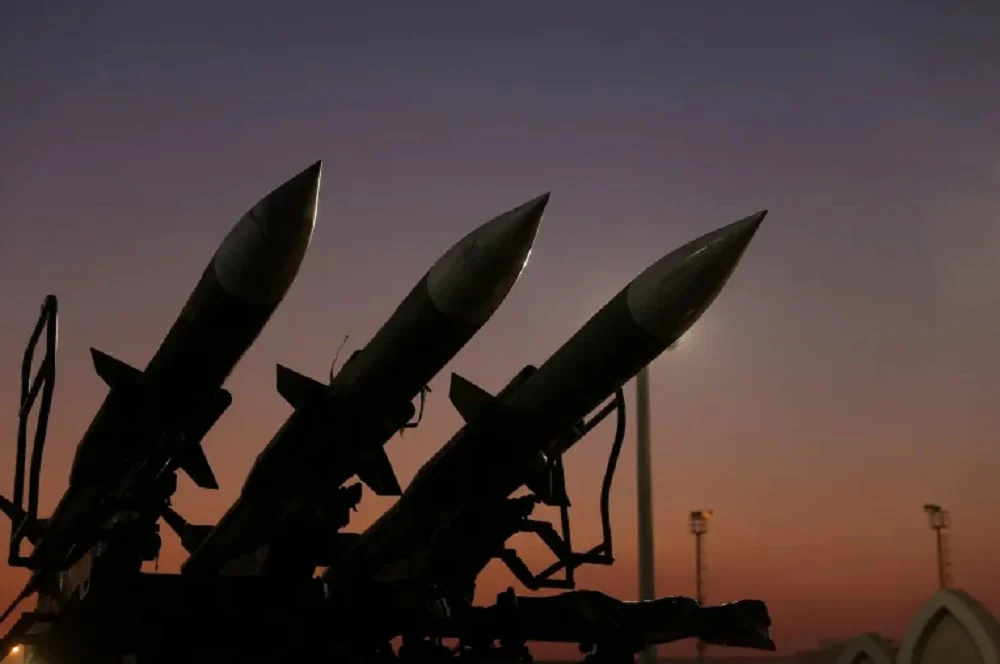
From a strategic perspective, the events of October 24 represent a significant challenge to the Patriot missile defense batteries and other interception systems currently deployed by the Kingdom. The "saturation" tactic—launching multiple missiles from different locations at the same time—is designed to force the defenders to expend a high number of interceptors while increasing the statistical probability that at least one projectile or a large piece of debris will penetrate the defense grid.
The choice of targets is also highly symbolic. By targeting Makkah, the Houthis aim to exert maximum psychological pressure on the Saudi government and the wider Muslim world, portraying the conflict not just as a political struggle but as a contest over the legitimacy of the Saudi state. By targeting the Eastern Province, the aim is clearly economic, intended to remind the international community of the vulnerability of the world’s energy supply chain.
Diplomatic Consequences
The immediate aftermath of the attacks will likely see a hardening of positions. Saudi Arabia is expected to utilize this event to garner support for its stance that the Houthi movement remains a destabilizing force that cannot be treated as a legitimate governing body in Yemen. Conversely, the Houthi movement will likely leverage the perceived defiance of Saudi air defenses to bolster its internal support and recruitment efforts.
Western nations, particularly the United States and the United Kingdom, have historically provided logistical and intelligence support to the coalition’s air defense efforts. These nations are now in a precarious position; they face pressure to support the security of their regional ally while simultaneously managing domestic political opposition to the war in Yemen. The successful interception of these missiles will be used as a primary argument for continued military cooperation, as proponents will emphasize that without such advanced systems, the civilian death toll would have been catastrophic.
Looking Forward: A Fragile Equilibrium
As the investigation into the specific origins and technical composition of the intercepted missiles continues, regional analysts warn that the situation remains highly volatile. The technological sophistication of the Houthi arsenal is no longer a localized issue; it is a transnational problem that threatens the security architecture of the entire Gulf Cooperation Council (GCC) region.
The incident also highlights the urgent need for a more robust regional security framework. Current reliance on bilateral defense agreements and ad-hoc coalition efforts may prove insufficient in the face of increasingly autonomous and long-range drone and missile threats. Moving forward, the Kingdom of Saudi Arabia will likely prioritize the hardening of its civil defense infrastructure and may seek to expand its collaboration with international partners to develop more resilient anti-missile technologies.
In conclusion, while the events of October 24 resulted in no reported loss of life, they represent a critical juncture in the conflict. The fact that ballistic debris fell within a short distance of the world’s most significant religious landmark serves as a stark reminder of the fragility of the current regional security environment. As both sides remain entrenched in their respective positions, the specter of further escalation continues to loom, requiring a renewed and urgent focus on diplomatic engagement and conflict de-escalation to prevent future, more devastating incidents. The international community remains on high alert, monitoring the situation for any signs of further volatility as the Kingdom recovers from this latest display of hostile intent.