The global zoological community is in mourning following the tragic death of a veteran zookeeper at the Beekse Bergen Safari Park in the Netherlands. The unnamed female staff member, who dedicated four decades of her life to the care and welfare of captive animals, succumbed to severe injuries sustained during a violent encounter with a Persian leopard. This incident, which occurred within the secure confines of the park’s indoor facilities, has prompted a comprehensive safety review and sent shockwaves through the wildlife management industry.
The Sequence of Events: A Timeline of the Tragedy
The incident occurred on Saturday, October 24, 2026, at the renowned Beekse Bergen Safari Park, located in Hilvarenbeek, in the southern region of the Netherlands. According to initial reports, the keeper, a woman who had been a fixture at the facility since the age of 17, was conducting routine maintenance and feeding protocols inside the indoor housing unit designated for the park’s Persian leopards.
At the time of the attack, the two leopards involved had been moved from their primary outdoor exhibit into the indoor area due to inclement weather conditions. In modern zoological practice, strict separation between predators and human handlers—often referred to as "protected contact"—is the industry standard. However, during specific maintenance tasks or veterinary procedures, interactions occasionally occur within specialized secure zones.
The attack was sudden and brutal, leaving the keeper with catastrophic injuries to her head and neck. She was immediately rushed to a nearby hospital where she underwent emergency surgical intervention. Despite the efforts of the medical team, her condition remained critical throughout the following days. On Tuesday, October 27, 2026, the administration of Beekse Bergen confirmed that the keeper had passed away due to the severity of her injuries.
Profile of the Victim and Institutional Legacy
The loss is particularly profound given the victim’s tenure at the park. Having joined the organization at age 17, she had accumulated 40 years of experience, making her one of the most senior and knowledgeable staff members at the institution. Her long career spanned significant changes in zoo management, from the traditional menagerie models of the late 20th century to the modern, conservation-focused, and highly regulated safari park models of today.
Colleagues describe her as a consummate professional with a deep-seated passion for feline welfare. Her dedication was not merely professional; it was a lifelong commitment to the species under her care. The administration of Beekse Bergen issued a formal statement expressing their profound sorrow, noting that the entire staff, many of whom had worked alongside her for decades, are struggling to process the loss. The park has prioritized the mental health and well-being of its employees, providing counseling services to those affected by the incident.
Persian Leopards: Understanding the Species
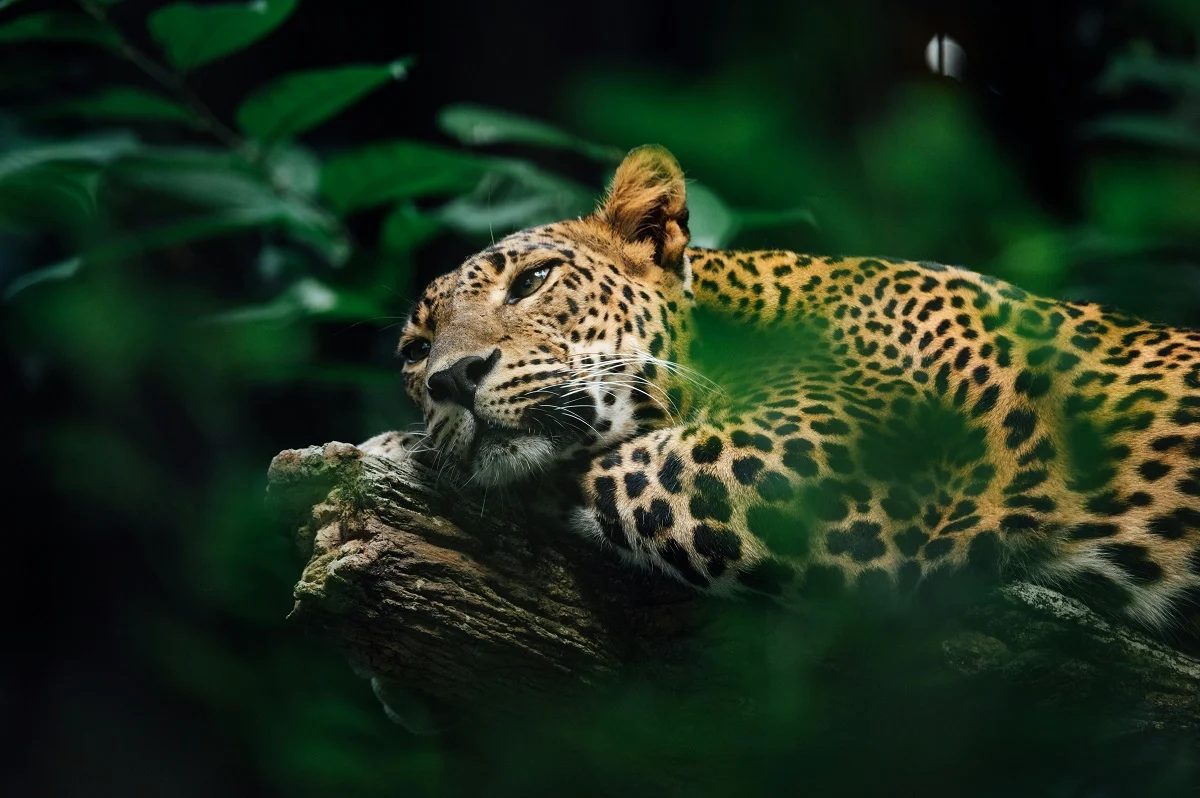
The Persian leopard (Panthera pardus tulliana) is a subspecies native to the Caucasus, Iran, and parts of Central Asia. They are the largest of the leopard subspecies, known for their powerful build and, as apex predators, their innate hunting instincts. In captivity, these animals are classified as Category 1 dangerous animals, requiring the highest level of vigilance and specialized training for any human interaction.
Historically, the risk of injury in zoos has been statistically low, but it is never zero. Data from the Association of Zoos and Aquariums (AZA) and similar international bodies consistently emphasize that even with the most rigorous safety protocols, the proximity to large carnivores involves inherent risks. The biological imperative of a leopard—an animal that has evolved to hunt and defend territory—remains intact regardless of how long it has been in human care.
Official Responses and Independent Investigations
In the wake of the fatality, Beekse Bergen Safari Park has taken immediate steps to ensure transparency. Management has confirmed that a full, independent investigation is currently underway. This investigation will focus on several key areas:
- Protocol Adherence: Determining whether all safety checklists were strictly followed during the indoor shift.
- Facility Design: Evaluating the integrity and functionality of the safety barriers and separation mechanisms within the indoor enclosure.
- Operational Procedures: Reviewing the current "protected contact" policies to identify any potential gaps that could be mitigated.
Furthermore, the Dutch Labor Inspectorate (Nederlandse Arbeidsinspectie) has launched its own inquiry to determine if there were any violations of workplace safety regulations. In the Netherlands, the safety of employees in high-risk environments is governed by strict national and European Union directives. The outcome of these investigations will likely have long-term implications for how Dutch zoos handle large predator management.
Broader Industry Implications and Safety Standards
This incident serves as a grim reminder of the challenges inherent in modern zoo management. The transition in recent decades has been toward "naturalistic" enclosures, which provide better animal welfare but often complicate the logistics of keeper safety. Balancing the need for animals to exhibit natural behaviors with the requirement to protect human staff is a constant tension in the industry.
Many zoos worldwide are now moving toward "zero-contact" policies, where keepers never share the same space as dangerous animals. The incident at Beekse Bergen will undoubtedly accelerate the global discussion regarding the necessity of total separation. Experts in zoo safety often argue that human error is the most common variable in such incidents; therefore, removing the human from the equation is the only way to guarantee 100% safety.
However, some professionals argue that a degree of close contact is necessary for the psychological well-being of certain animals, particularly those that require regular veterinary attention. Finding the balance between animal health and human safety is the central challenge that institutions like Beekse Bergen must now confront as they rebuild trust with the public and their own workforce.
Conclusion: A Legacy of Conservation
As the investigation proceeds, the focus remains on the life of the deceased keeper and the safety of the remaining animals. Beekse Bergen has emphasized that the two leopards involved are being kept in secure, isolated areas, and their future, while currently secondary to the investigation, will be handled with the same professionalism that characterized the victim’s career.
The passing of a veteran keeper is not just a loss for a single zoo; it is a loss for the conservation community. The dedication required to work in such a field for four decades is rare, and it is a testament to the individual’s commitment to the preservation of species. As the safari park navigates the legal and emotional fallout of this tragedy, the industry will be watching closely, awaiting the findings of the investigation to see what lessons can be learned to prevent such a catastrophe from recurring. For now, the gates of the leopard enclosure remain closed, a somber monument to a career cut short in the line of duty. The global zoological community continues to offer its condolences to the family and colleagues, as they navigate this difficult period of mourning and reflection.