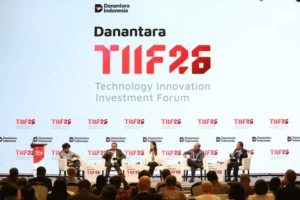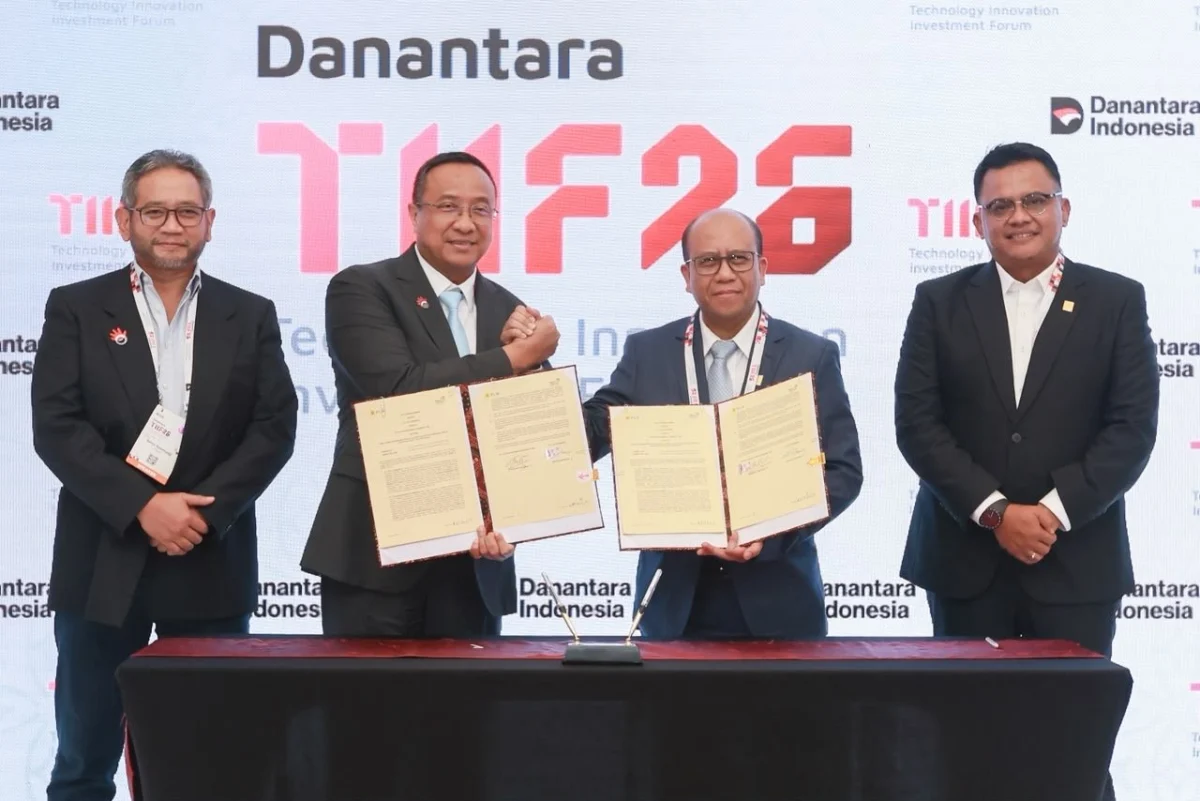
The strategic synergy between PT PLN (Persero), PT Telkom Indonesia (Persero) Tbk, and the Danantara Investment Management Agency (BPI Danantara) marks a pivotal moment in Indonesia’s digital transformation roadmap. As the nation pivots toward an AI-driven economy, the recent Memorandum of Understanding (MoU) signed on October 27, 2026, serves as the backbone for the infrastructure required to sustain high-density data centers and nationwide telecommunications networks. This collaboration, formalized during the Danantara Technology Innovation Investment Forum (DTIIF) 2026 in Jakarta, underscores a national commitment to securing reliable, sustainable, and scalable energy supplies for the digital era.
The Strategic Significance of the PLN-Telkom Partnership
The core objective of this agreement is to align the rapid expansion of Telkom Group’s digital infrastructure—specifically its hyperscale data centers—with the energy grid’s capacity. Data centers are the physical manifestation of the cloud and artificial intelligence, requiring consistent, uninterrupted, and high-voltage power. By securing a long-term supply agreement with PLN, Telkom mitigates the risk of power volatility, which is essential for maintaining the uptime of critical national digital services.
For PLN, this partnership is not merely a supply contract; it represents a fundamental shift in how the state-owned utility engages with the industrial sector. Under this arrangement, PLN will provide priority service products, ensuring that Telkom’s facilities receive preferred treatment within the grid hierarchy. Furthermore, the collaboration incorporates "Beyond kWh" services, allowing PLN to provide integrated energy solutions, such as smart grid management and advanced energy monitoring, which are vital for the efficient operation of modern AI hardware.
Chronology of Digital Integration and Energy Planning
The road to this partnership began with the Indonesian government’s identification of data sovereignty and AI adoption as primary drivers for the 2030 national economic goals. Throughout early 2026, the Ministry of State-Owned Enterprises (BUMN) facilitated several meetings between BPI Danantara and major utility providers to address the "power gap" predicted for high-compute infrastructure.
In July 2026, initial talks regarding the infrastructure requirements for the next generation of data centers were held. By September 2026, the technical feasibility studies were completed, confirming that PLN’s current expansion plans for its green energy grid were compatible with Telkom’s projected energy needs. The culmination of these efforts was the DTIIF 2026 forum, where the formal signing solidified the framework for cooperation, turning speculative planning into a binding operational mandate.
Powering the AI Revolution: Technical Implications
Artificial Intelligence necessitates a paradigm shift in power consumption. Unlike standard telecommunications infrastructure, AI-driven data centers require significantly higher power densities per rack. Traditional cooling and power distribution methods are often insufficient for the GPU-intensive clusters utilized in training large language models.
PLN’s commitment to providing "Green Energy" is particularly significant in this context. As international corporations and regulatory bodies increasingly demand that data centers be powered by renewable sources to meet ESG (Environmental, Social, and Governance) targets, PLN’s ability to supply electricity from geothermal, solar, and wind sources provides Telkom with a competitive advantage in the global market. The integration of Renewable Energy Certificates (REC) into this partnership allows Telkom to officially verify the carbon-neutral status of its operations, attracting international investment and global tech partners to Indonesian soil.
Perspectives from Key Stakeholders
The DTIIF 2026 forum provided a platform for leadership to articulate the vision behind this union. Irwan Rei, Managing Director of Strategic Technology Initiatives at Danantara Indonesia, highlighted that the success of the national AI strategy depends on a "whole-of-government" approach. According to Rei, the integration of BUMNs with private and global technology partners is the only viable path to creating a robust digital ecosystem.
"We are not just building cables and power lines; we are building the digital nervous system of the Indonesian economy," stated a representative from the BUMN ministry during the panel discussions. "The synergy between PLN’s energy reliability and Telkom’s connectivity reach is a foundational requirement for any nation aiming to compete in the global AI landscape."
While specific financial figures of the energy supply deal remain confidential, industry analysts suggest that the agreement represents one of the largest industrial power-purchase frameworks in the region. By consolidating the power needs of the Telkom Group, PLN can optimize its load management, leading to better efficiency for the entire national power grid.
Broader Economic Impact and National Infrastructure
The ripple effects of this collaboration extend well beyond the immediate parties involved. Reliable power and high-speed digital connectivity are the two most significant variables for foreign direct investment (FDI) in the technology sector. By de-risking the power supply, Indonesia positions itself as a prime destination for global cloud providers looking to expand into Southeast Asia.
Furthermore, this partnership serves as a template for future infrastructure projects in Indonesia. The model of integrating energy providers directly into the planning phases of digital infrastructure development reduces the time-to-market for new data centers. Historically, the lag time between identifying a site for a data center and securing the necessary power grid infrastructure has been a bottleneck for national growth. This new, synchronized approach effectively removes that barrier.
Addressing Challenges and Future Outlook
Despite the optimism surrounding this announcement, the transition to an AI-ready energy infrastructure is not without challenges. The primary obstacle remains the intermittency of renewable energy sources. PLN must manage the balance between base-load power (typically provided by coal or gas) and the increasing demand for 24/7 renewable energy for data centers.
Technological advancements in battery energy storage systems (BESS) are expected to play a crucial role in the coming years. Experts suggest that the partnership may eventually evolve to include the co-location of large-scale storage facilities near Telkom’s major data centers to ensure stability during peak demand periods.
As the implementation phase begins in late 2026, monitoring the performance of this energy supply framework will be essential. Both PLN and Telkom have committed to quarterly reviews of the infrastructure requirements, ensuring that the supply matches the rapidly scaling demand as Telkom continues to deploy more AI-compute nodes across the archipelago.
Conclusion: A Blueprint for the Future
The collaboration between PLN and Telkom Group, under the guidance of BPI Danantara, represents a sophisticated, forward-thinking approach to national development. By treating power and data as inextricably linked resources, Indonesia is taking a concrete step toward becoming a regional digital powerhouse.
The successful execution of this agreement will likely serve as a case study for other developing nations attempting to balance rapid technological modernization with the demands of sustainable energy consumption. As the digital and physical infrastructures converge, the strength of the Indonesian economy will increasingly be defined by the resilience of the grid that powers its ideas and the connectivity that distributes them. With the foundation now firmly established, the focus shifts to execution, ensuring that every megawatt supplied by PLN contributes to the growth of a resilient, sustainable, and technologically advanced Indonesia.