The smartphone market in the mid-range segment has undergone significant structural shifts, cementing the three-million rupiah price bracket (approximately $180–$250 USD) as one of the most fiercely contested battlegrounds for manufacturers. Entering 2026, original equipment manufacturers (OEMs) have dramatically recalibrated their value propositions, shifting away from minor iterative upgrades toward aggressive hardware democratization. Consumers shopping in this tier no longer need to compromise drastically on core features; instead, they are greeted by an array of choices featuring massive energy storage cells exceeding 7,000 mAh, high-refresh-rate displays pushing 120 Hz, and increasingly accessible 5G connectivity. As global supply chains stabilize and mobile chipset architectures become more power-efficient, brands like Xiaomi, Motorola, vivo, realme, and TECNO are rolling out devices that bridge the performance gap between budget entries and flagship flag-bearers. This comprehensive overview examines six prominent smartphones available in the three-million rupiah category, evaluating their technical specifications, market positioning, and suitability for various consumer demographics.
Market Context and the Evolution of the Mid-Range Tier
Over the past three years, the sub-4 million rupiah market has transformed from a compromise-heavy category into a robust ecosystem driven by consumer demand for longevity and reliability. Industry analysts note that contemporary smartphone buyers prioritize battery endurance, display smoothness, and baseline durability—such as ingress protection ratings—over high-end gaming performance. Consequently, 2026 has witnessed the mainstreaming of ultra-high-capacity batteries, with 7,000 mAh to 8,000 mAh power units becoming surprisingly common even in slim profiles. Furthermore, the push toward advanced connectivity has made 5G hardware more affordable, though 4G alternatives continue to carve out market share by offering superior RAM-to-storage ratios and larger power reserves for the same price point. The devices featured in this market summary represent a snapshot of the current retail landscape, acknowledging that regional pricing fluctuations, flash sales, and distributor promotions can influence final purchase costs.

REDMI Note 17 4G: Balancing Multimedia Immersion and Massive Power
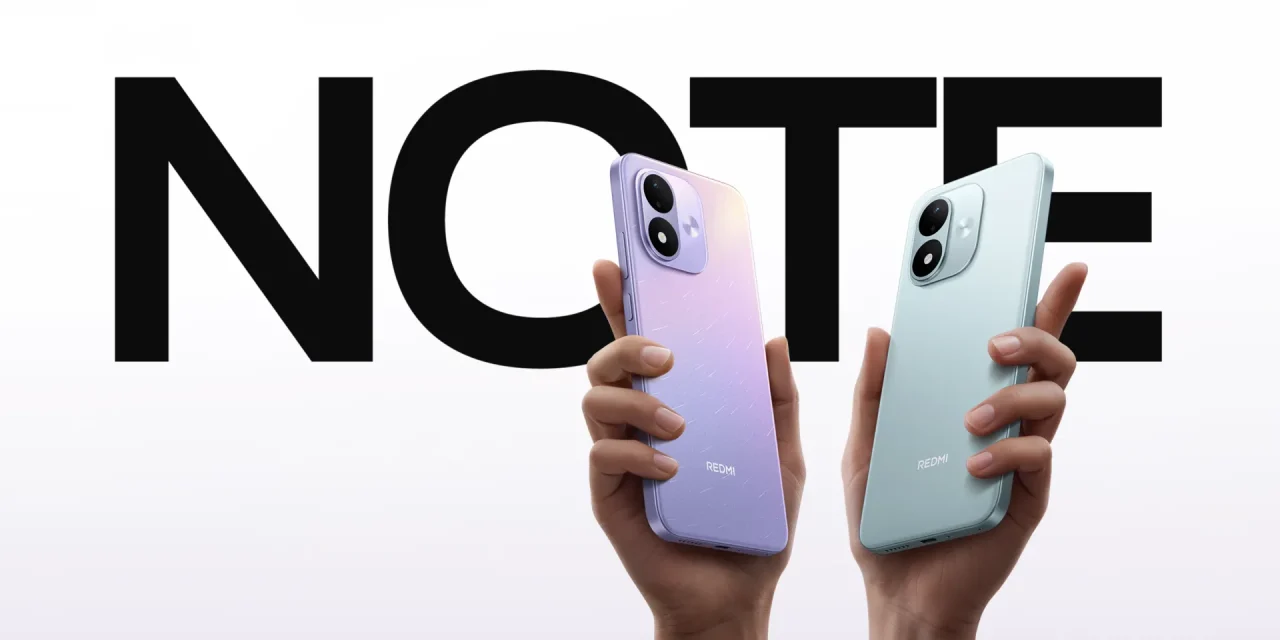
Kicking off the hardware roundup is the REDMI Note 17 4G, representing the entry-level tier of Xiaomi’s globally recognized Note lineage in the Indonesian market. Alongside its siblings—the REDMI Note 17 5G, Note 17 Pro, and Note 17 Pro Max—the 4G variant is strategically positioned to capture budget-conscious consumers who prioritize screen estate and software features over next-generation network speeds.
Priced natively at Rp3,999,000 for the 6GB/128GB configuration and Rp4,299,000 for the 6GB/256GB model, Xiaomi has introduced aggressive promotional pricing—dropping the entry price to Rp3,699,000 through the end of October. The device centers around an expansive 6.99-inch AMOLED display, delivering an FHD+ resolution paired with a fluid 120 Hz refresh rate, making it exceptionally suited for media consumption and text scrolling. Under the hood, the smartphone relies on Qualcomm’s Snapdragon 6s 4G Gen 2 system-on-chip, paired with a remarkably large 7,700 mAh battery that supports 45W fast charging. Imaging duties are handled by a 50MP primary rear sensor and a 16MP front-facing camera. Operating on Xiaomi’s ecosystem via Xiaomi HyperOS 3, the device integrates advanced productivity tools such as Google Gemini and Circle to Search, enhancing its appeal as a daily productivity driver.
Motorola Moto G37: Democratizing 5G Connectivity and Rugged Durability

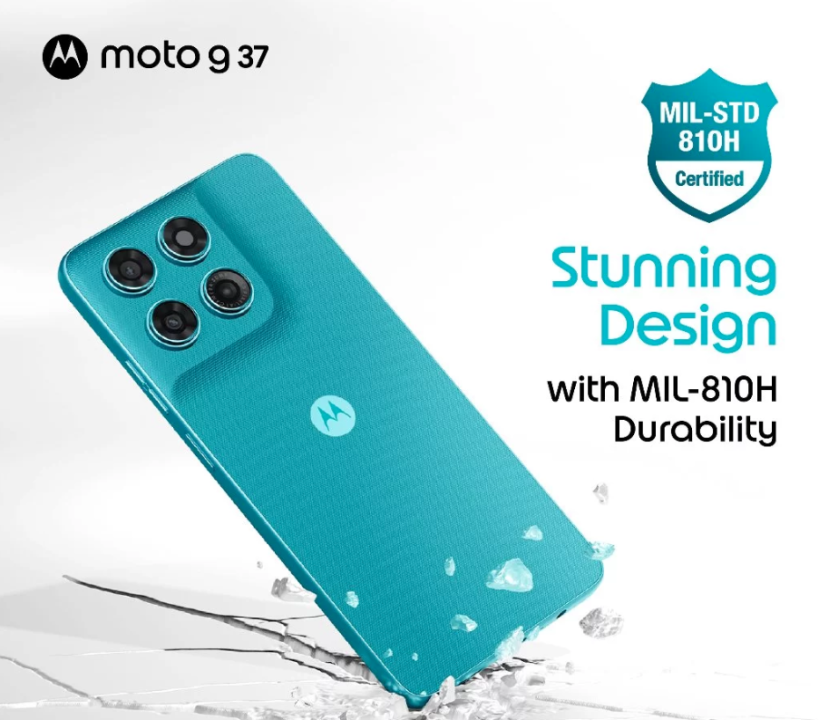
For users prioritizing future-proof network capabilities without stretching their budgets, the Motorola Moto G37 emerges as a compelling contender. Marketed aggressively as one of the most accessible 5G-enabled smartphones in its class, the Moto G37 retails at Rp3,799,000 for a 4GB RAM and 64GB storage configuration.
At its core, the device utilizes MediaTek’s Dimensity 6300 SoC, which brings native 5G connectivity to a lower price point. The visual interface consists of a 6.67-inch IPS LCD panel with HD+ resolution and a 120 Hz refresh rate, achieving a peak brightness of 1,050 nits and fortified by Corning Gorilla Glass 7i protection. Despite its lower price tier, Motorola has equipped the handset with notable durability accreditations, including an IP64 rating for dust and splash resistance, alongside MIL-STD-810H military-grade certification for environmental resilience. The imaging suite features a 50MP primary sensor utilizing Quad Pixel technology alongside an 8MP selfie shooter. Fueled by a 5,200 mAh battery with 20W charging support, and running out-of-the-box on Android 16 with stereo speakers tuned by Dolby Atmos, the Moto G37 targets field workers and media enthusiasts seeking robust build quality.
vivo Y31d: Fusing Heavy-Duty Endurance with Rapid Charging
vivo maintains its strong footprint in the mid-range sector with the introduction of the vivo Y31d, a device engineered specifically to address battery anxiety. Available at an introductory price of Rp3,599,000 for the 4GB + 128GB variant, the device sets a high benchmark for endurance by packing a 7,200 mAh battery paired with 44W FlashCharge technology, ensuring that users can rapidly replenish the massive power cell.
Processing performance is driven by the reliable Snapdragon 685 chipset, coupled with a 6.75-inch IPS LCD display featuring an HD+ resolution and a 120 Hz refresh rate. While the device remains restricted to 4G connectivity, it runs the contemporary Android 16 operating system layered with OriginOS 6. Photography is managed by a 50MP main camera coupled with a 2MP depth sensor, alongside an 8MP front camera. Notably, vivo has emphasized structural integrity by bestowing the Y31d with IP68, IP69, and IP69+ ingress protection ratings, alongside enhanced drop-resistance architecture. This makes the device an optimal choice for industrial workers, delivery personnel, and outdoor enthusiasts who require resilience against water, high-pressure steam, and physical impacts.
realme C100x: Pushing Battery Capacity Limits and Structural Resilience
Pushing the envelope of energy capacity even further, the realme C100x enters the market with an unprecedented 8,000 mAh battery designed to withstand extreme thermal conditions and maintain optimal health for up to seven years. Supported by 45W fast charging, the device aims to eliminate charging downtime entirely.
Retailing at Rp3,339,000 for the 6GB + 128GB model and Rp3,799,000 for the 6GB + 256GB version, the realme C100x is built around realme’s proprietary ArmorShell protection framework, engineered to withstand drops from heights of up to 2 meters. The chassis also carries an IP64 dust and water-resistance rating. Visual output is delivered via a 6.8-inch IPS LCD panel featuring an HD+ resolution and a 120 Hz refresh rate. Processing is handled by the Unisoc T7250 chipset, paired with LPDDR4X RAM and eMMC 5.1 storage. The camera configuration consists of a 50MP rear primary shooter and a 5.0MP front-facing camera, balancing foundational photography needs with exceptional endurance metrics.

TECNO Spark 50: Feature-Rich Connectivity and Emergency Communication Tools
Rounding out the core selections, the TECNO Spark 50 offers tiered pricing configurations to accommodate varying budgets: Rp3,060,000 for the 4GB + 128GB variant, Rp3,500,000 for the 6GB + 128GB model, and Rp3,700,000 for the top-tier 8GB + 128GB version.
The device features a 7,000 mAh battery supporting 18W charging and integrates NFC functionality. Its display spans 6.78 inches utilizing an IPS LCD panel with HD+ resolution and a 120 Hz refresh rate, driven by a MediaTek Helio G81 processor. Photography is supported by a 50MP primary camera and an 8MP front sensor, enhanced by software tools like AI FlashSnap. A standout innovation on the TECNO Spark 50 is FreeLink 2.0, a proprietary communication protocol allowing direct device-to-device interaction in areas with weak or absent cellular network infrastructure, spanning distances of up to 1.5 kilometers in unobstructed outdoor environments. Operating on HiOS 16 based on Android 16, and backed by an IP64 splash-resistance rating, the Spark 50 caters to adventurous users and those living in remote connectivity zones.
Comparative Analysis and Strategic Consumer Guidance

Analyzing the current three-million rupiah smartphone landscape reveals clear differentiation strategies among manufacturers. Consumers seeking balanced multimedia features and modern software ecosystems will find the REDMI Note 17 4G particularly appealing due to its high-resolution AMOLED panel and integrated AI tools. Conversely, buyers prioritizing future-proof cellular speeds will gravitate toward the Motorola Moto G37 for its affordable 5G implementation and rugged military-grade chassis.
For field workers and users whose primary metric is absolute battery longevity, devices like the vivo Y31d and realme C100x offer exceptional value through batteries exceeding 7,000 mAh, rapid charging profiles, and advanced dust-and-water ingress protections (up to IP69+). Meanwhile, TECNO addresses specialized communication needs via its off-grid FreeLink technology, appealing to outdoor explorers. Ultimately, prospective buyers must evaluate their individual use cases—balancing raw processing power, network standards, display fidelity, and physical durability—while remaining mindful of localized promotional pricing structures and retail availability.