In a significant diplomatic development aimed at de-escalating the protracted conflict in Eastern Europe, delegations from Russia, the United States, and Ukraine are scheduled to convene for a high-stakes trilateral summit in Abu Dhabi, United Arab Emirates. The meeting, slated to commence on Tuesday, November 10, 2026, marks one of the most critical attempts in recent years to establish a framework for dialogue between the warring parties and their primary international stakeholders.
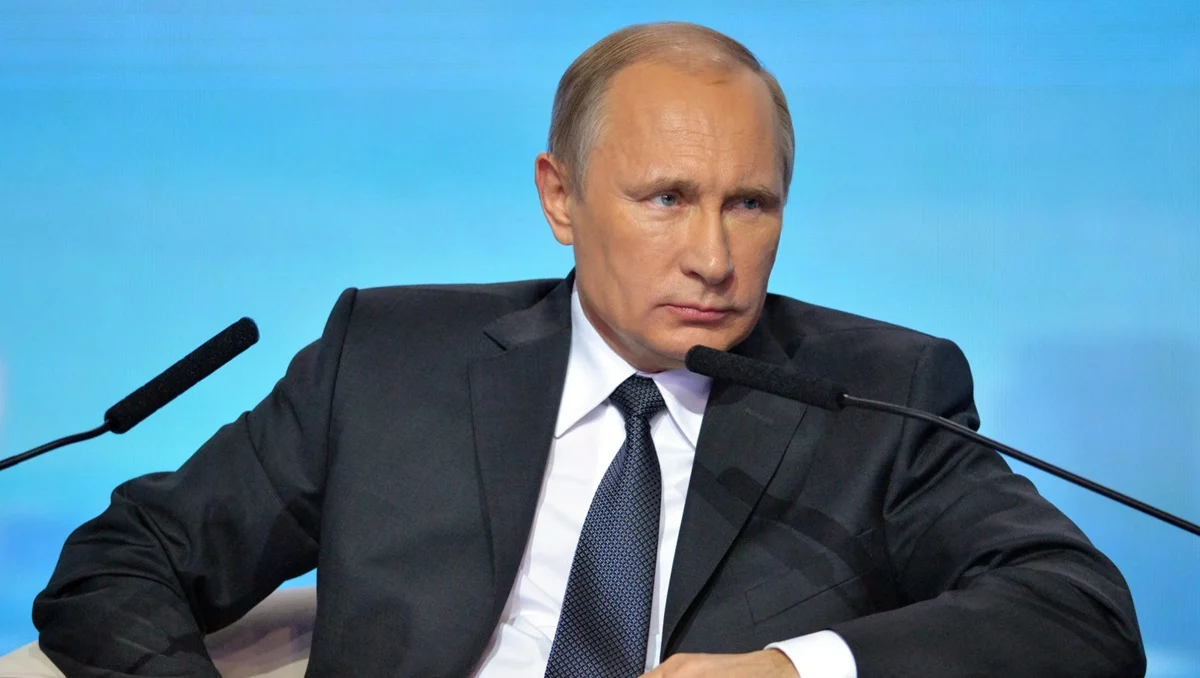
The announcement was formally confirmed by Russian President Vladimir Putin during a high-level briefing with the permanent members of the Russian Security Council on Friday, November 6, 2026. According to official Kremlin transcripts and reports from the state-affiliated news agency TASS, the Russian delegation is preparing for an intensive two-day engagement, underscoring the urgency of the situation on the ground and the global pressure for a negotiated settlement.
The Strategic Importance of the Abu Dhabi Summit
The selection of Abu Dhabi as the host city is widely viewed by geopolitical analysts as a strategic choice. The United Arab Emirates has consistently maintained a stance of "active neutrality" throughout the conflict, positioning itself as a reliable mediator capable of hosting delegations from opposing sides. This diplomatic environment offers a neutral ground where the Kremlin, Washington, and Kyiv can engage in sensitive discussions without the immediate domestic political pressures inherent in Western or Russian capitals.
President Putin’s coordination with his security inner circle—including notable figures such as Vladimir Medinsky, head of the Russian negotiating team; Igor Kostyukov, head of the Main Intelligence Directorate (GRU); Yuri Ushakov, the presidential foreign policy advisor; Mikhail Galuzin, Deputy Foreign Minister; and Sergei Ryabkov, Deputy Foreign Minister—indicates that Moscow is approaching these talks with a comprehensive strategy involving both diplomatic and security-focused components.
Chronology of the Conflict and the Path to Negotiation
To understand the weight of this upcoming meeting, it is essential to contextualize the path that led the three nations back to the negotiating table. The conflict, which entered a period of unprecedented intensity over the last two years, has seen shifting frontlines, severe economic sanctions, and significant humanitarian repercussions.
- Early 2022: The escalation of hostilities led to the severance of almost all diplomatic communication between Moscow and Western capitals.
- Mid-2023 to 2025: Several attempts at localized ceasefires failed, primarily due to disagreements over territorial integrity and security guarantees.
- Early 2026: A convergence of factors, including global economic instability and the unsustainable human cost of the protracted war, began to shift the political calculus.
- November 2026: The confirmation of the Abu Dhabi summit represents the first formal, direct, and trilateral effort to address the structural issues underlying the conflict since the escalation began.
The decision to include the United States as a direct participant alongside Russia and Ukraine highlights the reality that the conflict has evolved into a multi-dimensional geopolitical struggle. Washington’s role, while officially that of a partner to Ukraine, is recognized by Moscow as a decisive factor in both the supply of military aid and the imposition of economic pressure. By bringing the U.S. into a trilateral format, the summit acknowledges that any lasting resolution requires the consensus of the world’s leading nuclear powers.
Analysis of the Stakes
The objectives of the participants, while currently shielded by diplomatic protocol, are expected to be fundamentally divergent. Russia has historically emphasized the need for "security guarantees" that limit the eastward expansion of NATO and the recognition of the new territorial realities on the ground. Ukraine, conversely, has maintained its position on the restoration of its internationally recognized borders and the pursuit of long-term security assurances, potentially including future alignment with Western security structures.
The United States enters the discussion with a focus on regional stability and the preservation of the post-Cold War security architecture in Europe. Analysts suggest that Washington’s presence is intended to ensure that any potential agreement does not compromise the sovereignty of its allies or lead to a power vacuum that could be exploited by other regional actors.
The humanitarian aspect remains the most pressing concern for the international community. Millions of displaced persons, the destruction of critical energy infrastructure, and the looming threat of long-term economic stagnation in the region necessitate a rapid resolution. However, the complexity of the security guarantees remains the primary obstacle to a breakthrough.
Official Responses and International Expectations
While the official tone from the Kremlin remains measured, the invitation of high-ranking security officials to the Abu Dhabi delegation suggests that Moscow is prepared to discuss substantive matters, including potential prisoner exchanges, humanitarian corridors, and perhaps a phased de-escalation of military activity.
Washington has historically been cautious about direct negotiations with Moscow without the full participation and consent of Kyiv. The trilateral nature of the Abu Dhabi talks suggests a shift in policy, likely designed to ensure that Ukraine remains an equal partner in the negotiation process while benefiting from the diplomatic weight and security expertise provided by the United States.
Kyiv has yet to issue a detailed statement regarding its specific agenda for the Abu Dhabi meeting, but official sources indicate that the Ukrainian delegation will prioritize the immediate cessation of hostilities and the withdrawal of foreign forces from occupied territories. The international community, led by organizations such as the United Nations and various European powers, has expressed guarded optimism. Global financial markets, which have been sensitive to the volatility caused by the conflict, are expected to watch the outcome of the two-day summit closely for any signs of a long-term stabilization.
Challenges and Future Implications
The success of the upcoming negotiations is not guaranteed. Historical precedents of similar summits suggest that the initial meetings are often used to establish the "rules of engagement" for future, more substantive rounds. The primary challenge lies in the deep-seated mistrust between the parties.
Furthermore, the domestic political landscape in all three countries plays a significant role. In Russia, the state’s narrative of the conflict remains tied to national security and internal stability. In the United States, foreign policy is subject to the dynamics of domestic electoral cycles and the global balance of power. In Ukraine, the imperative of national survival remains the guiding principle for all diplomatic endeavors.
If the Abu Dhabi summit yields a tangible agreement—even if only a temporary ceasefire or a framework for further dialogue—it could set a new trajectory for European security. Conversely, a failure to reach a consensus could entrench the parties further into their respective positions, prolonging the conflict and increasing the risk of miscalculation.
Conclusion: A Critical Juncture
As the delegates arrive in the United Arab Emirates, the eyes of the world are fixed on the potential for a diplomatic breakthrough. The presence of high-level security officials suggests that the participants are moving beyond symbolic gestures and into the realm of practical, albeit difficult, governance.
The next 48 hours in Abu Dhabi will serve as a barometer for the possibility of peace in an era defined by geopolitical fragmentation. While the road to a comprehensive peace treaty remains long and fraught with obstacles, the mere fact that the United States, Russia, and Ukraine are sitting at the same table is, in itself, a significant departure from the trend of the last few years. Whether this leads to a cessation of the fighting or remains a symbolic effort, the summit will undeniably be recorded as a pivotal moment in the history of the 21st century.
Observers expect that the aftermath of the summit will be characterized by a series of briefings, with the international community awaiting clarity on whether the trilateral format will be adopted as a permanent feature of the peace process or if it will be a one-off attempt to bridge an insurmountable divide. Regardless of the outcome, the commitment to meet in a neutral territory signifies that, at the very least, the necessity of dialogue has finally superseded the preference for continued military confrontation.