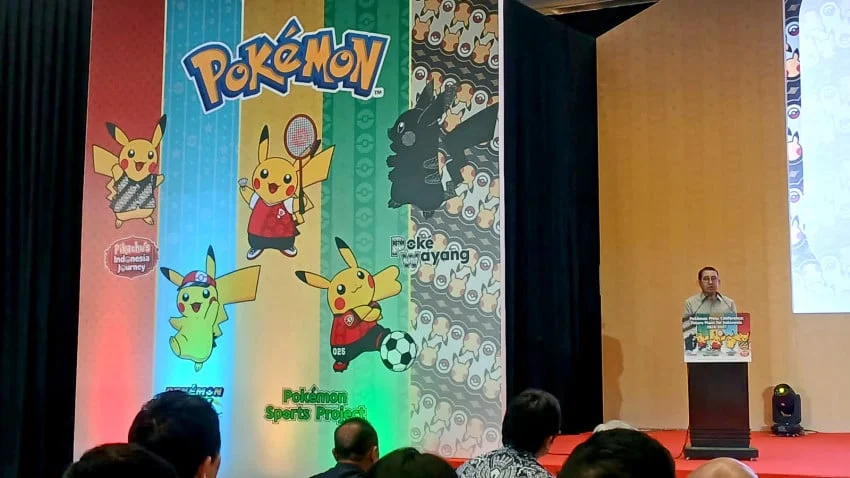
The Pokémon Company (TPC) officially unveiled a transformative strategic roadmap for the Indonesian market during the "Pokémon Press Conference: Future Plans for Indonesia 2026-2027" held in Kuningan, Jakarta, on Monday, September 14, 2026. The announcement marks a significant milestone in the franchise’s global expansion strategy, as it seeks to deepen its cultural integration within Southeast Asia’s largest economy. By blending high-technology entertainment with traditional Indonesian arts and grassroots sports development, TPC is positioning Pokémon as a multidisciplinary platform that transcends traditional gaming boundaries.
Minister of Culture Fadli Zon, who attended the conference, expressed strong support for the "Poke Wayang" initiative. This unique project seeks to bridge the gap between contemporary global pop culture and the ancient, revered art of Indonesian shadow puppetry. By incorporating Pokémon motifs into the traditional Wayang performance, the initiative aims to revitalize interest in cultural heritage among the younger generation while providing a unique localization strategy for the brand.
A Strategic Pivot: Merging Global Branding with Local Heritage
The decision to localize the Pokémon experience through "Poke Wayang" is indicative of a broader trend among global entertainment conglomerates to resonate more deeply with local audiences. Indonesia, with its demographic bonus and a rapidly expanding middle class, represents a high-priority market for TPC.
The integration of Pokémon into Wayang is not merely a marketing gimmick; it is an effort to make traditional culture accessible. Industry analysts suggest that by utilizing the high visibility of Pokémon characters, the Ministry of Culture hopes to increase the domestic consumption of indigenous arts. The collaboration is expected to feature workshops, performances, and digital displays that educate audiences on the intricate techniques of puppetry while highlighting the aesthetic versatility of Pokémon designs.
Expanding the Reach: The MilkLife Sports Project
Beyond cultural collaboration, the 2026-2027 roadmap emphasizes the role of the franchise in public health and youth development. In a strategic partnership with MilkLife, the "MilkLife Sports Project with Pokémon" aims to mobilize Indonesian youth toward more active lifestyles. This initiative is heavily focused on two high-potential sports in Indonesia: women’s football and badminton.
To provide credibility and momentum to the project, TPC secured the participation of legendary Japanese athletes. Former Japanese women’s football stars Mana Iwabuchi and Aya Miyama, alongside former world number one badminton player Kento Momota, were present to endorse the program. These athletes serve as ambassadors, illustrating how the discipline required in sports can be gamified and made more approachable for children through the Pokémon brand.
The choice of badminton and women’s football is calculated. Badminton is Indonesia’s most successful Olympic sport, while women’s football is currently undergoing a massive grassroots push across the archipelago. By leveraging the mascot power of characters like Pikachu, the project aims to reduce the barrier to entry for young girls entering competitive sports, fostering a healthier, more active generation.
Chronology of the Pokémon 30th Anniversary Celebrations
The announcement coincides with the lead-up to the 30th anniversary of the Pokémon franchise, which first debuted in Japan in 1996. The following timeline outlines the major strategic milestones leading to the current Indonesian expansion:

- 1996: Pokémon Red and Green versions are released on the Game Boy, initiating a global phenomenon.
- 2016: The launch of Pokémon GO triggers a global surge in interest, establishing the franchise’s viability in the mobile AR space in Indonesia.
- 2023-2024: TPC begins increasing its footprint in Indonesia through the "Pokémon Air Adventures" campaign, which featured Pikachu-themed aircraft.
- September 14, 2026: Official press conference in Jakarta outlining the 2026-2027 strategic vision, including the Poke Wayang project and the upcoming 30th-anniversary events.
- December 13, 2026: Scheduled date for the Pokémon RUN 30: Indonesia Edition at the Gelora Bung Karno (GBK) complex.
- 2027: Anticipated peak of anniversary celebrations, with the potential hosting of regional esports tournaments and international championship qualifiers in Southeast Asia.
Pokémon RUN 30: A Catalyst for Tourism and Community Engagement
The highlight of the athletic calendar for the franchise is undoubtedly the "Pokémon RUN 30: Indonesia Edition." Scheduled for December 13, 2026, the event is designed as a mass-participation fun run covering a 5-kilometer route. The course will wind through the iconic Gelora Bung Karno sports complex and the Sudirman central business district, areas that represent the heart of Jakarta’s modern urban landscape.
The event serves a dual purpose: celebrating the 30-year legacy of the franchise and promoting urban health initiatives. By hosting the event in central Jakarta, TPC is aiming for maximum visibility. Such events have historically proven to be significant draws for domestic tourism, attracting families from across West Java and beyond, which in turn benefits local small-to-medium enterprises (SMEs) operating within the hospitality and F&B sectors.
Economic and Cultural Implications
The aggressive expansion into Indonesia carries significant implications for both the local economy and the broader creative industry. First, the move signals that Indonesia is being viewed as a "hub" rather than just a "consumer base" for intellectual property. When a global brand invests in localizing its output—such as creating Poke Wayang—it necessitates the involvement of local puppeteers, craftspeople, and event organizers. This creates a value chain that supports local creative professionals.
Second, the esports angle remains a critical component of the 2026-2027 plan. While not detailed as extensively as the sports and cultural projects, TPC hinted at the strengthening of the Indonesian esports ecosystem. Given that Indonesia boasts one of the world’s most vibrant mobile gaming communities, the introduction of more structured Pokémon competitive play could provide a pathway for Indonesian gamers to enter the global professional circuit.
Finally, the government’s involvement—specifically the Ministry of Culture—suggests that this collaboration is viewed as a model for public-private partnerships. By aligning with a brand that carries immense "soft power," the Indonesian government can more effectively disseminate cultural programs to demographics that are otherwise difficult to engage through traditional channels.
Expert Analysis: The Sustainability of the Strategy
Industry observers note that the success of these initiatives will depend on the sustainability of the partnerships. While the launch event generated significant media coverage, the long-term impact on sports participation and cultural preservation will require consistent follow-through.
"The strategy is sound because it moves away from a one-size-fits-all model," says a spokesperson from a Jakarta-based creative agency. "By connecting with the Indonesian sports culture and the traditional arts, they are embedding themselves in the social fabric of the country. However, the true test will be whether they can maintain this momentum post-2027, once the 30th-anniversary buzz subsides."
TPC’s approach reflects a broader maturation of the global gaming industry, where software is increasingly treated as a gateway to lifestyle and wellness. By pivoting toward physical activity and heritage, the franchise is effectively future-proofing its relevance. For the Indonesian audience, this represents an opportunity to engage with a global brand on their own terms, blending the modern with the traditional.
As the countdown to December’s Pokémon RUN 30 begins, the focus will shift to execution. With the backing of high-profile athletes and the blessing of the Ministry of Culture, the stage is set for what promises to be an unprecedented era of Pokémon-related activity in Indonesia. Whether through the lens of a traditional shadow puppet show or the pavement of a 5K race, the message from the press conference is clear: Pokémon is no longer just a digital companion; it is becoming an integral part of the Indonesian community experience.