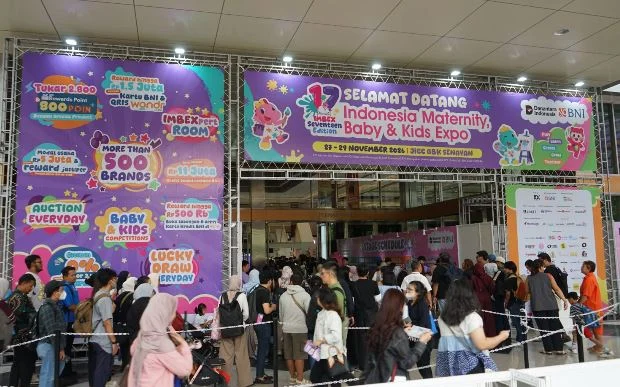
The Indonesia Maternity, Baby and Kids Expo (IMBEX) 2026 has officially commenced at the Jakarta International Convention Center (JICC) in Senayan, marking its 17th consecutive year as the premier platform for maternal and childcare solutions in Southeast Asia. Running from November 27 to 29, 2026, the event has shifted its primary focus this year toward the critical intersection of clinical support and educational empowerment for expectant mothers, highlighting the pivotal role of midwives in modern obstetric care.
While the exhibition floor remains filled with the latest innovations in infant nutrition, nursery equipment, and developmental toys, the core narrative of IMBEX 2026 emphasizes that physical preparedness for childbirth—represented by diapers, strollers, and clothing—is secondary to the mental and physiological readiness of the mother. By centering the dialogue on comprehensive pregnancy education, organizers are addressing a vital gap in maternal healthcare literacy.
A Legacy of Excellence: The Evolution of IMBEX
Since its inception, IMBEX has evolved from a simple retail exhibition into a cornerstone of the parenting ecosystem in Indonesia. Over nearly two decades, the event has served as a barometer for market trends in the baby product industry. However, the 17th iteration marks a strategic pivot toward social responsibility and public health awareness.
The event’s growth trajectory reflects the broader shift in Indonesia’s demographic landscape. With a rising middle class and increasing expenditure on maternal health, the demand for high-quality, evidence-based pregnancy information has reached an all-time high. The 2026 edition features over 300 participating brands and expects to draw more than 50,000 visitors, including expectant parents, healthcare professionals, and industry analysts.
The Indispensable Role of Midwives
At the heart of the IMBEX 2026 program is an intensified focus on the midwife-led model of care. The expo serves as a forum to reinforce the position of midwives not merely as clinical assistants during labor, but as primary health educators who bridge the gap between medical institutions and expectant families.
In many regions of Indonesia, particularly in rural and semi-urban areas, the midwife is the first point of contact for maternal care. Their role involves monitoring gestational progress, providing nutritional guidance, and managing the psychological stressors that often accompany pregnancy. By featuring dedicated workshops and seminars led by prominent members of the Indonesian Midwives Association (IBI), IMBEX 2026 aims to standardize the quality of counseling provided to mothers-to-be.
Clinical experts participating in the expo have emphasized that a well-informed mother is significantly less likely to experience birth-related complications. The curriculum provided at the expo includes sessions on pain management techniques, postpartum recovery, and the early signs of high-risk pregnancies that necessitate immediate intervention from obstetricians.
Data and Demographics: The Context of Maternal Health
The push for better education during the IMBEX 2026 event comes against the backdrop of ongoing efforts by the Indonesian government to lower maternal mortality rates (MMR). According to data from the Ministry of Health, while there has been significant progress in expanding access to healthcare facilities, the quality of care—defined by the depth of education and support provided to the mother—remains a critical variable.
Statistics from recent health surveys indicate that maternal readiness programs significantly decrease the incidence of neonatal complications. By integrating educational seminars into a retail-focused event, IMBEX 2026 successfully captures an audience that might otherwise lack access to formal prenatal education.
The expo organizers noted that attendee surveys conducted over the past five years revealed a growing preference for "integrated care." Parents are no longer just looking for products; they are actively seeking community-based support networks. This shift in consumer behavior has prompted the expo to allocate 40% more floor space to educational booths and consultation lounges compared to the 2024 event.
Official Responses and Industry Outlook
Representatives from the event’s organizing committee stated that the focus on education was a direct response to feedback from healthcare stakeholders. "The objective of IMBEX 2026 is to ensure that when a parent leaves the JICC, they are walking away with more than just products; they are leaving with the confidence and knowledge to navigate the challenges of parenthood," said a spokesperson for the event management team.
Industry analysts observe that this trend is likely to influence the retail sector as well. Brands that partner with educational initiatives are seeing higher levels of customer loyalty. The synergy between medical professionals and consumer goods manufacturers at IMBEX serves as a model for future industry collaborations, where products are marketed alongside the expertise required to use them safely and effectively.
Broader Implications for Maternal Healthcare
The ripple effects of the education-focused approach at IMBEX 2026 extend beyond the three days of the event. By fostering a culture of informed pregnancy, the expo contributes to a broader public health goal: the normalization of prenatal education as a standard component of pregnancy.
- Healthcare Accessibility: By highlighting the role of midwives, the event underscores the importance of strengthening the frontline of Indonesia’s healthcare system.
- Standardization of Knowledge: The event acts as a temporary hub for the dissemination of standardized medical guidelines, ensuring that parents are exposed to consistent, scientifically backed information.
- Empowerment: Providing mothers with the vocabulary and knowledge to ask the right questions during their medical checkups shifts the dynamic from passive patient to informed partner in their own care.
As the event continues through November 29, the organizers are focusing on the scalability of these initiatives. Discussions are underway regarding the creation of a digital repository for the seminar materials presented at IMBEX, allowing parents who could not attend in person to benefit from the expert insights shared during the panels.
Future Prospects: Beyond 2026
The success of IMBEX 2026 suggests that the future of the maternity industry lies in the fusion of technology, commerce, and education. As wearable health monitoring devices for pregnant women become more prevalent, the role of the educator—the midwife or the prenatal counselor—will become even more critical in interpreting that data for the patient.
The 17th IMBEX has effectively demonstrated that the commercial success of the baby product sector is inextricably linked to the health and education of the mother. By prioritizing human-centric support systems, the event organizers have set a new benchmark for what a consumer exhibition can achieve in terms of public impact.
In conclusion, IMBEX 2026 serves as a pivotal reminder that the preparation for a new life involves more than acquiring material assets. It is a complex process of building physical health, psychological resilience, and a solid foundation of knowledge, all of which are bolstered by the dedicated professionals who work tirelessly behind the scenes of Indonesia’s maternal healthcare system. As the doors close at the JICC on November 29, the long-term legacy of this year’s event will likely be measured by the increased number of informed, empowered, and better-prepared parents entering the next chapter of their lives.