
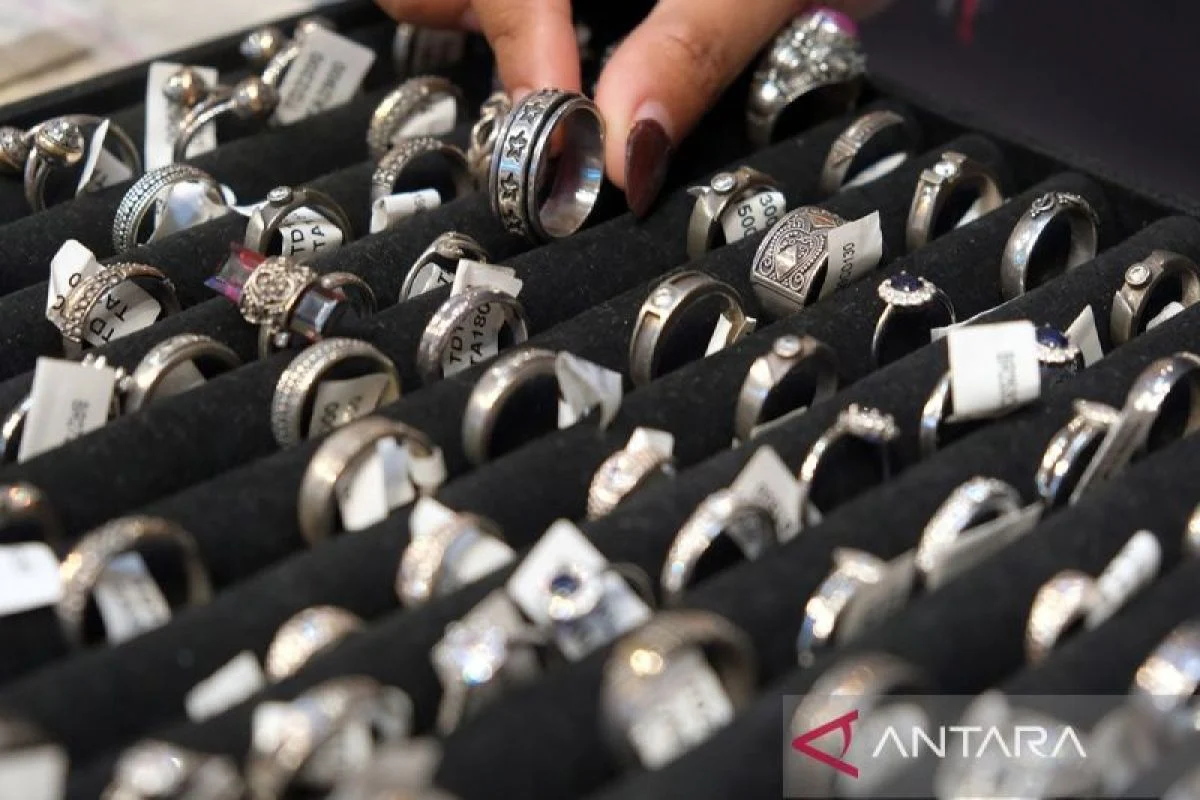
For decades, gold has reigned supreme as the undisputed "primadonna" of precious metal investments, a beacon of stability and a traditional hedge against economic uncertainty. However, a significant shift is underway in the investment landscape, with silver increasingly recognized as a compelling and accessible alternative, particularly for novice investors seeking to diversify their portfolios and safeguard wealth against inflationary pressures. This re-evaluation of silver’s investment potential comes at a time when global economies grapple with persistent inflation, fluctuating interest rates, and geopolitical tensions, making tangible assets more attractive than ever. Silver, with its relatively stable price, significantly lower entry cost compared to gold, and substantial industrial demand, presents a unique blend of characteristics that position it as a promising instrument for both capital preservation and growth. Its intrinsic value, coupled with its role in the rapidly expanding green technology sector, underpins a promising outlook for this often-underestimated precious metal.
The Enduring Allure of Silver: A Historical and Economic Perspective
Silver’s appeal is deeply rooted in human history, having served as a monetary standard, a medium of exchange, and a store of value for millennia. From ancient civilizations to the modern era, its lustrous beauty and intrinsic properties have made it a coveted commodity. Economically, silver shares many characteristics with gold, primarily its status as a safe-haven asset that tends to perform well during periods of economic instability or high inflation. However, silver distinguishes itself through its dual nature: it is both a monetary metal and a vital industrial commodity. This duality provides an additional layer of demand that gold largely lacks, influencing its price dynamics and long-term growth trajectory.
A Dual Identity: Monetary and Industrial Metal
Historically, silver was widely used in coinage, often alongside gold, forming bimetallic standards that underpinned global economies. While its direct monetary role has diminished in most modern financial systems, its intrinsic value as a precious metal endures, making it a popular choice for investors seeking a tangible asset. What truly sets silver apart in the contemporary market, however, is its extensive industrial application. Silver boasts the highest electrical and thermal conductivity of all metals, making it indispensable in a vast array of technologies. It is a critical component in electronics, including smartphones, computers, and medical devices. Its antibacterial properties find use in healthcare, and its reflective qualities are leveraged in mirrors and solar panels.
The Green Revolution’s Demand for Silver
The ongoing global transition towards green energy and sustainable technologies is a significant driver of silver demand, often referred to as the "green revolution effect." Solar photovoltaic (PV) cells, a cornerstone of renewable energy infrastructure, rely heavily on silver pastes for conductivity. As countries worldwide commit to reducing carbon emissions and expanding solar energy capacity, the demand for silver in this sector is projected to surge. Similarly, the burgeoning electric vehicle (EV) industry, with its complex electronic systems and battery technology, consumes substantial amounts of silver. This industrial demand creates a robust floor for silver prices and offers a compelling growth narrative distinct from purely speculative investment. Analysts from various financial institutions and precious metal consultancies have consistently highlighted the growing demand from these sectors, projecting a sustained increase in industrial consumption over the next decade. For instance, reports from the Silver Institute often forecast significant increases in silver demand from the solar and automotive industries, underscoring its pivotal role in the future economy.
Affordability and Growth Potential
Compared to gold, silver is significantly more affordable on a per-ounce basis, making it an accessible entry point for investors with smaller capital allocations. This affordability allows beginners to acquire tangible precious metal assets without the substantial upfront investment required for gold. While gold’s price per ounce typically ranges in the thousands of US dollars, silver’s price often hovers around the tens of dollars per ounce. This lower price point enables investors to accumulate more units of silver, providing greater flexibility in buying and selling, and potentially larger percentage gains during market upturns. Moreover, silver’s price tends to be more volatile than gold’s, which, while carrying higher risk, also presents opportunities for greater returns for those who can navigate its fluctuations strategically. This volatility is often amplified by its smaller market size compared to gold, meaning that relatively smaller shifts in supply or demand can have a more pronounced impact on prices.
Navigating the Silver Market: A Comprehensive Guide for Novice Investors
For individuals new to precious metal investing, understanding the various avenues and best practices for acquiring silver is crucial. The following comprehensive guide outlines practical steps and considerations to help beginners confidently enter the silver market.
1. Choosing the Right Form: Physical Silver Investment
The most traditional method of investing in silver involves acquiring physical metal. This can be in the form of coins or bars, each offering distinct advantages and considerations.
-
Bars vs. Coins: Practicalities and Preferences:
- Silver Bars (Bullion): Generally preferred for investment purposes due to their lower premium over the spot price of silver. Bars typically come in various sizes, from small 1-gram pieces to larger 100-ounce or 1,000-ounce bars. They are valued primarily for their metal content and purity, making them straightforward to buy and sell based on market prices. Their varied sizes also allow for flexible investment amounts and easier storage, especially for larger quantities.
- Silver Coins: While also bullion, coins can sometimes carry a numismatic or collectible premium in addition to their metal value, especially if they are limited editions, proofs, or historically significant. Popular investment coins include the American Silver Eagle, Canadian Silver Maple Leaf, and Austrian Silver Philharmonic. For beginners, it’s advisable to focus on common bullion coins where the premium is minimal, ensuring that the investment is primarily in the metal itself rather than collectible value. Coins offer the advantage of being easily recognizable and often have government-backed purity guarantees.
-
Starting Small: The Entry Point for Beginners:
- For novice investors, initiating purchases with smaller denominations, such as 1-gram, 10-gram, or 1-ounce silver pieces, is a prudent strategy. This approach allows investors to build their portfolio gradually, learn about market dynamics, and manage financial exposure without committing substantial capital upfront. Small-sized physical silver is also more liquid, meaning it can be more easily sold or traded when needed, without having to liquidate a large, single asset. This incremental accumulation strategy aligns with principles of dollar-cost averaging, reducing the impact of short-term price fluctuations.
-
Ensuring Authenticity: The Imperative of Reputable Sources:
- The authenticity of physical silver is paramount. Investors must exclusively purchase from highly reputable producers or authorized dealers. In Indonesia, PT ANTAM (Aneka Tambang), a state-owned mining company, is a trusted source for precious metals, including silver, offering products with guaranteed authenticity and accompanied by official certificates. Internationally, mints like the U.S. Mint, Royal Canadian Mint, Perth Mint (Australia), and the Royal Mint (UK) are recognized for their high-purity bullion products. Always ensure that any purchase is accompanied by an assay certificate or an official receipt verifying its weight and purity. Avoiding unverified sellers or suspiciously low prices is crucial to prevent counterfeit products.
-
Storage and Security Considerations:
- Physical silver requires secure storage. For small quantities, a home safe might suffice. However, as the investment grows, considering professional storage solutions such as secure vault services offered by banks or specialized precious metal depositories becomes advisable. These services typically provide insurance against theft or damage, offering peace of mind. The cost of storage and insurance should be factored into the overall investment strategy.
2. Embracing Digital Silver: Convenience and Accessibility
For those seeking convenience and liquidity without the logistical challenges of physical storage, digital silver investments offer an attractive alternative.
- Online Platforms and Digital Accounts:
- Several fintech applications and online precious metal dealers now provide platforms for investing in digital silver. These platforms allow investors to buy and sell silver virtually, with the underlying physical metal often held in secure vaults by the service provider. Examples include platforms like Indogold or treasury services offered by various banks and investment apps that allow users to buy fractional amounts of silver.
- The Advantages of Digitized Holdings:
- Convenience: Transactions can be executed instantly from a mobile device or computer, 24/7.
- No Storage Hassle: Eliminates the need for personal storage, security, and insurance costs.
- Liquidity: Digital silver is typically highly liquid, allowing for quick buying and selling at market prices.
- Fractional Ownership: Many platforms allow for the purchase of very small, fractional amounts of silver, further lowering the entry barrier for beginners.
- Understanding the Nuances of Digital Ownership:
- While convenient, investors should be aware of the nature of digital silver ownership. Some platforms offer "allocated" silver, where specific bars or coins are assigned to the investor, providing direct ownership. Others offer "unallocated" silver, where the investor owns a claim against a larger pool of silver held by the provider. Unallocated silver carries a higher counterparty risk, as the investor is essentially an unsecured creditor of the platform. Thorough research into the platform’s reputation, security measures, and the terms of ownership is essential.
3. Structured Investment Pathways: Building a Portfolio Gradually
Beyond direct physical or digital purchases, structured investment programs offer systematic ways to accumulate silver.
-
Savings and Installment Programs: Disciplined Accumulation:
- Some financial institutions and precious metal dealers offer silver savings or installment programs. These programs allow investors to make regular, small contributions (e.g., monthly payments) towards the purchase of silver. Once a certain amount or weight threshold is reached, the investor can choose to take physical delivery or convert their holdings into a larger bar or digital equivalent. This method promotes disciplined saving and investing, enabling individuals to build their silver portfolio over time without requiring a large initial capital outlay. It’s an excellent option for budget-conscious beginners aiming for long-term accumulation.
-
Exchange-Traded Funds (ETFs) and Mutual Funds: Diversified Exposure:
- For investors who prefer a hands-off approach and diversified exposure to the silver market, Exchange-Traded Funds (ETFs) and mutual funds focused on silver are viable options.
- Silver ETFs: These funds typically hold physical silver in secure vaults and issue shares that track the price of silver. Investing in a silver ETF means owning shares in a fund that directly represents physical silver, offering exposure to the metal’s price movements without the need for direct physical ownership or storage. They are highly liquid and can be bought and sold on stock exchanges like regular stocks.
- Silver Mutual Funds: These are professionally managed funds that invest in a portfolio of assets related to silver, which might include physical silver, silver mining company stocks, or silver derivatives. They offer diversification and professional management but typically come with higher management fees compared to ETFs.
- Both ETFs and mutual funds provide exposure to global silver prices, allowing investors to participate in the market with relatively measured risk, as the funds are managed by professionals. However, investors should be aware of management fees, tracking errors (how closely the fund tracks the actual silver price), and the inherent market risks associated with any investment.
- For investors who prefer a hands-off approach and diversified exposure to the silver market, Exchange-Traded Funds (ETFs) and mutual funds focused on silver are viable options.
4. Vigilance in the Market: Monitoring Price Movements
Successful precious metal investing, even for beginners, requires a degree of market awareness.
- Factors Influencing Silver Prices:
- While silver tends to appreciate over the long term, its price can exhibit significant short-term fluctuations. Key factors influencing silver prices include:
- Global Industrial Demand: Economic growth, particularly in manufacturing and technology sectors, directly impacts industrial silver consumption.
- Monetary Policy and Inflation: Loose monetary policies and rising inflation typically boost demand for precious metals as inflation hedges. Conversely, rising interest rates can make non-yielding assets like silver less attractive.
- U.S. Dollar Strength: As silver is priced in U.S. dollars, a stronger dollar generally makes silver more expensive for international buyers, potentially dampening demand and lowering prices.
- Geopolitical Events: Wars, political instability, and other global crises often trigger safe-haven buying, pushing up silver prices.
- Supply Dynamics: Mining output, recycling rates, and existing stockpiles also play a role in price determination.
- The Importance of Long-Term Perspective:
- For beginners, adopting a long-term investment horizon is advisable. While short-term volatility can be unsettling, silver’s fundamental role as an inflation hedge and its growing industrial demand suggest a positive long-term outlook. Regularly monitoring news from the precious metals sector, economic indicators, and technological advancements will help investors stay informed.
- While silver tends to appreciate over the long term, its price can exhibit significant short-term fluctuations. Key factors influencing silver prices include:
5. Holistic Understanding: Assessing Strengths and Risks
Before committing capital, a thorough understanding of silver investment’s advantages and disadvantages is crucial for developing a realistic strategy.
-
Benefits: Inflation Hedge and Diversification:
- Inflation Hedge: Silver, like gold, has historically served as a reliable hedge against inflation, preserving purchasing power when fiat currencies lose value.
- Portfolio Diversification: Adding silver to a portfolio can reduce overall risk, as precious metals often exhibit a low correlation with traditional assets like stocks and bonds.
- High Liquidity: Physical and digital silver can be relatively easily converted to cash.
- Tangible Asset: Physical silver provides a sense of security as a tangible asset, free from counterparty risk often associated with paper assets.
-
Risks: Volatility and Market Sensitivity:
- Higher Volatility: Silver is generally more volatile than gold due to its smaller market size and significant industrial demand, which makes it more susceptible to economic cycles.
- Storage and Insurance Costs: For physical silver, these can eat into returns.
- Counterparty Risk: For digital silver or ETFs, there’s a reliance on the solvency and integrity of the platform or fund manager.
- Fabrication Premiums: The cost of manufacturing bars and coins (premiums) can be significant, especially for smaller denominations.
- Taxes: Capital gains taxes may apply when selling silver at a profit, depending on local regulations.
Expert Insights and Market Sentiment: Perspectives on Silver’s Future
Financial analysts and investment advisors are increasingly vocal about silver’s potential. Many see it as an undervalued asset with significant upside, especially given its integral role in future technologies.
-
Analyst Projections for Industrial Demand:
- "The demand for silver from the solar and electric vehicle sectors alone is set to be a game-changer," states a leading commodity analyst, reflecting a common sentiment across the industry. "As the world accelerates its shift towards renewable energy and electrification, silver’s industrial footprint will only expand, creating a robust demand floor that wasn’t as prominent a decade ago." These projections often include specific figures, with some predicting double-digit percentage growth in industrial silver consumption over the next five to ten years.
-
Investment Advisors on Portfolio Allocation:
- Investment advisors frequently recommend a small allocation to precious metals (typically 5-15% of a portfolio) for diversification and inflation hedging. "For beginners or those with limited capital, silver offers an accessible entry point into this vital asset class," advises a wealth manager. "Its correlation with gold, combined with its distinct industrial demand drivers, makes it an intelligent addition to a well-diversified portfolio, especially when considering the current inflationary environment." They emphasize starting small, understanding the market, and taking a long-term view.
-
Market Trends and Investor Confidence:
- The increasing availability of diverse silver investment products, from digital platforms to structured savings plans, reflects growing investor confidence and market innovation. This trend is democratizing access to precious metals, allowing a broader spectrum of individuals to participate. The ease of online transactions and the transparency offered by reputable dealers further enhance this positive market sentiment.
Secure Acquisition: Ensuring Authenticity and Best Practices
To ensure that investors acquire genuine silver products, adherence to secure purchasing methods is non-negotiable.
-
Direct Purchases from Authorized Dealers (e.g., ANTAM):
- Visiting official boutiques or authorized physical outlets of reputable producers like ANTAM in Indonesia guarantees the authenticity and quality of the silver. These establishments provide official receipts, certificates of authenticity, and often have expert staff who can guide beginners through the purchasing process. This method provides immediate physical possession and reduces the risk of fraud.
-
Online Marketplaces: Due Diligence and Verification:
- For online purchases, selecting well-established and highly-rated online dealers is paramount. Always check customer reviews, verify their physical address, and ensure they offer secure payment gateways and insured shipping. Legitimate online dealers will provide clear product descriptions, purity details, and certification. It is also wise to compare prices across several reputable dealers to ensure competitive rates, but never compromise on authenticity for a slightly lower price.
-
The Role of Certification and Assay:
- Every purchase of physical silver, especially bars, should ideally come with an assay certificate. This document verifies the purity and weight of the metal, often bearing a unique serial number that matches the product. For coins, look for recognized mint marks and packaging that indicates their authenticity. This documentation is crucial for future resale and ensures the investor’s peace of mind regarding their asset’s legitimacy.
Broader Implications: Silver’s Role in a Resilient Investment Strategy
The rising prominence of silver as an investment choice carries broader implications for individual investors and the precious metals market.
-
Democratizing Precious Metal Investment:
- Silver’s affordability effectively lowers the barrier to entry for precious metal investment, making it accessible to a wider demographic, including young investors and those with more modest budgets. This democratizing effect ensures that the benefits of precious metal diversification are not exclusive to high-net-worth individuals.
-
Contributing to Portfolio Stability:
- In an increasingly volatile global economy, assets that offer stability and act as inflation hedges are invaluable. Silver, with its dual demand drivers and intrinsic value, provides a reliable component for building resilient investment portfolios capable of weathering economic storms and preserving purchasing power over the long term.
-
The Future Landscape of Silver Investment:
- The confluence of robust industrial demand from green technologies, its traditional role as a monetary metal, and its growing appeal to new investors suggests a bright future for silver. As global economies continue to evolve, and the imperative for sustainable development intensifies, silver’s strategic importance as both a commodity and an investment asset is only expected to grow.
In conclusion, while gold retains its crown, silver has undeniably carved out a significant niche as a compelling and accessible investment alternative. For beginners, its affordability, promising growth potential driven by industrial demand, and established role as an inflation hedge make it an attractive entry point into the world of precious metals. By following prudent investment strategies, ensuring authenticity, and staying informed about market dynamics, novice investors can confidently leverage silver to build a diversified and resilient financial future.
