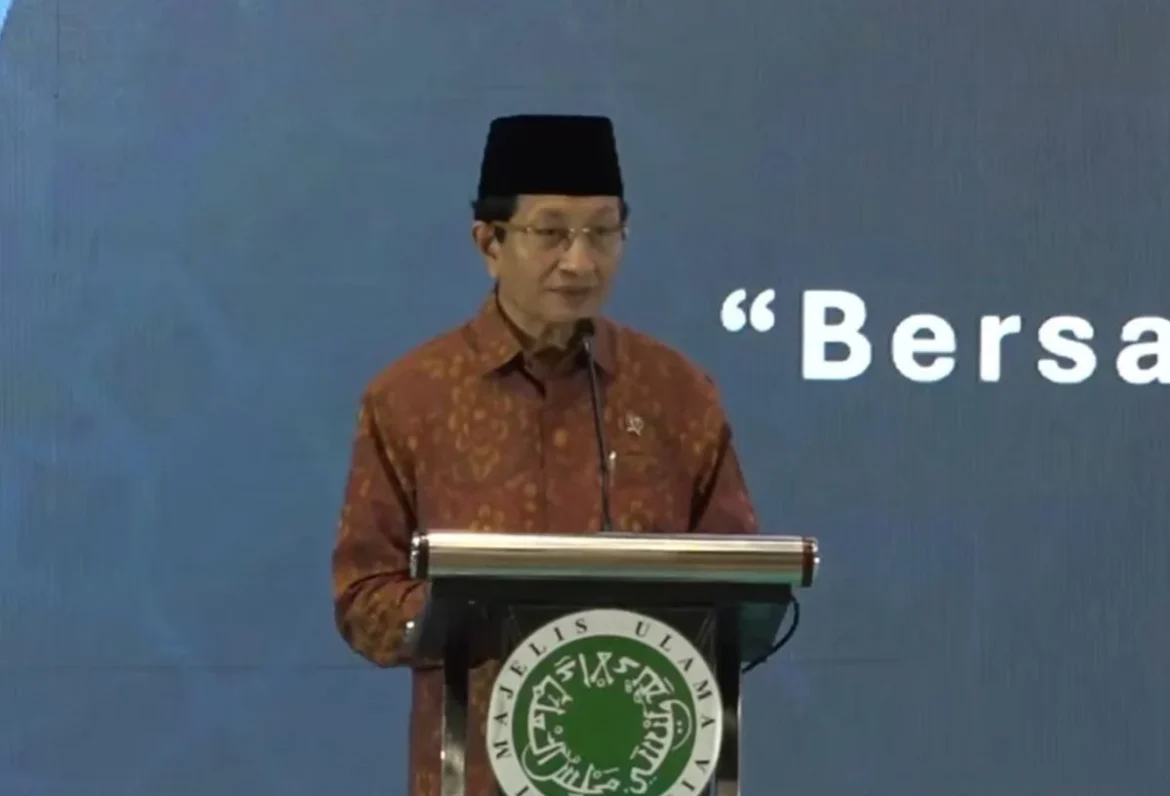
The Indonesian Transport Society (MTI) has issued a significant warning regarding the proposed policy of implementing Work From Home (WFH) for civil servants (ASN) and private sector employees every Friday, cautioning that it may not be the singular solution to reduce fuel consumption and could inadvertently create a new phenomenon dubbed ‘Pergi Jumat Kembali Ahad’ (PJKA), or ‘Depart Friday Return Sunday’. This sentiment, articulated by MTI Secretary General Aditya Dwi Laksana during a press conference in Jakarta on Wednesday, April 15, 2026, underscores a crucial debate on urban mobility, energy policy, and the nuanced behavioral responses to such initiatives.
The Genesis of the WFH Friday Proposal
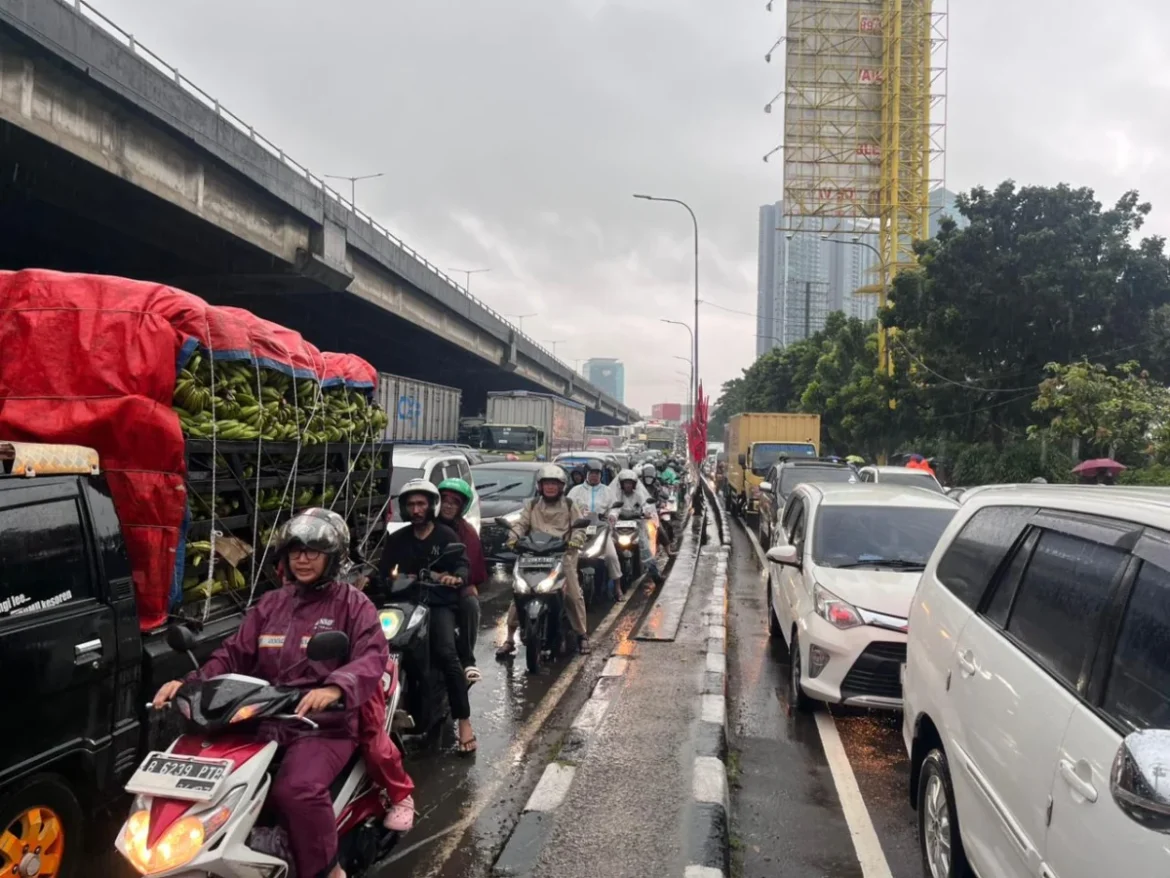
The discussion around mandating WFH on Fridays for a segment of the workforce stems from a confluence of factors currently challenging Indonesia’s major urban centers, particularly Jakarta. Persistent traffic congestion, alarming levels of air pollution, and the considerable national expenditure on fuel subsidies have prompted the government to explore innovative solutions. With millions commuting daily into and within the capital, any measure that could alleviate these pressures is considered. The WFH Friday proposal was initially floated as a potential strategy to reduce the volume of daily commuters, thereby theoretically decreasing vehicle emissions, easing traffic bottlenecks, and ultimately lowering fuel consumption across the board. Proponents often highlight the success stories of WFH during the COVID-19 pandemic, which demonstrated a tangible, albeit temporary, reduction in urban traffic and an improvement in air quality. The government’s broader agenda includes fostering a more sustainable urban environment and optimizing resource allocation, making WFH an attractive policy lever.
MTI’s Stance and the ‘Pergi Jumat Kembali Ahad’ Hypothesis
Aditya Dwi Laksana of MTI meticulously outlined his organization’s reservations, emphasizing that while the intention behind the WFH Friday policy might be noble, its execution could lead to unintended consequences. "This WFH could result in a shift towards non-productive travel," Laksana stated. He elaborated that selecting Friday for WFH is particularly problematic because of its immediate proximity to the weekend. For many, Friday already marks the end of the work week, and the prospect of an extended long weekend, even if only by a few hours or a day, could incentivize travel away from urban centers.
The ‘Pergi Jumat Kembali Ahad’ (PJKA) phenomenon describes a scenario where employees, freed from their Friday commute, choose to travel to tourist destinations or their hometowns (pulang kampung) starting Friday afternoon, returning to the city on Sunday evening. Instead of reducing overall travel, this could merely redistribute it, potentially shifting traffic from daily urban commutes to intercity or inter-regional leisure travel. This shift could lead to increased congestion on arterial roads leading out of major cities on Friday afternoons and evenings, and similar congestion on Sunday evenings as people return. Furthermore, such leisure travel often involves longer distances than daily commutes, potentially negating or even surpassing any fuel savings achieved during the working week. MTI argues that without a comprehensive understanding of these behavioral shifts, the policy risks failing to meet its primary objective of reducing national fuel consumption.
The Broader Context of Fuel Consumption in Indonesia
Indonesia, as a rapidly developing nation with a vast archipelago, faces significant challenges in managing its energy consumption. The country remains heavily reliant on fossil fuels, particularly for its transportation sector. Data from the Ministry of Energy and Mineral Resources (ESDM) consistently shows that transportation accounts for a substantial portion of national fuel demand, with private vehicles being the primary consumers. For instance, in recent years, gasoline consumption for transportation has hovered around tens of millions of kiloliters annually, with diesel also contributing significantly. Government subsidies on fuel have historically placed a considerable burden on the state budget, prompting continuous efforts to manage demand and explore alternative energy sources or efficiency measures.
The government’s long-term energy goals include reducing dependence on fossil fuels, enhancing energy efficiency, and promoting renewable energy. Policies like WFH are often seen as part of a broader package aimed at achieving these targets, particularly in the short to medium term, by influencing demand-side management. However, MTI’s warning highlights the complexity of such interventions, suggesting that a superficial approach might overlook deep-seated societal habits and economic incentives that drive fuel consumption.
Mobility Patterns and Urban Congestion
Jakarta’s urban mobility landscape is notoriously complex. With a metropolitan population exceeding 30 million, the city consistently ranks among the most congested in the world. Pre-pandemic, daily commutes often spanned hours, leading to significant economic losses due to lost productivity, increased stress levels, and substantial environmental pollution. While public transportation networks like the MRT, LRT, and TransJakarta have expanded, their capacity and reach are still insufficient to fully accommodate the massive daily influx of commuters. The majority still rely on private vehicles, especially motorcycles, for their daily travel.
The pandemic-induced WFH period offered a glimpse into a different future, where traffic levels plummeted, and air quality improved noticeably. However, as economic activity resumed, traffic quickly returned to pre-pandemic levels, indicating that the underlying issues of urban sprawl, inadequate public transport, and a car-centric culture persist. MTI’s concern about the PJKA phenomenon directly addresses this resilience of travel demand, suggesting that if daily commutes are suppressed, the latent demand for mobility will simply find new outlets, particularly for leisure, given the opportunity.
Call for Comprehensive Evaluation and Integrated Policies
In light of these potential pitfalls, MTI strongly advocates for a robust and comprehensive evaluation framework for the WFH Friday policy. Aditya Laksana stressed the necessity of conducting "before and after" analyses to genuinely ascertain the policy’s effectiveness. Such an evaluation should not merely track fuel consumption but also monitor a broader range of metrics, including:
- Volume of Travel: Differentiating between urban daily commutes and intercity/leisure travel. This requires granular data from traffic sensors, mobile network providers, and potentially surveys.
- Fuel Consumption Patterns: Analyzing shifts in fuel sales from urban service stations to those on intercity routes, and overall national consumption figures.
- Changes in Mobility Patterns: Understanding how people adapt their travel habits, including increased use of public transport on certain days, adoption of shared mobility services, or a definitive increase in weekend travel.
- Economic Impact: Assessing the effects on local businesses (e.g., eateries, retail stores) in office districts, and conversely, the potential boost for tourism-related businesses in other regions.
- Environmental Impact: Measuring changes in air quality not just in major cities but also along popular intercity travel corridors.
Beyond evaluation, MTI urges the government to integrate WFH with a suite of other complementary policies. These could include:
- Further Investment in Public Transportation: Expanding networks, improving reliability, and making public transport more attractive to a wider demographic.
- Staggered Work Hours: Implementing flexible work schedules that spread peak hour demand, reducing congestion without necessarily eliminating commutes.
- Urban Planning and Decentralization: Encouraging the development of mixed-use zones and satellite cities to reduce the need for long-distance commuting.
- Incentives for Eco-Friendly Transport: Promoting cycling, walking, and electric vehicles through infrastructure development and financial incentives.
- Road Pricing or Congestion Charges: Implementing measures to disincentivize private vehicle use during peak hours in congested areas.
Reactions from Other Stakeholders (Inferred/Plausible)
The MTI’s statement is likely to elicit varied responses from different segments of society:
- Government Officials: Officials from the Ministry of Transportation might acknowledge MTI’s concerns, emphasizing that the WFH Friday policy is still under review and that thorough impact assessments are ongoing. The Ministry of Energy and Mineral Resources would likely reiterate its commitment to fuel efficiency and demand management, perhaps suggesting that WFH is one tool among many. The Ministry of Administrative and Bureaucratic Reform, responsible for ASN welfare, might highlight potential benefits such as improved work-life balance and productivity for civil servants, while also agreeing on the need for careful implementation.
- Business Sector: Organizations like the Indonesian Chamber of Commerce and Industry (KADIN) or the Indonesian Employers Association (APINDO) might express mixed feelings. While WFH could reduce operational costs for some businesses, particularly those with large office footprints, it could also negatively impact businesses reliant on daily office worker traffic (e.g., urban food stalls, small retail). They might advocate for flexibility rather than a mandatory blanket policy.
- Environmental Groups: Groups dedicated to environmental sustainability would likely support any policy that genuinely reduces emissions and improves air quality. However, they would concur with MTI on the need for rigorous analysis to ensure that WFH doesn’t inadvertently shift environmental burdens or create new ones, especially if the PJKA phenomenon leads to increased long-distance travel and its associated carbon footprint.
- Commuters/Public: The general public’s reaction would likely be polarized. Many might welcome the prospect of a longer weekend, appreciating the perceived freedom and opportunity for leisure or family time. However, those who choose to travel might face increased weekend traffic and higher costs for transport and accommodation in tourist areas, potentially negating the benefits.
Potential Economic and Social Implications
The widespread adoption of WFH on Fridays, particularly if the PJKA phenomenon takes hold, carries significant economic and social implications.
Positive Impacts:
- Reduced Daily Commute Stress: For urban residents, a four-day in-office week could significantly reduce daily stress, potentially leading to improved mental health and overall well-being.
- Boost for Regional Tourism: The PJKA phenomenon could stimulate local economies in tourist destinations outside major cities, creating jobs and distributing wealth more broadly.
- Less Wear-and-Tear on Urban Infrastructure: Reduced daily traffic could lessen the strain on city roads and public transport infrastructure, potentially extending their lifespan.
Negative Impacts:
- Impact on Urban Service Sectors: Businesses like restaurants, cafes, and convenience stores in central business districts, which rely heavily on the weekday office crowd, could suffer significant revenue losses.
- Strain on Intercity Transport Infrastructure: A surge in weekend travel could overwhelm intercity roads, railways, and airports, leading to new congestion points and potentially higher travel costs.
- Increased Carbon Footprint from Longer Weekend Trips: If the longer distances covered in leisure travel outweigh the fuel savings from reduced daily commutes, the policy could inadvertently increase overall carbon emissions.
- Changes in Urban Development: A sustained shift in work patterns could influence future urban planning, potentially leading to a decentralization of services or a rethinking of residential-commercial zoning.
The Path Forward: Data-Driven Policy Making
The MTI’s timely intervention underscores the critical importance of data-driven policymaking. In a country as diverse and dynamic as Indonesia, blanket policies, even with good intentions, can yield unexpected outcomes. The path forward must involve:
- Rigorous Pilot Programs: Implementing the WFH Friday policy in selected areas or for specific government agencies first, to gather real-world data before a wider rollout.
- Continuous Monitoring and Adaptation: Establishing mechanisms for ongoing data collection and analysis, allowing the government to adapt the policy based on its observed impacts.
- Public Consultation and Engagement: Involving various stakeholders, including transport experts, urban planners, business leaders, environmentalists, and the public, in the policy formulation and review process.
- Holistic Approach to Urban Mobility: Recognizing that WFH is just one component of a much larger strategy needed to address complex issues like traffic, pollution, and energy consumption. This strategy must integrate infrastructure development, technological innovation, and behavioral nudges.
In conclusion, while the prospect of WFH every Friday offers an appealing vision of reduced urban congestion and environmental benefits, the warning from the Indonesian Transport Society serves as a vital reminder that policy interventions must be thoroughly vetted. The ‘Pergi Jumat Kembali Ahad’ phenomenon is a plausible outcome that highlights the intricate interplay between policy, human behavior, and broader societal infrastructure. Only through comprehensive evaluation, integrated policy design, and a commitment to data-driven decision-making can Indonesia hope to achieve its goals of sustainable urban mobility and energy efficiency.