
Recent medical research has underscored a significant paradigm shift in how we perceive daily physical activity, suggesting that intensity may be just as vital as duration. For individuals struggling to find time for hour-long gym sessions, scientific evidence now indicates that a brief, 15-minute bout of brisk walking can serve as a potent catalyst for longevity and cardiovascular health. This finding challenges the traditional "more is better" mantra, offering a more attainable goal for busy professionals and those leading sedentary lifestyles.
The evolution of these findings stems from two landmark studies conducted over the past decade, which utilized extensive data sets to map the relationship between movement patterns and mortality. The first, led by Dr. Wei Zheng, analyzed data from approximately 85,000 participants over a longitudinal period spanning 2002 to 2023. The study, published in the American Journal of Preventative Medicine, highlights a stark contrast in health outcomes: individuals who committed to at least 15 minutes of brisk walking daily experienced a nearly 20 percent reduction in early mortality rates. In comparison, those who spent over three hours walking at a casual, slow pace saw only a 4 percent risk reduction.
The Chronology of Research and Data Methodology
The research landscape began to solidify in the early 2010s, as wearable technology allowed scientists to track human movement with unprecedented precision. The second major study, featured in the British Journal of Sports Medicine, leveraged data from the UK Biobank, one of the world’s most comprehensive health databases. Between 2013 and 2015, researchers provided 100,000 adults with wrist-worn accelerometers to monitor their physical activity over seven consecutive days. These participants were then tracked for approximately eight years to correlate their movement habits with mortality outcomes.
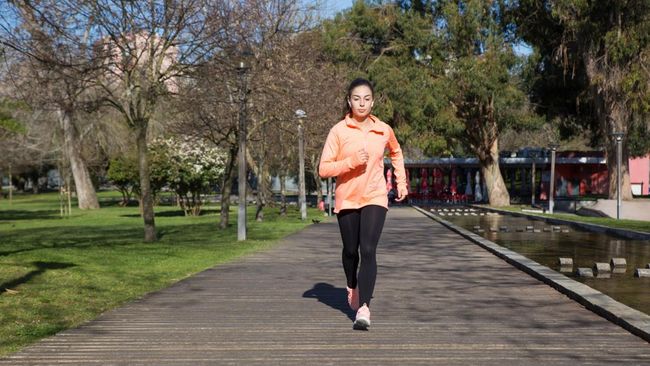
The methodology utilized in the UK Biobank study was unique in its focus on "peak cadence." Rather than simply measuring the total number of steps, researchers analyzed the rhythm and intensity of those steps over a 30-minute window. The findings were revealing: individuals who managed fewer than 5,000 steps per day—but maintained a brisk pace of 80 steps per minute—achieved a 28 percent lower risk of premature death. When the intensity was dialed up to 100 steps per minute with a total daily volume of 7,500 to 10,000 steps, the risk reduction soared to 43 percent. This data confirms that for those with limited time, speed serves as a powerful multiplier for health benefits.
Physiological Mechanisms Behind the Gains
The core question facing public health experts remains: why does a mere 15-minute increase in intensity yield such profound biological results? The answer lies in the cardiovascular and respiratory demands placed on the body. When a person transitions from a casual stroll to a brisk walk, the heart rate increases and oxygen consumption rises significantly. This creates a positive physiological stressor—a form of exercise stimulus that forces the heart to become more efficient and the lungs to expand their capacity.
According to Dr. Andrew Freeman, director of cardiovascular prevention at National Jewish Health in Denver, the correlation between walking speed and health outcomes is logical. "We have long known that walking speed correlates with health results. It is an indicator of baseline physical condition," Dr. Freeman noted. He emphasizes that those who can maintain a brisk pace often possess a more robust cardiovascular system, which in turn acts as a buffer against chronic disease.
Amanda Paluch, PhD, a noted researcher in the field, further explains that this type of movement functions as a training stimulus. By consistently challenging the body through slightly higher intensity, individuals trigger long-term improvements in fitness, metabolic rate, and circulation. While these studies are observational—meaning they demonstrate a strong correlation rather than a direct cause-and-effect relationship—the consistency of the data across thousands of participants provides a compelling roadmap for preventative health.

Broader Public Health Implications
Beyond the primary goal of extending lifespan, the systemic benefits of regular, brisk walking are extensive. Modern clinical data suggests that consistent daily movement—even in short bursts—is a formidable tool in managing weight, regulating cholesterol levels, and reducing systemic inflammation. Perhaps most significantly, emerging studies are pointing toward the neurological benefits of walking.
For aging populations, the prevention of cognitive decline is a major priority. Evidence suggests that regular daily activity is associated with a lower risk of developing dementia and Alzheimer’s disease. Walking stimulates blood flow to the brain, which helps maintain neural plasticity and reduces the risk of white matter lesions that often precede cognitive impairment. Furthermore, the psychological impact of 15 minutes of daily movement cannot be overstated. By improving sleep quality and regulating stress hormones like cortisol, a 15-minute brisk walk acts as a low-cost, high-reward intervention for mental health.
Practical Application for the General Public
The transition from sedentary to active does not require a significant lifestyle overhaul. The beauty of the 15-minute brisk walking protocol lies in its accessibility. For the average office worker, this could be achieved during a lunch break or by choosing a slightly more energetic pace while commuting.
It is important to note that these findings are not intended to discourage casual walking. Every step counts toward better health. Walking at a leisurely pace still contributes to weight management, joint health, and immune function. However, the data provides a strategic option: for those who cannot increase their duration, increasing their intensity provides a viable alternative to achieve similar, if not superior, health outcomes.

As Dr. Zheng concludes, the goal is to integrate movement into the fabric of daily life. Whether one chooses to walk 10,000 steps slowly or 5,000 steps quickly, the overarching message remains the same: the body is designed for movement. By prioritizing even a short, 15-minute window of intentional, brisk activity, individuals can significantly improve their long-term health trajectory, proving that the path to longevity may be shorter than previously thought.
Conclusion and Future Outlook
As urban planning continues to evolve, the integration of pedestrian-friendly spaces will likely become an even more critical component of public health strategy. With the rise of remote work and the sedentary nature of digital-age employment, the need for "micro-exercise" interventions is more pressing than ever.
The evidence is clear: while marathons and high-intensity interval training are excellent for those with the time and physical capacity, they are not the only pathways to health. A consistent 15-minute brisk walk is a sustainable, low-impact, and highly effective habit that fits into almost any schedule. By reframing exercise as a series of manageable, daily commitments rather than an insurmountable task, public health officials hope to inspire a broader demographic to reclaim their health, one brisk step at a time. This research serves as a definitive reminder that the most effective health intervention is often the one that can be sustained consistently over a lifetime.