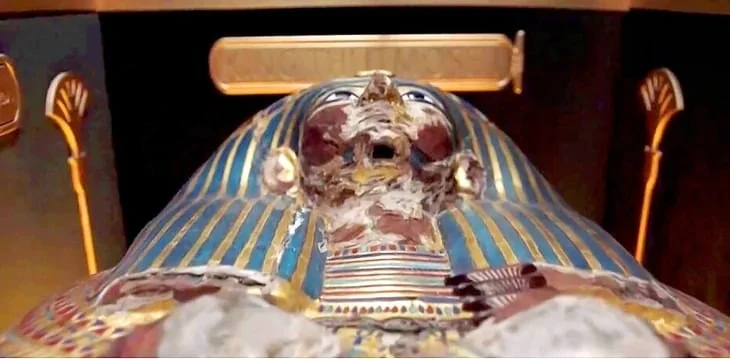
For centuries, the practice of consuming pulverized Egyptian mummies—a medicinal curiosity known as Mumia vera aegyptiaca—was dismissed by modern historians as a morbid superstition or a grotesque relic of medieval pseudoscience. However, recent scientific inquiry has unearthed a startling revelation: these ancient preparations may have possessed genuine pharmacological properties capable of inhibiting the influenza virus. A landmark study published in the Proceedings of the National Academy of Sciences (PNAS) has shed new light on the chemical composition of these "mummy medicines," suggesting that the substances used in ancient Egyptian embalming processes contained potent, bioactive compounds that transcend mere historical fascination.
The Historical Context of Mumia
The consumption of mummies for medicinal purposes, known as "mummia," originated in the Islamic world and subsequently permeated European medical practices between the 12th and 17th centuries. Initially, the term "mumia" referred to the bitumen—a naturally occurring petroleum substance—that was thought to seep from rocks and possess healing properties. When Europeans encountered the black, resinous appearance of Egyptian mummies, they conflated the two, assuming the embalmed remains were saturated with this "miracle" bitumen.
By the Renaissance, the demand for mummies as medicine had reached a fever pitch. Apothecaries across Europe stocked jars filled with ground mummy remains, which were prescribed for a vast spectrum of ailments. Physicians of the era claimed that "Mumia" could cure everything from internal bleeding, broken bones, and epilepsy to respiratory distress and general malaise. This demand was so intense that it fueled a thriving, albeit illicit, international trade in ancient remains, leading to widespread looting of Egyptian tombs and the eventual depletion of accessible burial sites.
Chronology of the Trade and Regulation
The trade in human remains was not without its consequences. By the 16th century, the surge in demand outstripped the supply of authentic ancient Egyptian mummies. This scarcity triggered a dark turn in the industry: opportunistic merchants began producing counterfeit "mummy medicine" using the bodies of recently deceased criminals, slaves, or even the bodies of those who had died of plague.
The historical timeline of this practice is marked by several significant phases:
- 12th Century: The term "mumia" begins appearing in European medical texts, incorrectly identifying Egyptian embalming resins as therapeutic bitumen.
- 14th–15th Century: The trade expands significantly as medical practitioners in Western Europe embrace the substance as a "panacea."
- 16th Century: Egyptian authorities, alarmed by the desecration of archaeological sites, issue formal prohibitions against the export of mummified remains.
- 17th–18th Century: The medical community begins to express skepticism regarding the efficacy of mummy medicines as anatomical science advances and the Enlightenment encourages empirical testing over tradition.
- 19th Century: The practice is largely relegated to history, viewed as a barbaric misunderstanding of medicinal chemistry.
Scientific Analysis: Deciphering the Composition
The recent study published in PNAS represents a significant leap forward in understanding the chemical reality behind these historical claims. Researchers conducted an exhaustive analysis of 24 samples of mummified remains and related substances curated in various university archives and pharmaceutical museums.
Using advanced analytical chemistry techniques—including gas chromatography-mass spectrometry (GC-MS)—the research team sought to identify the specific organic compounds present in the embalming mixtures. The results were unexpected. While previous historians assumed that the "efficacy" was entirely psychosomatic, the data indicated the presence of complex botanical derivatives. Specifically, the researchers identified significant concentrations of compounds derived from Aloe vera.

This discovery is crucial because Aloe vera contains secondary metabolites known for their anti-inflammatory, antimicrobial, and—most importantly—antiviral properties. When combined with the bitumen and plant resins traditionally used in the mummification process, these ingredients created a sophisticated chemical concoction that, while likely intended for preservation, possessed an unintentional secondary function: protection against viral pathogens.
Mechanisms of Action: The Influenza Connection
The study suggests that the interaction between the mummy resins and the influenza virus is not merely accidental. The researchers observed that certain compounds found in the embalming samples were capable of protecting human cells from the influenza A virus (IAV) in vitro.
The mechanism appears to involve the inhibition of viral entry or the reduction of viral replication within host cells. While the researchers emphasize that they are not suggesting a return to using human remains for medicine, the identification of these compounds provides a roadmap for modern pharmacology. By isolating the specific plant-based resins and extracts used by ancient Egyptian embalmers, scientists may be able to synthesize new, more effective antiviral treatments inspired by these ancient recipes.
Broader Implications for Pharmacognosy
This research underscores the value of interdisciplinary collaboration between archaeologists, chemists, and virologists. Pharmacognosy—the study of medicinal drugs derived from plants or other natural sources—has often overlooked historical "quackery" in favor of documented herbal traditions. This study suggests that historical records, even those that seem bizarre, may contain kernels of truth that have been lost to modern medical paradigms.
Furthermore, the study serves as a cautionary tale about the ethics of historical research. The 24 samples used in the study were obtained from legitimate institutional collections. However, the legacy of the mummy trade remains a sensitive topic in Egyptology and international heritage law. The fact that these remains—once stolen and sold as commodities—are now yielding data that could potentially save modern lives is a profound irony. It highlights the importance of preserving archaeological materials, as they continue to offer insights that go far beyond historical or cultural significance.
Official Responses and Future Research
While no major medical institution has called for the clinical implementation of "mummy extracts," the scientific community has lauded the study for its rigor. Experts in virology note that the chemical complexity of ancient resins is vast, and the study of these substances could lead to the discovery of novel bioactive molecules that have not been encountered in modern botanical studies.
Future research is expected to focus on the specific anti-influenza components of the embalming mixtures identified in the PNAS study. If these compounds can be synthesized, they could theoretically be integrated into current antiviral drug development pipelines. The study also opens the door for further analysis of other "bizarre" historical remedies, which, when analyzed through the lens of modern molecular biology, may prove to be far more sophisticated than previously believed.
Conclusion
The transformation of "mummy medicine" from a discarded historical curiosity to a subject of serious scientific study illustrates the evolving nature of medical history. The revelation that ancient Egyptian embalming practices inadvertently created a substance with antiviral properties does not validate the medieval practice of consuming human remains. Instead, it provides a fascinating intersection of archaeology and modern science. By analyzing the chemistry of the past, researchers are uncovering ancient knowledge that could inform the future of medicine, proving that even the most obscure artifacts of human history can still contribute to the ongoing quest to protect human health against viral threats. As the scientific community continues to explore these ancient chemical landscapes, the lessons learned from the mummies of Egypt will undoubtedly continue to resonate within the halls of modern laboratory research.