• Home
  • About Us
  • Contact Us
  • Cookies Policy
  • Disclaimer
  • DMCA
  • Privacy Policy
  • Terms and Conditions
Dara News Media
keep your memories alive
National News

Case File for Acid Attack on Activist Andrie Yunus to be Transferred to Military Court, Sparking Calls for Transparency and Justice Reform

by Lina Irawan June 18, 2025
written by Lina Irawan

The highly anticipated legal proceedings surrounding the acid attack on prominent human rights activist Andrie Yunus are set to advance significantly tomorrow, April 16, 2025, with the formal transfer of the case file to the Military Court II-08 Jakarta. This crucial development marks a pivotal moment in a case that has drawn widespread national and international attention, highlighting persistent concerns over the safety of human rights defenders and the efficacy of Indonesia’s military justice system. Colonel Chk Andri Wijaya, Head of the Military Prosecutor 07-II Jakarta, confirmed the impending handover, scheduled for 10:00 AM Western Indonesia Time (WIB), and assured media access for comprehensive coverage. The announcement has reignited calls from civil society organizations and legal experts for a transparent and impartial trial, emphasizing the need for justice for victims of violence, particularly those targeted for their advocacy work.

Background: Andrie Yunus and the Legacy of KontraS

Andrie Yunus is an activist with the Commission for the Disappeared and Victims of Violence (KontraS), one of Indonesia’s most steadfast and vocal human rights organizations. Established in 1998 during the tumultuous period leading to the fall of the New Order regime, KontraS has a long and distinguished history of advocating for victims of state violence, enforced disappearances, torture, and extrajudicial killings. The organization has consistently championed justice for past abuses, pushed for military and police reform, and monitored the human rights situation across the archipelago. Andrie Yunus, in his capacity as an activist, has been integral to KontraS’s mission, often involved in documenting abuses, providing legal aid, and campaigning for accountability. The attack on him, therefore, is not merely an assault on an individual but is widely perceived as an attack on the broader human rights movement and the fundamental right to freedom of expression and assembly in Indonesia. Activists like Yunus frequently operate in challenging environments, facing intimidation, threats, and physical violence due to their unwavering commitment to exposing injustice and holding powerful actors accountable.

The Attack: A Timeline of Violence and Investigation

The brutal acid attack on Andrie Yunus occurred on the evening of December 12, 2024, as he was returning home from a day of advocacy work. The incident, which took place in a residential area of Jakarta, left Yunus with severe burns and significant trauma, requiring extensive medical treatment and a prolonged recovery period. Eyewitness accounts, though limited, suggested the involvement of two individuals on a motorcycle who swiftly fled the scene after dousing Yunus with a corrosive liquid. The immediate aftermath saw a surge of public outrage and condemnation from various sectors of society, including human rights organizations, student groups, and political figures. KontraS, along with other civil society groups, swiftly launched a campaign demanding a thorough and expedited investigation, emphasizing the need to identify not only the perpetrators but also any masterminds behind the attack.

The police investigation, which commenced shortly after the incident, initially faced challenges in identifying suspects. However, through diligent forensic work and intelligence gathering, authorities eventually apprehended several individuals believed to be involved. Crucially, it emerged that at least one of the primary suspects was an active member of the Indonesian military. This discovery immediately shifted the jurisdictional landscape of the case, moving it from the purview of civilian courts to the military justice system, a transition that has historically been a point of contention for human rights advocates in Indonesia. The involvement of military personnel underscored the potential for the attack to be politically motivated or linked to Yunus’s activism, amplifying concerns about state-sponsored intimidation against human rights defenders. The investigation phase leading up to the transfer of the case file has been closely watched, with human rights groups consistently pressing for transparency and a commitment to uncovering the full truth.

Indonesia’s Military Justice System: A Complex Landscape

The decision to try the suspected military personnel in a military court is mandated by Indonesian law, specifically Law No. 31 of 1997 on Military Courts. This legislation stipulates that active members of the armed forces accused of criminal offenses must be tried under the military justice system, regardless of whether their alleged crimes were committed in the line of duty or against civilians. While this legal framework aims to maintain discipline within the military, it has been a consistent source of criticism from human rights organizations and legal reform advocates for decades. Critics argue that the military justice system often lacks the transparency, independence, and impartiality inherent in civilian courts. Concerns frequently cited include:

  1. Lack of Transparency: Proceedings in military courts are often less open to public scrutiny compared to civilian trials, making it difficult for civil society to monitor the process and ensure fairness.
  2. Perceived Leniency: There is a widespread perception that military courts tend to hand down lighter sentences to their own personnel, particularly in cases involving abuses against civilians, compared to what would be expected in a civilian court.
  3. Limited Civilian Oversight: The system operates largely independently, with limited avenues for civilian oversight or accountability, which can hinder the pursuit of justice for civilian victims.
  4. Potential for Conflict of Interest: The prosecutors and judges within the military justice system are themselves military officers, raising questions about their ability to render judgments entirely free from institutional loyalty or pressure.

This historical context makes the Andrie Yunus case particularly sensitive. Human rights groups fear that the trial in a military court could impede the full disclosure of facts, particularly regarding potential command responsibility or wider networks involved in the attack, and ultimately compromise the pursuit of genuine justice for Yunus.

Demands for Ad Hoc Judges: Ensuring Impartiality

In light of the deep-seated concerns regarding the military justice system, a significant proposal has emerged from various quarters, including the Vice President-elect Gibran Rakabuming Raka and former Minister of Law and Human Rights Yusril Ihza Mahendra: the involvement of ad hoc judges in the trial. This suggestion, as highlighted in related news, calls for the inclusion of judges from outside the military structure, potentially civilian judges with expertise in human rights law, to sit alongside military judges. The rationale behind this proposal is to introduce an element of impartiality and civilian oversight, thereby enhancing public trust in the trial’s fairness and integrity.

Besok Berkas Perkara Andrie Yunus Dilimpahkan ke Pengadilan Militer

Yusril Ihza Mahendra, for instance, has confirmed that discussions on involving ad hoc judges would be held with the Supreme Court (MA), indicating a recognition at high levels of government of the need to address public skepticism. Proponents of ad hoc judges argue that their presence could ensure a more robust examination of evidence, a stricter adherence to human rights principles, and a greater likelihood of a verdict that satisfies the demands for justice. It would also serve as a potential mechanism to bridge the gap between the military justice system and civilian expectations of transparency and accountability. However, implementing such a measure would require careful legal consideration and potentially amendments or interpretations of existing laws, as the current framework for military courts does not typically include civilian judges in this capacity. The debate surrounding ad hoc judges underscores the profound importance of this case as a potential catalyst for reform within Indonesia’s legal framework for military personnel.

Human Rights Advocacy: A United Front

The attack on Andrie Yunus has galvanized the human rights community in Indonesia and beyond. KontraS, supported by a broad coalition of national and international non-governmental organizations, has maintained consistent pressure on authorities to ensure a fair, transparent, and comprehensive legal process. Statements from KontraS have repeatedly demanded:

  • Thorough Investigation: Not just into the direct perpetrators, but also into any individuals or entities that may have ordered or facilitated the attack.
  • Protection for Human Rights Defenders: A robust commitment from the state to ensure the safety and security of activists who often face threats for their work.
  • Transparency: Open access for civil society and media to monitor the trial proceedings.
  • Justice and Accountability: A verdict that reflects the gravity of the crime and holds all responsible parties accountable, regardless of their position or affiliation.

The case has also become a focal point for long-standing advocacy initiatives, such as the weekly "Kamisan Action" (Aksi Kamisan) held in front of the Presidential Palace. The image accompanying the original news, depicting the 902nd Kamisan Action, serves as a poignant reminder of the enduring struggle for justice for victims of human rights abuses in Indonesia. These silent protests, held every Thursday, symbolize the persistent demands for accountability that echo across various cases, including that of Andrie Yunus. Organizations like Amnesty International and Human Rights Watch have also issued statements condemning the attack and calling on the Indonesian government to uphold its international human rights obligations to protect activists and ensure justice for attacks against them. They emphasize that failing to secure justice in such a high-profile case could send a chilling message to other human rights defenders, potentially leading to a shrinking civic space.

Broader Implications: Precedent, Protection, and Reform

The outcome of the Andrie Yunus case holds significant implications for several critical aspects of Indonesian society:

  1. Precedent for Justice: This trial has the potential to set a crucial precedent for how cases involving military personnel accused of crimes against civilians are handled. A transparent and just verdict could bolster public confidence in the legal system, while a perceived whitewash could deepen cynicism and further erode trust in the military’s accountability mechanisms.
  2. Protection of Human Rights Defenders: The safety and security of human rights defenders are fundamental to a healthy democracy. A strong judicial response to the attack on Andrie Yunus would send a clear message that violence against activists will not be tolerated and that the state is committed to protecting those who speak truth to power. Conversely, an unsatisfactory outcome could embolden perpetrators and further endanger activists working on sensitive issues.
  3. Military Reform: The case places renewed scrutiny on the need for continued reform within the Indonesian military, particularly concerning its justice system. Calls for greater transparency, civilian oversight, and alignment with international human rights standards are likely to intensify, potentially leading to long-overdue legislative changes. The discussion around ad hoc judges is a direct reflection of this pressure for reform.
  4. Rule of Law: At its core, the case is a test of Indonesia’s commitment to the rule of law. Ensuring that justice is served, regardless of the perpetrator’s background, is essential for maintaining a society where everyone is equal before the law.

The Road Ahead: Monitoring the Trial

As the case file is transferred to the Military Court II-08 Jakarta, the focus will now shift to the trial proceedings themselves. Human rights organizations, media, and the public will be closely monitoring every stage, from the preliminary hearings to the presentation of evidence and the final verdict. The ability of the court to conduct a fair and open trial, to thoroughly examine all evidence, and to resist any potential institutional pressures will be paramount. The integrity of the judicial process will be judged not only by the legal outcome but also by its adherence to principles of transparency and due process. The involvement of independent observers, if permitted, could further enhance the credibility of the proceedings.

The Global Context: Threats to Human Rights Defenders

The attack on Andrie Yunus is not an isolated incident but rather reflects a global trend of increasing threats and violence against human rights defenders. According to reports from organizations like Front Line Defenders, hundreds of human rights defenders are killed or face serious attacks worldwide each year. In 2023 alone, Front Line Defenders documented the killings of 195 human rights defenders in 34 countries, with countless others facing arbitrary detention, judicial harassment, smear campaigns, and physical assaults. Latin America and Asia consistently rank among the most dangerous regions for activists. Such attacks aim to silence dissent, deter advocacy, and undermine democratic processes. The international community, including the United Nations and various human rights bodies, consistently calls on states to protect human rights defenders, investigate all attacks against them, and ensure accountability for perpetrators. The Andrie Yunus case, therefore, resonates far beyond Indonesia’s borders, serving as a stark reminder of the risks faced by those dedicated to upholding human dignity and justice globally.

Conclusion: A Test of Justice

The transfer of Andrie Yunus’s case file to the Military Court II-08 Jakarta marks a critical juncture in a deeply significant legal battle. It represents not just the pursuit of justice for an individual victim, but a broader struggle for accountability, transparency, and the protection of human rights in Indonesia. The eyes of the nation, and indeed the international community, will be fixed on the military court, observing whether it can deliver a verdict that upholds the principles of justice, strengthens the rule of law, and sends an unequivocal message that attacks on those who defend human rights will not go unpunished. The future credibility of Indonesia’s justice system, particularly its military component, hinges on the fairness and integrity of the proceedings that are now set to unfold.


June 18, 2025 0 comment
0 FacebookTwitterPinterestEmail
Travel & Tourism

Essential Guide for Umrah Pilgrims Planning a Visit to the Al-Aqsa Mosque Complex in Jerusalem

by Nana Muazin June 17, 2025
written by Nana Muazin

The Al-Aqsa Mosque complex, situated in the heart of the Old City of Jerusalem, remains one of the most spiritually significant and historically dense locations in the Islamic world, drawing thousands of pilgrims annually who seek to combine their Umrah pilgrimage to Saudi Arabia with a visit to the "Third Holiest Site." For Indonesian Muslims, this journey—often referred to as "Umrah Plus"—requires meticulous logistical planning, particularly regarding the complex visa regulations and the specific timeframe required for entry permits. As the rainy season descends upon the Levant, casting reflections of the golden Dome of the Rock in the puddles of the limestone courtyards, the necessity for early preparation becomes even more apparent for those wishing to pray in the footsteps of the prophets.

The Critical Timeline for Visa Procurement

The primary challenge for Indonesian pilgrims wishing to visit Jerusalem is the absence of formal diplomatic relations between Indonesia and Israel, which currently controls the borders and access points to the Al-Aqsa complex. Consequently, the visa process is unique and strictly regulated. Syam Resfiadi Amirysah, the Chairperson of the Indonesian Hajj and Umrah Association (Sapuhi) and Director of Patuna Syam Resfiadi Amirysah, emphasizes that the administrative process is not one that can be rushed.

According to Amirysah, the procurement of a visa for the Jerusalem leg of an Umrah trip typically requires a minimum of 40 working days. This timeframe is rigid and does not account for weekends or public holidays in the region. "If a pilgrim intends to continue their Umrah journey to Al-Aqsa, they must understand that the visa process takes 40 working days," Amirysah stated. "Effectively, this means travelers should register and submit their documentation at least two months prior to their scheduled departure date."

This two-month buffer is essential for travel agencies to compile a "manifest"—a comprehensive list of travelers that is submitted to regional partners in either Jordan or Egypt. Because Palestine does not issue its own independent visas for Indonesian passport holders, entry is facilitated through an Israeli-issued group permit or manifest, which is often processed through intermediaries in Amman or Cairo.

Documentation and Manifest Requirements

The "manifest" system is a collective visa application that requires detailed personal information that goes beyond standard passport data. To ensure a successful application, pilgrims must provide scanned copies of their passports (valid for at least six months from the date of travel) and specific biographical details.

A notable requirement in this process is the inclusion of parental information. Applicants are typically required to provide the names and phone numbers of their parents, a practice rooted in the security protocols of the issuing authorities. "The data required includes the names and contact numbers of the parents, alongside the high-resolution passport scans," Amirysah explained. These details are then forwarded to the relevant authorities in Israel through Jordanian or Egyptian travel partners.

The processing period is often a source of anxiety for pilgrims, as confirmation of the visa’s status frequently arrives only days before the flight. Amirysah advises that agencies and pilgrims should monitor the progress closely: "If the departure is on the 10th of the month, we usually receive word on whether the visa is granted or denied by the 5th or 7th. It is a process that requires patience and a high degree of organization to ensure that no one is left behind due to late submissions."

Historical and Spiritual Significance of the "Triple Journey"

The desire to visit Al-Aqsa alongside the Holy Cities of Mecca and Medina is rooted in the "Triple Journey" tradition. In Islamic eschatology and history, Al-Aqsa was the first Qibla (direction of prayer) before it was changed to the Kaaba in Mecca. It is also the site of the Isra Mi’raj, the miraculous night journey and ascension of the Prophet Muhammad.

The complex, known as Al-Haram ash-Sharif, houses both the Al-Qibli Mosque (with the lead-colored dome) and the Dome of the Rock (with the iconic gold dome). For many Indonesian pilgrims, the opportunity to offer a Friday prayer at Al-Aqsa is a life-changing event. However, the experience is often subject to the vagaries of the weather and the political climate. In early 2023, for instance, pilgrims faced a particularly cold and rainy winter, necessitating preparations for low temperatures and wet conditions while navigating the ancient, slippery stones of the Old City.

The Role of Regional Partners: Jordan and Egypt

Most Indonesian "Umrah Plus" packages utilize Jordan as the primary gateway to Jerusalem. Pilgrims typically fly from Saudi Arabia to Amman, from where they travel by land to the Allenby Bridge (also known as the King Hussein Bridge) crossing. This border crossing connects Jordan with the West Bank.

The logistics at the Allenby Bridge are notoriously rigorous. Pilgrims may spend several hours undergoing security screenings and document verification by Israeli border officials. Because Indonesia does not have a consulate in Israel, the travel agency’s partner in Jordan plays a vital role in coordinating with the border authorities to ensure the group manifest is recognized and processed.

Alternatively, some tours enter through the Taba border crossing from the Sinai Peninsula in Egypt. This route is often chosen by those who wish to combine their pilgrimage with a visit to Mount Sinai and the historic sites of Cairo. Regardless of the entry point, the 40-day visa rule remains the standard benchmark for Indonesian travelers.

Economic and Geopolitical Context

The religious tourism sector is a vital component of the Palestinian economy in East Jerusalem. Pilgrims from Indonesia, which has the world’s largest Muslim population, represent a significant market for local businesses, including hotels, restaurants, and souvenir shops in the Old City.

However, the flow of tourism is highly sensitive to the political situation. Any escalation in tensions within the region can lead to sudden border closures or the suspension of visa processing. This volatility is why experts like Amirysah stress the importance of working with experienced travel agencies that can provide real-time updates and have the insurance and infrastructure to handle sudden itinerary changes.

Furthermore, the "group manifest" system is designed specifically to facilitate religious tourism without requiring formal diplomatic recognition between the states. This allows thousands of Indonesians to fulfill their spiritual aspirations while navigating the complex geopolitical landscape of the Middle East.

Practical Advice for Pilgrims

Beyond the visa and documentation, pilgrims are encouraged to prepare for the physical and environmental realities of Jerusalem.

  1. Weather Preparation: Jerusalem’s climate differs significantly from the heat of Mecca and Medina. During the winter months (December through March), temperatures can drop near freezing, and rain is common. Pilgrims should pack thermal clothing, waterproof jackets, and sturdy walking shoes.
  2. Currency and Expenses: While the Saudi Riyal is used in the first half of the trip, the Israeli Shekel (ILS) is the primary currency in Jerusalem, though Jordanian Dinars and US Dollars are often accepted in the Old City.
  3. Health and Mobility: The tour of the Al-Aqsa complex and the surrounding Old City involves extensive walking on uneven terrain. Pilgrims should ensure they are in good physical health and carry necessary medications, as the transition from the desert heat of Saudi Arabia to the damp cold of Jerusalem can be taxing on the immune system.
  4. Cultural Sensitivity: Jerusalem is a city of immense significance to three major religions. Pilgrims are advised to maintain a respectful demeanor and follow the guidance of their local Palestinian guides, who are well-versed in the protocols of the holy sites.

Conclusion and Implications

The trend of combining Umrah with a visit to Al-Aqsa reflects a growing desire among the global Muslim community to reconnect with the entirety of their religious heritage. For Indonesians, while the path to Jerusalem is paved with administrative hurdles and requires a significant lead time of at least two months, the spiritual rewards are considered immeasurable.

The 40-day visa requirement highlighted by Syam Resfiadi Amirysah serves as a crucial reminder that modern pilgrimage is as much an exercise in patience and planning as it is in faith. By adhering to these strict timelines and ensuring all documentation—from parental details to passport scans—is submitted well in advance, pilgrims can mitigate the risks of disappointment and ensure their journey to the "Blessed Land" is as seamless as possible. As religious tourism continues to evolve, the coordination between Indonesian agencies and their Middle Eastern partners remains the backbone of this sacred bridge between Southeast Asia and the heart of Jerusalem.

June 17, 2025 0 comment
0 FacebookTwitterPinterestEmail
Travel & Tourism

The Global Rise of Experience-Based Investment Why Traveling Has Become a Non-Negotiable Lifestyle for the Millennial Generation

by Asep Darmawan June 15, 2025
written by Asep Darmawan

The traditional markers of adulthood and financial success, once defined by the acquisition of tangible assets such as real estate and automobiles, are undergoing a seismic shift. For the millennial generation—those born roughly between 1981 and 1996—the accumulation of life experiences has superseded the accumulation of material wealth. This paradigm shift has transformed traveling from a mere leisure activity into a fundamental lifestyle and a form of "experiential investment." As global connectivity increases and technology bridges the gap between remote corners of the world, the urge to explore has become a defining characteristic of modern youth culture, driven by a desire for self-discovery and a rejection of the rigid financial structures favored by previous generations.

The Socio-Economic Shift: Experiences Over Assets

Historically, the blueprint for a successful life involved early career stability, aggressive saving for a mortgage, and the purchase of high-value goods. However, the economic landscape of the 21st century, marked by fluctuating housing markets and a gig-economy surge, has led millennials to rethink their allocation of capital. According to various consumer behavior reports, including data from the World Travel & Tourism Council (WTTC), millennials and older members of Generation Z are now the primary drivers of the travel industry’s growth.

Financial analysts observe that this demographic often views travel as an investment in "human capital." Unlike a vehicle, which depreciates the moment it leaves the dealership, a travel experience is perceived to appreciate in value over time through the memories, skills, and perspectives it provides. This "experience economy" focuses on the intrinsic value of witnessing diverse cultures and navigating unfamiliar environments, which many young professionals believe contributes more to their personal and professional growth than traditional savings accounts.

The Evolution of the Travel Lifestyle: A Chronology

The transition of travel from a luxury to a lifestyle did not happen overnight. It is the result of several converging factors over the last two decades:

Jadikan Lifestyle Travel Kalian Nyaman Tanpa Beban
  1. The Rise of the Digital Age (2000–2010): The advent of the internet and early social media platforms began to democratize travel information. Online booking engines and travel forums allowed individuals to plan trips without relying on traditional travel agents, making global exploration more accessible.
  2. The Instagram Effect (2010–2019): The explosion of visual-centric social media platforms transformed travel into a form of social currency. High-definition imagery of hidden natural wonders and exotic locales created a "fear of missing out" (FOMO), encouraging younger generations to seek out unique "Instagrammable" spots.
  3. The Pandemic Pause and "Revenge Travel" (2020–2022): The global lockdowns imposed by the COVID-19 pandemic temporarily halted movement but intensified the psychological desire for exploration. As borders reopened, the phenomenon of "revenge travel" emerged, where individuals prioritized travel spending to make up for lost time.
  4. The Integration of Remote Work (2023–Present): The normalization of remote work and the "digital nomad" lifestyle have blurred the lines between professional life and travel. For many, travel is no longer a break from work but the environment in which work happens.

Strategic Implementation: Tips for Adopting a Travel-Centric Lifestyle

Adopting travel as a consistent lifestyle requires more than just a desire to see the world; it requires a psychological and logistical shift. Industry experts and seasoned travelers suggest several core pillars for those looking to integrate travel into their permanent lifestyle.

Cultivating Resolve and Courage

The transition into a travel-heavy lifestyle often requires a departure from one’s comfort zone. Unlike the structured vacations of the past, lifestyle traveling involves a degree of uncertainty. The primary hurdle for many is the financial misconception that one must possess a vast fortune before embarking on a journey. Professional travelers argue that the key is "survival courage"—the ability to start with what one has and adapt along the way. This involves prioritizing travel in the monthly budget and often making sacrifices in other areas of discretionary spending, such as dining out or purchasing the latest electronics.

Embracing Fluidity and the "Slow Travel" Movement

A common mistake among novice travelers is the attempt to over-schedule every minute of a journey. To make travel a sustainable lifestyle, one must learn to follow the natural flow of the environment. This aligns with the "Slow Travel" movement, which emphasizes connection to local people, cultures, food, and music, rather than rushing through a checklist of tourist attractions. By allowing for flexibility in itineraries, travelers remain open to unexpected opportunities and local insights that a rigid schedule would otherwise preclude. This adaptability is essential for managing the inevitable logistical challenges that arise during international transit.

Developing Cultural Competency and Adaptability

The ability to adapt to diverse social structures, languages, and cultural norms is the hallmark of a true lifestyle traveler. This goes beyond mere tolerance; it involves active engagement and the ability to function within different societal frameworks. Experts in sociology suggest that this constant state of adaptation enhances "Cultural Intelligence" (CQ), a trait highly valued in the modern globalized workforce. By immersing themselves in different cultures, travelers gain a deeper understanding of global issues and develop a more nuanced sense of self.

Supporting Data: The Economic Impact of Millennial Travel

The shift toward travel as a lifestyle is backed by significant economic data. A study by Expedia found that 74% of millennials prioritize experiences over products. Furthermore, Deloitte’s 2023 Gen Z and Millennial Survey highlighted that while financial concerns remain high, travel remains a top priority for discretionary spending, even in the face of inflation.

Jadikan Lifestyle Travel Kalian Nyaman Tanpa Beban

In the Indonesian context, the Ministry of Tourism and Creative Economy has noted a significant uptick in domestic travel driven by younger demographics. The rise of "hidden gem" destinations—spots previously overlooked by mainstream tourism—is largely attributed to millennial explorers who use technology to discover and promote off-the-beaten-path locations. This has led to a decentralized tourism economy, bringing revenue to rural areas that were once outside the traditional tourism circuit.

Expert Perspectives and Industry Reactions

Travel industry stakeholders have had to pivot their business models to cater to this lifestyle shift. "We are seeing a move away from ‘all-inclusive’ packages toward ‘curated experiences,’" says a representative from a leading global travel agency. "The modern traveler doesn’t want to be a spectator; they want to be a participant. They want to learn how to cook local dishes, engage in conservation efforts, and understand the history of the places they visit."

Psychologists also point to the mental health benefits of this lifestyle. The "vacation effect"—the temporary boost in well-being during a trip—is being replaced by the "traveler’s mindset," which encourages curiosity, resilience, and mindfulness in daily life. By viewing the world through the lens of a traveler, individuals often report lower levels of burnout and a higher sense of life satisfaction.

Broader Implications and Analysis

The rise of the travel lifestyle has broader implications for the global economy and society. On one hand, it fosters global understanding and can drive economic development in emerging markets. On the other hand, it raises questions about sustainability and the environmental impact of increased air travel.

The "over-tourism" seen in cities like Venice or Bali is a direct result of the surge in lifestyle traveling. Consequently, there is a growing movement within the millennial community toward "Sustainable Travel" and "Regenerative Tourism." This involves choosing eco-friendly accommodations, supporting local businesses, and being mindful of one’s carbon footprint. The future of the travel lifestyle will likely be defined by how well this generation can balance their thirst for experience with the need to preserve the destinations they cherish.

Jadikan Lifestyle Travel Kalian Nyaman Tanpa Beban

Furthermore, the impact on the housing market cannot be ignored. As more young people choose to spend their "down payments" on world tours, the age of first-time homebuyers continues to rise in many developed nations. This represents a fundamental change in the "social contract," where the security of property ownership is being traded for the wealth of global perspective.

Conclusion

Traveling as a lifestyle is more than a trend; it is a response to the complexities of the modern world. For the millennial generation, it serves as a tool for identity formation and a means of navigating an increasingly interconnected globe. By prioritizing experiences over material possessions, this demographic is redefining what it means to live a rich and fulfilling life.

As tips for lifestyle travel suggest, the journey requires courage, flexibility, and a high degree of adaptability. While the challenges of budgeting and logistics remain, the rewards—a deeper understanding of the world and oneself—are viewed as an investment that pays dividends for a lifetime. In an era where the future is often uncertain, the millennial generation has decided that the best place to put their money is into the memories they create and the horizons they expand. The world, once a series of distant points on a map, has become the ultimate classroom and home for a generation that values the journey just as much as, if not more than, the destination.

June 15, 2025 0 comment
0 FacebookTwitterPinterestEmail
Travel & Tourism

Bhutan Emerges as a Global Sanctuary for Slow Travel and Sustainable Tourism in the Heart of the Himalayas

by Jia Lissa June 14, 2025
written by Jia Lissa

In an era defined by digital saturation and the relentless pace of urban life, the Kingdom of Bhutan has positioned itself as the definitive destination for "slow travel," offering a rare environment where visitors are encouraged to pause, breathe, and reconnect with nature. Known as the Land of the Thunder Dragon, this landlocked Himalayan nation is increasingly recognized not merely as a vacation spot, but as a profound space for reflection and cultural immersion. As global travel trends shift toward wellness and intentionality, Bhutan’s unique approach to tourism provides a blueprint for how a nation can preserve its soul while welcoming the world.

The concept of slow travel—a movement that emphasizes connection to local people, cultures, food, and music—finds its natural home in Bhutan. Unlike neighboring regions that have succumbed to the pressures of mass tourism, Bhutan has long maintained a "High Value, Low Volume" policy. This strategy ensures that the impact of visitors on the environment and traditional society remains minimal, while the quality of the experience for the traveler remains unparalleled. The result is a landscape where time appears to move at a different cadence, dictated by the rhythm of monastic chants, the rustle of prayer flags, and the shifting shadows across the Himalayan peaks.

The Philosophy of Gross National Happiness and Tourism

At the core of Bhutan’s appeal is its foundational philosophy of Gross National Happiness (GNH). Unlike most nations that measure progress through Gross Domestic Product (GDP), Bhutan prioritizes the collective happiness and well-being of its population. This philosophy is built upon four pillars: sustainable and equitable socio-economic development, environmental conservation, preservation and promotion of culture, and good governance.

Slow Travel ke Bhutan, Layak Jadi Tujuan Liburan Berikutnya!

For the traveler, this translates into an experience that is inherently "wellness-oriented." The tourism sector is designed to be an extension of these values. Damcho Rinzin, the Director of the Department of Tourism, recently emphasized this distinction, stating that Bhutan is not a conventional destination but a "journey through time, culture, and nature." According to official statements released in mid-April 2026, the kingdom is doubling down on its identity as a sanctuary for those seeking "healing" from the noise of the modern world.

This commitment to GNH is visible in the very air of Bhutan. It remains the world’s first carbon-negative country, meaning it absorbs more carbon dioxide than it emits. With over 70% of its land covered by forest, the environmental purity of the kingdom is a primary draw for wellness tourists who are increasingly looking for "clean air destinations" as part of their travel criteria.

A Seasonal Chronology of the Bhutanese Experience

The allure of Bhutan is not static; it evolves through a distinct seasonal chronology, each offering a different facet of the slow travel experience.

Winter (December to February): The Season of Stillness
During the winter months, Bhutan experiences a profound quietude. The high-altitude air is crisp and clear, providing some of the best views of the snow-capped Himalayan range. While some higher passes may be blocked by snow, the valleys of Thimphu and Punakha remain accessible. This is the ideal time for travelers seeking solitude and meditative retreats. It is also the season when the rare black-necked cranes migrate to the Phobjikha Valley, a spectacle that draws nature enthusiasts and photographers who value quiet observation over hurried sightseeing.

Slow Travel ke Bhutan, Layak Jadi Tujuan Liburan Berikutnya!

Spring (March to May): The Awakening of the Flora
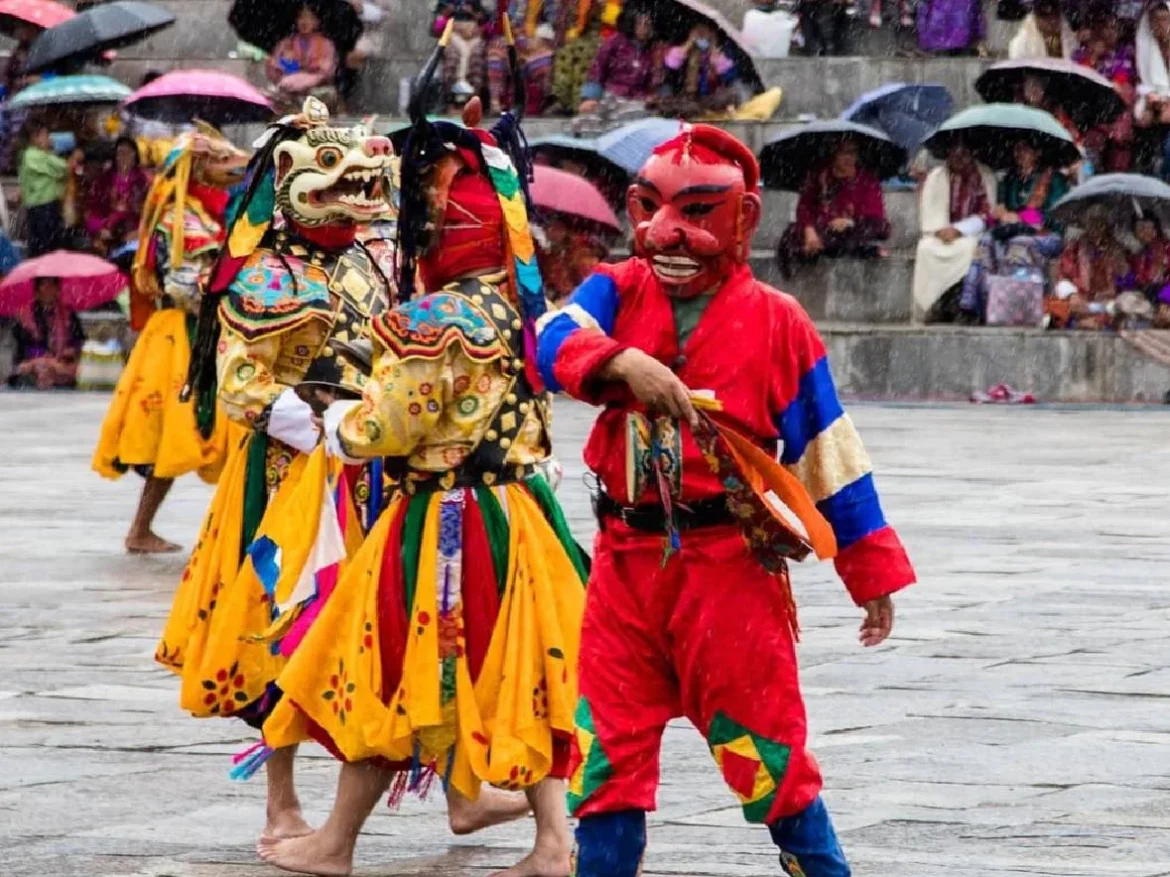
As the ice melts, Bhutan transforms into a botanical paradise. The hillsides are painted with the vibrant hues of blooming rhododendrons, magnolias, and wild orchids. This period marks the beginning of the trekking season, with routes like the Jhomolhari Trek offering immersive experiences in the wilderness. Culturally, spring is significant for the Paro Tshechu, one of the kingdom’s most famous festivals, where masked dances and religious allegories bring ancient traditions to life in the courtyards of majestic dzongs (fortresses).

Summer (June to August): The Emerald Verdure
The monsoon season brings life-giving rains that turn the valleys into deep shades of emerald. While trekking can be challenging due to the rain, the summer months are perfect for those interested in Bhutan’s agrarian life. The rivers are full, making it a prime time for white-water rafting in the Pho Chhu and Mo Chhu rivers. The mist-covered mountains during this season create a mystical atmosphere that many writers and artists find particularly inspiring for creative retreats.

Autumn (September to November): The Golden Harvest
Autumn is arguably the most popular time for visitors. The skies clear to a brilliant blue, and the rice paddies turn golden as harvest time approaches. This season hosts the Thimphu Tshechu, a grand display of Bhutanese spirituality and community. The weather is optimal for high-altitude trekking, including the world-renowned "Snowman Trek," often cited as one of the most difficult and rewarding treks on the planet.

The Economic Model: Sustainable Development Fee (SDF)

Bhutan’s ability to offer such a pristine experience is funded by its unique tourism economic model. In late 2022 and throughout 2023, the kingdom overhauled its tourism structure, introducing a revised Sustainable Development Fee (SDF). Currently, most international tourists are required to pay a daily fee that contributes directly to the country’s social welfare, including free healthcare and education for its citizens, as well as environmental conservation efforts and the maintenance of tourism infrastructure.

Slow Travel ke Bhutan, Layak Jadi Tujuan Liburan Berikutnya!

This fee acts as a natural filter, attracting travelers who are invested in the preservation of the destination. It discourages the "bucket-list" mentality of rapid-fire sightseeing and instead encourages longer, more meaningful stays. Analysts suggest that this model is being closely watched by other global destinations—such as Venice and Bali—which are currently struggling with the negative impacts of over-tourism.

Regional Context: The Rise of Wellness Tourism in Asia

The shift toward Bhutan as a wellness hub mirrors a broader trend across Asia. Recent reports from tourism boards in Indonesia and Thailand indicate a surge in demand for "wellness destinations." For instance, Indonesian authorities have recently identified Bali and Solo as primary nodes for wellness tourism to capture the growing market of travelers seeking health-oriented experiences.

However, Bhutan maintains a competitive edge through its exclusivity and its uncompromising stance on cultural preservation. While Bali offers a diverse range of wellness retreats, the sheer volume of tourists can sometimes detract from the sense of peace. Bhutan, by contrast, offers a controlled environment where the "slow" in slow travel is a government-mandated reality. The comparison highlights a growing regional competition for the "conscious traveler" demographic—individuals who are willing to pay a premium for authenticity, privacy, and ecological integrity.

Infrastructure and Accessibility: The Gateway to the Clouds

Reaching Bhutan remains an adventure in itself. Paro International Airport, situated in a deep valley and surrounded by 18,000-foot peaks, is famously known as one of the most challenging airports for pilots. Only a select number of pilots are certified to land there, emphasizing the kingdom’s remote and protected status.

Slow Travel ke Bhutan, Layak Jadi Tujuan Liburan Berikutnya!

The national carriers, Druk Air and Bhutan Airlines, serve as the primary links to the outside world, with flights connecting through hubs like Bangkok, Delhi, Singapore, and Kathmandu. This limited accessibility is a deliberate part of the Bhutanese strategy to manage the flow of visitors and ensure that those who arrive are truly committed to the journey.

Once inside the country, the infrastructure supports the slow travel ethos. Luxury lodge chains like Aman, COMO, and Six Senses have established footprints in Bhutan, but they do so with a focus on low-impact architecture and integration with local communities. These establishments often offer traditional Bhutanese hot stone baths and meditation sessions led by local monks, bridging the gap between high-end hospitality and ancient spiritual practice.

Broader Implications: Tourism as a Tool for Preservation

The evolution of Bhutan’s tourism industry carries significant implications for the future of global travel. It demonstrates that tourism can be used as a tool for cultural and environmental preservation rather than destruction. By valuing "Gross National Happiness" over raw visitor numbers, Bhutan has managed to keep its traditions—such as the mandatory wearing of the national dress (Gho and Kira) in official spaces and the preservation of the Dzongkha language—vibrant and relevant.

For the international community, Bhutan serves as a living laboratory for sustainable living. As climate change threatens mountain ecosystems globally, Bhutan’s strict forest protection laws and carbon-negative status offer a glimmer of hope. The tourism revenue provides the financial capital necessary to maintain these protections, creating a virtuous cycle where travel supports the very environment it seeks to enjoy.

Slow Travel ke Bhutan, Layak Jadi Tujuan Liburan Berikutnya!

Conclusion: The Future of the Bhutanese Journey

Looking toward the remainder of 2026 and beyond, Bhutan is expected to remain at the pinnacle of the wellness and slow travel sectors. The official stance of the Department of Tourism remains clear: Bhutan is for the traveler who seeks depth over distance. As Damcho Rinzin noted, the kingdom offers a "journey melded with culture and nature," a sentiment that resonates deeply in a post-pandemic world where the value of health and mental peace has been starkly highlighted.

In the final analysis, Bhutan’s rise as a slow travel destination is not a result of a marketing gimmick, but the fruit of decades of consistent policy and philosophical conviction. For those willing to navigate the logistics and the cost, the Kingdom of Bhutan offers something increasingly rare in the 21st century: the opportunity to experience a world that is still whole, quiet, and profoundly connected to its roots. Whether it is through the silence of a winter morning in Thimphu or the vibrant energy of an autumn festival, Bhutan remains a testament to the idea that the best way to see the world is, quite literally, to slow down.

June 14, 2025 0 comment
0 FacebookTwitterPinterestEmail
Travel & Tourism

Government Provides Formal Accountability Report for 2013 State Budget Execution Amid Qualified Audit Opinion from the Audit Board of Indonesia

by Ali Ikhwan June 12, 2025
written by Ali Ikhwan

In a formal plenary session held at the Nusantara II Building in Senayan, Jakarta, on Tuesday, June 24, 2014, the Government of Indonesia, represented by Minister of Finance Chatib Basri, officially presented the Bill (RUU) regarding the Accountability for the Implementation of the 2013 State Budget (APBN). The session served as a critical juncture for the administration to explain the fiscal performance of the previous year, which was marked by significant global economic volatility and internal structural adjustments. Central to the presentation was the disclosure of the Audit Board of Indonesia’s (BPK) assessment of the 2013 Central Government Financial Report (LKPP), which received a "Qualified Opinion" (Wajar Dengan Pengecualian or WDP).

Minister Chatib Basri detailed the specific accounting discrepancies that prevented the government from achieving an "Unqualified Opinion" (Wajar Tanpa Pengecualian or WTP), the highest audit standard. According to the Minister, the BPK’s decision to grant a WDP status was rooted in four primary systemic issues: problems related to over-lifting receivables in the oil and gas sector, oil and gas sales receivables, the management of credit assets inherited from the former Indonesian Bank Restructuring Agency (BPPN), and the administration of pension fund expenditures. These issues, some of which are legacy problems spanning several years, continue to complicate the accuracy and transparency of the state’s balance sheet.

The Technical Drivers of the Qualified Audit Opinion

The "Qualified Opinion" status indicates that while the financial statements are generally presented fairly, there are specific areas where the auditor could not obtain sufficient evidence or where misstatements exist that are material but not pervasive. Minister Basri emphasized that the government is working to resolve these sticking points, which have historically been difficult to reconcile.

The first major hurdle involves "over-lifting" receivables. In the context of Indonesia’s Production Sharing Contracts (PSC), over-lifting occurs when a contractor takes more than its allocated share of oil or gas production. Reconciling these amounts between the government, the upstream regulator (SKK Migas), and various international oil companies often results in protracted accounting delays. Similarly, oil and gas sales receivables—monies owed to the state from the sale of hydrocarbons—have faced valuation and timing issues that the BPK found unsatisfactory for a clean audit.

Furthermore, the government continues to grapple with the liquidation of assets from the Indonesian Bank Restructuring Agency (BPPN), an entity established during the 1997-1998 Asian Financial Crisis to manage distressed bank assets. More than fifteen years later, the valuation and documentation of these residual credit assets remain a point of contention for auditors. Finally, the accounting for pension fund expenditures, which involves complex long-term liabilities and inter-departmental data synchronization, was cited as the fourth pillar of the BPK’s audit exception.

Macroeconomic Headwinds: The "Taper Tantrum" and Global Shifts

Beyond the technicalities of the audit, Minister Basri used the plenary session to provide a broader context for the 2013 fiscal year. He noted that the implementation of the 2013 APBN was conducted under extreme duress from both external and internal factors. The most significant external pressure was the global market volatility triggered by the United States Federal Reserve.

In May 2013, then-Fed Chairman Ben Bernanke hinted at a reduction, or "tapering," of the central bank’s massive bond-buying program. This announcement sparked what economists call the "Taper Tantrum," leading to a massive outflow of capital from emerging markets like Indonesia. Investors, fearing higher interest rates in the U.S., pulled funds out of Indonesian stocks and bonds, putting immediate and severe pressure on the Rupiah.

This external shock was compounded by a slowdown in the global economy, particularly in China, which led to a decline in international commodity prices. As a commodity-exporting nation, Indonesia saw its export revenues dwindle, further straining the state budget and the national trade balance.

Internal Economic Pressures and the Current Account Deficit

Domestically, the Indonesian economy faced a "perfect storm" in 2013. The most pressing issue was the widening Current Account Deficit (CAD). Due to high domestic demand for imported fuel and the aforementioned drop in export prices, the CAD reached a record high of approximately 4.4% of GDP in the second quarter of 2013. This deficit made the Rupiah particularly vulnerable to the negative sentiment following the Fed’s tapering signals.

The Rupiah, which began 2013 at approximately 9,600 per U.S. Dollar, plummeted to over 12,000 per USD by the end of the year. This depreciation increased the cost of imports and raised the burden of servicing foreign-denominated debt, both for the government and the private sector.

Minister Basri explained that these dynamics forced the government to adjust its macroeconomic assumptions mid-year. "The internal and external dynamics certainly had an impact on the changes in basic macroeconomic assumptions, which ultimately influenced the implementation and achievement of the 2013 APBN targets," he stated before the lawmakers.

Government Policy Responses and Stabilization Efforts

To mitigate the impact of these shocks, the government implemented a series of "Pre-emptive Moves" and stabilization policies throughout the second half of 2013. One of the most significant and politically sensitive measures was the adjustment of subsidized fuel (BBM) prices in June 2013. By raising fuel prices, the government sought to curb excessive consumption, reduce the ballooning energy subsidy bill, and narrow the trade deficit caused by oil imports.

In addition to fiscal measures, the government worked closely with Bank Indonesia (BI) to stabilize the financial system. The central bank aggressively raised its benchmark interest rate (the BI Rate) from 5.75% in May 2013 to 7.50% by November 2013 to combat inflation and stem capital outflows.

"The government has also strived to take several steps in order to stabilize the national economic condition," Basri noted. These steps included strengthening the current account through tax incentives for export-oriented industries, simplifying the investment licensing process to attract Foreign Direct Investment (FDI), and maintaining fiscal discipline to keep the budget deficit within the legally mandated limit of 3% of GDP.

Chronology of the 2013 Fiscal Year

The 2013 fiscal journey began with the original APBN 2013, which was designed under more optimistic global conditions. However, by mid-2013, the government was forced to propose a Revised State Budget (APBN-P 2013) to account for the Rupiah’s depreciation and the rising cost of subsidies.

  • January – May 2013: The economy showed signs of resilience, though the trade balance began to weaken as commodity prices softened.
  • May 22, 2013: Ben Bernanke’s "tapering" comments triggered immediate capital flight from the Jakarta Composite Index (IHSG) and the bond market.
  • June 2013: The government and DPR approved the APBN-P 2013, which included a hike in subsidized fuel prices (gasoline from Rp4,500 to Rp6,500 and diesel from Rp4,500 to Rp5,500).
  • August 2013: The government launched its "First Policy Package" to address the CAD and inflation, which had spiked to over 8% following the fuel price adjustment.
  • December 2013: The fiscal year closed with a budget deficit of approximately 2.3% of GDP, higher than the original target but within safe legal limits.

The presentation on June 24, 2014, represented the final step in this cycle: the formal reporting of how every Rupiah was spent and accounted for during that turbulent period.

Reactions and Implications for Governance

The BPK’s WDP opinion serves as a reminder of the persistent challenges in Indonesian bureaucratic reform. While the government has made strides—moving away from "Disclaimer" opinions (where auditors refuse to give an opinion) that were common in the early 2000s—achieving a consistent "Clean" (WTP) status remains elusive for the central government.

Legislators at the DPR expressed mixed reactions to the report. While some acknowledged the extraordinary global circumstances of 2013, others criticized the government for the recurring nature of the audit findings. Members of the Budget Committee (Banggar) emphasized that "legacy issues" like the BPPN assets and oil and gas receivables should have been resolved years ago. They argued that the lack of a clean audit could affect Indonesia’s investment grade and the cost of borrowing on international markets.

Financial analysts suggest that while a WDP status is not a "fail" grade, it highlights a need for better integration of financial data between the Ministry of Finance and other technical ministries (Kementerian/Lembaga). The transition to accrual-based accounting, which was being phased in during this period, was also cited as a factor that added complexity to the 2013 reporting cycle.

Conclusion and Future Outlook

Minister Chatib Basri’s presentation of the RUU P2 APBN 2013 concluded with a commitment to further transparency. He noted that despite the "Qualified" status, the government successfully navigated one of the most volatile economic periods in recent history without a systemic financial crisis. The 2013 fiscal year proved to be a test of Indonesia’s resilience, demonstrating that while the accounting "books" still require cleaning, the underlying economic foundations remained intact.

As the government moves forward, the focus remains on resolving the four specific areas of concern identified by the BPK. Improving the management of state-owned assets and refining the synchronization of oil and gas revenue data are high on the agenda. For the administration, the 2013 report is not just a look back at a difficult year, but a roadmap for the fiscal reforms necessary to achieve the elusive Unqualified Opinion in the years to come. The plenary session ended with the DPR agreeing to further discuss the bill in the relevant commissions, ensuring that the accountability process continues through the legislative gauntlet.

June 12, 2025 0 comment
0 FacebookTwitterPinterestEmail
Travel & Tourism

Thai Songkran Festival 2026 Faces Safety Challenges as Fatalities Rise and Foreign Tourists Face Arrest in Phuket for Public Disturbance

by Basiran June 11, 2025
written by Basiran

The 2026 Songkran Festival, Thailand’s most celebrated cultural event and a cornerstone of its global tourism appeal, has reached a critical juncture as authorities grapple with a surge in road fatalities and instances of unruly behavior by international visitors. While the festival is renowned for its vibrant water fights and traditional New Year rituals, the 2026 celebrations have been overshadowed by a series of incidents in Phuket and a grim tally of traffic accidents across the kingdom. As the nation concludes the primary festivities, the Ministry of Tourism and Sports, alongside local law enforcement, is facing renewed pressure to balance the promotion of "Soft Power" cultural exports with the rigorous enforcement of public safety and order.

Public Disturbance and Arrests in Phuket

In the world-famous resort town of Phuket, specifically within the bustling Patong district, the festive atmosphere was interrupted by a confrontation between law enforcement and a group of international tourists. On Sunday, April 12, 2026, Patong Police were called to Prachanukhro Road following reports of a group of tourists acting in a manner that significantly disrupted public order and safety.

According to reports from Nation Thailand, the group, later identified as seven French nationals, was accused of excessive behavior during the water-splashing activities. Witnesses and police reports indicate that the tourists had effectively blocked sections of the road, preventing the flow of traffic. Furthermore, their methods of spraying water were described as aggressive and harassing toward commuters and pedestrians who were not necessarily participating in the festivities.

Initial attempts by patrolling officers to de-escalate the situation were met with resistance. While the officers instructed the group to disperse and move their water-splashing activities away from the main thoroughfare to ensure the safety of motorists, several members of the group refused to comply. This defiance led to the eventual arrest of the seven individuals. They were transported to the Patong Police Station, where they were charged with causing a public nuisance and disturbing the peace. Following the payment of fines and a formal warning regarding their future conduct, the tourists were released, though the incident has sparked a wider conversation regarding tourist behavior during national holidays.

Directives for Local Businesses and Residents

The fallout from the incident on Prachanukhro Road prompted immediate administrative action from the Patong Police. In an effort to prevent a recurrence of such disruptions, authorities conducted a sweep of the area to communicate directly with shop owners and residents. Business operators along the Prachanukhro corridor were officially advised against placing large water barrels or "water stations" directly on the asphalt or in positions that would encourage revelers to congregate in the middle of the street.

Local officials emphasized that while the tradition of splashing water is a fundamental part of Songkran, it must not infringe upon the rights of others to use public infrastructure. The police noted that while officers themselves are frequently targeted with water—a gesture usually accepted as part of the festive spirit—there is a clear line between celebratory play and conduct that endangers the public or halts the local economy’s logistics.

The Grim Reality of the "Seven Dangerous Days"

Beyond the issues of public order in tourist hotspots, the 2026 Songkran Festival has once again highlighted the perennial problem of road safety in Thailand. The period surrounding the New Year is colloquially known as the "Seven Dangerous Days" due to the dramatic spike in traffic accidents, often fueled by a combination of high-volume travel, speeding, and driving under the influence of alcohol.

Data released for the first three days of the 2026 festival (April 10 to April 12) paints a sobering picture. According to statistics cited by the New Straits Times and official government monitors, Thailand recorded 581 traffic accidents during this 72-hour window. These incidents resulted in 95 confirmed fatalities and hundreds of injuries, many of them serious.

A breakdown of the data reveals that motorcycles remain the most vulnerable mode of transport, involved in the vast majority of fatal accidents. The primary causes cited by the Department of Disaster Prevention and Mitigation (DDPM) include:

  1. Speeding: Drivers attempting to reach their home provinces quickly often exceed safety limits on secondary roads.
  2. Drunk Driving: Despite rigorous "Don’t Drink and Drive" campaigns, alcohol remains a contributing factor in nearly 30% of the recorded fatalities.
  3. Poor Visibility and Road Conditions: Sudden thunderstorms common in April, combined with water being thrown at moving vehicles, have contributed to several multi-vehicle collisions.

Official Government Response and Safety Campaigns

In response to the rising death toll, the Thai Ministry of Tourism and Sports issued a formal plea to both the domestic population and the millions of international tourists currently in the country. A spokesperson for the ministry reiterated the government’s stance that the "joy of the festival should not come at the cost of human life."

"The government urges the public and tourists to drive responsibly and strictly adhere to the ‘don’t drink and drive’ principle to ensure that this year’s Songkran festival remains a safe and enjoyable event for all," the Ministry stated.

To assist the influx of visitors, the government has mobilized the Tourist Assistance Centers (TAC) nationwide. These centers, along with the 24-hour Tourist Police hotline (1155), have been placed on high alert to handle emergencies ranging from medical crises and road accidents to legal disputes involving foreign nationals. The Ministry has also deployed additional personnel to major transport hubs, including Mo Chit Bus Terminal and Suvarnabhumi Airport, to manage the "return rush" as millions of Thais travel back to urban centers after visiting their families in rural provinces.

The Evolution and Context of Songkran

To understand the scale of the challenges faced in 2026, it is necessary to look at the cultural and economic evolution of Songkran. Originally a somber religious festival marking the sun’s entry into the constellation of Aries, Songkran traditionally involved the gentle pouring of water over the hands of elders and the cleaning of Buddha statues to symbolize purification and the washing away of bad luck.

In recent decades, however, the festival has transformed into a massive, week-long "water war" that generates billions of baht in tourism revenue. In 2023, UNESCO officially recognized Songkran as an Intangible Cultural Heritage of Humanity, further boosting its profile. For the 2026 season, the Thai government heavily marketed the event as part of its "World Songkran Festival" initiative, aiming to extend celebrations across the entire month of April in various provinces.

However, this commercial success brings significant logistical burdens. The concentration of millions of people in areas like Patong in Phuket, Khao San Road in Bangkok, and the Old City in Chiang Mai creates a high-pressure environment for local infrastructure. The arrest of the French tourists in Phuket is seen by analysts as a symptom of "over-tourism" tensions, where the expectations of international visitors—often fueled by social media depictions of lawless fun—clash with the reality of local laws and the needs of residents.

Analysis of Implications for Thai Tourism

The events of April 2026 suggest that Thailand is at a crossroads regarding its management of major festivals. On one hand, the government is eager to maintain its reputation as the "Land of Smiles" and a top-tier global destination. On the other hand, the high casualty rate on the roads and the increasing frequency of tourist-related public order offenses pose a threat to the country’s image and the safety of its citizens.

Industry experts suggest that future Songkran festivals may see stricter zoning laws. We are already seeing the beginnings of this in Phuket, where police are restricting where water stations can be placed. There is a growing movement to confine "water play" to designated "Safety Zones" or "Water Streets" where traffic is completely banned, thereby reducing the risk of accidents and conflict with non-participants.

Furthermore, the legal repercussions for the tourists in Phuket serve as a warning. The Royal Thai Police have indicated that they will no longer take a "hands-off" approach to foreign visitors who violate public decency or safety laws under the guise of festival participation. This shift toward stricter enforcement is part of a broader strategy to attract "high-quality" tourists who respect local customs and laws.

Conclusion and Resources for Travelers

As the 2026 Songkran Festival winds down, the focus shifts to the "Return Period," where traffic accidents historically spike once more as people travel back to work. Authorities remain on high alert, and checkpoints for alcohol and speed remain active on all major highways.

For international tourists still in Thailand or planning to visit for future festivals, the Ministry of Tourism emphasizes the importance of situational awareness. Participation in Songkran is encouraged, but it must be done with respect for the local community. Travelers are reminded that:

  • Throwing water at motorcyclists or moving vehicles is strictly prohibited and can lead to criminal charges.
  • High-pressure water guns (PVC pipe style) are illegal and subject to confiscation and fines.
  • Respectful attire is requested when visiting temples or participating in traditional ceremonies.

The Tourist Police continue to offer support via the 1155 hotline, providing multilingual assistance to ensure that the remainder of the 2026 holiday season concludes without further major incidents. As the nation reflects on the 95 lives lost in the opening days of the festival, the hope remains that through stricter enforcement and increased public awareness, future Songkran celebrations can preserve their cultural heart while shedding their reputation for danger.

June 11, 2025 0 comment
0 FacebookTwitterPinterestEmail
Food & Culinary

HokBen Expands Culinary Portfolio with New Spicy Ramen Variant to Meet Growing Indonesian Demand for Bold Flavors

by Ali Ikhwan June 10, 2025
written by Ali Ikhwan

Following the successful introduction of its Hoka Ramen line in late 2022, PT Eka Bogainti, the parent company of the prominent Japanese-style fast-food chain HokBen, has officially announced the launch of its latest menu innovation: Spicy Ramen. This strategic addition to the company’s diverse culinary offerings is specifically designed to cater to the Indonesian palate, which historically favors bold and spicy flavor profiles. The launch, which took place in Jakarta on Tuesday, February 14, 2023, marks a significant milestone in HokBen’s ongoing efforts to diversify its menu beyond its traditional bento-based roots and solidify its position in the competitive ramen market.

General Manager of Marketing at PT Eka Bogainti, Francisca Lucky, stated during the product unveiling that the development of the Spicy Ramen variant was a direct response to consumer feedback and market trends. According to Lucky, the spicy flavor profile was inspired by the culinary preferences of the majority of Indonesians, who consider spicy elements an essential part of their daily meals. By integrating this local preference with authentic Japanese-style ramen, HokBen aims to provide a unique dining experience that bridges the gap between traditional Japanese cuisine and local tastes.

Detailed Composition and Pricing Strategy

The Spicy Ramen is crafted using a rich, spicy chicken broth base, providing a deep umami flavor with a sharp heat kick that distinguishes it from the previous Hoka Ramen variants. The dish is served with a comprehensive array of toppings, including chicken chasiu—thinly sliced, seasoned chicken—alongside ni tamago (seasoned soft-boiled egg), pakcoy (bok choy), green onions, and wood ear mushrooms (jamur kuping). The combination of these ingredients is intended to provide a balance of textures, from the tenderness of the chicken to the crunch of the vegetables and mushrooms.

In terms of market positioning, HokBen has adopted a tiered pricing strategy to ensure the product is accessible to a wide range of consumers. The Spicy Ramen is available in two sizes: a Regular portion priced at Rp 38,000 and a Large portion priced at Rp 48,000. This pricing reflects HokBen’s commitment to providing high-quality, "value-for-money" meals, positioning the ramen as an affordable alternative to specialized ramen boutiques while maintaining a higher quality standard than typical fast-food offerings.

Chronology of HokBen’s Ramen Evolution

The launch of the Spicy Ramen is not an isolated event but rather the latest phase in a long-term strategic expansion that began in the fourth quarter of 2022. Prior to the introduction of the spicy variant, HokBen made its first major foray into the ramen category by launching the Hoka Ramen series. This initial launch featured two distinct variants:

  1. Hokkaido Miso Ramen: A variant characterized by a fermented soybean paste (miso) base, offering a salty and savory flavor profile typical of Northern Japanese cuisine.
  2. Tori Paitan Ramen: A variant featuring a creamy, white chicken-based broth, known for its rich texture and collagen-heavy profile.

The success of these initial offerings provided the necessary market data for PT Eka Bogainti to identify a gap in their lineup: the lack of a high-heat option. The development of the Spicy Ramen took several months of research and development to ensure that the spice level did not overwhelm the delicate balance of the chicken broth, maintaining the "Japanese feel" that the brand is known for.

Contextual Background: The Rise of Ramen in Indonesia

The decision to expand into the ramen sector is rooted in the broader transformation of Indonesia’s food and beverage (F&B) landscape. Over the past decade, Japanese cuisine has transitioned from being a niche, high-end luxury to a mainstream staple in Indonesian urban centers. Ramen, in particular, has seen a surge in popularity due to its status as a "comfort food" and its adaptability to local ingredients and halal requirements.

HokBen, established in 1985 as Hoka Hoka Bento, has played a pivotal role in this transformation. For decades, the brand was synonymous with bento boxes, teriyaki, and yakiniku. However, as consumer tastes evolved and competition from international and local ramen chains intensified, HokBen recognized the need to innovate. By leveraging its established supply chain and brand loyalty, HokBen has been able to introduce ramen at a scale that few other chains can match.

Furthermore, the "spicy food" phenomenon in Indonesia cannot be understated. From the rise of "Ayam Geprek" to the viral success of spicy Korean noodles, Indonesian consumers have shown an insatiable appetite for heat. Market research indicates that spicy variants often outperform original flavors in the Indonesian fast-food sector, making the Spicy Ramen a logical step for HokBen’s growth.

Strategic Implications and Market Analysis

The introduction of the Spicy Ramen carries several implications for HokBen’s business strategy and the wider F&B industry in Indonesia. First, it serves as a customer retention tool. By offering ramen alongside its traditional bento menus, HokBen increases the frequency of visits from existing customers who may be looking for variety. It also attracts a younger demographic—Gen Z and Millennials—who are the primary drivers of the ramen trend in Indonesia.

Second, the move highlights the importance of "Halal-certified" Japanese cuisine. HokBen has long maintained a strict Halal certification from the Indonesian Ulema Council (MUI), which is a critical factor for the majority-Muslim population in Indonesia. While many authentic ramen shops use pork-based broths (tonkotsu), HokBen’s focus on chicken-based broths (tori paitan and spicy chicken) allows it to capture a massive segment of the market that seeks the ramen experience without compromising dietary restrictions.

Industry analysts suggest that HokBen’s entry into the ramen market puts pressure on mid-tier competitors. With a price point under Rp 50,000, HokBen is undercutting many specialized ramen houses while offering a more consistent and accessible dining experience through its hundreds of outlets across the archipelago.

Official Responses and Consumer Reception

While the initial launch was spearheaded by Francisca Lucky’s announcement, the move has been met with positive early feedback from food critics and social media influencers. Early reviews often highlight the "juicy" texture of the chicken chasiu and the depth of the broth, which many noted feels more premium than typical fast-food soups.

"Our goal is to always pamper the palates of our customers," Lucky added. "The use of high-quality raw materials combined with HokBen’s signature spice blends ensures that our ramen has a unique aroma and a taste that is both delicious and authentically Japanese, yet familiar to the Indonesian tongue."

The company has also emphasized that the Spicy Ramen will be available across all its service channels, including dine-in, take-away, and delivery via various online food platforms. This omnichannel approach is expected to drive significant sales volume, particularly in the rainy season when hot, spicy soups are in high demand.

Future Outlook for PT Eka Bogainti

Looking ahead, PT Eka Bogainti appears committed to further diversifying its menu. The success of the Hoka Ramen line suggests that the company may explore additional Japanese noodle variants, such as udon or dry ramen (mazesoba), in the future. As HokBen continues to celebrate over 38 years in the Indonesian market, its ability to adapt to changing consumer preferences remains its greatest strength.

The launch of Spicy Ramen is more than just a menu update; it is a reflection of the brand’s resilience and its deep understanding of the local market. By combining the precision of Japanese culinary techniques with the vibrant flavors of Indonesia, HokBen is not just selling a bowl of noodles—it is reinforcing its legacy as a pioneer of Japanese-style fast food in Southeast Asia.

As the F&B industry continues to recover and grow in the post-pandemic era, HokBen’s strategic focus on innovation and localization will likely serve as a blueprint for other legacy brands looking to stay relevant in a rapidly changing market. For now, the Spicy Ramen stands as a testament to the brand’s mission: to bring the taste of Japan to the Indonesian people, one spicy bowl at a time.

June 10, 2025 0 comment
0 FacebookTwitterPinterestEmail
Food & Culinary

The Rise of Pay-to-Play Food Vlogging Sparks Ethical Concerns Among Culinary Entrepreneurs

by Basiran June 8, 2025
written by Basiran

In an era where digital presence can determine the immediate success or failure of a small business, a growing rift has emerged between culinary entrepreneurs and the burgeoning class of food vloggers and digital content creators. A recent viral testimony from a culinary business owner has reignited a fierce debate regarding the ethics of "pay-to-play" reviews, where creators demand both financial compensation and complimentary services in exchange for promotional content. This phenomenon, while ostensibly a form of modern marketing, is increasingly being viewed as a predatory practice that threatens the authenticity of the food industry and the financial stability of small and medium-sized enterprises (SMEs).

The controversy gained significant traction following a social media post shared by an account identified as Li Dashu, which detailed the grievances of a local food business owner. The entrepreneur, who preferred to remain anonymous, described the disillusionment that followed an interaction with a prominent food reviewer. Unlike large-scale restaurant chains with substantial marketing budgets, this business owner had built their establishment from the ground up, relying primarily on the quality of their product and the loyalty of a local customer base to sustain operations. The incident has since become a focal point for a broader discussion on the professional standards—or lack thereof—within the influencer marketing landscape.

The Chronology of a Disputed Collaboration

The interaction began when a digital content creator approached the entrepreneur with a proposal for a promotional video. The influencer promised that the content would provide significant exposure, potentially driving a surge in new customers and establishing the restaurant as a "must-visit" destination. For a small business owner looking to scale, the prospect of reaching thousands of viewers through a trusted voice was initially appealing.

However, the negotiation quickly took a turn that the owner found ethically and financially troubling. According to the account shared via the China-based media outlet NOUODOU, the content creator did not merely request a complimentary meal to review the menu; they also demanded a separate professional fee for the production and distribution of the content. The entrepreneur expressed shock at this dual requirement. "They eat at our place, they make a video, but we also have to pay them," the owner noted. "I was taken aback by the expectation."

Seeking to understand the nature of the partnership, the owner questioned the creator regarding the objectivity of the upcoming review. The owner asked whether the creator would provide an honest assessment if they found the food to be unsatisfactory. The creator’s response was telling: "Don’t worry, we won’t say anything bad." This admission confirmed the owner’s suspicion that the "review" was not an editorial critique but a paid advertisement masquerading as an authentic recommendation.

Bikin Geram! Food Vlogger Ini Minta Makan Gratis dan Bayaran di Restoran

The Erosion of Authenticity in the Digital Age

The core of the issue lies in the blurring of lines between objective food criticism and paid endorsements. Historically, food critics operated under a code of ethics that included anonymity and paying for their own meals to ensure an unbiased perspective. In the age of social media, however, the "food vlogger" model often prioritizes aesthetic appeal and viral potential over culinary accuracy.

The entrepreneur highlighted a recurring problem in the industry: the use of sophisticated cinematography, high-speed editing, and hyperbolic narratives to make mediocre food appear extraordinary. Terms like "hidden gem," "viral sensation," or "mandatory eat" are frequently used to generate clicks, regardless of the actual quality of the dining experience.

This practice creates a cycle of disappointment for the consumer. When a customer visits a restaurant based on a glowing, paid-for review and finds the reality lacking, they are unlikely to return. For the business owner, this results in a "one-and-done" customer base. The initial spike in traffic caused by a viral video often masks a long-term decline in reputation. "The ones who lose in the end are us, the business owners," the entrepreneur explained. "People come once because of the hype, but because the expectations were set unrealistically high by the vlogger, they never come back."

The Financial Burden on Small and Medium Enterprises

For many SMEs, the costs associated with these influencers are becoming unsustainable. While large corporations can absorb the cost of "influencer kits" and high appearance fees, small businesses operating on thin margins find it difficult to justify paying millions of rupiah in fees on top of providing free inventory.

Industry data suggests that the influencer marketing industry has grown into a multi-billion dollar global economy. In Southeast Asia, micro-influencers (those with 10,000 to 100,000 followers) have become particularly sought after by brands for their perceived "clout" and higher engagement rates. However, the lack of standardized pricing and the absence of clear disclosure labels (such as "Paid Partnership" or "Advertisement") often leave small business owners vulnerable to exploitation.

In some reported cases, the pressure exerted by creators borders on professional coercion. Some entrepreneurs have reported that certain vloggers subtly imply that a refusal to provide free food or payment could result in a negative review or a complete lack of coverage, which in the digital economy, can feel like a death sentence for a new establishment.

Bikin Geram! Food Vlogger Ini Minta Makan Gratis dan Bayaran di Restoran

Reactions from the Culinary and Digital Communities

The viral post has elicited a wide range of reactions from various stakeholders. Fellow business owners have echoed the sentiments of the anonymous entrepreneur, sharing their own stories of "influencer fatigue." Many argue that the focus should return to traditional word-of-mouth marketing and organic growth.

Conversely, some professional content creators have stepped forward to defend the industry, noting that high-quality video production requires expensive equipment, hours of editing, and significant time investment. They argue that charging a fee is a legitimate business practice for the services rendered. However, the consensus among ethical creators is that transparency is paramount. Professional associations for digital creators emphasize that if a meal is free or a fee is paid, it must be disclosed to the audience to maintain trust.

Marketing experts suggest that the current friction is a symptom of a maturing market. As the novelty of food vlogging wears off, consumers are becoming more discerning. They are beginning to recognize the "template" of a paid review and are seeking out creators who offer genuine, unvarnished opinions, even if those opinions are occasionally critical.

Analyzing the Long-term Implications for the Industry

The shift toward paid-only reviews has several long-term implications for the culinary landscape:

  1. Market Saturation and Consumer Cynicism: As more reviews become paid advertisements, the value of a "recommendation" decreases. If every restaurant is a "hidden gem," then none of them are. This leads to a general distrust of digital creators, which may eventually lead to the decline of the food vlogging niche itself.

  2. The Survival of Quality Over Hype: The entrepreneur in the viral post concluded with a poignant observation: "If your restaurant goes viral because of these methods, you must be ready to fall just as quickly. What makes a customer return isn’t a review, but the fact that the food is actually good." This serves as a reminder that marketing cannot substitute for a quality product.

    Bikin Geram! Food Vlogger Ini Minta Makan Gratis dan Bayaran di Restoran
  3. Regulatory Pressure: In many jurisdictions, consumer protection agencies are beginning to look more closely at influencer disclosures. Failure to label paid content can lead to legal repercussions for both the creator and the brand. As these regulations tighten, the "hidden advertisement" model described by the entrepreneur may become a legal liability.

  4. A Shift in Marketing Strategy: Forward-thinking SMEs are moving away from one-off viral hits and toward building community. This includes engaging with customers directly on social media, hosting local events, and focusing on loyalty programs rather than chasing the approval of high-fee vloggers.

Conclusion: Navigating the Future of Food Promotion

The viral story of the frustrated entrepreneur serves as a cautionary tale for the modern digital economy. While food vloggers can be a powerful tool for discovery, the "pay-to-play" model—especially when it lacks transparency and honesty—threatens the very businesses it claims to support.

For the culinary industry to remain healthy, there must be a return to a more balanced relationship between creators and business owners. Professionalism, clear communication of fees, and, most importantly, a commitment to honest reporting are essential. Business owners are encouraged to vet potential partners thoroughly, asking for engagement metrics rather than just follower counts, and insisting on a clear contract that outlines the nature of the review.

Ultimately, the longevity of a restaurant is built on the plate, not on the screen. As the entrepreneur aptly noted, the true test of a business is the returning customer—a metric that no amount of paid "viral" content can artificially sustain for long. The industry stands at a crossroads where it must choose between the short-term dopamine hit of viral fame and the long-term stability of authentic quality and consumer trust.

June 8, 2025 0 comment
0 FacebookTwitterPinterestEmail
Health & Wellness

Ministry of Finance Asserts State-Owned Enterprises Capability to Manage Freeport Indonesia Operations Following Divestment Process

by Nila Kartika Wati June 7, 2025
written by Nila Kartika Wati

The Government of Indonesia, through the Ministry of Finance, has expressed unwavering confidence in the ability of state-owned enterprises (BUMN) to take over and manage the complex operations of PT Freeport Indonesia (PTFI). This assurance comes as the divestment process of the gold and copper mining giant continues to be a focal point of national economic policy. Sonny Loho, the Director General of State Assets at the Ministry of Finance, emphasized that Indonesian state firms possess the necessary expertise and maturity to handle world-class mining assets, dismissing concerns regarding the technical or managerial readiness of domestic entities.

Speaking at the Ministry of Finance headquarters in Jakarta on Wednesday, November 11, 2015, Sonny Loho highlighted that two major state-owned mining entities, PT Aneka Tambang (Persero) Tbk (ANTM) and PT Inalum (Persero), are being positioned as the primary vehicles for the share acquisition. He argued that the track record of Indonesia’s state-owned mining sector is sufficient evidence of their capability. "They are certainly capable; there is no reason to doubt them. Our mining companies are already performing at a high level," Loho stated, urging the public and stakeholders to move past anxieties regarding the transition of control from foreign to domestic hands. He stressed that a sense of national courage and confidence is essential for the country to reclaim its resource sovereignty.

The Context of the Divestment Mandate

The divestment of PT Freeport Indonesia is not merely a corporate transaction but a fulfillment of long-standing legal and constitutional mandates. Under the 1991 Contract of Work (CoW) and subsequently reinforced by Law No. 4 of 2009 concerning Mineral and Coal Mining, foreign mining companies operating in Indonesia are required to gradually divest their shares to Indonesian participants, including the central government, regional governments, or state-owned enterprises.

By late 2015, the negotiations between the Indonesian government and Freeport-McMoRan (the parent company of PTFI) had reached a critical juncture. The government’s objective was to ensure that the state, through its various arms, eventually secured a majority stake or at least a significant enough share to influence strategic decision-making. The push for BUMN involvement is seen as a strategic move to ensure that the profits and operational benefits of the Grasberg mine—one of the largest gold and copper deposits in the world—accrue directly to the Indonesian people.

Profiling the Key State-Owned Players

The two companies identified as the frontrunners in this acquisition, PT Aneka Tambang (Antam) and PT Inalum, bring different strengths to the table. Antam is a diversified mining and metals company with extensive experience in the exploration, mining, processing, and marketing of nickel ore, ferronickel, gold, silver, and bauxite. Its long history of operating across the Indonesian archipelago has provided it with deep technical knowledge of the country’s unique geological challenges.

PT Inalum, on the other hand, has historically been the nation’s sole producer of aluminum. However, its role was significantly expanded under the administration of President Joko Widodo to serve as the nucleus of a state-owned mining holding company. The strategic intent behind utilizing Inalum is its strong balance sheet and its capacity to raise the substantial capital required for an acquisition of this magnitude. By 2015, the government was already laying the groundwork for what would eventually become the Mining Industry Indonesia (MIND ID) holding company, designed to consolidate state mining assets to increase leverage and operational efficiency.

A Chronology of the Freeport-Indonesia Relationship

To understand the weight of Sonny Loho’s statements, one must look at the historical timeline of Freeport’s presence in Papua:

  1. 1967: Freeport Sulphur (now Freeport-McMoRan) signs the first Contract of Work with the Indonesian government under the newly enacted Foreign Investment Law. This made Freeport the first foreign investor in the New Order era.
  2. 1973: Production begins at the Ertsberg mine.
  3. 1988: The massive Grasberg deposit is discovered, significantly extending the life and profitability of the operation.
  4. 1991: A second Contract of Work is signed, granting Freeport a 30-year term with the possibility of two 10-year extensions. This contract included the initial divestment clauses.
  5. 2009: Indonesia passes the Mineral and Coal Mining Law, which mandates that all mining contracts be converted into Special Mining Business Licenses (IUPK) and requires increased domestic processing (downstreaming) and divestment.
  6. 2014-2015: Intense negotiations occur regarding the extension of the contract beyond 2021, the construction of a domestic smelter, and the valuation of the shares to be divested.

The 2015 period was particularly volatile, as the government insisted on a 10.64% stake divestment as part of a larger roadmap toward 51% ownership. Sonny Loho’s comments were intended to stabilize market sentiment and reinforce the government’s firm stance that Indonesia would no longer be a passive bystander in its own resource wealth.

Technical Challenges and Managerial Readiness

One of the primary arguments used by critics of the divestment plan is the technical complexity of the Grasberg mine. As the mine transitions from a massive open-pit operation to one of the world’s largest underground block-caving operations, the technical requirements are immense. Block caving involves undermining an ore body and allowing it to collapse under its own weight, a process that requires precision engineering and significant capital expenditure.

However, the Ministry of Finance and the Ministry of SOEs have argued that "Indonesianization" of the workforce is already well-advanced. At the time of Loho’s statement, over 95% of the workforce at PT Freeport Indonesia was already comprised of Indonesians, including many in high-level engineering and management roles. The government’s perspective is that while the capital and top-level corporate control might have been foreign, the operational "brain" of the mine was already largely domestic. By transferring ownership to BUMNs, the government aims to marry this existing technical talent with national strategic interests.

Economic and Strategic Implications

The successful takeover of Freeport shares by BUMNs carries several profound implications for the Indonesian economy:

1. Fiscal Contributions and Dividends

Direct ownership by state enterprises means that the dividends previously sent to Phoenix, Arizona (the headquarters of Freeport-McMoRan), would instead flow into the Indonesian state treasury. This provides the government with additional non-tax revenue to fund infrastructure, education, and healthcare.

2. Downstreaming and Industrialization

A key pillar of Indonesia’s economic policy is "downstreaming"—moving from being an exporter of raw ores to a producer of high-value metal products. With BUMNs in control, the government can more effectively enforce the mandate to build domestic copper smelters, ensuring that the value-added processes remain within the country.

3. Regional Development in Papua

The presence of Freeport is a cornerstone of the Papuan economy. Increased state control is expected to lead to better alignment between the mine’s operations and the development needs of the local Papuan communities. This includes improved corporate social responsibility (CSR) initiatives and more integrated regional planning.

4. National Sovereignty

Beyond the balance sheets, the divestment is a matter of national pride. Reclaiming control over "Vital Objects of the State" is seen as a fulfillment of Article 33 of the 1945 Constitution, which mandates that the earth, water, and natural resources contained therein shall be controlled by the state and used for the greatest prosperity of the people.

Reactions from Industry Analysts

While the government maintains an optimistic outlook, industry analysts have noted that the path forward is not without hurdles. Financial analysts point out that the valuation of Freeport’s shares remains a contentious issue. The government argues that the valuation should not include the value of the mineral reserves (which belong to the state), while Freeport-McMoRan has historically sought a market-based valuation that includes those reserves.

Furthermore, some mining experts suggest that BUMNs will need to maintain a collaborative relationship with international partners to ensure continued access to global markets and specialized technology. Sonny Loho’s call for "courage" acknowledges these risks but suggests that the cost of inaction—allowing the status quo of foreign dominance to continue—is higher than the risks associated with taking over the operations.

Conclusion: Toward a New Era of Mining

The statements made by Sonny Loho in late 2015 served as a precursor to a transformative period in Indonesia’s mining history. By asserting that BUMNs are ready and capable, the Ministry of Finance signaled to the international community that Indonesia is moving toward a more assertive and self-reliant economic model.

The divestment of PT Freeport Indonesia is more than a simple change in shareholders; it represents a shift in the global commodities landscape where resource-rich nations are increasingly demanding a greater share of the value chain. As PT Aneka Tambang and PT Inalum prepare for their expanded roles, the focus will remain on their ability to maintain operational excellence at Grasberg while delivering on the promise of increased national prosperity. The government’s message remains clear: the era of doubting Indonesian capability is over, and the era of domestic management of the nation’s greatest assets has begun.

June 7, 2025 0 comment
0 FacebookTwitterPinterestEmail
Lifestyle & Fashion

5 Phrases Spoken by Emotionally Immature Individuals According to Psychology Experts

by Dwi Wanna June 5, 2025
written by Dwi Wanna

Emotional maturity is a multifaceted developmental milestone that transcends chronological age, encompassing an individual’s ability to manage their emotions, take responsibility for their actions, and navigate complex social interactions with empathy and resilience. While physical aging is an automatic biological process, emotional maturation is often a product of environment, upbringing, and intentional self-reflection. According to prominent psychology experts Kathy and Ross Petras, certain linguistic patterns serve as reliable indicators of an individual’s emotional development. Their research, recently highlighted by CNBC Make It, identifies five specific phrases that are frequently utilized by those who have yet to reach a stable level of emotional maturity. These phrases are more than just casual remarks; they represent deep-seated defense mechanisms designed to deflect accountability and preserve a fragile ego.

The Foundation of Emotional Maturity and Its Development

To understand why certain phrases indicate immaturity, it is necessary to examine the chronology of emotional development. Historically, the study of emotional growth was pioneered by figures such as Erik Erikson and Jean Piaget, who mapped out the stages of human development. Erikson’s stages of psychosocial development suggest that as individuals grow, they must resolve specific conflicts—such as "Identity vs. Role Confusion" or "Intimacy vs. Isolation"—to achieve a healthy, mature personality.

Emotional maturity, often categorized under the broader umbrella of Emotional Intelligence (EQ), involves four primary pillars: self-awareness, self-regulation, social awareness, and relationship management. When an individual fails to progress through these stages due to trauma, overprotective parenting, or a lack of social exposure, they often remain "stuck" in a state of emotional arrested development. In this state, the individual continues to use the coping mechanisms of a child, which are characterized by egocentrism and an inability to process criticism.

Kalimat yang Diucapkan Orang Belum Dewasa Secara Emosional Menurut Pakar Psikologi

Analysis of the Five Key Phrases

The research conducted by Kathy and Ross Petras identifies specific verbal cues that signal these developmental gaps. Each phrase serves a specific psychological function, usually centered on self-protection and the avoidance of discomfort.

1. "It’s Not My Fault"

This phrase is perhaps the most direct indicator of a lack of accountability. In the realm of psychology, this is often linked to an "external locus of control," where an individual believes that outside forces—rather than their own actions—determine the outcomes of their life. When a mature person makes a mistake, they acknowledge their role in the error and seek to rectify it. Conversely, an emotionally immature person views admitting a mistake as an existential threat to their self-image. By stating "it’s not my fault," they create a psychological barrier that prevents them from experiencing the guilt or shame necessary for personal growth.

2. "If You Hadn’t Done That, This Wouldn’t Have Happened"

This phrase is a classic example of projection and blame-shifting. Instead of merely denying responsibility, the individual actively transfers the guilt onto another party. This tactic is designed to make the other person feel defensive, effectively derailing any productive conversation about the original issue. Experts suggest that this behavior often stems from a childhood environment where mistakes were punished severely, leading the individual to develop a "defense-first" communication style. In adult relationships, this creates a toxic cycle where the immature individual never learns to evaluate their own behavior objectively.

3. "You’re Overreacting"

The use of this phrase is a form of gaslighting, a psychological manipulation tactic where one person attempts to make another doubt their own perceptions or feelings. By labeling someone else’s emotional response as an "overreaction," the immature individual invalidates the other person’s experience. This serves two purposes: it allows the speaker to avoid addressing the underlying cause of the emotion and it positions them as the "rational" party in the conflict. Psychologists note that emotional maturity requires the ability to hold space for someone else’s feelings, even if one does not personally agree with them.

Kalimat yang Diucapkan Orang Belum Dewasa Secara Emosional Menurut Pakar Psikologi

4. "Whatever"

While often dismissed as a teenage colloquialism, the word "whatever"—especially when accompanied by a shrug or a withdrawal from the conversation—is a form of stonewalling. Stonewalling is one of the "Four Horsemen" of relationship failure identified by Dr. John Gottman, a leading expert on marital stability. It represents a total shutdown of communication. When an emotionally immature person says "whatever," they are essentially stating that they are no longer willing to engage in the emotional labor required to resolve a conflict. It is a passive-aggressive way of maintaining control by leaving the other person in a state of unresolved tension.

5. "I Was Just Kidding!"

This phrase is frequently used after the individual has said something hurtful, critical, or socially inappropriate. It is a hallmark of passive-aggression. By framing an insult as a joke, the speaker attempts to escape the consequences of their words. If the listener is offended, the speaker can then accuse them of "lacking a sense of humor," which further shifts the blame. This behavior demonstrates a lack of empathy and an inability to understand the impact of one’s words on others.

Supporting Data and Expert Reactions

The implications of these linguistic habits are supported by a growing body of data regarding Emotional Intelligence in the modern world. A study by TalentSmart, a leading provider of EQ tests, found that 90% of top performers in the workplace possess high emotional intelligence. Conversely, individuals who frequently utilize the five phrases mentioned above often struggle with career longevity and team cohesion.

Reacting to the findings of Kathy and Ross Petras, many clinical psychologists emphasize that these phrases are often "learned behaviors." Dr. Jane Adams, a social psychologist, suggests that the rise of digital communication may be exacerbating these trends. "In a digital environment, we can ‘delete’ or ‘block’ discomfort. This translates into real-world interactions where individuals feel they can ‘delete’ their responsibility by using dismissive language," Adams notes.

Kalimat yang Diucapkan Orang Belum Dewasa Secara Emosional Menurut Pakar Psikologi

Furthermore, HR experts have noted a surge in "soft skills" training within corporations, specifically targeting communication styles that avoid blame-shifting and gaslighting. The economic impact of emotional immaturity in the workplace is significant, manifesting in high turnover rates, low morale, and decreased productivity due to unresolved interpersonal conflicts.

Broader Societal Implications and Analysis

The prevalence of emotional immaturity has broader implications for societal health and democratic discourse. When individuals are unable to accept responsibility or engage in empathetic dialogue, the potential for polarization increases. The inability to handle nuance and the tendency to view every conflict as a "zero-sum game" where one must be entirely right and the other entirely wrong is a direct reflection of low emotional maturity levels.

From a sociological perspective, the "fragility" represented by these phrases can be linked to changing parenting styles over the last few decades. The "helicopter parenting" movement, while well-intentioned, often shielded children from the natural consequences of their actions. Without the opportunity to fail and take responsibility during childhood, many individuals enter adulthood without the necessary tools to handle criticism or emotional discomfort.

Strategies for Growth and Response

For those who recognize these patterns in themselves or others, experts suggest several intervention strategies. For the individual using these phrases, the path to maturity involves "cognitive reframing"—consciously choosing to replace defensive language with accountable language. For example, replacing "It’s not my fault" with "Let me see what part I played in this" can fundamentally alter the trajectory of a person’s emotional development.

Kalimat yang Diucapkan Orang Belum Dewasa Secara Emosional Menurut Pakar Psikologi

For those on the receiving end of these phrases, psychologists recommend setting firm boundaries. Engaging with a person who is stonewalling or gaslighting often leads to further frustration. Instead, experts suggest using "I" statements, such as "I feel unheard when you say ‘whatever’ during our discussions," which forces the focus back onto the emotional reality of the interaction rather than the blame-shifting tactics.

Conclusion: The Evolving Standard of Maturity

As we move further into the 21st century, the definition of success is increasingly tied to emotional rather than just intellectual or technical capability. The insights provided by Kathy and Ross Petras serve as a vital diagnostic tool for assessing where one stands on the spectrum of emotional growth. By identifying and eliminating these five toxic phrases, individuals can begin the arduous but rewarding process of developing true emotional maturity.

The shift toward a more emotionally intelligent society requires a collective effort to value vulnerability over defensiveness and accountability over blame. As the data suggests, the rewards for this shift are manifold, leading to healthier relationships, more productive workplaces, and a more resilient social fabric. The words we choose are not merely reflections of our thoughts; they are the architects of our character and the foundation of our connections with others. Recognizing the weight of these "small" phrases is the first step toward a more mature and empathetic world.

June 5, 2025 0 comment
0 FacebookTwitterPinterestEmail
Newer Posts
Older Posts

Recent Posts

  • Indonesia’s Economy Shows Resilience Amidst Global Financial Headwinds, Says Simpan Asset Management Co-Founder
  • Ministry of Religious Affairs Confirms End-of-June 2026 Disbursement for Non-ASN Madrasah Teacher Incentives
  • President Jokowi and Minister Rini Soemarno Visit TPPI Refinery in Tuban and Engage with Local Community Before Strategic Inspection
  • BUMN Dinilai Mampu Kelola Freeport dengan Baik
  • Segini Besaran Gaji ke-13 PNS 2026 yang Akan Cair Juni : Okezone Economy

Recent Comments

No comments to show.
  • Facebook
  • Twitter

@2021 - All Right Reserved. Designed and Developed by PenciDesign


Back To Top
Dara News Media
  • Home
  • About Us
  • Contact Us
  • Cookies Policy
  • Disclaimer
  • DMCA
  • Privacy Policy
  • Terms and Conditions

We are using cookies to give you the best experience on our website.

You can find out more about which cookies we are using or switch them off in .

Dara News Media
Powered by  GDPR Cookie Compliance
Privacy Overview

This website uses cookies so that we can provide you with the best user experience possible. Cookie information is stored in your browser and performs functions such as recognising you when you return to our website and helping our team to understand which sections of the website you find most interesting and useful.

Strictly Necessary Cookies

Strictly Necessary Cookie should be enabled at all times so that we can save your preferences for cookie settings.