• Home
  • About Us
  • Contact Us
  • Cookies Policy
  • Disclaimer
  • DMCA
  • Privacy Policy
  • Terms and Conditions
Dara News Media
keep your memories alive
Business & Economy

University of Indonesia Law Faculty Grapples with Sexual Harassment Allegations in Student Chat Group, Parliament Calls for Strict Action.

by Pevita Pearce July 2, 2025
written by Pevita Pearce

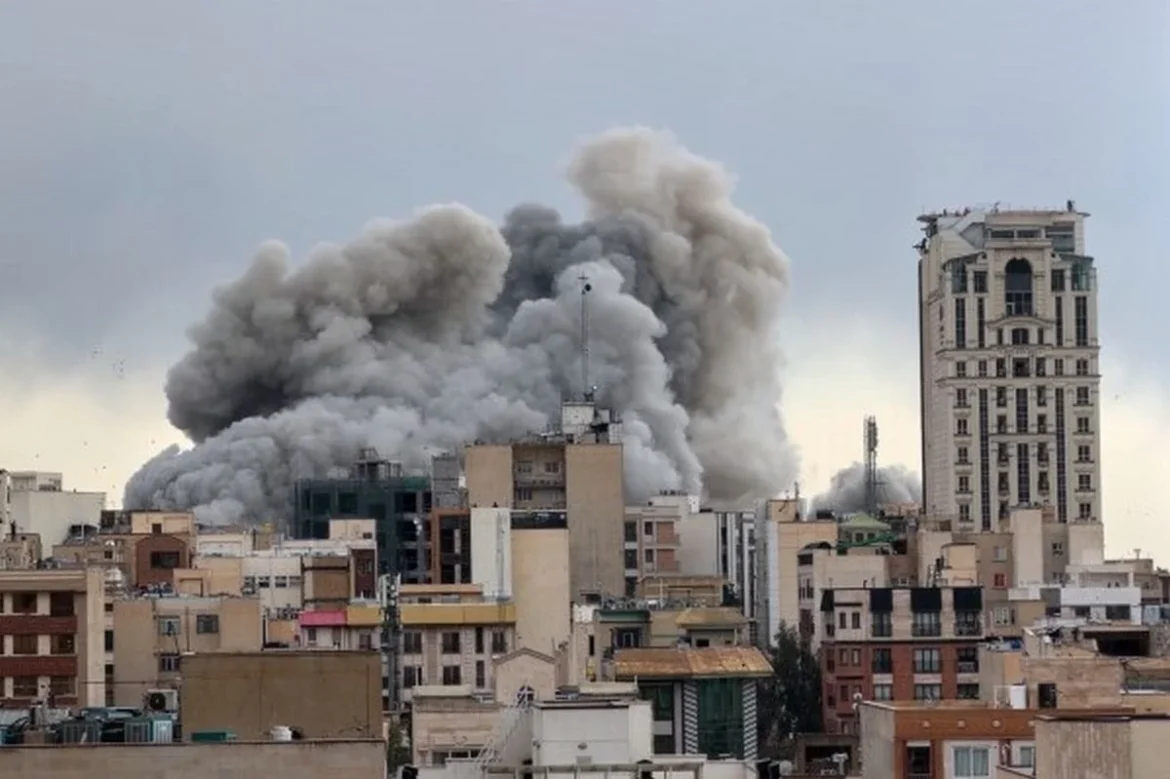
The esteemed Faculty of Law at the University of Indonesia (FH UI) finds itself at the center of a burgeoning controversy following viral allegations of sexual harassment and objectification within a student chat group. The scandal, which erupted on April 12, 2026, after an anonymous account on the social media platform X (formerly Twitter) exposed screenshots of the purported conversations, has ignited widespread public outrage and prompted calls for immediate and decisive intervention from national legislative bodies. The alleged chat content, which reportedly includes explicit comments objectifying women and references to their physical attributes such as breasts and buttocks, has cast a shadow over one of Indonesia’s most prestigious academic institutions, raising serious questions about campus safety, gender equality, and the accountability of student leaders.

Chronology of the Emerging Scandal

The controversy began to unfold on Friday, April 12, 2026, when an X account, @sampahFHUI (literally "FH UI Trash"), shared a series of screenshots purportedly taken from a private messaging group chat involving students from the Faculty of Law, University of Indonesia. The account alleged that the conversations contained derogatory and objectifying language directed at women, specifically mentioning body parts. What further fueled public alarm was the assertion that several members of this chat group held significant positions within the campus community, including roles as organizational administrators, batch leaders, and even individuals vying for positions in orientation committees for incoming students. This detail intensified the public outcry, as it suggested a potential abuse of power and a concerning culture within student leadership circles.

Within hours of the initial post, the allegations rapidly gained traction across social media platforms, sparking a torrent of reactions from students, alumni, activists, and the general public. Hashtags related to the incident trended nationally, with many users expressing shock, anger, and disappointment, particularly given FH UI’s reputation as a bastion of intellectualism and justice. The swift and widespread dissemination of the allegations underscored the increasing power of social media as a platform for whistleblowing and holding institutions accountable, especially in cases where traditional reporting mechanisms might be perceived as inadequate or intimidating.

By Wednesday, April 15, 2026, the issue had escalated to the national political arena, drawing the attention of the House of Representatives (DPR RI). The immediate and strong reaction from legislative figures signaled the gravity with which the allegations were being perceived at a national level, transforming the incident from a campus-specific issue into a matter of broader public policy and institutional integrity.

The Nature of the Allegations and Student Leadership

The core of the allegations revolves around the content of a group chat, described as containing "actions leading to harassment and objectification of women." While specific names of the alleged perpetrators were not publicly disclosed in the initial viral posts, the implication that individuals holding influential roles within the student body were involved has added a critical layer of concern. Student leaders are often seen as exemplars of campus values, responsible for fostering an inclusive and respectful environment. Their alleged participation in such discussions not only represents a profound breach of trust but also raises questions about the prevailing culture within student organizations and the effectiveness of existing ethical guidelines.

The alleged involvement of individuals "who have important positions in the campus environment" – including organization officials, batch leaders, and those running for orientation committee roles – suggests a potential systemic issue rather than isolated incidents. These roles typically involve significant interaction with new students and the broader university community, making the alleged behavior particularly alarming. It highlights a potential disconnect between the public-facing image of student leadership and the private conduct of some individuals, underscoring the need for greater scrutiny and accountability mechanisms for student representatives.

Parliamentary Intervention and the Legal Framework

The national legislature’s swift response underscores the seriousness of the allegations. Lalu Hadrian Irfani, Deputy Chairman of Commission X of the DPR RI, which oversees education, culture, sports, and tourism, publicly addressed the issue, calling for "firm action" against the alleged perpetrators. His statement emphasized the need for due process and adherence to established legal frameworks, specifically referencing Ministerial Regulation of Education, Culture, Research, and Technology (Permendikbudristek) Number 55 of 2024 concerning the Prevention and Handling of Violence in Higher Education Institutions.

Irfani’s remarks, while careful not to prejudge the accused, firmly asserted that any individuals found responsible must be processed according to the regulation. This directive from a high-ranking legislative official not only lends significant weight to the demands for accountability but also highlights the government’s commitment to addressing gender-based violence within educational settings. The invocation of Permendikbudristek No. 55 of 2024 is particularly significant, as it provides a comprehensive legal and procedural framework for universities to prevent, investigate, and respond to various forms of violence, including sexual harassment.

Permendikbudristek No. 55/2024: A Framework for Justice on Campus

Permendikbudristek No. 55 of 2024 represents a landmark regulation in Indonesia’s efforts to combat sexual violence and other forms of harassment within its higher education system. Enacted to provide a robust legal basis for universities to create safer environments, the regulation outlines clear definitions of various forms of violence, including sexual harassment, and mandates specific protocols for prevention, reporting, investigation, and sanctioning. It places a strong emphasis on victim protection and support, ensuring that reporting mechanisms are accessible, confidential, and victim-centric.

Key provisions of the regulation include:

  • Mandatory Reporting Mechanisms: Universities are required to establish accessible and confidential channels for reporting incidents of violence.
  • Formation of Task Forces: Institutions must form a "Task Force for the Prevention and Handling of Sexual Violence" (Satgas PPKS) responsible for receiving reports, conducting investigations, and recommending sanctions.
  • Comprehensive Definitions: The regulation provides explicit definitions for various acts of sexual violence, leaving less room for ambiguity.
  • Victim Support: It mandates psychological and medical support for victims, ensuring their well-being throughout the process.
  • Disciplinary Actions: The regulation outlines a range of administrative sanctions, from written warnings to expulsion, depending on the severity and nature of the offense.
  • Preventative Measures: Universities are also obligated to implement educational programs, awareness campaigns, and policy reviews to prevent violence from occurring.

The reference to this regulation by the DPR signifies a commitment to utilizing existing legal instruments to address campus violence effectively. It underscores the expectation that universities, including FH UI, will fully comply with their obligations under this framework to ensure justice for victims and maintain a safe learning environment. However, the implementation of such a comprehensive regulation often faces challenges, including a lack of resources, insufficient training for task force members, and resistance from entrenched campus cultures. This incident will serve as a critical test of the regulation’s efficacy and the university’s resolve to uphold its principles.

Berapa Gaji Lulusan S1 Hukum? Ini Kisaran dan Prospek Kerjanya : Okezone Economy

University’s Expected Response and Internal Investigations

In the wake of such serious allegations, the University of Indonesia, and specifically its Faculty of Law, is expected to initiate a thorough and impartial internal investigation. This typically involves several steps:

  1. Official Statement: A public acknowledgment of the allegations, expressing commitment to a fair and transparent investigation, and reassuring the campus community of their safety.
  2. Formation of an Investigative Body: If the Satgas PPKS is already established, they would take the lead. Otherwise, an ad hoc committee or a designated internal unit would be formed to gather evidence, interview witnesses, and hear testimonies from all parties involved.
  3. Protection for Whistleblowers and Victims: Ensuring that the anonymous account on X and any potential victims or witnesses are protected from retaliation and intimidation.
  4. Disciplinary Proceedings: If the allegations are substantiated, the university would proceed with disciplinary actions against the implicated students, in accordance with both university regulations and Permendikbudristek No. 55/2024. Sanctions could range from academic probation and suspension to expulsion.
  5. Review of Campus Culture: Beyond individual disciplinary actions, the university would likely need to undertake a broader review of its student organizational culture, ethical guidelines for student leaders, and existing awareness programs regarding gender-based violence.

While an official statement from FH UI or the UI Rectorate was not immediately available at the time of the article’s publication (April 15, 2026), the mounting public pressure and parliamentary scrutiny would necessitate a prompt and comprehensive response. Failure to act decisively could severely damage the university’s reputation and erode trust among its students, faculty, and the wider public.

Broader Context: Sexual Harassment in Indonesian Universities

The allegations at FH UI are not an isolated incident but rather reflect a persistent and pervasive issue of sexual harassment and gender-based violence within Indonesian higher education. Studies and reports from women’s rights organizations consistently highlight the prevalence of such incidents, with many cases going unreported due to fear of reprisal, victim-blaming, lack of clear reporting mechanisms, or institutional apathy.

  • Prevalence: Surveys conducted by various non-governmental organizations and academic researchers in Indonesia have indicated that a significant percentage of female students and staff have experienced some form of sexual harassment during their time at university. While precise, up-to-date national statistics can be elusive, anecdotal evidence and smaller-scale studies paint a concerning picture. For example, a 2020 report by the National Commission on Violence Against Women (Komnas Perempuan) highlighted that educational institutions are among the common sites for sexual violence, often perpetrated by fellow students or faculty members.
  • Reporting Challenges: Victims often face immense pressure to remain silent. Fears include social stigma, damage to academic or professional prospects, disbelief from authorities, and the emotional toll of recounting traumatic experiences. The power dynamics inherent in student-to-student or student-to-faculty relationships further complicate reporting.
  • Institutional Readiness: Before the promulgation of Permendikbudristek No. 55/2024, many universities lacked clear policies, dedicated units, or trained personnel to handle sexual harassment cases effectively. This often led to inconsistent responses, re-victimization, or outright inaction, perpetuating a culture of impunity.
  • Cultural Factors: Societal norms that sometimes normalize misogyny, objectification of women, and patriarchal attitudes contribute to an environment where such behaviors can fester, even in academic settings. The "boys will be boys" mentality, though increasingly challenged, has historically hindered serious responses to gender-based violence.

The FH UI case, therefore, serves as a stark reminder of the ongoing battle to create truly safe and inclusive learning environments in Indonesia. It underscores the critical need for not just policy implementation but also fundamental cultural shifts within institutions and society at large.

Reactions from Stakeholders and Advocacy Groups

The unfolding scandal has drawn reactions from various stakeholders beyond the DPR:

  • Student Body: While some students have expressed solidarity with the alleged victims and called for swift justice, others within the FH UI community might be grappling with the reputational damage and internal divisions. Student organizations, particularly those focused on gender equality and human rights, are expected to amplify calls for accountability, transparency, and the implementation of comprehensive prevention programs. They may also demand a review of the selection processes and ethical training for student leaders.
  • Women’s Rights Organizations and Activists: Groups like Komnas Perempuan and various university-based gender study centers are likely to issue strong statements condemning the alleged acts, urging the university to prioritize victim protection, conduct a thorough investigation, and implement Permendikbudristek No. 55/2024 rigorously. They would emphasize the importance of a victim-centric approach and systemic changes to prevent recurrence.
  • Legal Experts: Legal scholars and practitioners, especially those specializing in human rights and gender law, would offer analysis on the legal implications for the alleged perpetrators and the university’s responsibilities under the existing regulations. They might also highlight potential gaps in enforcement or suggest further legislative reforms if deemed necessary.
  • Ministry of Education, Culture, Research, and Technology (Kemendikbudristek): As the body responsible for Permendikbudristek No. 55/2024, the Ministry would likely monitor the situation closely, potentially offering guidance or intervention to ensure the university adheres to the regulation. This incident could also prompt the Ministry to review the effectiveness of the regulation’s implementation across other universities.

The Role of Social Media in Accountability

The FH UI scandal is yet another powerful example of social media’s transformative role in bringing issues of injustice and misconduct to light. The anonymous post on X circumvented traditional reporting channels, directly reaching a vast audience and creating immediate public pressure. This mechanism, while sometimes controversial due to the potential for unverified information, has proven effective in compelling institutions to address sensitive issues that might otherwise be suppressed or ignored.

The rapid virality of the post demonstrated:

  • Increased Transparency: Social media acts as a public forum, making it difficult for institutions to operate in secrecy or downplay serious allegations.
  • Empowerment of Whistleblowers: It offers a platform for individuals who might feel unsafe or unheard through official channels.
  • Mobilization of Public Opinion: It can quickly galvanize public support and create a collective demand for action, influencing official responses.
  • Faster Dissemination of Information: News and reactions spread almost instantaneously, forcing a quicker institutional response than might have occurred in the past.

However, the use of social media also comes with challenges, including the need for careful verification of information and the potential for digital vigilantism. Nevertheless, in cases like the FH UI allegations, it has undeniably played a crucial role in ensuring that the issue received the attention it deserved.

Implications for FH UI and Higher Education in Indonesia

The allegations at FH UI carry significant implications, both for the specific institution and for the broader landscape of higher education in Indonesia:

  • Reputational Damage: As one of the country’s most prestigious law faculties, FH UI’s reputation for academic excellence and ethical leadership is now under scrutiny. Rebuilding trust and restoring its image will require sustained effort, transparency, and demonstrable commitment to justice and safety.
  • Cultural Shift Imperative: The incident highlights the urgent need for a cultural shift within student organizations and the wider university environment. This includes fostering greater awareness of gender equality, consent, and respectful communication, alongside robust mechanisms for addressing misconduct.
  • Enforcement of Regulations: The case will serve as a critical test for the effective implementation of Permendikbudristek No. 55/2024. Its success or failure in addressing this high-profile case will have ripple effects across other universities, influencing their commitment to the regulation.
  • Student Leadership Accountability: There will likely be increased scrutiny on the selection, training, and oversight of student leaders, emphasizing not only their organizational skills but also their adherence to ethical conduct and respect for all members of the community.
  • Call for Comprehensive Education: The incident underscores the importance of integrating comprehensive education on gender-based violence, sexual harassment prevention, and respectful conduct into university curricula and orientation programs for all students, not just leaders.

In conclusion, the allegations of sexual harassment and objectification within a student chat group at the University of Indonesia’s Faculty of Law represent a grave challenge to the institution’s integrity and a stark reminder of the persistent issues surrounding gender-based violence in higher education. The calls for firm action from parliamentary figures, coupled with the robust legal framework provided by Permendikbudristek No. 55 of 2024, underscore the national imperative to address such incidents decisively. The coming weeks will be crucial as FH UI navigates this crisis, with its response setting a precedent for how prestigious institutions in Indonesia uphold their commitment to creating truly safe, inclusive, and equitable learning environments for all.
July 2, 2025 0 comment
0 FacebookTwitterPinterestEmail
Business & Economy

KAI Targets 5G WiFi for Long-Distance Train Passengers by June 2026, Unveiling Broad Digital Transformation

by Iffa Jayyana June 30, 2025
written by Iffa Jayyana

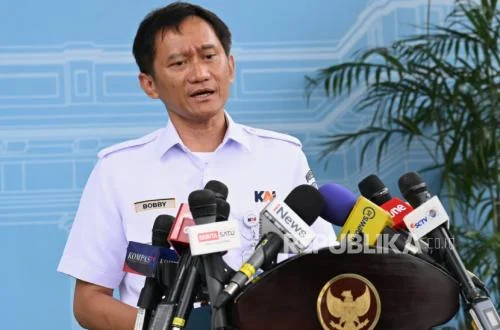
JAKARTA – PT Kereta Api Indonesia (Persero) (KAI), Indonesia’s state-owned railway operator, has set an ambitious target to make 5G WiFi connectivity available for its long-distance train passengers starting June 2026, strategically coinciding with the peak holiday season. This initiative marks a significant leap in KAI’s ongoing efforts to enhance passenger experience and modernize its extensive railway network. The announcement was made by KAI President Director Bobby Rasyidin following a pivotal tripartite strategic memorandum of understanding (MoU) signing ceremony held at Tanah Abang Station, Jakarta, on Wednesday, April 15, 2026.

Addressing Connectivity Gaps: A New Era for Passenger Experience

Bobby Rasyidin acknowledged the persistent challenges faced by passengers regarding internet connectivity onboard trains. "Currently, there are numerous complaints about poor internet quality on trains; streaming services are often unsatisfactory. To address this, we are committed to delivering 5G networks to significantly improve internet services starting June-July 2026," Rasyidin stated, emphasizing KAI’s responsiveness to customer feedback. This move is directly aimed at rectifying the existing connectivity deficiencies, which have long been a source of frustration for travelers attempting to stay productive or entertained during their journeys.

The integration of 5G WiFi is a cornerstone of KAI’s broader strategy to elevate the in-train entertainment and productivity ecosystem. By ensuring faster and more reliable internet access, KAI aims to empower passengers to seamlessly stream videos, engage in online work, or maintain uninterrupted communication throughout their travels. This upgrade is not merely about providing internet; it is about transforming the entire travel experience, making it more comfortable, convenient, and aligned with the demands of the digital age. In a country with high smartphone penetration and a digitally native population, robust connectivity is no longer a luxury but an expectation, and KAI’s initiative directly responds to this evolving passenger need.

The initial rollout of the 5G WiFi service will prioritize high-demand routes that experience heavy passenger traffic during holiday periods. These include the popular corridors connecting Jakarta to major cities such as Semarang, Yogyakarta, and Surabaya. Specific train services, including the executive-class KA Taksaka and other Argo-class trains operating along the northern Java line, have been identified as early beneficiaries of this technological upgrade. This strategic phased implementation ensures that the improved services are first deployed where they can have the maximum impact on passenger satisfaction and operational efficiency, catering to the most frequented routes and premium services.

A Foundational Partnership for Digital Transformation

The ambitious 5G deployment is underpinned by a groundbreaking strategic tripartite Memorandum of Understanding (MoU) signed between PT Kereta Api Indonesia (Persero) (KAI), PT Solusi Sinergi Digital Tbk (SURGE), and PT Huawei Tech Investment (Huawei). This partnership signifies a concerted effort to accelerate the adoption of cutting-edge 5G and Artificial Intelligence (AI) technologies across Indonesia’s entire railway system, moving beyond just passenger WiFi to encompass critical operational aspects.

The MoU outlines a collaborative framework focused on three primary areas of innovation:

  1. ICT Infrastructure Cooperation: Building a robust digital backbone for future railway operations.
  2. 5G FRMCS Network and Applications: Enhancing safety and efficiency through advanced mobile communication systems.
  3. AI-based Freight Wagon Detection: Revolutionizing freight logistics and maintenance with intelligent automation.

This comprehensive approach highlights KAI’s vision to not only improve passenger amenities but also to modernize its core operational capabilities, leveraging technology to create a safer, more efficient, and more responsive railway network. The partnership with SURGE, a prominent digital infrastructure provider in Indonesia, and Huawei, a global leader in ICT and 5G technology, brings together diverse expertise crucial for the successful execution of such a large-scale transformation.

Pillars of Digital Advancement: A Detailed Look at the MoU

The ICT infrastructure cooperation outlined in the MoU is foundational. It encompasses the establishment of a resilient backbone network, pervasive wireless coverage at all stations and depots, and the deployment of scalable cloud solutions. This comprehensive infrastructure is designed to ensure business continuity, provide the flexibility necessary for future service expansion, and support the myriad digital applications that will power KAI’s modern operations. A robust ICT backbone is critical for seamless data flow, enabling everything from real-time train tracking and ticketing systems to advanced security monitoring and predictive maintenance, all while preparing for the inevitable growth in digital service demand.

Beyond passenger WiFi, a crucial element of the collaboration is the development and implementation of the 5G Future Railway Mobile Communication System (FRMCS). This advanced communication network is poised to dramatically enhance railway safety, operational efficiency, and overall service quality. FRMCS, the global standard for railway mobile communications, provides a high-bandwidth, low-latency platform essential for critical railway applications. It facilitates real-time communication between train drivers, control centers, and trackside personnel, supports advanced signaling systems, and enables the integration of Internet of Things (IoT) devices for continuous monitoring of train components and infrastructure. As part of this initiative, a pilot project is slated for the Rangkasbitung-Tanah Abang line, focusing specifically on improving level crossing safety and implementing intelligent train dispatch systems. This targeted deployment will allow KAI to test and refine the FRMCS capabilities in a live operational environment before broader rollout, ensuring optimal performance and reliability.

The third pillar, AI-based freight wagon detection, represents a significant stride in modernizing KAI’s freight operations. This technology involves the application of AI-powered video analytics to intelligently detect faults and provide automatic alerts on freight trains. By leveraging AI, KAI aims to move beyond traditional, often manual, inspection methods. This system can identify anomalies, wear and tear, or potential mechanical issues in real-time, significantly increasing turnaround efficiency by reducing the need for extensive manual inspections. The benefits extend to enhanced safety for cargo transport, minimized downtime due to unforeseen mechanical failures, and optimized logistics chains, thereby contributing to the overall economic efficiency of railway freight services in Indonesia. This application of AI positions KAI at the forefront of smart logistics within the region.

Background and Context: KAI’s Modernization Journey

KAI’s journey towards digital transformation is not new. Over the past decade, the company has steadily invested in modernizing its services, transitioning from manual ticketing to sophisticated e-ticketing platforms and mobile applications that have significantly streamlined the passenger experience. These early digital initiatives laid the groundwork for KAI to become a more customer-centric and technologically adept organization. However, the rapidly evolving digital landscape and increasing passenger expectations for ubiquitous connectivity necessitated a more radical upgrade, particularly for long-distance travel where journeys can span many hours.

Indonesia, with its vast archipelago and growing economy, relies heavily on its transportation infrastructure. KAI plays a pivotal role in connecting major cities and facilitating both passenger and freight movement across Java and parts of Sumatra. The demand for railway services has been consistently growing. For instance, KAI reported handling over 350 million passengers in 2023, a significant increase from previous years, reflecting a resurgence in post-pandemic travel and a growing preference for rail travel due to its efficiency and comfort. This surge in passenger numbers amplifies the urgency for enhanced digital services.

The decision to implement 5G is also informed by Indonesia’s high digital literacy rates and widespread smartphone adoption. A 2023 report indicated that over 80% of Indonesia’s population actively uses the internet, with mobile devices being the primary access point. Passengers now expect to remain connected for work, entertainment, and communication even while on the move. By providing reliable 5G WiFi, KAI is not only meeting this expectation but also enhancing its competitive edge against other modes of transport, such as intercity buses and domestic airlines, by offering a superior and more productive travel environment.

Statements and Industry Insights

From KAI’s Perspective: Bobby Rasyidin’s statements underscore KAI’s unwavering commitment to innovation and customer satisfaction. "Our vision is to transform KAI into a world-class railway operator that not only moves people and goods efficiently but also enriches their journey with unparalleled digital experiences," Rasyidin is understood to have articulated, emphasizing the strategic importance of this 5G and AI integration. "This partnership with SURGE and Huawei is a testament to our dedication to leveraging the best available technology to achieve that vision, ensuring safety, efficiency, and comfort for all our stakeholders."

SURGE’s Contribution: Representing PT Solusi Sinergi Digital Tbk, a spokesperson might have highlighted their expertise in deploying extensive digital infrastructure. "SURGE is proud to contribute our robust digital infrastructure capabilities to KAI’s ambitious modernization program," a representative could have stated. "Our experience in building and managing high-capacity networks across Indonesia positions us perfectly to ensure the seamless deployment and operation of the 5G connectivity along KAI’s critical routes. This collaboration is a vital step towards achieving Indonesia’s digital transformation goals, extending connectivity even to moving environments."

Huawei’s Technological Prowess: Huawei, as a global technology giant, brings invaluable experience in 5G and AI solutions for smart railways worldwide. "Huawei is committed to supporting Indonesia’s digital agenda and is honored to partner with KAI and SURGE in this transformative project," a Huawei executive might have commented. "Our advanced 5G and AI technologies, specifically tailored for railway applications, will not only enhance passenger experience but also revolutionize operational efficiency and safety. We believe this initiative will set a new benchmark for smart railway systems in Southeast Asia, showcasing the power of intelligent connectivity."

Broader Impact and Implications

The deployment of 5G WiFi and the broader 5G+AI integration by KAI carries profound implications across various sectors:

Enhanced Passenger Experience: The most immediate and tangible impact will be on passengers. Reliable 5G connectivity will transform travel time into productive work hours or enjoyable leisure, improving overall satisfaction and potentially encouraging more people to choose train travel. This includes seamless video calls, online gaming, access to cloud-based work applications, and high-definition streaming, all previously challenging on moving trains.

Operational Efficiency and Safety: The implementation of 5G FRMCS and AI-based detection systems will lead to significant improvements in KAI’s operational efficiency. Real-time data transmission for train control, predictive maintenance of infrastructure and rolling stock, and enhanced communication protocols will reduce delays, prevent accidents, and optimize resource allocation. The pilot project on the Rangkasbitung-Tanah Abang line, specifically targeting level crossing safety and intelligent dispatch, highlights the direct correlation between this technology and improved safety records.

Economic Development: A more efficient and digitally advanced railway system will contribute directly to Indonesia’s economic growth. Enhanced freight logistics will support industries by reducing transportation costs and improving supply chain reliability. Increased passenger comfort and connectivity could also boost domestic tourism, making remote destinations more accessible and attractive for digital nomads and vacationers alike. Furthermore, the infrastructure development required for 5G deployment will create jobs and foster technological expertise within the country.

Technological Leadership: By embracing 5G and AI on such a comprehensive scale, KAI is positioning Indonesia as a leader in smart transportation within Southeast Asia. This initiative demonstrates a commitment to adopting cutting-edge technologies for public services, potentially inspiring other sectors and regional railway operators to follow suit.

Challenges and Future Outlook: While the benefits are substantial, KAI and its partners will undoubtedly face challenges. Deploying extensive 5G infrastructure along thousands of kilometers of railway lines, often through diverse geographical terrains, requires significant investment and meticulous planning. Ensuring consistent signal coverage, managing cybersecurity risks, and continuous maintenance of the advanced systems will be critical for sustained success.

However, the strategic vision and robust partnership suggest KAI is well-prepared to navigate these complexities. The targeted June 2026 launch for passenger WiFi, coinciding with the holiday season, signals KAI’s intent to deliver tangible improvements in the near term, while the broader MoU lays a long-term roadmap for a truly intelligent and interconnected railway system. This ambitious endeavor is set to redefine railway travel and operations in Indonesia, ushering in an era of unprecedented connectivity, safety, and efficiency.

June 30, 2025 0 comment
0 FacebookTwitterPinterestEmail
Business & Economy

Indonesian Finance Minister Purbaya Yudhi Sadewa Secures Positive International Endorsement for Fiscal Strategy Amid Global Uncertainty

by Layla Zulfa June 29, 2025
written by Layla Zulfa

Indonesia’s Minister of Finance, Purbaya Yudhi Sadewa, successfully concluded a series of high-level investor meetings and engagements with prominent international financial institutions in Washington D.C., United States, on Wednesday, April 15, 2026. The comprehensive outreach initiative garnered a notably positive response from entities including the International Monetary Fund (IMF) and the World Bank, as well as a diverse group of major global investors. This widespread endorsement underscores a growing confidence in Indonesia’s capacity to adeptly balance robust economic growth objectives with prudent fiscal sustainability, particularly against a backdrop of persistent global economic volatility and geopolitical shifts.

The strategic engagements in the U.S. capital were part of a broader effort by the Indonesian government to articulate its economic vision, fiscal policy frameworks, and investment opportunities to key global stakeholders. Minister Sadewa’s delegation engaged in a packed schedule that included bilateral meetings, courtesy calls with the Managing Director of the IMF, discussions with senior officials from the World Bank, and crucial consultations with representatives from leading international credit rating agencies such as S&P Global Ratings. A significant component of the itinerary involved direct interactions with eighteen major institutional investors, among them financial titans like Goldman Sachs and Fidelity Investments, all keen to gain deeper insights into Indonesia’s economic trajectory and policy credibility.

Navigating Global Headwinds: Indonesia’s Fiscal Resilience

Minister Sadewa emphasized that these meetings served as a critical platform to comprehensively detail Indonesia’s fiscal strategies, particularly its nuanced approach to stimulating economic growth without placing undue strain on the state budget (Anggaran Pendapatan dan Belanja Negara, APBN). The core message conveyed was Indonesia’s unwavering commitment to fiscal discipline and macroeconomic stability, even as it pursues an ambitious development agenda. This commitment is viewed as paramount in a global economic landscape characterized by elevated inflation, tightening monetary policies by major central banks, and the lingering effects of supply chain disruptions exacerbated by ongoing geopolitical tensions.

The international community’s positive reception was notably centered on the perceived strength of Indonesia’s economic fundamentals. Minister Sadewa highlighted that while some international parties had previously expressed reservations or posed questions regarding how Indonesia intended to accelerate economic growth while simultaneously upholding stringent fiscal discipline, these concerns were substantially allayed following the detailed expositions provided by the Indonesian delegation. This dialogue was crucial, especially given earlier candid assessments and robust discussions on economic projections and methodologies between Indonesian officials and some multilateral institutions. The ability to articulate and demonstrate a credible path forward proved instrumental in mitigating initial skepticism and fostering a more optimistic outlook.

A Chronology of Strategic Engagements

The intensive schedule in Washington D.C. unfolded over several days, meticulously planned to maximize engagement with a diverse array of stakeholders. The overarching objective was to reinforce Indonesia’s narrative as a stable, attractive, and responsibly managed emerging market economy.

Early April 2026 (Pre-Meetings): Preparatory meetings and briefing sessions were conducted within the Indonesian Ministry of Finance and with diplomatic missions to fine-tune the presentation of Indonesia’s economic data, policy achievements, and future outlook. This included detailed analyses of global economic trends and their potential impact on Indonesia.

April 14, 2026 (Arrival & Initial Consultations): Minister Sadewa and his delegation arrived in Washington D.C. and likely held internal coordination meetings, followed by initial informal discussions or courtesy calls, setting the stage for the more formal engagements.

April 15, 2026 (Core Engagements – as reported): This was a pivotal day, as cited in the original report.

  • Bilateral Meetings: Strategic one-on-one sessions were held with key officials from various international bodies and potentially sovereign wealth funds or government agencies of other nations. These discussions often delve into specific areas of cooperation, technical assistance, or policy coordination.
  • Courtesy Meeting with IMF Managing Director: A significant engagement underscoring Indonesia’s commitment to multilateral cooperation and adherence to international financial norms. Discussions would have covered global economic prospects, regional stability, and Indonesia’s contribution to global economic resilience.
  • Meetings with World Bank Officials: These discussions likely focused on Indonesia’s development agenda, infrastructure financing, climate change initiatives, and poverty reduction strategies, where the World Bank plays a crucial advisory and funding role. It provided an opportunity to address and reconcile any past differences in economic assessments, moving towards a shared understanding of Indonesia’s economic trajectory.
  • Meetings with International Credit Rating Agencies (e.g., S&P Global Ratings): These interactions are vital for maintaining and potentially improving Indonesia’s sovereign credit ratings. The delegation would have presented updated fiscal data, debt management strategies, and reform agendas to assure agencies of the country’s creditworthiness.
  • Investor Meetings (18 Major Institutions): This was a core focus. Minister Sadewa presented to representatives from major global financial institutions like Goldman Sachs, Fidelity Investments, and likely other prominent asset managers, hedge funds, and pension funds. The agenda for these meetings revolved around:
    • Indonesia’s Growth Policy Direction: Outlining strategies for sustainable economic expansion, including sector-specific growth drivers (e.g., manufacturing, digital economy, green economy).
    • Budget Management and Fiscal Prudence: Detailing revenue generation, expenditure prioritization, and debt management frameworks designed to ensure long-term fiscal health.
    • Credibility and Sustainability Assessment: Addressing investor questions on the robustness and long-term viability of Indonesia’s economic policies, including legal and regulatory frameworks.

Following Days (Post-April 15, 2026): While not explicitly detailed, such high-level visits often include follow-up discussions, networking events, and possibly public speaking engagements or press conferences to disseminate the key takeaways more broadly. The positive feedback received serves as a strong foundation for continued dialogue and potential future collaborations.

Supporting Data: Anchoring Confidence in Fundamentals

The positive international response is firmly rooted in Indonesia’s robust economic fundamentals and a consistent track record of prudent macroeconomic management. Over recent years, Indonesia has demonstrated remarkable resilience, navigating global shocks with a combination of fiscal flexibility and structural reforms.

Economic Growth: Indonesia’s Gross Domestic Product (GDP) growth has generally remained robust, often exceeding 5% in pre-pandemic years and rebounding strongly post-pandemic. For instance, in 2022, Indonesia’s economy grew by 5.31%, the highest in a decade, followed by a solid 5.05% in 2023. Projections for 2024 and 2025 by institutions like the IMF and World Bank typically place Indonesia’s growth between 4.9% and 5.2%, a commendable rate given global uncertainties. This consistent performance signals an expanding domestic market and a dynamic economy.

Fiscal Discipline: The government has shown a strong commitment to fiscal consolidation. After temporarily breaching the 3% of GDP fiscal deficit ceiling during the pandemic to support the economy, Indonesia successfully brought its deficit back below 3% in 2023, ahead of schedule. The 2024 State Budget targets a deficit of 2.29% of GDP, further demonstrating this commitment. This disciplined approach reassures investors and rating agencies about the government’s ability to manage its finances responsibly.

Debt Management: Indonesia’s debt-to-GDP ratio remains well below that of many developed and emerging economies, typically hovering around 38-40%. This conservative level provides substantial fiscal space and reduces sovereign risk. In contrast, the average debt-to-GDP ratio for emerging market and developing economies (EMDEs) is often significantly higher, highlighting Indonesia’s relative strength.

Inflation Control: Bank Indonesia (BI), the central bank, has been proactive in managing inflation, employing a combination of monetary policy tools and close coordination with the government. While global commodity price spikes have presented challenges, core inflation has generally been kept within target ranges. For example, after peaking due to energy price adjustments, annual inflation steadily declined, returning to BI’s target range of 2.5% ± 1% in the latter half of 2023 and is projected to remain stable through 2024-2026.

Foreign Exchange Reserves: Indonesia maintains a healthy level of foreign exchange reserves, providing a strong buffer against external shocks and supporting rupiah stability. These reserves have consistently exceeded the international adequacy standard of three months of imports.

Credit Ratings: Indonesia has maintained its investment-grade credit ratings from all three major international agencies – Fitch Ratings (BBB), Moody’s Investors Service (Baa2), and S&P Global Ratings (BBB). These stable outlooks reflect the agencies’ confidence in Indonesia’s macroeconomic stability, prudent fiscal management, and resilient economic growth prospects. The discussions with S&P Global Ratings in Washington D.C. would have been crucial in reinforcing these positive assessments.

Official Responses and Inferred Reactions

From the Indonesian Ministry of Finance (Purbaya Yudhi Sadewa):
Minister Sadewa’s statements consistently conveyed optimism and satisfaction with the outcomes of the meetings. His emphasis on the positive responses from both multilateral institutions and private investors reflects a successful communication strategy that effectively showcased Indonesia’s economic strengths and credible policy direction. The reduction in "initial skepticism" highlights the persuasive power of direct engagement and comprehensive data presentation. The high interest from global investors, particularly from the U.S., in Indonesian financial instruments (fixed income and equity) is a tangible measure of success.

From the IMF and World Bank (Inferred):
While specific direct quotes from IMF and World Bank officials were not provided, the reported "positive response" implies an acknowledgment of Indonesia’s efforts in fiscal consolidation, structural reforms, and macroeconomic stability. These institutions typically advocate for policies that promote sustainable growth, prudent debt management, and an attractive investment climate. Indonesia’s commitment to these principles, along with its active participation in global economic dialogues, would naturally lead to positive appraisals. The World Bank, for instance, has often lauded Indonesia’s progress in poverty reduction and human capital development, while the IMF frequently commends its resilience in managing external shocks. The ability to address previous points of divergence, such as economic projections or reform urgency, and demonstrate a convergence of views further strengthens this positive relationship.

From Major Investors (Inferred):
The interest from institutional investors like Goldman Sachs and Fidelity Investments signifies a keen appetite for emerging market opportunities that combine growth potential with stability. Their focus on "growth policy direction" and "budget management" underscores their need for predictable and credible policy environments. Investors are typically looking for:

  • Stability: A stable political and economic environment minimizes risk.
  • Growth Potential: Opportunities for capital appreciation and attractive returns, often driven by a large domestic market and structural reforms.
  • Policy Predictability: Clear and consistent government policies regarding investment, taxation, and regulation.
  • Fiscal Prudence: Assurance that government finances are well-managed, reducing the risk of sovereign default or currency depreciation.
  • Attractive Valuations: Comparative advantages in terms of asset pricing relative to developed markets.
    The high interest in both fixed income (bonds) and equity markets suggests confidence in both the government’s ability to service its debt and the potential for corporate earnings growth in Indonesia.

Broader Impact and Implications

The successful investor meetings and positive feedback from international financial bodies carry significant implications for Indonesia’s economic trajectory and international standing.

Enhanced Investor Confidence and Capital Inflows: The endorsement from major institutions and investors can translate directly into increased foreign direct investment (FDI) and portfolio investment. Higher investor confidence generally leads to lower borrowing costs for the government and Indonesian corporations, as perceived risk diminishes. This inflow of capital can fund crucial infrastructure projects, stimulate job creation, and foster technological transfer, supporting long-term economic growth.

Strengthened International Credibility: A positive assessment from the IMF, World Bank, and leading rating agencies reinforces Indonesia’s image as a responsible and reliable player in the global economy. This credibility is vital for multilateral cooperation, securing development financing, and advocating for its interests on the international stage. It also validates Indonesia’s homegrown economic policies and its capacity to manage its economy effectively.

Support for Long-Term Development Goals: Increased capital inflows and reduced borrowing costs provide the government with greater flexibility to pursue its ambitious development agenda. This includes investments in critical infrastructure (roads, ports, digital networks), human capital development (education, healthcare), and the transition to a green economy, which requires substantial financing. The interest from global investors in sustainable investment opportunities within Indonesia can further accelerate these efforts.

Rupiah Stability: Increased investor confidence and capital inflows typically strengthen the domestic currency. A stable rupiah is crucial for managing inflation, reducing the cost of imports, and providing a predictable environment for businesses. This stability is a key indicator of economic health and attractiveness to foreign capital.

Validation of Fiscal Reforms: The positive response serves as a validation of the government’s ongoing efforts to implement fiscal reforms, diversify revenue streams, and enhance spending efficiency. It encourages continued commitment to these reforms, which are essential for building a resilient and sustainable economy capable of withstanding future shocks.

Looking Ahead: Sustaining the Momentum

While the positive outcomes from the Washington D.C. meetings are a significant achievement, the Indonesian government recognizes the continuous effort required to maintain this momentum. The global economic environment remains dynamic, with ongoing challenges and emerging opportunities.

To sustain this positive trajectory, Indonesia will need to:

  1. Continue Fiscal Prudence: Maintain strict adherence to fiscal targets and debt management strategies to ensure long-term sustainability.
  2. Advance Structural Reforms: Accelerate reforms aimed at improving the ease of doing business, enhancing labor market flexibility, and boosting productivity to attract further investment and unlock growth potential.
  3. Invest in Human Capital and Infrastructure: Prioritize investments that enhance the competitiveness of its workforce and improve connectivity across the archipelago.
  4. Promote Green Economy Initiatives: Leverage its natural resources and commitment to sustainability to attract green financing and position itself as a leader in renewable energy and sustainable development.
  5. Maintain Active Dialogue: Continue proactive engagement with international financial institutions, investors, and rating agencies to transparently communicate its economic policies and address any emerging concerns.

The successful engagements in Washington D.C. represent a pivotal moment for Indonesia, reaffirming its economic resilience and strengthening its position as an attractive investment destination amidst a complex global landscape. The endorsements received are not merely accolades but a foundation upon which Indonesia can build further confidence, secure vital capital, and advance its national development aspirations.

June 29, 2025 0 comment
0 FacebookTwitterPinterestEmail
Business & Economy

Iran’s Dual Currency Reality: The Rial’s Struggle, Toman’s Rise, and a Nation’s Redenomination Bid Amidst Geopolitical Headwinds

by Pevita Pearce June 28, 2025
written by Pevita Pearce

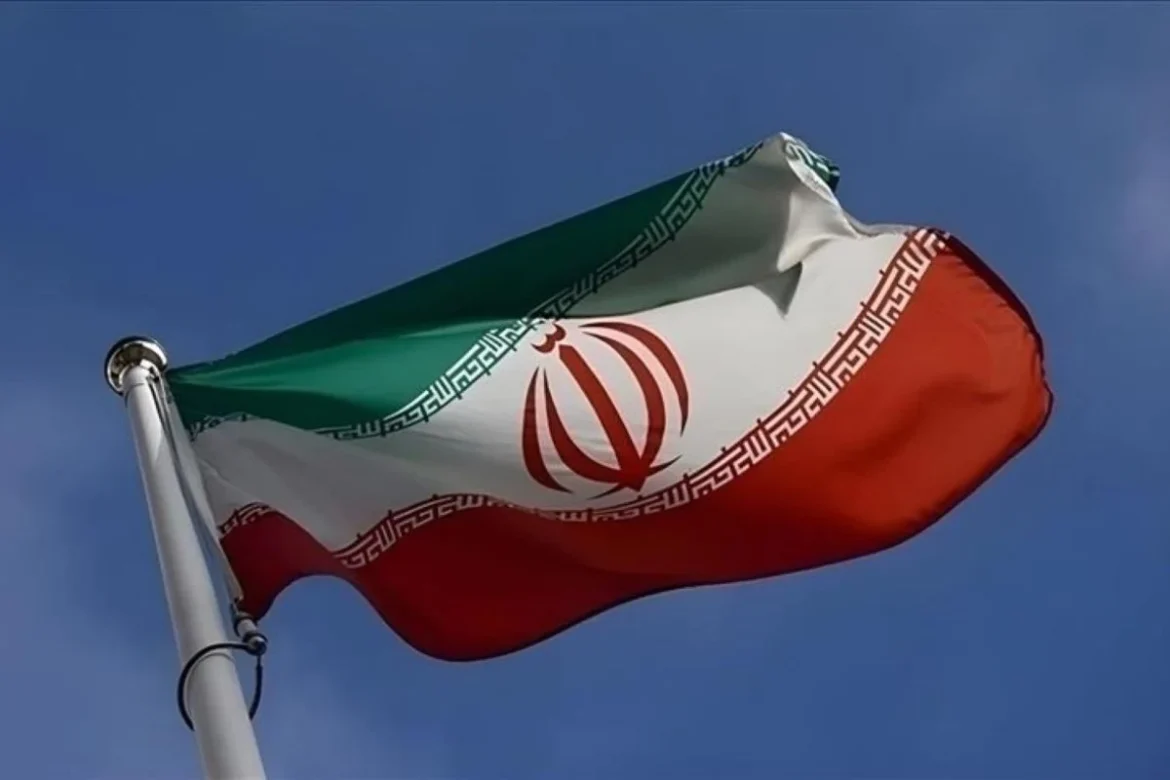
Jakarta (ANTARA) – Iran’s national currency has found itself at the heart of global attention, inextricably linked to escalating geopolitical tensions and shifting international economic policies. A significant development under the administration of former U.S. President Donald Trump saw the re-imposition of stringent tariffs, including levies of up to 25 percent, on nations engaging in business with Iran. This aggressive stance, aimed at curbing Iran’s economic activities and its nuclear program, has had profound ripple effects, most notably on the stability and value of the Iranian Rial. The currency’s trajectory has been marked by severe depreciation, at one point reportedly plummeting to its lowest level against the Euro, a stark indicator of the immense pressure exerted by prolonged sanctions and relentless domestic inflation on the Iranian economy.

However, a visit to Iran’s bustling traditional bazaars or modern shopping centers reveals a striking paradox: the term "Rial" is conspicuously absent from daily transactional conversations. Instead, locals universally employ the term "Toman" when quoting prices for goods and services. This linguistic and practical divergence from the official currency underscores the profound impact of hyperinflation, leading to the adoption of the Toman as an alternative unit of account to simplify large numerical values. This article delves into the intricacies of Iran’s monetary system, dissecting the official status of the Rial, the pervasive informal use of the Toman, and the nation’s ambitious redenomination project designed to reconcile this long-standing dual currency reality.

The Rial’s Precarious Position Amidst Geopolitical Storms

The official currency of the Islamic Republic of Iran is the Rial, designated by the international code IRR. It is the sole legal tender for all banking operations, government documents, and formal price listings in contemporary retail environments. Yet, its value has been under relentless assault for decades, a situation exacerbated by a complex interplay of internal economic policies and external geopolitical pressures.

The current currency crisis has deep roots in the tumultuous relationship between Iran and Western powers, particularly the United States. Following the 2015 Joint Comprehensive Plan of Action (JCPOA), often known as the Iran nuclear deal, international sanctions against Iran were eased, offering a brief period of economic respite. However, in May 2018, the Trump administration unilaterally withdrew the U.S. from the JCPOA, subsequently re-imposing and intensifying sanctions across critical sectors including oil, banking, shipping, and petrochemicals. These secondary sanctions effectively penalized any foreign entity doing business with Iran, severely curtailing its ability to export oil—its primary source of foreign currency—and integrate into the global financial system.

The immediate consequence was a dramatic decline in the Rial’s value. From a relatively stable exchange rate against major currencies prior to the sanctions’ re-imposition, the Rial plunged into freefall. The black market rate, which often reflects the true economic sentiment, diverged significantly from the official rate, creating multiple exchange rates and fostering corruption and inefficiency. The mention of the Rial hitting its lowest level against the Euro highlights the severity of this depreciation, making imports prohibitively expensive and eroding the purchasing power of ordinary Iranians. This economic isolation led to a drastic reduction in foreign investment, technological stagnation, and a deepening sense of economic uncertainty within the country.

A Tale of Two Currencies: Rial and Toman in Daily Life

Despite the Rial’s official status, daily life in Iran unfolds largely through the lens of the Toman. This informal but ubiquitous unit is the preferred nomenclature for transactions, from the smallest purchase in a neighborhood store to larger deals in traditional bazaars. The practical reason behind this widespread adoption lies in the astronomical figures that result from rampant inflation. To simplify pricing and avoid cumbersome strings of zeros, Iranians began mentally (and often verbally) dropping zeros from Rial denominations.

Historically, the Toman was itself an official currency of Iran until 1932, when it was replaced by the Rial. However, its popular usage persisted. In its contemporary informal application, one Toman is widely understood to be equivalent to 10,000 Rial. This means that if a vendor quotes a price of "60 Tomans," the actual amount to be paid is 600,000 Rial. This deep-seated practice of "redenomination by popular consent" reflects a coping mechanism by the public against the relentless erosion of their currency’s value.

For foreign visitors and international economic observers, this dual currency system often creates considerable confusion. Tourists, armed with official exchange rates for the Rial, may find themselves bewildered when confronted with prices quoted in Tomans, necessitating a quick mental conversion to avoid miscommunication or overpayment. This linguistic shortcut has become an ingrained part of Iranian economic culture, illustrating the disconnect between official monetary policy and the realities of everyday commerce.

The Roots of Weakness: Sanctions, Inflation, and Economic Headwinds

The weakening of the Iranian currency is a multi-faceted problem stemming from several interconnected factors, with U.S. sanctions playing a pivotal, albeit not exclusive, role.

  1. International Sanctions: As detailed, the re-imposition of U.S. sanctions under the Trump administration severely restricted Iran’s access to international markets and banking systems. The inability to freely export oil, its primary revenue generator, led to a drastic shortage of foreign currency reserves. This scarcity makes it difficult for Iran to import essential goods, leading to domestic supply shortages and further inflationary pressures. The banking sector’s isolation also hampers foreign investment, technology transfer, and overall economic growth.

  2. Persistent High Inflation: Iran has grappled with chronic double-digit inflation for decades, often soaring well above 40-50% annually in recent years. This high inflation is fueled by a combination of factors:

    • Monetary Expansion: Government budget deficits, often exacerbated by sanctions-induced revenue shortfalls, are frequently financed by printing money, leading to an increase in the money supply without a corresponding increase in goods and services.
    • Subsidies: Extensive government subsidies on essential goods and services, while intended to alleviate the burden on citizens, can distort market prices and contribute to inflationary spirals if not managed sustainably.
    • Supply Chain Disruptions: Sanctions and internal inefficiencies create bottlenecks in supply chains, increasing the cost of production and distribution.
    • Expectations: Public expectations of continued inflation can become a self-fulfilling prophecy, as businesses raise prices proactively and consumers accelerate purchases.
  3. Oil Revenue Dependence and Volatility: Despite efforts to diversify, Iran’s economy remains heavily reliant on oil exports. Fluctuations in global oil prices and, more critically, the ability to sell oil unhindered by sanctions, directly impact the government’s budget and the nation’s foreign currency reserves. When oil revenues dwindle, the government faces difficult choices between cutting public spending (which can lead to social unrest) or printing more money (which fuels inflation).

  4. Structural Economic Challenges: Beyond sanctions and inflation, Iran faces long-standing structural issues, including:

    • Low Productivity: Inefficient state-owned enterprises and a lack of competition hinder productivity growth.
    • Corruption: Pervasive corruption diverts resources, discourages investment, and undermines public trust.
    • Brain Drain: The departure of skilled professionals and entrepreneurs seeking better opportunities abroad deprives the country of valuable human capital.
    • Capital Flight: Wealthy individuals and businesses often seek to move assets out of the country, further depleting foreign currency reserves and investment potential.

These factors combine to create a challenging economic environment where the national currency struggles to maintain its value, eroding savings and increasing poverty.

Iran’s Bold Redenomination Gambit: The Official Shift to Toman

In an ambitious move to address the chronic devaluation of the Rial and the prevailing informal use of the Toman, the Iranian government, through the Central Bank of Iran (CBI), initiated a major redenominaton policy in 2020. This comprehensive plan aims to formally replace the Rial with a new version of the Toman, effectively re-anchoring the national currency.

The legislative process for this change began with a bill approved by the Iranian parliament in May 2020. The key aspect of this redenomination is the removal of four zeros from the national currency. Under the new scheme, 1 new Toman will be equivalent to 10,000 old Rial. This aligns the official currency with the widely accepted informal usage, seeking to simplify transactions, reduce mental calculation burdens, and potentially instill greater confidence in the currency.

The full implementation of this transition is planned to be gradual, spanning from 2025 to 2026, allowing for a smooth adaptation period for the public and businesses. As part of this reform, the new Toman will also be subdivided into smaller units called Qiran, where one Toman will consist of 100 Qiran. This introduces a fractional currency, common in many monetary systems globally, further streamlining pricing for smaller values.

During the transitional phase, both the old Rial banknotes and the new Toman/Qiran currency will circulate concurrently. This dual circulation is designed to prevent disruption and allow the public to gradually familiarize themselves with the new denominations. Newer banknotes are already being issued with smaller nominal values, sometimes accompanied by faint "shadow zeros" to visually guide the public toward the impending change and ease the psychological shift away from the larger numerical values of the old Rial.

The Central Bank of Iran’s objectives for this redenomination are multifaceted:

  • Simplification: To make financial transactions easier for everyone by eliminating the need to count or write large numbers of zeros.
  • Restoring Confidence: To project an image of currency stability and strength, even if the underlying economic challenges persist.
  • Reducing Printing Costs: Over time, fewer banknotes with fewer zeros will be needed, potentially reducing the cost of currency production.
  • Aligning with Public Practice: To formally recognize and integrate the Toman, which has long been the de facto currency for daily exchanges.

Historical Precedent and International Comparisons

Redenomination is not a novel concept in economic history. Numerous countries, particularly those grappling with hyperinflation, have resorted to similar measures to stabilize their currencies and simplify transactions. Examples include Turkey, which removed six zeros from its lira in 2005; Zimbabwe, which underwent multiple redenominations and eventually abandoned its currency amidst hyperinflation; and Venezuela, which has repeatedly slashed zeros from its bolivar in attempts to control its economic crisis.

The success of redenomination efforts, however, is highly contingent upon addressing the underlying economic maladies that caused the currency’s depreciation in the first place. Without fundamental reforms—such as fiscal discipline, robust monetary policy, and an environment conducive to investment and production—redenomination can merely be a cosmetic fix. While it can reduce the psychological burden of dealing with large numbers, it cannot, on its own, halt inflation or restore real purchasing power if the factors causing currency erosion persist. For Iran, this means that while the Toman may bring transactional ease, its long-term value will depend on a resolution to sanctions, effective management of inflation, and sustainable economic growth.

Implications and Future Outlook

The redenomination of Iran’s currency carries significant implications for various stakeholders:

  • For Iranian Citizens: The immediate benefit will be simplified daily transactions, making it easier to read prices and manage money. However, if inflation continues unabated, the new Toman’s value will also erode over time, necessitating further adjustments or leading to a return to informal currency practices. The true test will be whether the redenomination is accompanied by broader economic stability that preserves the purchasing power of their savings and wages.

  • For Foreign Investors and Businesses: A clearer, more simplified currency system could potentially reduce some of the operational complexities for foreign entities looking to engage with Iran. However, the overarching deterrents of international sanctions, political risk, and the challenging business environment will likely remain the primary considerations for investment decisions. Without a significant easing of sanctions and greater economic transparency, the currency redenomination alone may not be enough to attract substantial foreign capital.

  • For the Global Economy: Iran’s economic stability, particularly its ability to export oil, has broader implications for global energy markets. A more stable Iranian economy could potentially contribute to greater regional stability. However, as long as geopolitical tensions persist and sanctions remain in place, Iran’s full economic potential, and its ability to meaningfully contribute to global trade beyond specific sectors, will be constrained.

  • Challenges Ahead: The path forward for Iran’s currency is fraught with challenges. The Central Bank of Iran will need to meticulously manage the transition, ensuring public trust and preventing confusion. More critically, the government must tackle the root causes of inflation and currency weakness through sound fiscal and monetary policies, structural reforms, and efforts to integrate into the global economy. The interplay between domestic economic reforms and external geopolitical developments will ultimately determine the long-term success of the Toman and the broader health of the Iranian economy.

In conclusion, Iran’s ongoing currency saga is a compelling narrative of resilience in the face of immense pressure. The formal adoption of the Toman represents a pragmatic response to decades of inflation and the public’s informal adaptation. Yet, this monetary shift is but one piece of a much larger economic puzzle. Its success will ultimately hinge on Iran’s ability to navigate the complex currents of geopolitical challenges, implement sustainable economic policies, and foster an environment where its national currency can truly reflect a robust and stable economy.

Pewarta: Sean Anggiatheda Sitorus
Editor: Suryanto
Copyright © ANTARA 2026

June 28, 2025 0 comment
0 FacebookTwitterPinterestEmail
Politics

Iran Demands Compensation from Five Arab Nations for Alleged Complicity in US-Israel Attacks

by Nana Muazin June 26, 2025
written by Nana Muazin

Tehran has formally demanded compensation from five Arab nations in the Persian Gulf region, accusing them of facilitating "illegal armed attacks" by the United States and Israel against Iranian civilian targets and infrastructure. The unprecedented claim, lodged through a letter to United Nations Secretary-General Antonio Guterres on Monday, April 13, 2026, marks a significant escalation in regional tensions and introduces a complex new dimension to international law concerning state responsibility and complicity in military actions.

The demand, articulated by Iran’s Permanent Representative to the UN, Amir Saeid Iravani, specifically targets Saudi Arabia, Bahrain, Qatar, the United Arab Emirates (UAE), and Jordan. While the exact monetary value of the compensation sought was not detailed in the official communication, Iravani asserted that these nations bear full responsibility for "all material and moral damages" resulting from actions deemed to violate international law. He explicitly accused them of allowing their sovereign territories to be utilized as launchpads for strikes against Iran and, in some instances, allegedly engaging directly in these operations. This accusation, reported by Anadolu on Wednesday, April 15, 2026, casts a harsh spotlight on the intricate web of alliances and rivalries that define the Middle East’s volatile geopolitical landscape.

The Genesis of a Grievance: A Region on Edge

Iran’s demand is rooted in decades of simmering animosity and a perceived campaign of destabilization orchestrated by its adversaries. The Islamic Republic has long accused the United States and Israel of engaging in covert operations, cyberattacks, and targeted assassinations on its soil, alongside military strikes aimed at disrupting its nuclear program, missile development, and regional influence. The notion that these operations have been facilitated by neighboring Arab states, particularly those hosting significant American military installations, has been a recurring theme in Iranian rhetoric.

The relationship between Iran and the United States has been fraught since the 1979 Islamic Revolution, characterized by periods of intense confrontation and proxy conflicts across the Middle East. The withdrawal of the U.S. from the Joint Comprehensive Plan of Action (JCPOA), or the Iran nuclear deal, in 2018, and the subsequent re-imposition of crippling sanctions by the Trump administration, significantly ratcheted up tensions. This "maximum pressure" campaign was met with Iranian defiance and, at times, retaliatory actions, including attacks on oil tankers in the Gulf and drone incidents.

Similarly, the shadow war between Iran and Israel has intensified dramatically over the past decade. Israel views Iran’s nuclear ambitions and its support for regional proxy groups like Hezbollah in Lebanon and various militias in Syria and Iraq as existential threats. Consequently, Israel has conducted numerous airstrikes in Syria, targeting Iranian-linked assets and weapon shipments, and has been widely suspected of carrying out cyberattacks and sabotage operations within Iran itself, including at sensitive nuclear facilities.

The Role of Gulf Arab States: A Strategic Nexus

The five Arab nations named in Iran’s complaint — Saudi Arabia, Bahrain, Qatar, the UAE, and Jordan — all maintain varying degrees of security cooperation with the United States. Many host significant U.S. military assets and personnel, which are crucial for projecting American power and maintaining regional stability, particularly concerning maritime security in the Persian Gulf and counter-terrorism operations.

  • Bahrain is home to the U.S. Naval Forces Central Command (NAVCENT) and the U.S. Fifth Fleet, a critical maritime presence responsible for safeguarding waterways vital to global energy supplies.
  • Qatar hosts Al Udeid Air Base, the largest U.S. military installation in the Middle East, serving as a key hub for air operations across the region.
  • The UAE provides access to various facilities for U.S. air and naval forces, including Al Dhafra Air Base, which supports a wide range of aerial operations.
  • Saudi Arabia has historically hosted U.S. forces, notably at Prince Sultan Air Base, and continues to engage in extensive security cooperation with Washington.
  • Jordan, while not a Gulf state, is a crucial U.S. ally bordering Iraq and Syria, playing a vital role in regional security and hosting U.S. troops for training and counter-terrorism efforts.

From Iran’s perspective, the presence of these foreign military bases, especially those belonging to its primary adversary, the United States, inherently compromises the neutrality of these host nations. Tehran argues that by providing logistical support, intelligence sharing, and operational platforms, these countries become de facto participants in any aggression launched from their soil. The accusation of "direct involvement" in "illegal armed attacks" suggests Iran believes some of these nations went beyond merely hosting bases to actively aiding and abetting specific hostile actions.

Kenapa Iran Menuntut Ganti Rugi ke Negara-negara Arab? : Okezone News

The Legal Basis: State Responsibility and Complicity

Iran’s demand for compensation is predicated on principles of international law concerning state responsibility, particularly the concept of complicity or "aid and assistance" in the commission of an internationally wrongful act. Under customary international law, as codified in the International Law Commission’s Articles on Responsibility of States for Internationally Wrongful Acts, a state that aids or assists another state in the commission of an internationally wrongful act is internationally responsible for doing so if:

  1. That state does so with knowledge of the circumstances of the internationally wrongful act.
  2. The act would be internationally wrongful if committed by that state.

Proving such complicity in an international court, such as the International Court of Justice (ICJ), would be immensely challenging. Iran would need to present compelling evidence demonstrating:

  • Knowledge: That the five Arab states knew that the US and Israel were planning or executing attacks against Iran.
  • Aid/Assistance: That they provided material or logistical support, or allowed their territory to be used in a way that significantly contributed to the alleged attacks.
  • Wrongfulness: That the alleged US/Israeli actions constituted an internationally wrongful act (e.g., an act of aggression, a violation of sovereignty, or a breach of international humanitarian law).

The burden of proof would be substantial, requiring detailed intelligence and possibly classified information to be presented in a public forum, which is often a hurdle in international disputes of this nature. The absence of a clear, universally recognized definition of "aggression" in all contexts, or the legality of "self-defense" claims by the US and Israel, further complicates the matter.

A Hypothetical Chronology of Alleged Incidents (2018-2026)

While the specific incidents prompting Iran’s current demand are not detailed, a plausible chronology of escalatory events and alleged attacks, many of which Iran attributes to the US and Israel, could form the backdrop of its claim:

  • May 2018: U.S. withdrawal from the JCPOA and re-imposition of sanctions. Iran views this as an economic war, a precursor to military aggression.
  • 2019: Series of attacks on oil tankers in the Gulf of Oman and Saudi oil facilities (e.g., Abqaiq and Khurais). While the U.S. and its allies blamed Iran, Tehran denied involvement, often pointing to regional proxies or internal dissent. Iran, in turn, may allege these incidents were used as pretexts for increased military posturing from bases in the Gulf.
  • January 2020: U.S. drone strike kills Iranian Quds Force Commander Qassem Soleimani in Baghdad. Iran retaliates with missile strikes on U.S. bases in Iraq. Iran might argue that intelligence gathering or command-and-control for such operations relied on Gulf state facilities.
  • 2020-2025 (Ongoing):
    • Cyberattacks: Multiple high-profile cyberattacks on Iranian infrastructure, including nuclear facilities (e.g., Natanz), port systems, and fuel distribution networks, often attributed to Israel and/or the U.S. Iran might claim these attacks were coordinated or launched through networks relying on regional infrastructure.
    • Assassinations: Targeted killings of Iranian nuclear scientists and military commanders within Iran, widely attributed to Israel.
    • Israeli Strikes in Syria: Frequent Israeli air and missile strikes targeting alleged Iranian weapons shipments, bases, and personnel in Syria. Iran could argue that these operations often involve intelligence or logistical support routed through neighboring airspace or facilities.
    • Drone Incidents: Various drone incursions into Iranian airspace or attacks on Iranian targets, some of which Iran claims originate from or are supported by regional bases.
    • Advanced Missile Defense Deployments: The deployment of advanced missile defense systems (e.g., THAAD, Patriot) in Gulf states, while ostensibly defensive, could be seen by Iran as enabling offensive operations by neutralizing potential Iranian retaliation.
  • Early 2026: Leading up to the April 2026 demand, there could have been a specific, significant incident or a cumulative series of alleged "illegal armed attacks" that pushed Iran to formalize its compensation claim.

Anticipated Reactions and Denials

The international community, particularly the United Nations, will face a delicate diplomatic challenge.

  • United Nations Secretariat: Secretary-General Guterres will likely acknowledge receipt of the letter, reiterate the UN’s commitment to international law and peaceful resolution of disputes, and call for de-escalation and dialogue among all parties. The UN may offer its good offices for mediation but is unlikely to take an immediate stance on the merits of the claim without extensive investigation.
  • United States: Washington is expected to vehemently reject Iran’s claims, characterizing them as baseless propaganda designed to deflect attention from Iran’s own destabilizing activities in the region. U.S. officials would likely affirm the defensive nature of their military presence in allied countries and reiterate their commitment to regional security partnerships. They would likely argue that any actions taken are in self-defense or in response to Iranian threats, and that host nations merely exercise their sovereign right to invite foreign forces for security.
  • Israel: Israel would almost certainly deny any specific allegations of complicity from Arab nations in its operations. It would likely reiterate its policy of acting to prevent Iran from acquiring nuclear weapons or entrenching itself militarily on Israel’s borders, emphasizing its right to self-defense against perceived threats.
  • The Five Arab Nations (Saudi Arabia, Bahrain, Qatar, UAE, Jordan): These nations are expected to issue strong, coordinated denials of any complicity in "illegal armed attacks" against Iran. They would likely:
    • Assert their sovereign right to host foreign military forces for defensive purposes and mutual security interests.
    • Emphasize that their security cooperation with the U.S. is aimed at regional stability and deterring aggression, including from Iran.
    • Counter-accuse Iran of being the primary source of instability in the region through its support for proxy groups, missile programs, and interference in internal affairs of other states.
    • Reject any notion of being "launchpads" for offensive operations, maintaining that their territories are used for defensive posture and legitimate security cooperation.

Geopolitical Implications and Future Outlook

Iran’s demand for compensation introduces a potent new element into the already combustible dynamics of the Middle East.

  • Heightened Regional Tensions: The formal accusation will undoubtedly exacerbate mistrust and animosity between Iran and the named Arab states, potentially undermining recent, fragile attempts at de-escalation and dialogue, such as the Saudi-Iran rapprochement initiated in 2023. It could lead to further diplomatic isolation of Iran or, conversely, compel these Arab nations to reassess the implications of their security alliances.
  • Challenge to U.S. Regional Posture: The claim implicitly challenges the legality and implications of the extensive U.S. military footprint in the Gulf. While unlikely to force immediate changes, it could fuel domestic debate within host nations about the perceived risks and benefits of such alliances, especially if international legal scrutiny intensifies.
  • Precedent in International Law: Should Iran pursue this claim through international legal avenues, it could set a significant precedent regarding state responsibility for actions taken by allies from their territory. The complexities of proving "knowledge" and "aid or assistance" will be thoroughly tested, potentially shaping future interpretations of international law in an era of complex military alliances and hybrid warfare.
  • Economic Impact: Prolonged geopolitical instability could affect global energy markets, shipping lanes, and investment in the region, particularly if the dispute escalates beyond diplomatic channels.
  • Diplomatic Tool: Regardless of the immediate legal outcome, Iran’s formal demand serves as a powerful diplomatic tool. It allows Tehran to frame itself as a victim of aggression, rally support domestically and among like-minded nations, and put its adversaries on the defensive on the international stage. It forces a discussion on the legality and ethics of actions taken from sovereign territories in a highly interconnected and volatile region.

The coming months will reveal whether Iran intends to pursue this claim rigorously through international legal mechanisms or if it primarily serves as a strategic diplomatic maneuver. Regardless, the move underscores the deep-seated grievances and the complex, often volatile, interplay of alliances and rivalries that continue to define the geopolitical landscape of the Middle East. The international community watches closely as this unprecedented demand unfolds, with potentially far-reaching consequences for regional stability and the interpretation of international law.

June 26, 2025 0 comment
0 FacebookTwitterPinterestEmail
Politics

Emerging Frontrunner: Taj Yasin Maimoen Leads Central Java Gubernatorial Popularity Survey Ahead of Pilkada 2024

by Nana Muazin June 25, 2025
written by Nana Muazin

JAKARTA – A recent survey by Parameter Politik Indonesia has identified Taj Yasin Maimoen, the former Deputy Governor of Central Java (2018-2023), as the most popular figure among potential candidates for the upcoming Central Java gubernatorial election (Pilkada Jateng). The data collection for this pivotal survey was conducted between May 15 and 21, 2024, providing an early snapshot of public sentiment in one of Indonesia’s most politically significant provinces. The findings indicate a dynamic electoral landscape, with several prominent figures vying for public recognition, though none have yet established an overwhelmingly dominant position.

Adi Prayitno, Executive Director of Parameter Politik Indonesia, detailed the survey’s methodology and initial findings during an online release witnessed from Jakarta on Wednesday, May 29, 2024. "We asked respondents one by one, ‘Sir, Madam, are you familiar with the following public figures?’ Based on this direct inquiry, approximately 52.1 percent of respondents indicated familiarity with the name Taj Yasin," Prayitno explained, underscoring the former Deputy Governor’s significant public recognition. This level of popularity, while substantial, also highlights that nearly half of the surveyed population is not yet familiar with him, suggesting ample room for other candidates to increase their visibility as the election cycle progresses. The survey aimed to gauge general awareness and recognition, a crucial first step in assessing a candidate’s viability before deeper dives into electability and preference.

Following Taj Yasin Maimoen, Hendrar Prihadi, who currently serves as the Head of the Government Goods/Services Procurement Policy Institute (LKPP) and is a former Mayor of Semarang, secured the second position with a popularity rating of 40 percent. Bupati (Regent) of Kendal, Dico Ganinduto, rounded out the top three, achieving a 38.1 percent popularity score. Prayitno elaborated on the selection criteria for the figures included in the survey, stating, "These individuals are those whom we believe possess potential, are frequently discussed, or are consistently linked to the possibility of running in the Central Java Pilkada. Thus, by evaluating them individually, this is the general portrait of their popularity." Despite these encouraging figures for the frontrunners, Prayitno also offered a sobering assessment, noting that none of the currently popular figures could yet be described as "outstanding" or "shining brilliantly," implying a competitive and open race with no clear, dominant frontrunner. This early stage of the election cycle often sees high volatility in survey numbers, as public awareness and candidate campaigns are still in their nascent phases.

Understanding the Central Java Political Landscape

Central Java, or Jawa Tengah, is not merely a geographical entity but a pivotal political battleground in Indonesia. As one of the most populous provinces, with over 37 million inhabitants, its electoral outcomes frequently serve as bellwethers for national political trends. The province is characterized by a unique blend of traditional Javanese culture, strong Islamic communities (particularly Nahdlatul Ulama, or NU), and a robust nationalist political base, largely dominated by the Indonesian Democratic Party of Struggle (PDI-P). The gubernatorial election in Central Java, scheduled for November 27, 2024, as part of the nationwide simultaneous regional elections (Pilkada Serentak), is therefore a high-stakes affair. The winner will govern a province rich in agricultural resources, nascent industrial hubs, and a significant youth population, facing challenges ranging from economic development and infrastructure improvement to social welfare and environmental sustainability.

Historically, Central Java has been a stronghold for the PDI-P, with figures like Ganjar Pranowo serving two consecutive terms as governor (2013-2023). This dominance means that any candidate seeking to win the governorship must either secure PDI-P’s endorsement or build a formidable coalition capable of challenging its established political machinery. The upcoming election is particularly intriguing because Ganjar Pranowo, having completed his maximum terms and recently contested the presidential election, will not be on the ballot, leaving a significant power vacuum and opening the field for new contenders. This context makes early popularity surveys, such as the one conducted by Parameter Politik Indonesia, invaluable indicators of emerging political dynamics and potential shifts in voter allegiance. The absence of an incumbent also means that voters are likely more open to new faces and fresh ideas, making the race less predictable than in previous cycles.

Detailed Candidate Profiles and Political Strengths

Taj Yasin Maimoen (52.1% Popularity):
Taj Yasin Maimoen, often referred to as Gus Yasin, carries a formidable legacy. He is the son of the late K.H. Maimoen Zubair (Mbah Moen), a revered cleric, former senator, and spiritual leader of the Nahdlatul Ulama (NU), Indonesia’s largest Islamic organization. This lineage provides Taj Yasin with an inherent advantage in Central Java, where NU’s influence is profound, particularly in rural areas and among traditional Muslim communities. His tenure as Deputy Governor alongside Ganjar Pranowo from 2018 to 2023 allowed him to gain direct experience in provincial administration and build a public profile beyond his religious background. During his time as Deputy Governor, Taj Yasin was often seen as a bridge between the provincial government and various religious and community organizations, particularly the pesantren (Islamic boarding school) network. His policy focus included enhancing religious education, promoting interfaith harmony, and supporting small and medium-sized enterprises (SMEs). His political affiliation with the United Development Party (PPP), a party historically rooted in Islamic politics, further solidifies his base. Taj Yasin’s challenge will be to translate his widespread recognition, stemming partly from his father’s revered status and his past government role, into concrete electability by demonstrating his own vision and leadership capabilities for Central Java’s future. His ability to mobilize the extensive NU network will be a critical factor in his campaign.

Hendrar Prihadi (40% Popularity):
Hendrar Prihadi, affectionately known as Hendi, brings a strong track record of urban governance to the table. As the former Mayor of Semarang, the provincial capital, for two terms (2013-2022), he is credited with significant advancements in infrastructure, public services, and economic development in the city. His initiatives included smart city programs, improvements in public transportation, and revitalization of urban spaces, earning him accolades and a strong local following. His current role as the Head of LKPP, a national agency, has also elevated his profile to a national level, showcasing his administrative prowess beyond regional politics. Hendrar Prihadi is a prominent cadre of the PDI-P, a party that has historically dominated Central Java politics. His challenge lies in expanding his popularity from Semarang, an urban center, to the broader, more diverse provincial landscape, which includes numerous rural areas with different political dynamics. Securing the PDI-P’s nomination will be crucial, and he faces internal competition from other party figures. His administrative experience and modern governance approach could appeal to voters seeking pragmatic solutions and efficient leadership.

Dico Ganinduto (38.1% Popularity):
Dico Ganinduto represents a new generation of political leaders. At a relatively young age, he currently serves as the Regent of Kendal, a district known for its industrial development and coastal areas. His youth and modern approach could resonate with younger voters, a significant demographic in Indonesia. As a member of the Golkar Party, one of Indonesia’s oldest and most established political forces, Dico benefits from a well-oiled party machinery and national network. During his tenure as Regent, Dico has focused on attracting investment, improving local infrastructure, and empowering local communities. His challenge will be to build province-wide recognition and overcome the perception of being a relatively new face compared to more seasoned politicians. His ability to forge alliances with other parties and present a compelling vision for Central Java will be key. Golkar’s strategy often involves forming broad coalitions, which could position Dico as a strong contender if he can secure the backing of multiple parties.

The Survey Methodology and Its Implications

Parameter Politik Indonesia’s survey, conducted through face-to-face interviews with a significant sample size (e.g., typically 800-1,200 respondents for provincial-level surveys, with a margin of error of approximately ±2.8% to ±3.5% at a 95% confidence level, though specific numbers were not detailed in the source), provides a robust measure of public awareness. While "popularity" is a vital metric, it is distinct from "electability," which measures how likely respondents are to vote for a candidate. Popularity reflects name recognition and general positive sentiment, whereas electability delves into voter preference and potential voting behavior.

Adi Prayitno’s remark that no candidate is "mentereng" (outstanding) yet is a critical insight. It suggests that while some figures have higher recognition, none have yet captured the imagination of the electorate to the extent that they are perceived as an undeniable choice. This implies that the race is wide open, and the eventual winner will likely be determined by a combination of factors: effective campaigning, compelling policy platforms, strong party endorsements, and the ability to connect with diverse voter segments. The fluidity of the early numbers also means that candidates can significantly improve their standing through strategic communication and grassroots mobilization. The coming months, leading up to candidate registration, will be crucial for these hopefuls to convert mere recognition into concrete voter support.

Chronology and the Road to Pilkada 2024

The Pilkada 2024 election cycle follows a structured timeline dictated by the General Election Commission (KPU). While the official campaign period typically begins a few months before election day, the groundwork for nominations and public engagement starts much earlier.

  • Early 2024: Political parties begin internal deliberations, candidate scouting, and informal lobbying. Surveys like Parameter Politik Indonesia’s play a role in these internal discussions.
  • June – July 2024: Political parties intensify their internal processes for candidate selection, including conducting their own internal surveys and negotiating potential coalition agreements.
  • August 2024: The formal period for candidate registration at the KPU. Candidates must secure endorsements from political parties or coalitions meeting a minimum seat threshold in the provincial legislature.
  • September – November 2024: Official campaign period, marked by rallies, debates, media advertisements, and grassroots outreach.
  • November 27, 2024: Election Day.
  • December 2024 – January 2025: Vote tabulation, dispute resolution (if any), and official announcement of winners.
  • Early 2025: Inauguration of the new Governor and Deputy Governor.

This survey, conducted in May, falls squarely within the critical pre-registration phase, where candidates are working to build their public profiles and secure party backing. The results will undoubtedly influence party strategies and coalition formations.

Party Dynamics and Endorsement Battles

The Central Java Pilkada will largely be shaped by the strategies of major political parties:

  1. PDI-P: As the dominant force, PDI-P’s endorsement is highly coveted. They face a challenge in selecting a candidate who can maintain their stronghold while also appealing to a broader electorate. Internal competition for the PDI-P ticket is likely fierce, with Hendrar Prihadi being a strong contender, but other party cadres could also emerge. The party’s decision will involve balancing loyalty, electability, and regional representation.

  2. PPP: Taj Yasin Maimoen’s party, PPP, will undoubtedly push for his candidacy. However, PPP alone may not have enough seats in the provincial legislature to nominate a candidate independently, necessitating a coalition with other parties. Their natural allies often include other Islamic parties or nationalist parties seeking to tap into the NU vote.

  3. Golkar: With Dico Ganinduto as a potential candidate, Golkar will aim to expand its influence in Central Java. Golkar is known for its pragmatic coalition-building and could seek alliances with PDI-P, Gerindra, PKB, or other parties to form a winning ticket. Their strategy often involves positioning themselves as a crucial swing party in multi-party alliances.

  4. PKB (National Awakening Party): Also deeply rooted in the NU community, PKB could either endorse Taj Yasin Maimoen or field its own candidate, potentially forming a strong Islamic-based coalition. Their decision will depend on internal calculations and broader national political dynamics.

  5. Gerindra, NasDem, PKS, Demokrat: These parties will also play significant roles, either by nominating their own candidates, forming coalitions, or acting as kingmakers. Their strategies will be influenced by their performance in the recent national elections and their long-term political objectives in Central Java. The formation of "grand coalitions" is a common feature of Indonesian regional elections, and Central Java is unlikely to be an exception. The ability of a candidate to unite disparate political interests will be a significant asset.

Broader Impact and Implications

The outcome of the Central Java Pilkada has significant implications beyond the provincial borders. As a microcosm of national politics, the election will test the strength of political parties, the effectiveness of various campaign strategies, and the evolving preferences of Indonesian voters.

  1. Party Strength and Future Elections: A victory in Central Java would bolster the winning party’s national standing and provide momentum for future elections. Conversely, a loss could signal a need for strategic recalibration. For PDI-P, retaining the governorship is crucial for maintaining its image as a dominant national force. For parties like PPP and Golkar, a win would signify a successful expansion of influence.

  2. National Political Dynamics: The Central Java election is often seen through the lens of national political rivalries and alliances. Endorsements from national figures, and the performance of party leaders during the campaign, could influence the broader political narrative.

  3. Governance and Development: The chosen leader will face the immense task of guiding Central Java’s development. Key issues expected to dominate the campaign include economic growth, job creation, infrastructure development (roads, digital connectivity), agricultural modernization, social welfare programs, environmental protection, and ensuring good governance. Candidates will need to present concrete, actionable plans to address these complex challenges.

  4. Shifting Voter Behavior: The absence of a strong incumbent like Ganjar Pranowo creates an opportunity to observe how Central Java voters respond to new faces and different political narratives. It could reveal shifts in voter priorities, such as a greater emphasis on youth, specific policy issues, or religious identity.

  5. Converting Popularity to Electability: The current survey highlights popularity, but the real challenge for Taj Yasin, Hendrar, and Dico, as well as any other emerging candidates, will be to convert this recognition into actual votes. This requires not just name familiarity, but a compelling vision, a strong campaign organization, and the ability to mobilize supporters. The "outstanding" candidate that Adi Prayitno alluded to has yet to fully emerge, suggesting that the coming months will be filled with intense political maneuvering, strategic endorsements, and robust public debate. The Central Java Pilkada is shaping up to be one of the most closely watched and fiercely contested regional elections in Indonesia.

June 25, 2025 0 comment
0 FacebookTwitterPinterestEmail
Politics

Queen Máxima Concludes Influential Visit to Indonesia as UN Special Advocate, Bolstering Financial Inclusion Efforts

by Siti Muinah June 23, 2025
written by Siti Muinah

Jakarta, Indonesia – Queen Máxima of the Netherlands recently concluded a significant working visit to Indonesia, spanning from Monday, November 24, to Thursday, November 27, 2025. Her presence in the archipelago was not in her capacity as Queen of the Netherlands, but rather as the United Nations Secretary-General’s Special Advocate (UNSGSA) for Inclusive Finance for Development. This pivotal role underscores her global commitment to promoting financial health and access to financial services as a cornerstone of sustainable development. The four-day itinerary was meticulously designed to encompass strategic meetings and field visits, delving into the nuances of financial inclusion and the financial well-being of Indonesian communities.

Her mission, particularly focused on promoting financial resilience and prosperity, unfolded over three intensive days from Tuesday, November 25, to Thursday, November 27, 2025. During this period, Queen Máxima traversed various key regions, including Sragen Regency and Solo City in Central Java, the bustling capital city of Jakarta, and Bekasi Regency in West Java, engaging with a diverse array of stakeholders from policymakers to grassroots communities and private sector innovators.

The Mandate of the UNSGSA: A Global Champion for Financial Inclusion

Queen Máxima’s role as the UNSGSA for Inclusive Finance for Development, a position she has held since 2009, is crucial in galvanizing global efforts to ensure everyone, especially vulnerable populations, has access to and can effectively use a range of affordable, useful, and responsible financial products and services. Her advocacy extends to promoting financial literacy, consumer protection, and the responsible use of digital financial services, all vital components for fostering economic growth and reducing poverty worldwide. This mandate directly aligns with several United Nations Sustainable Development Goals (SDGs), particularly SDG 1 (No Poverty), SDG 5 (Gender Equality), SDG 8 (Decent Work and Economic Growth), and SDG 10 (Reduced Inequalities). By focusing on financial inclusion, the UNSGSA aims to empower individuals, foster small and medium-sized enterprises (SMEs), and build more resilient economies, contributing to a more equitable and prosperous world. Her visits to countries like Indonesia serve as vital platforms for direct engagement, allowing her to assess progress, identify challenges, and offer strategic advice to national governments and financial sector leaders.

Indonesia’s Progressive Journey Towards Financial Inclusion

Indonesia, as the world’s fourth-most populous nation and a vibrant emerging economy, presents both immense opportunities and significant challenges in the realm of financial inclusion. Over the past decade, the country has made commendable strides in expanding access to financial services, driven by robust government policies, regulatory innovations, and the rapid proliferation of digital technologies. According to recent data from the Financial Services Authority (OJK) and Bank Indonesia (BI), the financial inclusion index in Indonesia has shown a consistent upward trend, indicating a growing proportion of the population utilizing banking, insurance, and other financial products. However, disparities persist, particularly in remote areas, among women, youth, and micro, small, and medium-sized enterprises (MSMEs). Many still lack adequate financial literacy or struggle to access formal credit and savings mechanisms.

The Indonesian government, through its National Strategy for Financial Inclusion (SNKI), has set ambitious targets to further increase financial inclusion by leveraging digital platforms, agent-based banking, and tailored financial products. Initiatives such as micro-credit schemes (e.g., KUR – Kredit Usaha Rakyat), mobile banking applications, and financial education programs have been instrumental in this progress. Queen Máxima’s visit provided a timely opportunity to evaluate these efforts firsthand, share international best practices, and reinforce the importance of continued innovation and collaboration among all stakeholders to bridge the remaining gaps. Her engagements with OJK, BI, and the Ministry of Finance were particularly significant in this context, allowing for high-level discussions on policy frameworks and future strategies.

A Fifth Engagement: Queen Máxima’s Enduring Connection with Indonesia

This recent visit marked Queen Máxima’s fifth engagement in Indonesia, underscoring her sustained interest and commitment to the nation’s financial development. Her previous visits in her capacity as UNSGSA took place in 2012, 2016, and 2018, each time focusing on different aspects of financial inclusion, from microfinance and digital payments to financial literacy and women’s economic empowerment. These recurring visits have allowed for a longitudinal perspective on Indonesia’s progress, enabling the UNSGSA to offer targeted recommendations based on evolving realities and achievements. Beyond her role as Special Advocate, Queen Máxima also accompanied King Willem-Alexander during their state visit to Indonesia in 2020, demonstrating the broader diplomatic and historical ties between the Netherlands and Indonesia. Born on May 17, 1971, and married to King Willem-Alexander in Amsterdam in 2002, her background in international finance prior to her royal duties lends particular expertise and credibility to her advocacy for financial inclusion.

Chronicle of a Strategic Visit: Promoting Financial Health Across the Archipelago

The detailed itinerary of Queen Máxima’s visit illuminated the multifaceted approach required to advance financial health and inclusion. Each stop was chosen to showcase different facets of Indonesia’s economy and social fabric, from industrial production to traditional crafts, urban development, and grassroots community initiatives.

Day 1: Tuesday, November 25, 2025 – Central Java’s Economic Pulse

Queen Máxima commenced her working visit in Central Java, a region vital to Indonesia’s manufacturing and cultural heritage. Her first stop was a garment factory in Sragen Regency. This visit aimed to understand the financial health of industrial workers, who often face challenges in managing their finances, accessing formal banking services, and building long-term savings. Discussions likely centered on the importance of timely and transparent wage payments, the potential of digital payment systems for workers, and the implementation of financial literacy programs within workplaces. Factory management and local labor representatives would have emphasized how improved financial well-being translates into higher productivity and reduced employee turnover, contributing to overall economic stability.

Subsequently, Queen Máxima traveled to Solo City, a hub of Javanese culture and traditional craftsmanship. Here, she visited Kampung Batik Laweyan, a renowned batik village. This engagement provided insights into the financial landscape of micro, small, and medium-sized enterprises (MSMEs), particularly those in the creative economy sector. The discussions focused on how batik entrepreneurs, many of whom are women, access credit, manage cash flow, and utilize digital platforms for marketing and sales. The Queen likely explored the challenges faced by traditional businesses in adapting to the digital economy and the role of financial services in preserving cultural heritage while ensuring economic viability for artisans.

The day concluded with a significant event at Pura Mangkunegaran in Solo, where Queen Máxima attended a gathering organized by Women’s World Banking. This platform facilitated direct dialogue with young people, university students, and entrepreneurs, allowing them to share their experiences with financial products and services. The conversation underscored the critical role of tailored financial solutions for women and youth, who often encounter unique barriers to financial inclusion. Participants likely discussed the need for innovative savings products, accessible credit for startups, and comprehensive financial education programs to empower the next generation of Indonesian innovators and business leaders. Officials from Women’s World Banking would have highlighted their ongoing initiatives to design and deliver financial services that meet the specific needs of women entrepreneurs and vulnerable populations.

Day 2: Wednesday, November 26, 2025 – Jakarta’s Policy Hub and West Java’s Grassroots Impact

The second day saw Queen Máxima engaging with key institutions and observing impactful community projects. The morning began in Jakarta with a visit to the local United Nations office. Here, she participated in a roundtable discussion with various development organizations. This session served as a strategic forum to coordinate efforts, share insights on current development challenges, and identify synergies to maximize the impact of financial inclusion initiatives across Indonesia. Representatives from UN agencies and other international bodies would have presented their ongoing projects and discussed collaborative strategies to support Indonesia’s development goals.

Following this, Queen Máxima visited the International Finance Corporation (IFC), a member of the World Bank Group. The discussions with IFC officials centered on the development of sustainable and inclusive lending practices that contribute to economic growth and financial health. Topics likely included green finance initiatives, private sector investment in underserved areas, and innovative financing models for infrastructure and small businesses. The IFC’s role in mobilizing private capital for development projects that foster financial inclusion was a key focus.

In the afternoon, the focus shifted to Bekasi Regency, West Java, where Queen Máxima visited the Gran Harmoni Cibitung subsidized housing complex. This visit highlighted efforts to provide affordable, low-emission housing for low- and middle-income communities. She engaged directly with residents, visiting a home and interacting with representatives of first-time homebuyers. This personal interaction underscored the tangible impact of accessible housing finance on family well-being and stability.

A particularly innovative aspect observed was the waste bank initiative, which offers residents an alternative method to pay their housing installments by utilizing sorted household waste. This groundbreaking approach not only promotes financial flexibility but also contributes to environmental sustainability and community engagement. Queen Máxima observed the process of waste collection and its conversion into financial value, demonstrating how circular economy principles can be integrated into financial services. She also witnessed the signing of home purchase agreements for dozens of prospective homeowners, a moment symbolizing the realization of their aspirations for secure housing. This initiative, often supported by institutions like Bank Tabungan Negara (BTN), received high praise for its ingenuity and dual benefits.

The day concluded with a meeting at Deloitte Indonesia in Jakarta. Here, Queen Máxima engaged with employers to discuss how companies can contribute to the financial health of their employees and clients. The dialogue explored corporate financial wellness programs, employee benefits that enhance financial resilience, and strategies for businesses to promote financial literacy and responsible financial behavior among their workforce. This engagement emphasized the private sector’s crucial role in fostering a financially healthy society beyond mere profit generation.

Day 3: Thursday, November 27, 2025 – High-Level Dialogues and Policy Alignment

The final day of Queen Máxima’s visit was dedicated to high-level policy discussions and strategic engagements. She participated in a comprehensive agenda focused on financial literacy alongside key Indonesian financial authorities: the Otoritas Jasa Keuangan (OJK), Bank Indonesia (BI), and the Ministry of Finance (Kemenkeu) RI. These discussions would have delved into national strategies for enhancing financial literacy across all segments of society, the role of regulatory frameworks in promoting responsible financial behavior, and the integration of digital literacy into broader financial education initiatives. The emphasis was on ensuring that increased access to financial services is complemented by the knowledge and skills necessary for effective and safe usage.

The culmination of her visit was a significant meeting with President Prabowo Subianto at Istana Merdeka, Jakarta. During this crucial engagement, Queen Máxima presented her findings, insights, and impressions gathered throughout her visit. The discussions likely covered the progress Indonesia has made in financial inclusion, areas where further attention is needed, and potential avenues for continued international collaboration. This high-level interaction, which included a one-on-one meeting and a luncheon, provided a direct channel for the UNSGSA to convey strategic recommendations to the highest echelons of Indonesian leadership, ensuring that her advocacy translates into concrete policy actions and sustained national commitment. President Subianto would have reiterated Indonesia’s dedication to its financial inclusion agenda and expressed appreciation for Queen Máxima’s ongoing support and expertise.

Insights and Engagements: Voices from the Field and Boardrooms

Throughout her visit, Queen Máxima’s engagements generated significant insights and reactions from various stakeholders. Indonesian government officials from OJK, BI, and Kemenkeu consistently reiterated their commitment to expanding financial inclusion, emphasizing the importance of a holistic approach that combines regulatory innovation, technological adoption, and robust financial education. They highlighted the progress made in digitalizing financial services and the potential for these advancements to reach previously underserved populations, particularly in remote areas.

Private sector representatives, from garment factory owners in Sragen to batik entrepreneurs in Solo and housing developers in Bekasi, expressed optimism about the role of financial services in driving economic growth and social impact. The waste-to-mortgage scheme, for instance, was lauded by Bank Tabungan Negara (BTN) as an example of innovative product development that addresses both financial access and environmental concerns. Employers, as evidenced by the Deloitte discussion, acknowledged their growing responsibility in fostering the financial wellness of their employees, recognizing its link to productivity and employee retention.

Most importantly, the beneficiaries of financial inclusion initiatives – the factory workers, the batik artisans, the young entrepreneurs, and the first-time homeowners – shared compelling stories of how access to formal financial services has transformed their lives. They spoke of increased stability, opportunities for growth, and the ability to plan for a more secure future, underscoring the human element at the heart of the financial inclusion agenda. UN and international partners, present at various forums, reaffirmed their readiness to continue collaborating with Indonesia, sharing technical expertise, and mobilizing resources to support the nation’s ambitious financial inclusion targets.

The Broader Implications: Catalyzing Indonesia’s Financial Future

Queen Máxima’s visit as UNSGSA carries significant implications for Indonesia’s ongoing journey towards comprehensive financial inclusion. Her high-profile advocacy lends international weight and visibility to Indonesia’s efforts, potentially catalyzing further policy reforms, private sector investment, and public awareness campaigns.

Firstly, the emphasis on digital financial services throughout her itinerary reinforces the government’s push for a cashless society and greater digital adoption. Her observations and recommendations could further accelerate the development of user-friendly, secure, and affordable digital platforms, crucial for reaching remote populations and integrating MSMEs into the formal economy.

Secondly, the focus on financial literacy and health across various demographics – from factory workers to students and homeowners – underscores the need for comprehensive educational programs. This is vital to ensure that increased access to financial products is accompanied by the knowledge to use them wisely, fostering long-term financial resilience rather than just transactional engagement.

Thirdly, the explicit attention to women’s economic empowerment through initiatives like Women’s World Banking highlights the recognition that empowering women financially has a multiplier effect on family well-being and national development. Queen Máxima’s advocacy can inspire more gender-responsive financial products and services.

Fourthly, the innovative green finance and inclusive housing models observed in Bekasi, such as the waste bank for mortgage payments, showcase how financial inclusion can be intertwined with sustainable development goals. Such models offer practical pathways for addressing climate change while expanding access to essential services for low-income communities. Her endorsement of such initiatives could encourage replication and scaling across other regions.

Finally, the direct engagement with President Prabowo Subianto ensures that the insights and recommendations from her visit are communicated at the highest political level, potentially influencing national development priorities and budget allocations for financial inclusion programs. This high-level advocacy serves as a critical catalyst for sustained political will and cross-sectoral collaboration, essential for overcoming remaining barriers to financial inclusion.

In conclusion, Queen Máxima’s influential visit to Indonesia as the UNSGSA was a strategic and impactful engagement. It reaffirmed Indonesia’s commitment to advancing financial inclusion, highlighted innovative local solutions, and provided a platform for high-level dialogue and international partnership. Her sustained advocacy is poised to play a crucial role in accelerating Indonesia’s progress towards a more financially healthy, resilient, and inclusive future for all its citizens, aligning with the broader global agenda for sustainable development.

June 23, 2025 0 comment
0 FacebookTwitterPinterestEmail
Regional News

SMRC Office Targeted by Protests: Saiful Mujani Reflects on the Cost of a Stance

by Dwi Wanna June 22, 2025
written by Dwi Wanna

The offices of Saiful Mujani Research and Consulting (SMRC) in Gondangdia, Central Jakarta, became the focal point of a significant public demonstration on Tuesday, April 14, 2026, primarily involving large numbers of online motorcycle taxi (ojol) drivers. This protest erupted following controversial statements made by SMRC founder Saiful Mujani, which were perceived as alluding to attempts to undermine or even "topple" the administration of President Prabowo Subianto. The incident, quickly amplified through social media, escalated into a broader discussion about freedom of expression, political stability, and the increasingly polarized nature of Indonesian public discourse. Saiful Mujani himself acknowledged the unfolding events via his social media platform X (formerly Twitter) on Wednesday, April 15, 2026, confirming the Tuesday protest and anticipating further demonstrations by student groups, encapsulating his sentiment with the phrase, "The arena of conflict expands from the people vs. the palace to the people vs. the people. The cost of a stance."

Chronology of Escalation and Public Outcry

The genesis of the protest can be traced back to Saiful Mujani’s remarks, which, while not explicitly detailed in the initial report, were widely interpreted as critical of the newly inaugurated administration. While the precise content of his original statement remains subject to public speculation and various interpretations, it reportedly touched upon alleged efforts or sentiments aimed at destabilizing the government. Such a statement, particularly from a prominent political analyst and head of a respected polling institution like SMRC, carries considerable weight in Indonesia’s sensitive political climate.

On Tuesday, April 14, 2026, a substantial contingent of online motorcycle taxi drivers began to gather outside the SMRC headquarters in Gondangdia. The mobilization appeared rapid and well-coordinated, suggesting underlying organizational structures or widespread discontent. By mid-morning, the crowd had swelled, transforming the usually bustling street into a scene of intense protest. Chants demanding the "Arrest and Prosecution of Saiful Mujani" echoed through the area, signaling the seriousness with which the demonstrators viewed his comments. Banners and placards displayed similar messages, condemning what they perceived as an attack on the legitimacy of the presidency and an attempt to incite public unrest.

The presence of online motorcycle taxi drivers as a primary force in the protest is notable. These drivers, often forming cohesive communities through their respective ride-hailing applications, have historically been a significant demographic capable of rapid mobilization for various causes, ranging from advocating for better working conditions to expressing political support or dissent. Their involvement in this particular protest underscored the potent combination of social grievances and political sentiment that can be harnessed in Indonesia.

The protest on Tuesday remained largely orderly, albeit vocal, with Jakarta Metro Police personnel deployed to manage the crowd and ensure public safety. However, the intensity of the demands indicated a deep-seated reaction to Mujani’s statement. The following day, Wednesday, April 15, 2026, Saiful Mujani took to his X account, providing a real-time commentary on the unfolding situation. He stated, "People calling themselves the ojol association, and today a group of students, they say, will besiege my office." This tweet not only confirmed the previous day’s protest but also foreshadowed a potential second wave of demonstrations, further intensifying the political drama. His subsequent reflection, "The arena of conflict expands from the people vs. the palace to the people vs. the people. The cost of a stance," resonated deeply within the Indonesian political sphere, highlighting the growing polarization and the personal risks associated with expressing critical political opinions.

Background and Context: SMRC and the Indonesian Political Landscape

Saiful Mujani Research and Consulting (SMRC) is one of Indonesia’s most influential and frequently cited public opinion research institutions. Founded by Dr. Saiful Mujani, a highly respected political scientist and public intellectual, SMRC has played a crucial role in shaping public discourse through its rigorous polling data, analytical reports, and expert commentary on elections, public policy, and social trends. The institution is known for its independence and often provides data that can be critical of various political actors or government policies, contributing significantly to informed public debate.

Dr. Saiful Mujani himself is a prominent figure, recognized for his incisive analysis and willingness to voice opinions that challenge conventional wisdom. His work often involves dissecting the nuances of Indonesian political behavior and electoral dynamics, making his statements particularly impactful. Given SMRC’s standing, any controversy involving its founder or findings inevitably draws significant public and media attention.

The timing of this incident is also critical, occurring within the nascent stages of President Prabowo Subianto’s administration. Following a highly contested and emotionally charged presidential election, the political atmosphere in Indonesia remains sensitive. New administrations often face intense scrutiny, and any perceived threat to their legitimacy or stability can elicit strong reactions from their supporters. The term "topple" (menggulingkan) carries significant historical weight in Indonesia, evoking memories of past political upheavals and revolutions, making its mere mention highly provocative.

The involvement of online motorcycle taxi drivers in political protests is not unprecedented. As a large, often economically vulnerable, and digitally connected demographic, ojol drivers have emerged as a significant force in Indonesian civil society. They have been mobilized for various causes, from advocating for better wages and working conditions to expressing support for particular political candidates or protesting government policies. Their ability to quickly organize and deploy large numbers of people makes them a powerful, albeit sometimes controversial, element in public demonstrations. The question of whether such mobilizations are entirely organic or are orchestrated by external political actors often arises in these contexts.

Statements and Reactions from Involved Parties

In the wake of the protests, various parties have either responded directly or are expected to issue statements addressing the escalating situation.

Kantor SMRC Didemo, Saiful Mujani: Ongkos Sebuah Sikap

Saiful Mujani Research and Consulting (SMRC): While an official, comprehensive statement from SMRC’s institutional leadership beyond Mujani’s personal tweets has not been widely reported, it is highly probable that the institution would emphasize its commitment to academic freedom, objective research, and the right to freedom of expression. SMRC would likely reiterate its role as an independent research body that provides data and analysis without partisan bias, and would likely condemn any attempts at intimidation or suppression of critical thought. They might also highlight the importance of constructive dialogue over confrontational protests, urging for a rational engagement with their findings rather than emotional reactions.

Law Enforcement (Jakarta Metro Police): The Jakarta Metro Police would confirm the deployment of officers to manage the protest, ensuring public order and preventing any escalation into violence. They would likely issue a statement urging all parties to respect the law and to resolve disagreements through peaceful and legal channels. Depending on the nature of the protest and any potential violations of public order regulations, the police might also indicate an investigation into the organization of the demonstration and whether any laws, such as those pertaining to incitement or public nuisance, were breached. Their primary objective would be to maintain security and ensure the safety of both the protesters and the general public.

Protesting Ojol Groups: Representatives of the online motorcycle taxi drivers who participated in the protest would likely articulate their core demands, which center on the "Arrest and Prosecution of Saiful Mujani." They would justify their actions by arguing that Mujani’s statements were not merely critical analysis but rather provocative remarks that threatened national stability and insulted the office of the President, whom they see as representing the will of the people. They might also deny any allegations of being politically manipulated, asserting that their participation was a genuine expression of their collective indignation and loyalty to the state.

Student Groups (Anticipated Protest): If student groups proceed with their anticipated demonstration, their statements would likely reflect a mix of concerns. Depending on their specific affiliations and ideological leanings, some might echo the ojol groups’ demands, focusing on national stability and presidential legitimacy. Others might frame their protest as a defense of freedom of speech and academic freedom, arguing that any attempt to silence critical voices undermines democratic principles. Their demands could range from calling for accountability from Mujani to advocating for broader protections for intellectual discourse.

Government and Presidential Palace: While direct intervention from the Presidential Palace might be reserved for more severe crises, a general statement from a government spokesperson or a relevant ministry would likely emphasize the government’s commitment to upholding both freedom of expression and national unity. Such a statement would typically call for all citizens to exercise their rights responsibly, avoid actions that could destabilize the nation, and seek redress for grievances through established legal and democratic mechanisms. The government would likely reiterate its dedication to democratic processes and its expectation that all public figures and institutions contribute to a constructive and peaceful political environment.

Independent Political Analysts and Civil Society Organizations: Many independent observers and civil society groups would likely weigh in on the situation, often highlighting the delicate balance between freedom of speech and the potential for incitement. They might express concerns about the growing trend of public intimidation against critical voices, which could have a chilling effect on academic freedom and independent research. Analysts would likely discuss the implications of such protests for democratic discourse, warning against the normalization of "people vs. people" conflicts as a means of resolving political disagreements.

Broader Impact and Implications

The protests against SMRC and Saiful Mujani carry significant implications for Indonesia’s democratic health, freedom of expression, and the role of research institutions in public life.

Chilling Effect on Freedom of Speech and Academic Freedom: The most immediate concern is the potential for a chilling effect on critical commentary and academic freedom. When prominent public intellectuals and research institutions face direct public intimidation, it can deter others from expressing dissenting or critical views, leading to self-censorship. This is particularly problematic in a democracy, where robust debate and independent analysis are essential for accountability and informed decision-making. The incident underscores the fragility of these freedoms in an environment where public opinion can be quickly mobilized.

Political Polarization and "Rakyat vs. Rakyat": Saiful Mujani’s poignant observation, "The arena of conflict expands from the people vs. the palace to the people vs. the people," accurately captures the escalating political polarization in Indonesia. This incident illustrates how segments of the population can be mobilized against others based on perceived political allegiances or interpretations of national interest. This internal conflict, where citizens confront each other rather than focusing on the government, risks fragmenting society and diverting attention from substantive policy debates. It also raises questions about the methods and motivations behind such mass mobilizations.

Role of Research Institutions in a Democracy: The protest challenges the very function of institutions like SMRC, which are designed to provide objective data and analysis, even when those findings are uncomfortable for political actors. If research institutions are subject to public pressure and intimidation for their intellectual output, their ability to conduct independent work is severely compromised. This could lead to a decline in data-driven policy-making and an erosion of trust in expert opinions, further complicating the public sphere.

Social Media as a Double-Edged Sword: The incident once again highlights the dual nature of social media platforms like X. While they enable rapid dissemination of information and serve as a crucial space for public discourse and mobilization, they also facilitate the swift amplification of controversies, misinformation, and calls for direct action, often without sufficient context or verification. Mujani’s own use of X to comment on the protests underscores its centrality in contemporary political communication.

Future of Political Discourse: This event sets a precedent that could influence future political discourse in Indonesia. It might encourage a more cautious approach from public figures in expressing critical views, or conversely, it could embolden groups to use public demonstrations as a primary tool to silence perceived opposition. The manner in which the authorities, SMRC, and the protesting groups manage the aftermath will be crucial in shaping the trajectory of political engagement in the country. A constructive resolution would ideally involve reaffirming the importance of peaceful dialogue, respecting freedom of expression, and ensuring that legitimate grievances are addressed through appropriate channels, rather than through intimidation.

In conclusion, the protests at the SMRC office are more than just a localized incident; they are a significant indicator of the current political temperature in Indonesia. They force a critical examination of the boundaries of free speech, the dynamics of political mobilization, and the enduring challenges of maintaining democratic principles in an increasingly polarized society. The "cost of a stance," as Saiful Mujani articulated, extends beyond individual inconvenience, touching upon the fundamental tenets of a functioning democracy.

June 22, 2025 0 comment
0 FacebookTwitterPinterestEmail
National News

Pesan Pramono ke Petugas PPSU: Jangan Asal Senangkan Pimpinan! : Okezone News

by Rifan Muazin June 21, 2025
written by Rifan Muazin

JAKARTA – Governor of DKI Jakarta, Pramono Anung, issued a stringent directive to the city’s Public Infrastructure and Facilities Handling (PPSU) officers and their supervising echelons, urging them to prioritize tangible work on the ground over merely satisfying superiors. The Governor’s unequivocal message, delivered at a pivotal town hall meeting, underscores a critical juncture in Jakarta’s public service delivery, particularly in the wake of a recent scandal involving the alleged misuse of artificial intelligence in managing citizen complaints. This incident, centered in Kalisari, East Jakarta, has cast a shadow over the city’s commitment to transparent and effective governance, prompting a comprehensive re-evaluation of operational protocols and ethical standards within the public sector.

A Stern Call for Real Impact and Accountability

The town hall meeting, held on Wednesday, April 15, 2026, at the historic Gedung Teater Taman Ismail Marzuki, brought together a wide array of Jakarta’s public service personnel. Attendees included PPSU officers, often affectionately known as the "Orange Troops" for their distinctive uniforms and omnipresent role in maintaining the city’s cleanliness and order, alongside lurahs (sub-district heads), camats (district heads), and even city mayors. Governor Anung, addressing the gathered officials, emphasized the imperative for genuine, on-the-ground performance. His address served as a direct response to a burgeoning public outcry and internal investigations regarding the reported use of AI to fabricate responses to citizen complaints in Kelurahan Kalisari.

"The input, opinions, suggestions, and critiques from Jakarta’s citizens are invaluable capital for the DKI Jakarta Provincial Government to implement necessary improvements. Therefore, I demand that there should be no more attempts to merely please superiors; instead, there must be real work conducted in the field," Governor Anung declared, his voice resonating with resolve. This statement highlights a fundamental shift in the administration’s expectations, moving away from a culture of superficial reporting towards one rooted in demonstrable outcomes and direct responsiveness to public needs. The incident in Kalisari, he asserted, represented a severe breach of public trust and a stain on the capital’s reputation, necessitating immediate and thorough remedial action.

The Kalisari AI Scandal: A Deep Dive into Deception

The controversy originated from reports detailing the alleged manipulation of citizen complaint data in Kelurahan Kalisari, East Jakarta, through the unauthorized and unethical application of artificial intelligence. While the exact timeline of the AI system’s implementation for complaint management remains under investigation, initial reports suggest that the system was either designed or subsequently adapted to generate fabricated responses or mark complaints as resolved without actual intervention. This practice, reportedly uncovered through citizen vigilance and subsequent internal probes, created an illusion of efficiency and responsiveness that masked underlying systemic failures in addressing genuine public grievances.

Sources familiar with the investigation suggest that the AI was potentially configured to automatically generate standard "resolution" messages or update complaint statuses based on predetermined triggers, rather than actual field verification. This could have been done to meet performance targets set for local administrative units, inadvertently fostering an environment where superficial compliance superseded authentic problem-solving. The specific nature of the complaints affected ranged from infrastructure issues like damaged roads and clogged drains to waste management and public facility maintenance – precisely the domain of PPSU officers.

The initial reports of irregularities began surfacing in late 2025 and early 2026, when residents of Kalisari noticed that their reported issues remained unresolved despite receiving official notifications of resolution. This discrepancy prompted several citizens to escalate their concerns through various channels, including social media and direct appeals to higher authorities. It was these persistent citizen reports that ultimately triggered a deeper investigation by the Provincial Government, culminating in the shocking discovery of the AI manipulation.

Chronology of a Crisis in Public Trust:

  • Late 2024 – Early 2025: Jakarta embarks on further digital transformation initiatives, including exploring AI applications for enhancing public service efficiency, particularly in managing high volumes of citizen complaints.
  • Mid-2025: A pilot project or informal integration of AI-assisted complaint management tools is reportedly introduced in select administrative units, including Kelurahan Kalisari, aimed at streamlining workflow and response times.
  • Late 2025 – Early 2026: Residents of Kalisari begin to notice discrepancies between official complaint resolution notifications and the persistent reality of unresolved issues on the ground. Complaints about the ineffectiveness of the system begin to emerge through community forums and direct channels.
  • March 2026: Growing public dissatisfaction and mounting anecdotal evidence prompt the DKI Jakarta Provincial Government to launch an internal audit and investigation into the complaint handling mechanisms in Kalisari and potentially other areas.
  • Early April 2026: The investigation uncovers evidence suggesting the deliberate misuse of AI algorithms to generate false resolution reports, effectively misleading both citizens and supervisory bodies.
  • April 15, 2026: Governor Pramono Anung convenes a critical town hall meeting at Taman Ismail Marzuki, addressing PPSU officers, lurahs, camats, and city mayors. He delivers a strong rebuke, condemns the AI manipulation, and issues a stern warning against prioritizing superficial reporting over real work.
  • Post-April 15, 2026: The Provincial Government initiates a comprehensive review of all digital public service platforms, mandates ethics training for all personnel involved in complaint management, and promises stricter oversight to prevent future recurrences.

The Vital Role of PPSU and the Pressures They Face

The PPSU, a cornerstone of Jakarta’s urban maintenance, comprises tens of thousands of dedicated personnel deployed across the city’s 267 kelurahans. Their responsibilities are extensive and critical to the daily functioning of the metropolis, encompassing everything from street sweeping, waste collection, and drain cleaning to minor road repairs, graffiti removal, and managing green spaces. These "Orange Troops" are often the first responders to local community issues and represent the most direct interface between the government and its citizens.

The demanding nature of their work, coupled with immense pressure to meet performance metrics often tied to the volume of resolved issues, can create an environment ripe for shortcuts. While the AI misuse was a management-level decision, the Governor’s address implicitly acknowledged the systemic pressures that could lead to such ethical lapses. PPSU officers, while not directly involved in the AI manipulation, are on the front lines, and their work is what truly validates or invalidates the reported resolutions. This incident underscores the need to re-evaluate performance indicators, ensuring they reflect actual problem-solving rather than mere statistical achievements.

Broader Implications for Governance and Digital Transformation

The Kalisari incident extends beyond a single administrative unit; it raises profound questions about the integrity of Jakarta’s public service delivery and the ethical deployment of technology in governance.

  1. Erosion of Public Trust: When citizens report issues and receive false assurances of resolution, their trust in government institutions is severely damaged. Rebuilding this trust requires not only rectifying the immediate problem but also implementing transparent and verifiable accountability mechanisms.
  2. Challenges of Digital Transformation: Jakarta, like many global megacities, has invested heavily in "smart city" initiatives and digital platforms to enhance efficiency. The Kalisari case serves as a cautionary tale, highlighting that technology, while powerful, is only as ethical and effective as the human oversight and principles guiding its application. Without robust checks and balances, AI can be weaponized for deception rather than empowerment.
  3. Accountability and Leadership: Governor Anung’s firm stance demonstrates a commitment to accountability from the highest office. This incident will likely lead to stricter internal audits, potentially disciplinary actions against those responsible for the AI manipulation, and a renewed focus on ethical leadership at all levels of local government.
  4. Work Culture and Performance Metrics: The pressure to meet targets, often measured quantitatively, can incentivize superficial compliance. The Governor’s call for "real work" suggests a shift towards qualitative assessments and a culture that rewards genuine problem-solving over mere statistical reporting.
  5. Resource Misallocation: If complaints are falsely marked as resolved, critical resources (manpower, budget, materials) may not be deployed to where they are genuinely needed, leading to persistent urban problems and inefficiency.

Reactions from Related Parties (Inferred)

While the original article focuses solely on the Governor’s statement, a situation of this magnitude would inevitably elicit reactions from various stakeholders:

  • City Council Members: Members of the Jakarta City Council would likely express strong condemnation of the incident, demanding a thorough investigation and transparent reporting of findings. A council member from the relevant commission might state, "This incident is unacceptable. We allocate substantial budgets for public services and technology. The misuse of AI to deceive citizens is a betrayal of public trust and demands immediate legislative oversight to ensure such practices are eradicated." They would also call for accountability for the officials involved.
  • Public Service Experts/Academics: Experts in public administration and ethical AI would weigh in on the complexities. A professor specializing in e-governance might comment, "This case underscores the critical need for human-centric design in public sector AI. Technology should augment, not replace, human accountability and empathy. Robust ethical guidelines, independent audits, and whistleblower protections are paramount to prevent algorithmic bias or manipulation from undermining democratic processes."
  • Citizen Advocacy Groups: Representatives from citizen groups would voice their disappointment but also their determination to hold the government accountable. A spokesperson might say, "For too long, citizens have felt their voices unheard. This AI scandal is a stark reminder that we must remain vigilant. We appreciate the Governor’s strong words, but we demand concrete actions: transparent investigations, restitution for affected communities, and a commitment to truly listening to and serving the people."
  • PPSU Officers: While unlikely to be quoted directly for fear of reprisal, many PPSU officers might privately express relief at the Governor’s focus on "real work." Some might feel vindicated, having seen their genuine efforts contradicted by false reports. Others might voice concerns about increased scrutiny and the potential for blame, while hoping for better support and clearer, more realistic performance expectations.
  • Lurahs and Camats: Local leaders, under pressure from both citizens and the central administration, would likely issue statements reiterating their commitment to ethical governance and immediate corrective actions. A lurah might state, "We are deeply concerned by the findings and fully support the Governor’s directives. Our priority is to restore trust by ensuring every complaint is genuinely addressed and verified on the ground. We are implementing stricter manual checks alongside digital tools."

Preventative Measures and a Path Forward

To prevent a recurrence, the DKI Jakarta Provincial Government is expected to implement several key measures:

  1. Enhanced Oversight and Auditing: Regular and independent audits of all digital public service platforms and complaint management systems will be crucial. This includes both technical audits of AI algorithms and operational audits to verify reported resolutions on the ground.
  2. Ethics Training and Awareness: Mandatory ethics training for all public servants, particularly those involved in data management and technology deployment, will be reinforced. This training will emphasize the importance of data integrity, transparency, and accountability.
  3. Revised Performance Metrics: A shift away from purely quantitative performance indicators towards more holistic metrics that prioritize qualitative outcomes, citizen satisfaction, and verifiable impact. This may involve incorporating citizen feedback loops directly into performance evaluations.
  4. Whistleblower Protection: Strengthening mechanisms for public servants and citizens to report irregularities without fear of retaliation, fostering a culture of transparency and honesty.
  5. Human-Centric AI Deployment: Re-evaluating the role of AI in public services to ensure it genuinely assists human efforts and decision-making, rather than creating avenues for automated deception. This includes clearer guidelines on when and how AI can be used in sensitive areas like citizen complaint resolution.
  6. Public Communication and Engagement: Transparently communicating the steps being taken to address the issue and actively engaging citizens in the process of improving public services.

Governor Pramono Anung’s resolute message serves as a powerful reminder that at the heart of effective governance lies genuine service and an unwavering commitment to the public good. The Kalisari AI scandal, while damaging, presents a critical opportunity for Jakarta to reinforce its dedication to integrity, accountability, and the authentic pursuit of a truly smart and responsive city. The coming months will be crucial in demonstrating whether the city can transform this crisis into a catalyst for profound and lasting improvements in its public service delivery.

June 21, 2025 0 comment
0 FacebookTwitterPinterestEmail
National News

Kemenkum Babel Gelar Forum untuk Tingkatkan Kebijakan Publik

by Iffa Jayyana June 19, 2025
written by Iffa Jayyana

PANGKALPINANG – The Bangka Belitung Regional Office of the Ministry of Law and Human Rights (Kanwil Kemenkum Babel) recently convened a pivotal Communication Policy Forum (FKK) on Tuesday, an initiative strategically designed to enhance the quality of public policy formulation across the province. This significant gathering underscores a concerted effort to foster the development of policies that are not only robust and well-conceived but also genuinely responsive to the evolving legal needs and aspirations of the local community. The forum serves as a critical platform for introspection and improvement, aiming to elevate the standards of governance and legal certainty within the Bangka Belitung Islands Province.

Strategic Imperative: Elevating Public Policy in Regional Governance

The FKK, themed "Strengthening the Capacity of Quality Public Policy Analysts in the Bangka Belitung Islands Province," was spearheaded by Rahmat Feri Pontoh, the Head of the Division of Legislation and Legal Development at Kanwil Kemenkum Babel. He articulated the forum’s core focus on bolstering the competencies of policy analysts through a multi-pronged approach encompassing the refinement of analytical methodologies, the effective drafting of policy briefs, and the cultivation of robust cross-sectoral coordination. This emphasis reflects a broader understanding that the bedrock of effective regional governance lies in its capacity to generate and implement sound public policies.

In the contemporary landscape of Indonesian decentralization, regional administrations are vested with significant authority to formulate policies that directly impact their constituents. However, this autonomy comes with the profound responsibility of ensuring these policies are well-researched, legally sound, and practically implementable. The FKK directly addresses this challenge by investing in the human capital responsible for policy conceptualization and analysis. "The quality of public policy is critically determined by the quality of policy analysis," Pontoh asserted, highlighting the urgent and indispensable need for enhancing the capabilities of policy analysts. This statement resonates deeply within the context of dynamic socio-economic development, where policy failures can have far-reaching negative consequences on public welfare, investment climate, and social cohesion.

Addressing Systemic Challenges in Policy Formulation

Pontoh further elaborated on the principal obstacles hindering optimal public policy improvement. These challenges are multifaceted and often interconnected, including the scarcity of integrated data, suboptimal inter-agency coordination, and disparities in the capacity levels among policy analysts across various government entities. For instance, the absence of a comprehensive, centralized data repository often forces analysts to work with incomplete or fragmented information, leading to policies that may not fully address the nuances of a problem or accurately predict their impacts. Similarly, a lack of seamless coordination among different governmental departments can result in overlapping policies, regulatory inconsistencies, or gaps in service delivery, undermining the overall effectiveness of state interventions.

The FKK is envisioned as a catalyst for cultural transformation within the regional bureaucracy, fostering a work ethic deeply rooted in evidence-based policy-making. This paradigm shift mandates that policy recommendations are not merely based on intuition or political expediency, but are meticulously constructed upon validated data and rigorous, measurable analysis. Such an approach significantly reduces the risk of ineffective or counterproductive policies, promoting greater efficiency in resource allocation and enhancing public trust in government institutions. The commitment to evidence-based policy is particularly crucial in a province like Bangka Belitung, which relies on strategic planning for sustainable development, balancing resource extraction with environmental protection and community welfare.

Leadership Vision: Collaboration and Adaptive Governance

Johan Manurung, the Head of the Bangka Belitung Islands Regional Office of the Ministry of Law and Human Rights, underscored the paramount importance of cross-sectoral collaboration in formulating effective legal policies. His vision emphasizes that policy-making is not an isolated departmental function but a collaborative endeavor requiring the input and synergy of various stakeholders. "Enhancing the capacity of policy analysts is a strategic step in supporting the creation of legal policies that are high-quality, adaptive, and capable of addressing the challenges of legal development in the region," Manurung stated. This perspective highlights the need for policies to be agile and responsive to rapid societal and economic changes, ensuring that legal frameworks remain relevant and supportive of progress rather than becoming impediments.

Manurung elaborated that strengthening policy analysis capabilities is the linchpin for generating comprehensive and implementable recommendations. This involves moving beyond superficial problem identification to deep-seated analysis that considers economic, social, environmental, and legal ramifications. "We are committed to continuously fostering constructive discussion spaces as part of our efforts to realize good and accountable governance," he added. This commitment reflects a broader organizational goal to cultivate transparency, participation, and accountability within the governmental apparatus, aligning with national mandates for bureaucratic reform and improved public service delivery.

Chronology and Context of Policy Capacity Building

The initiation of the FKK by Kanwil Kemenkum Babel is not an isolated event but part of an ongoing, nationwide strategic push by the Ministry of Law and Human Rights to strengthen legal and policy infrastructure at the regional level. Historically, disparities in administrative capacity and legal expertise have posed significant challenges to equitable development across Indonesia’s vast archipelago. Efforts to bridge these gaps have intensified, particularly following the decentralization reforms that devolved greater authority to local governments.

  • Pre-2000s: Centralized policy formulation often struggled to address diverse regional needs effectively.
  • Post-Decentralization (Early 2000s onwards): Increased regional autonomy highlighted the urgent need for enhanced local capacity in policy drafting, legal interpretation, and regulatory enforcement.
  • Recent Years (2015-Present): Kemenkumham, along with other central agencies like the National Institute of Public Administration (LAN), has systematically implemented programs to empower regional offices and local governments. These include training initiatives, workshops, and forums like the FKK, focusing on improving the technical skills of public servants involved in legal and policy processes.
  • The Bangka Belitung FKK (Tuesday): Represents a tangible output of these broader strategic efforts, focusing specifically on the unique context and challenges of the Bangka Belitung Islands Province. It serves as a localized intervention within a national framework of continuous improvement.
  • Future Outlook: The forum’s outcomes are expected to feed into ongoing capacity-building programs, with a focus on institutionalizing evidence-based approaches and fostering a culture of continuous learning and inter-agency collaboration.

This chronology underscores that the FKK is a deliberate and well-timed intervention, designed to address persistent challenges in a structured manner, leveraging lessons learned from past capacity-building efforts across Indonesia.

Expert Contributions: A Multidisciplinary Approach

The success of such a forum hinges on the quality and diversity of its resource persons. The FKK brought together a distinguished panel of experts, ensuring a rich exchange of knowledge and perspectives:

  • Junarlis, Head of the Center for Policy Strategy for Legislation and Legal Development, BSK Hukum Kemenkum: As a representative from the central Kemenkumham’s strategic policy division, Junarlis provided insights into national legal policy frameworks, priorities, and best practices. His expertise is crucial for ensuring that regional policies align with national legal principles and avoid creating inconsistencies within the broader Indonesian legal system. He likely presented on the macro-level challenges and opportunities in regulatory reform and the strategic direction of legal policy development from the central government’s perspective.
  • Widhi Novianto, Director of Strategy for Improving the Quality of State Administration Policy, LAN (National Institute of Public Administration): LAN is a key institution responsible for improving the quality of public administration in Indonesia. Widhi Novianto’s contribution focused on administrative policy quality, offering methodologies and frameworks for enhancing bureaucratic efficiency, transparency, and accountability. His expertise would cover areas such as performance measurement, public service innovation, and the application of administrative science principles to policy development, providing practical tools and approaches for analysts.
  • Dr. Fitri Ramdhani Harahap, Academic from Universitas Bangka Belitung: The inclusion of a local academic provides an invaluable regional perspective. Dr. Harahap’s insights would likely have grounded the discussions in the specific socio-economic, cultural, and environmental realities of Bangka Belitung. Academics often bring theoretical rigor, independent research findings, and a critical lens to policy issues, ensuring that solutions are not only technically sound but also locally relevant and culturally sensitive. Her presence also facilitates a stronger link between academic research and practical policy-making, fostering a knowledge-sharing ecosystem.

The blend of central government policy strategists, public administration experts, and local academics ensures a comprehensive and balanced approach, covering national directives, administrative best practices, and regional specificities. This multidisciplinary input is vital for developing policies that are holistic, robust, and truly responsive to the diverse needs of the Bangka Belitung populace.

Broader Impact and Implications: Towards Smart Governance

The implications of strengthening public policy formulation in Bangka Belitung extend far beyond the immediate technical improvements for policy analysts. They touch upon fundamental aspects of regional governance and sustainable development:

  • Enhanced Legal Certainty and Investment Climate: Well-formulated, clear, and consistent policies create a predictable legal environment. This certainty is a crucial factor for attracting domestic and foreign investment, fostering economic growth, and generating employment opportunities in the province. Conversely, ambiguous or frequently changing regulations can deter investors and stifle economic dynamism.
  • Improved Public Services: Policies directly shape the delivery of public services, from healthcare and education to infrastructure and social welfare. By ensuring that these policies are based on sound analysis and responsive to community needs, the FKK contributes to more efficient, effective, and equitable service provision for all citizens of Bangka Belitung.
  • Strengthened Democratic Participation: A commitment to evidence-based policy often implies greater transparency in the policy-making process and an openness to public input. When policies are developed through rigorous analysis and stakeholder engagement, it enhances public trust in government and fosters a more participatory democratic environment. This can include mechanisms for public consultation, feedback loops, and clearer communication of policy rationales.
  • Sustainable Development: For a resource-rich province like Bangka Belitung, policies governing natural resource management, environmental protection, and urban planning are critical. Improved policy analysis capacity ensures that these vital regulations are crafted with long-term sustainability in mind, balancing economic exploitation with ecological preservation and intergenerational equity.
  • Promoting Smart Governance: The forum’s emphasis on data integration, cross-sectoral coordination, and evidence-based approaches aligns perfectly with the principles of "smart governance." This modern governance paradigm leverages technology and data analytics to improve decision-making, enhance public service delivery, and increase government transparency and accountability. The FKK is a step towards embedding these principles within the administrative culture of Bangka Belitung.
  • Regional Development Disparities: Indonesia, being an archipelago, faces inherent challenges in equitable development. By empowering regional offices like Kanwil Kemenkum Babel to develop tailored, high-quality policies, the initiative contributes to reducing regional development disparities, ensuring that all provinces, regardless of their geographical location or resource endowment, have the tools to govern effectively and prosper.

In conclusion, the Communication Policy Forum hosted by the Bangka Belitung Regional Office of the Ministry of Law and Human Rights represents a strategic investment in the intellectual and administrative capacity of the province. By focusing on the foundational elements of policy analysis, coordination, and evidence-based decision-making, the initiative lays the groundwork for a more responsive, effective, and accountable regional government. This endeavor is crucial for navigating the complexities of modern governance, fostering sustainable development, and ultimately enhancing the welfare and legal certainty for the people of the Bangka Belitung Islands Province.

June 19, 2025 0 comment
0 FacebookTwitterPinterestEmail
Newer Posts
Older Posts

Recent Posts

  • Indonesia’s Economy Shows Resilience Amidst Global Financial Headwinds, Says Simpan Asset Management Co-Founder
  • Ministry of Religious Affairs Confirms End-of-June 2026 Disbursement for Non-ASN Madrasah Teacher Incentives
  • President Jokowi and Minister Rini Soemarno Visit TPPI Refinery in Tuban and Engage with Local Community Before Strategic Inspection
  • BUMN Dinilai Mampu Kelola Freeport dengan Baik
  • Segini Besaran Gaji ke-13 PNS 2026 yang Akan Cair Juni : Okezone Economy

Recent Comments

No comments to show.
  • Facebook
  • Twitter

@2021 - All Right Reserved. Designed and Developed by PenciDesign


Back To Top
Dara News Media
  • Home
  • About Us
  • Contact Us
  • Cookies Policy
  • Disclaimer
  • DMCA
  • Privacy Policy
  • Terms and Conditions

We are using cookies to give you the best experience on our website.

You can find out more about which cookies we are using or switch them off in .

Dara News Media
Powered by  GDPR Cookie Compliance
Privacy Overview

This website uses cookies so that we can provide you with the best user experience possible. Cookie information is stored in your browser and performs functions such as recognising you when you return to our website and helping our team to understand which sections of the website you find most interesting and useful.

Strictly Necessary Cookies

Strictly Necessary Cookie should be enabled at all times so that we can save your preferences for cookie settings.