• Home
  • About Us
  • Contact Us
  • Cookies Policy
  • Disclaimer
  • DMCA
  • Privacy Policy
  • Terms and Conditions
Dara News Media
keep your memories alive
Entertainment & Celebrity

Medical Experts Caution Against Indiscriminate Genetic Testing for Breast Cancer Risks Amid Rising Awareness

by Dwi Wanna October 28, 2026
written by Dwi Wanna

JAKARTA — The discussion surrounding breast cancer prevention and hereditary risks has taken center stage in modern oncology, as medical professionals increasingly emphasize the critical balance between genetic awareness and psychological preparedness. While a family history of breast cancer remains one of the most reliable indicators for assessing an individual’s susceptibility to the disease, leading oncologists are urging the public to exercise caution. Experts warn against undergoing genetic testing impulsively without a comprehensive understanding of the underlying medical benefits, the limitations of the technology, and the profound emotional and medical consequences associated with the results.

The modern understanding of hereditary breast cancer largely revolves around specific genetic mutations that pass from generation to generation. Among the most widely researched and clinically significant are the BRCA1 and BRCA2 genes. According to Dr. Jeffry Beta Tenggara, Sp.PD-KHOM, a specialist in internal medicine and a consultant in hematology and medical oncology at MRCCC Siloam Semanggi, mutations in these specific genes are directly linked to a substantially elevated lifetime risk of developing not only breast cancer, but also ovarian cancer. Identifying these mutations through advanced molecular diagnostics can provide life-saving insights for patients and their healthcare providers. However, Dr. Jeffry stresses that the decision to pursue such screening must be approached methodically, driven by clinical necessity rather than mere curiosity.

Understanding the Clinical Value of Genetic Screening

Genetic testing for breast and ovarian cancer predisposition is not a routine blood test to be ordered casually. It is a specialized diagnostic procedure designed to detect harmful alterations in DNA sequences that normally function to suppress tumor growth. When these tumor-suppressor genes mutate, they lose their ability to repair damaged DNA, thereby increasing the likelihood that abnormal cells will multiply uncontrollably and form malignant tumors.

Punya Riwayat Kanker Payudara dalam Keluarga? Dokter Ingatkan Jangan Asal Tes Genetik

For individuals with a strong lineage of malignancy, genetic counseling and subsequent testing can serve as a powerful preventive tool. Knowing one’s mutation status allows patients to adopt enhanced surveillance strategies, such as more frequent mammograms, breast magnetic resonance imaging (MRI), and clinical breast examinations starting at an earlier age. In some high-risk scenarios, individuals who test positive for BRCA mutations may discuss risk-reducing options with their surgical oncologists, ranging from targeted chemoprevention medications to prophylactic surgeries.

Nevertheless, the medical community maintains that these interventions must be tailored to the individual. A blanket approach to genetic screening is neither clinically sound nor economically practical. Healthcare providers must evaluate each patient on a case-by-case basis, carefully mapping out family trees to identify patterns of cancer diagnosis that strongly suggest a hereditary syndrome, such as Hereditary Breast and Ovarian Cancer (HBOC) syndrome.

The Importance of Family Medical History

Establishing a comprehensive family medical history is the foundational step in assessing hereditary cancer risks. Oncologists look for specific red flags when evaluating a patient’s pedigree. These warning signs include multiple family members diagnosed with breast or ovarian cancer, particularly if the diagnoses occurred at a relatively young age—typically under the art of 50. Furthermore, the presence of male breast cancer within a family, bilateral breast cancer in a single individual, or a combination of breast, ovarian, pancreatic, and aggressive prostate cancers across generations often points toward an inherited genetic predisposition.

When such patterns emerge, physicians are far more likely to recommend formal genetic counseling. This specialized branch of medicine involves genetic counselors or trained oncologists who review the family pedigree, estimate the mathematical probability of carrying a harmful mutation, and discuss the implications of testing for both the patient and their broader family network.

Punya Riwayat Kanker Payudara dalam Keluarga? Dokter Ingatkan Jangan Asal Tes Genetik

The Psychological and Practical Consequences of Test Results

One of the primary reasons medical professionals caution against indiscriminate testing is the psychological weight that accompanies the results. A genetic test does not simply yield a binary answer of healthy or sick; it provides a probability assessment that can drastically alter a person’s worldview.

Receiving a positive result—confirming the presence of a BRCA1 or BRCA2 mutation—can trigger significant anxiety, depression, and chronic distress. Patients often grapple with the fear of developing cancer, the guilt of potentially passing the mutated gene to their children, and the difficult burden of deciding among various risk-reduction strategies. Conversely, a negative result in the context of a strong family history can sometimes lead to survivor guilt or a false sense of security if other unidentified genes are still at play.

Moreover, unexpected or ambiguous results, known as variants of uncertain significance (VUS), can create prolonged periods of diagnostic limbo. A VUS occurs when a genetic alteration is identified, but insufficient scientific data exists at the time of the test to determine whether the specific variant is benign or pathogenic. This leaves patients and physicians uncertain about how to proceed, occasionally causing unnecessary anxiety.

Beyond the psychological dimension, practical concerns regarding genetic testing include issues related to medical privacy, potential discrimination in life or health insurance markets, and the out-of-pocket costs associated with specialized molecular diagnostics. While regulatory frameworks in many jurisdictions offer protections against genetic discrimination, patients must remain informed about their rights and the confidentiality policies of diagnostic laboratories.

Punya Riwayat Kanker Payudara dalam Keluarga? Dokter Ingatkan Jangan Asal Tes Genetik

Navigating the Decision-Making Process

To ensure that genetic testing serves its intended purpose—improving patient outcomes through early detection and risk mitigation—the medical establishment advocates for a structured pre-test and post-test counseling framework. Patients are strongly discouraged from ordering direct-to-consumer genetic kits without professional medical supervision, as these commercial platforms often provide limited panels, lack contextual interpretation, and fail to offer the critical psychological support required when managing complex hereditary risks.

Instead, individuals who suspect they may be at elevated risk due to family history should initiate a dialogue with their primary care physicians, gynecologists, or dedicated oncologists. These healthcare professionals can provide appropriate referrals to certified genetic counselors who are equipped to explain the nuances of hereditary cancer syndromes.

As precision medicine continues to evolve, the ability to decode our genetic blueprint offers unprecedented opportunities for proactive healthcare. However, as experts like Dr. Jeffry Beta Tenggara remind the public, advanced diagnostics must always be paired with clinical wisdom, informed consent, and emotional preparedness. By treating genetic testing as a serious medical intervention rather than a casual wellness check, individuals can harness the power of science to protect their health while safeguarding their peace of mind.


October 28, 2026 0 comment
0 FacebookTwitterPinterestEmail
Lifestyle & Fashion

3 Jenis Bopeng Bekas Jerawat dan Penyebabnya, Kenali Bedanya!

by Lina Irawan October 28, 2026
written by Lina Irawan

Acne scarring remains one of the most persistent dermatological concerns globally, affecting millions of individuals long after their active breakouts have subsided. While many focus on the inflammatory stage of acne, the aftermath—characterized by atrophic scars or "bopeng"—presents a significant challenge for both patients and medical professionals. These indentations occur when the inflammatory process of acne damages the dermis, the layer of skin containing collagen and elastin. When the body attempts to repair this damage, the resulting collagen production is often insufficient or disorganized, leading to the formation of permanent depressions in the skin’s surface. Understanding the specific classifications of these scars is the first step toward effective clinical intervention.

The Biological Mechanism of Acne Scarring

The formation of acne scars is primarily a function of the body’s inflammatory response to severe acne, particularly cystic and nodular forms. According to dermatological research, acne lesions can penetrate deep into the skin tissue. When the body initiates the healing process, it triggers a wound-healing response that involves the synthesis of new collagen. However, if the inflammation is severe or prolonged, the damage extends beyond the epidermis into the deeper dermal layers.

The resulting "bopeng" is essentially a tethering of the skin to the subcutaneous tissue, or a loss of tissue volume that creates a visible depression. The American Academy of Dermatology (AAD) notes that the severity of scarring is often correlated with the duration of the acne, the intensity of the inflammation, and the speed at which the patient seeks professional medical treatment. Delayed treatment of moderate to severe acne significantly increases the risk of permanent structural changes to the skin.

3 Jenis Bopeng Bekas Jerawat dan Penyebabnya

Boxcar Scars: Structural Depressions

Boxcar scars are characterized by their distinct, sharp-edged depressions. Unlike milder forms of scarring, these lesions exhibit vertical walls, creating a "boxed-in" appearance that gives them their name. They are typically circular or oval in shape and range in diameter from 1.5 to 4 millimeters.

Clinically, boxcar scars are categorized by their depth. Superficial boxcar scars are easier to treat with resurfacing techniques, while deeper scars require more invasive procedures to break the fibrotic bands pulling the skin inward. These scars are most frequently found on the temples and the cheeks—areas where the skin is thicker and subject to higher levels of tension. Dermatologists often employ a multi-modal approach to treat these, ranging from fractional laser resurfacing, which stimulates collagen production, to dermal fillers that provide temporary volume restoration for deeper pits. In cases where the scar tissue is firmly tethered, a minor surgical procedure known as "punch elevation" may be performed to lift the base of the scar to the level of the surrounding skin.

Ice Pick Scars: Depth and Complexity

Perhaps the most challenging of the three primary types, ice pick scars are narrow, deep, and sharp indentations that penetrate far into the dermis. They are often described as resembling the puncture marks of an ice pick or a needle. Because of their significant depth relative to their small surface opening, they are notoriously difficult to correct through superficial treatments like chemical peels or microdermabrasion.

These scars are a frequent byproduct of severe cystic acne. The inflammation associated with cysts destroys the hair follicle and the surrounding tissue, leaving behind a narrow, deep channel. Because these scars do not have a wide base, they cannot be easily filled or resurfaced. The standard of care for ice pick scars often involves "punch excision," where the scar is surgically removed and the edges of the resulting small wound are sutured together. Alternatively, "punch grafting" may be used, where a small plug of healthy skin is transplanted into the excised site to provide a smoother, more uniform surface.

3 Jenis Bopeng Bekas Jerawat dan Penyebabnya

Rolling Scars: The Wave-Like Texture

Rolling scars create a distinct, undulating appearance on the skin’s surface. These are not sharp, isolated pits but rather broad, shallow depressions that make the skin look wavy or uneven. They are typically 4 to 5 millimeters or wider, and their edges are ill-defined, sloping gently into the surrounding healthy tissue.

The formation of rolling scars is tied to the development of fibrous bands of tissue between the skin and the subcutaneous layer. These bands act like anchors, pulling the surface of the skin downward. This tethering is why the skin appears to "roll" or shift when viewed under changing light conditions. Treatment for rolling scars focuses on releasing these fibrous bands. The gold-standard procedure for this condition is "subcision." During subcision, a dermatologist inserts a specialized needle beneath the surface of the scar to manually sever the fibrous tethers. Once the skin is released, it can rise back to its natural position. This is often followed by laser treatments or microneedling to further refine the texture and encourage the growth of new collagen to support the area.

Clinical Perspectives and Treatment Chronology

The medical consensus regarding acne scarring has shifted toward early intervention. In the last decade, the introduction of advanced laser technologies and minimally invasive surgical techniques has vastly improved patient outcomes. However, the timeline of treatment remains a critical factor. Experts emphasize that patients should not seek scar revision until their active acne has been fully controlled for at least six months. Attempting to treat scars while active, inflammatory acne is still present can exacerbate the situation and potentially lead to new, deeper scarring.

In a typical clinical sequence, a patient first consults with a dermatologist to assess the "scar profile." A patient may possess a combination of all three types of scars, requiring a customized, layered treatment plan. For instance, a patient might undergo subcision for rolling scars, followed by a series of chemical peels for superficial textural issues, and finally, laser resurfacing to blend the edges of any remaining boxcar scars.

3 Jenis Bopeng Bekas Jerawat dan Penyebabnya

Broader Impact and Implications

The psychological impact of acne scarring is a documented area of concern in mental health studies. Beyond the physical manifestation of "bopeng," patients often report significant distress, social anxiety, and a decrease in overall quality of life. The persistence of these scars serves as a constant reminder of the previous acne struggle, which can lead to body dysmorphia or social withdrawal.

Public health initiatives have increasingly focused on the importance of "acne management as preventive medicine." By framing the treatment of acne not merely as a cosmetic issue, but as a preventative measure against permanent structural skin damage, healthcare providers hope to reduce the long-term incidence of severe scarring.

Looking forward, the integration of regenerative medicine—such as platelet-rich plasma (PRP) therapy combined with microneedling—is showing promise in accelerating the healing process for scar revision. While no treatment can guarantee 100% eradication of all scarring, the current medical landscape offers a high degree of improvement, allowing many patients to achieve significant aesthetic and psychological relief. It is essential for individuals to seek board-certified dermatological care rather than relying on unverified over-the-counter remedies, which are generally ineffective for structural dermal scarring. By understanding the nature of these three types of scars, patients can engage in more informed discussions with their healthcare providers, ensuring the most effective and safe path to skin recovery.

October 28, 2026 0 comment
0 FacebookTwitterPinterestEmail
Health & Wellness

Government Reverses Policy on 450 VA Electricity Tariff Hike to Protect Vulnerable Households

by Lina Hope October 28, 2026
written by Lina Hope

JAKARTA — In a decisive shift in public policy aimed at protecting the nation’s most vulnerable demographic, the Indonesian government officially canceled its controversial plan to revoke electricity subsidies for households utilizing the 450 volt-ampere (VA) power tier. The announcement, which brought immense relief to millions of low-income families across the archipelago, ensures that electricity rates for this specific consumer segment will remain unchanged for the foreseeable future.

The decision represents a significant pivot in the administration’s broader energy subsidy reform agenda, which has long sought to rationalize state expenditures by redirecting fiscal support exclusively toward citizens in genuine financial need. While the subsidies for the 450 VA tier are preserved, state attention and scrutiny have now been firmly redirected toward the 900 VA consumer category, where the government believes substantial subsidy misallocation persists.

Context and Policy Background

The backdrop of this policy reversal is rooted in years of structural economic reforms concerning Indonesia’s state budget, specifically the heavy fiscal burden imposed by energy subsidies. For decades, electricity and fuel subsidies constituted a massive portion of the national budget, often crowding out high-priority developmental expenditures such as infrastructure, education, and healthcare.

When President Joko Widodo’s administration took office, one of its primary fiscal goals was to restructure these subsidies to ensure they reached the intended recipients. State electricity company PT Perusahaan Listrik Negara (PLN), alongside the Ministry of Energy and Mineral Resources (EMR), was tasked with auditing the national database of electricity users. The objective was to eliminate affluent households from the subsidy rolls—a practice colloquially known as "right-targeting" or tepat sasaran.

Initial evaluations suggested that millions of households categorized under the 900 VA and even the 450 VA brackets might include non-poor families who could afford market-rate electricity. Consequently, plans were drafted to gradually adjust tariffs for these groups, beginning with the 450 VA tier, to ease the burden on the state treasury. However, intense public debate, socio-economic assessments, and concerns over the inflationary impact on the lowest income brackets prompted the government to re-evaluate its strategy.

Ministerial Clarification and the Rationale for Reversal

Speaking at the Indonesian Institute of Sciences (LIPI) in Jakarta on Thursday, November 5, 2015, then-Minister of Energy and Mineral Resources Sudirman Said explicitly detailed the reasons behind the policy turnaround. He emphasized that empirical data confirmed the vast majority of 450 VA consumers are living below the poverty line, making them entirely dependent on state assistance to meet basic daily needs.

"For 450 VA, there is no price change. Because we want to provide convenience for the small community. For 450 VA, we know that the users are indeed still living below [the poverty line]," Sudirman stated clearly during his address.

The minister acknowledged that while the government possesses high confidence regarding the socio-economic status of 450 VA users, the same certainty does not apply to the 900 VA tier. The administration concluded that a blanket policy affecting both groups would be premature and potentially unjust to lower-middle-class families who are perpetually vulnerable to economic shocks.

The Six-Month Audit and Data Reconciliation for 900 VA Consumers

While granting an exemption to the 450 VA group, the Ministry of Energy and Mineral Resources maintained its stance on reforming the 900 VA category, where government officials suspect widespread subsidy leakage. To address this discrepancy systematically, the government established a strict timeline for data verification.

PT PLN was granted a firm operational window of six months to conduct a comprehensive audit, data collection sweep, and reconciliation process regarding 900 VA electricity subscribers nationwide. This rigorous vetting process was designed to identify non-eligible households currently enjoying government-subsidized rates and to transition them toward non-subsidized commercial tariffs.

"The ones above that [referring to the 900 VA tier], we will comb through first to see if the subsidy recipients are truly valid. That is why they are given a period of six months to comb the data and conduct reconciliation. When the time comes, we will determine what to do next," Sudirman explained.

Tarif Listrik 450 Va Batal Naik : Okezone Economy

This phased approach represented a strategic compromise. It allowed the state to secure fiscal savings where misallocation was demonstrable, while safeguarding the poorest citizens from immediate price volatility.

Fiscal Adjustments and the State Budget (APBN 2016)

The policy shift naturally raised questions regarding the state budget allocations for the upcoming fiscal year, specifically the 2016 State Budget (RAPBN 2016). Reductions in proposed subsidy allocations had already been factored into budgetary drafts, causing anxiety among market analysts and consumer advocates regarding how the government intended to balance fiscal consolidation with social welfare commitments.

Minister Sudirman reassured the public that the downward adjustments in the RAPBN 2016 electricity subsidy allocations would not impair the government’s capacity to distribute energy aid to impoverished households. He stressed that budgetary figures are inherently projections subject to dynamic economic realities and policy refinements.

"What is called a budget is only a plan. Realization depends on the situation, the important thing is that we can explain it. The subsidy policy was cancelled, this requires preparation," Sudirman concluded, underscoring that institutional readiness and meticulous planning must precede any major structural economic reform.

Economic Implications and Broader Market Impact

The decision to cancel the 450 VA tariff hike carried profound economic and social implications for Indonesia. From a macroeconomic perspective, halting the tariff adjustment for millions of low-income households acted as a vital deflationary buffer. For families surviving on meager daily wages, even a modest increase in basic utilities can severely restrict disposable income, forcing cutbacks on essential nutrition, education, and healthcare spending.

By protecting the 450 VA demographic, the government effectively insulated the domestic consumption baseline from a negative shock. Consumer spending remains the primary driver of Indonesia’s Gross Domestic Product (GDP), and preserving the purchasing power of the bottom tier of society is widely regarded by economists as a prerequisite for stable, inclusive economic growth.

At the same time, the focus on the 900 VA audit signaled to financial markets and international lending institutions that Indonesia remained committed to fiscal discipline, even if implementation pathways required tactical flexibility. Rationalizing energy subsidies is a cornerstone of maintaining a healthy fiscal deficit, which helps preserve the nation’s sovereign credit ratings and investor confidence.

However, the policy also highlighted the persistent challenge of administrative data accuracy in developing economies. The reliance on a six-month window for PLN to clean up the 900 VA database underscored the historical difficulties Indonesian agencies have faced in maintaining unified, verified social registry data—an issue that has frequently complicated targeted subsidy distributions for fuel, electricity, and staple foods.

Long-Term Outlook on Energy Subsidy Reform

The events of November 2015 marked a watershed moment in Indonesia’s ongoing struggle to balance fiscal sustainability with social equity. The retreat on the 450 VA tariff demonstrated that the government was responsive to empirical realities and social welfare considerations, refusing to implement blunt fiscal instruments that could exacerbate poverty.

Subsequent years would see the continuous refinement of Indonesia’s subsidy architecture, moving increasingly toward direct social assistance mechanisms, such as electronic welfare cards and conditional cash transfers, rather than broad-based price interventions. These mechanisms are engineered to target individuals directly based on integrated socio-economic data registries, minimizing both fiscal leakage and administrative friction.

Ultimately, the preservation of the 450 VA electricity subsidy underscored a fundamental governing principle: while fiscal reform and budgetary consolidation are vital for national development, the state’s ultimate economic obligation remains the protection and upliftment of its most vulnerable populations.

October 28, 2026 0 comment
0 FacebookTwitterPinterestEmail
Travel & Tourism

Global Market Volatility and Domestic Pressures Shape Indonesia Stock Exchange Trajectory Amid 2008 Financial Crisis

by Jia Lissa October 28, 2026
written by Jia Lissa

Jakarta – The direction of the Jakarta Composite Index (IHSG) on Friday, October 17, 2008, stood at a critical crossroads, heavily influenced by volatile overnight movements on Wall Street and mixed signals across Asian regional bourses. Financial analysts and securities firms closely monitored macroeconomic indicators, currency fluctuations, and commodity price corrections as investors navigated one of the most tumultuous periods in modern financial history. The global financial crisis, which had escalated dramatically in the preceding weeks following the collapse of Lehman Brothers in September 2008, continued to cast a long shadow over emerging markets, forcing regulatory bodies, institutional investors, and retail participants to reevaluate risk management strategies.

At the opening bell, market sentiment was tentatively lifted by a dramatic late-session surge on Wall Street, where the Dow Jones Industrial Average rebounded by roughly 400 points. This monumental single-session recovery offered a psychological cushion to global equities, prompting early predictions that the Indonesian bourse might experience a technical rebound. However, market experts cautioned that while a short-term upward correction was probable, systemic vulnerabilities remained acute. The interplay between sliding commodity prices, a weakening Indonesian rupiah, and persistent fears of a protracted global recession created a fragile trading environment that demanded heightened vigilance from market participants.

Main Facts and Market Forecasts

Market analysts at the time pointed to conflicting domestic and international pressures as the primary drivers of IHSG performance. According to Ikhsan Binarto, an analyst at Optima Securities, the domestic benchmark was projected to post a modest gain of approximately 16 points during the morning trading session, buoyed by the positive spillover from the United States markets and broader Asian indices. Yet, this anticipated relief rally came with strong caveats.

Binarto emphasized that investors needed to determine whether the upward momentum was sustainable or merely a transient dead-cat bounce in a persistent bear market. He noted that ongoing downward pressure on the rupiah, coupled with the lack of a clear reversal in international crude oil and commodity prices, meant that underlying risks had not dissipated. To prevent destructive panic selling and restore rational market behavior, Binarto stressed the urgent need for proactive government and central bank intervention, whether through direct market stabilization or indirect monetary policy measures.

Concurrently, research notes from Trimegah Securities highlighted how the looming threat of a global recession had severely impacted regional bourses, driving risk aversion to unprecedented heights. Despite widespread anxiety, domestic market participants demonstrated a degree of resilience by attempting to avoid indiscriminate panic selling. This defensive posture was reflected in the IHSG’s trading pattern, which managed to hold firm above crucial support levels near 1,420, accompanied by selective accumulation of blue-chip equities. Trimegah’s analysts suggested that these technical indicators created a viable pathway for the index to mount a positive recovery, potentially closing remaining price gaps up to the 1,510 threshold. Nevertheless, the prevailing consensus remained that global macroeconomic sentiment would continue to dictate the ultimate trajectory of Indonesian equities, leaving the market highly vulnerable to sudden external shocks. Trading ranges for the session were projected to hover between 1,450 and 1,530.

Chronology of the October 2008 Financial Meltdown

To fully understand the precarious state of the Indonesian stock market on October 17, 2008, it is essential to examine the rapid escalation of the global financial crisis throughout the third and fourth quarters of 2008. The crisis, rooted in the U.S. subprime mortgage market, metastasized into a full-scale global liquidity crunch, crippling interbank lending and wiping out trillions of dollars in market capitalization worldwide.

Pergerakan Global Penentu Indeks Saham : Okezone Economy
  • September 15, 2008: Investment banking giant Lehman Brothers filed for Chapter 11 bankruptcy protection, triggering a catastrophic loss of confidence in the global financial system and freezing short-term credit markets.
  • Late September 2008: Global stock markets experienced historic sell-offs. Major indices in the U.S., Europe, and Asia plunged by double-digit percentages within days. The Jakarta Stock Exchange was not immune; foreign capital flight accelerated dramatically as international institutional investors sought safe-haven assets like the U.S. dollar and government bonds.
  • Early October 2008: Central banks around the world, led by the U.S. Federal Reserve, initiated coordinated emergency measures, including aggressive interest rate cuts and liquidity injections. Despite these interventions, market volatility reached extreme peaks, characterized by intraday swings of hundreds of points on Wall Street and sharp circuit-breaker-triggered suspensions in various emerging markets.
  • Mid-October 2008 (Week of October 13–17): Global markets experienced a roller-coaster week. Following historic plunges earlier in the month, indices began displaying wild pendulum swings. The Dow Jones Industrial Average plummeted by over 700 points on October 15, only to surge by roughly 400 points on October 16, setting the stage for the cautious optimism observed in Jakarta on Friday, October 17.
  • October 17, 2008: IHSG trading commenced under the heavy weight of regional contractions and falling commodity prices. Market participants closely monitored upcoming Federal Reserve policy meetings and awaited domestic monetary signals, anticipating a trading range between 1,450 and 1,530, while blue-chip stocks faced intense scrutiny.

Supporting Data and Sectoral Performance

During this period of extreme turbulence, stock selection became highly defensive and selective. Analysts from Optima Securities and Trimegah Securities identified several heavyweight counters that commanded the attention of institutional investors navigating the volatile landscape. Among the primary stock picks highlighted were major industrial, mining, and financial institutions:

  • PT Timah Tbk (TINS): As a major global tin producer, Timah’s stock price was closely tied to international metal commodity cycles, which faced severe downward pressure as global manufacturing demand softened.
  • PT Astra International Tbk (ASII): A bellwether for the Indonesian automotive and heavy equipment sectors, Astra represented domestic consumer demand and industrial activity, making it a key indicator of domestic economic health.
  • Perusahaan Gas Negara (PGAS): As a dominant player in natural gas transportation and distribution, PGAS offered relative earnings stability derived from long-term infrastructure contracts, attracting defensive capital.
  • PT Bukit Asam Tbk (PTBA): Benefiting from historical coal export demands, Bukit Asam’s valuation fluctuated alongside global energy pricing trends, serving as a primary vehicle for resource-based portfolio adjustments.
  • PT Bank Rakyat Indonesia (Persero) Tbk (BBRI): As a leading state-owned lender with a strong foothold in micro, small, and medium enterprise (MSME) lending, BRI represented the domestic banking sector’s resilience against systemic liquidity pressures.

Technically, the market was navigating a delicate zone. Analysts noted that the IHSG’s ability to maintain support above the 1,420 mark prevented an immediate freefall, while resistance levels were pegged between 1,640 and 1,780 for the broader medium-term outlook, provided that international liquidity conditions stabilized.

Policy Responses and Regulatory Intervention

The severity of the October 2008 crisis prompted urgent deliberations among Indonesian financial authorities, including Bank Indonesia (BI) and the Capital Market and Financial Institution Supervisory Agency (Bapepam-LK). As foreign capital fled emerging markets in search of liquidity, the Indonesian rupiah experienced severe depreciation pressures, complicating import costs and stoking inflationary concerns.

Financial policymakers faced the dual challenge of defending the domestic currency while preventing a systemic credit freeze. Direct interventions discussed by market observers included implementing temporary trading curbs, encouraging corporate share buybacks without prior shareholder approval to support plunging valuations, and coordinating liquidity injections into the domestic banking sector. Furthermore, central bank officials maintained active communication with international counterparts, monitoring the policy outcomes of emergency meetings held by the U.S. Federal Reserve and other major central banks. The overarching regulatory objective was to instill market confidence, curb speculative short-selling, and ensure that domestic financial institutions retained sufficient capital buffers to weather the external storm.

Broader Economic Implications and Long-Term Outlook

The events of October 2008 underscored the deep interconnectedness of the global financial architecture and exposed the structural vulnerabilities of emerging market economies during systemic shocks. While Indonesia’s domestic economic fundamentals—supported by robust domestic consumption and a relatively insulated banking sector compared to Western counterparts—prevented a total economic collapse, the capital markets suffered immediate and painful collateral damage.

The heavy reliance on commodity exports proved to be a double-edged sword. As global industrial demand contracted sharply in late 2008, prices for coal, crude palm oil, rubber, and metals plummeted, directly impacting corporate earnings and trade balances. Consequently, the crisis accelerated strategic discussions among Indonesian policymakers regarding the necessity of economic diversification, infrastructure development to boost domestic connectivity, and the strengthening of foreign exchange reserves.

Ultimately, the market turbulence of October 17, 2008, served as a defining stress test for the Indonesian financial system. It demonstrated the critical importance of robust regulatory frameworks, proactive monetary management, and institutional resilience. The lessons learned during this tumultuous autumn played a foundational role in shaping Indonesia’s financial regulatory policies in the subsequent decade, enabling the domestic economy to navigate future global crises with enhanced preparedness and stability.

October 28, 2026 0 comment
0 FacebookTwitterPinterestEmail
Travel & Tourism

Shopee Elevates 11.11 Big Sale Campaign Through Strategic Partnership with Rising Girl Group no na

by Nana October 28, 2026
written by Nana

The digital retail landscape in Southeast Asia is witnessing a strategic evolution in marketing as Shopee, the region’s leading e-commerce platform, officially launched its promotional campaign for the 11.11 Big Sale. By partnering with the rising Indonesian girl group no na—comprising members Baila Fauri, Christy Gardena, Shazfa Adesya, and Esther Geraldine—Shopee has sought to bridge the gap between high-frequency digital shopping and youth-oriented pop culture. This collaboration marks a significant departure from traditional celebrity endorsements, focusing instead on relatable, lifestyle-driven content that resonates with the platform’s core demographic of Gen Z and Millennial consumers.

The Strategic Alignment of Retail and Entertainment

The campaign, which officially commenced in early November, utilizes a high-energy musical advertisement that serves as the centerpiece of the 11.11 marketing push. The commercial features an upbeat, infectious rhythm accompanied by choreography designed to be viral-ready. The lyrics—"Hello, do you copy? I’m shopping with my friends! Girls, we be scrolling Shopee, yea they got everything!"—encapsulate the core value proposition of the campaign: the communal and convenient nature of modern e-commerce.

For Shopee, the selection of no na is a calculated move to capitalize on the increasing influence of local talent in shaping consumer behavior. Data from recent market research suggests that consumers, particularly those aged 18 to 30, are significantly more likely to engage with advertisements that feature "relatable" influencers rather than traditional celebrity icons. By showcasing the members of no na in everyday scenarios—such as browsing the app while relaxing at the beach, engaging in group shopping sessions, and participating in unboxing rituals—Shopee is effectively marketing its platform as a lifestyle hub rather than merely a transaction portal.

Chronology of the 11.11 Phenomenon

The 11.11 festival, originally known as Singles’ Day, has transformed into a global e-commerce powerhouse. Originating in China as an antithesis to Valentine’s Day, the event was rapidly adopted by Southeast Asian platforms, including Shopee, starting in the mid-2010s. Over the past decade, the significance of 11.11 in Indonesia has grown exponentially.

  • 2016-2017: Initial adoption of 11.11 in Indonesia as a localized shopping festival.
  • 2018-2020: Rapid acceleration of mobile-first shopping, with platforms investing heavily in logistics and digital payment integrations to handle the massive surge in traffic.
  • 2021-2023: Integration of "Shoppertainment," where interactive features like live streaming, gamification, and celebrity performances became mandatory for campaign success.
  • 2024: The current phase, characterized by hyper-local partnerships and short-form video content integration, as exemplified by the no na collaboration.

The scale of the 11.11 Big Sale is substantial, often representing one of the largest single-day revenue drivers for e-commerce companies in the region. Analysts estimate that consumer spending during this period can account for up to 15% to 20% of an annual retail platform’s gross merchandise value (GMV).

Market Analysis: Why Influencer-Led Campaigns Succeed

The efficacy of the no na partnership lies in the synthesis of entertainment and commerce, commonly referred to as "shoppertainment." From an analytical perspective, this strategy addresses several key challenges currently faced by e-commerce platforms in Indonesia:

  1. Community Engagement: By framing the shopping experience as a social activity—"shopping with besties"—Shopee is tapping into the social-commerce trend. Consumers are increasingly viewing their shopping carts as a shared experience, influenced by peer recommendations and social media trends.
  2. Brand Affinity: The energetic and playful nature of the advertisement helps humanize a massive corporate entity. For younger demographics, the brand identity of Shopee is increasingly tied to the creators it supports, which in turn fosters long-term brand loyalty.
  3. Conversion Optimization: The choreography and catchy melody are designed to increase ad recall. In an environment saturated with digital advertisements, the "earworm" quality of the campaign’s jingle ensures that the Shopee 11.11 brand remains top-of-mind when consumers make their final purchase decisions during the peak sale window.

Official Perspectives and Market Implications

While Shopee has not released specific internal metrics regarding the conversion rates of the no na campaign, historical performance of similar celebrity-led initiatives suggests that these partnerships lead to a measurable spike in app session duration and click-through rates (CTR).

Penuh Energi dan Warna, no na Bawa Keseruan Baru Lewat Iklan Shopee 11.11 Big Sale!

Market experts observe that the Indonesian e-commerce market has become highly competitive, with players like Shopee, Tokopedia, and TikTok Shop vying for the attention of a digitally savvy population. A representative from a local digital marketing firm noted that "the trend is moving away from static banner ads. Brands that can integrate their services into the cultural zeitgeist, such as through music and dance challenges, are the ones that capture the younger demographic’s wallet share."

The collaboration also highlights the professionalization of the Indonesian music and influencer industry. By aligning with a group like no na, Shopee provides a massive platform for local artists, while the artists provide the brand with authentic, high-quality content that feels native to social media platforms like TikTok and Instagram Reels. This symbiotic relationship is expected to continue throughout the remainder of the year as the platform transitions into the year-end shopping season.

The Role of Social Proof in E-Commerce

A critical element of the campaign is the emphasis on the "unboxing" and "try-on" aspects of the shopping journey. This addresses a fundamental friction point in online retail: the inability to physically touch products before purchase. By showing members of no na engaging with products—from initial browsing to the excitement of receiving the package—Shopee leverages social proof. Consumers are more likely to trust the quality of goods when they see them being used by creators they admire.

Furthermore, the integration of these moments into the broader 11.11 campaign serves to validate the convenience of the Shopee logistics network. As delivery speeds have become a primary competitive differentiator in Indonesia, the narrative of "scrolling, buying, and unboxing" reinforces the platform’s reliability.

Conclusion and Future Outlook

The partnership between Shopee and no na for the 11.11 Big Sale is emblematic of the current state of digital retail. It is no longer enough to offer deep discounts; platforms must provide an experience that entertains, connects, and resonates with the daily lives of their users.

As the 11.11 sale concludes, the data gathered from this campaign will likely inform the strategies for subsequent major sales events, such as the 12.12 festival. With the continued rise of Gen Z as a dominant consumer force, it is highly probable that we will see more brands adopting this "music-first" marketing approach. The success of this collaboration underscores that in the modern economy, the boundary between the entertainment industry and the retail sector is becoming increasingly porous, offering a blueprint for future brand activations in the Southeast Asian market.

As shoppers across Indonesia continue to engage with the 11.11 Big Sale, the visibility of the no na campaign remains a testament to the power of localized, lifestyle-focused marketing. Whether the campaign succeeds in setting new records for GMV will be determined by the volume of final checkouts, but in terms of brand engagement and cultural relevance, the partnership has already achieved its primary objective: positioning Shopee as an essential partner in the lifestyle of the modern, social-media-connected consumer.

October 28, 2026 0 comment
0 FacebookTwitterPinterestEmail
National News

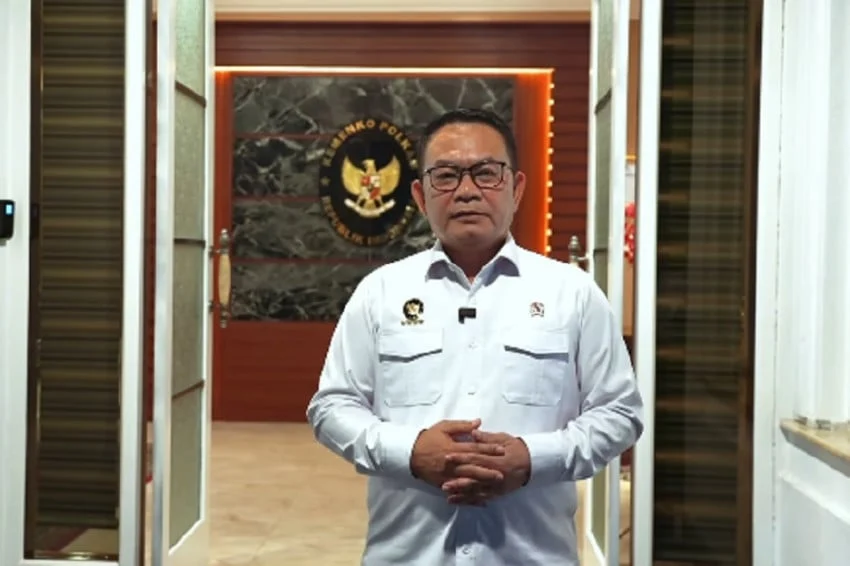
Menko Polkam Jenderal TNI Purn Dudung Abdurachman Emphasizes Government Respect for Public Aspirations Amid Nationwide Demonstrations

by Asep Darmawan October 28, 2026
written by Asep Darmawan

The landscape of Indonesian democracy witnessed another wave of civic expression on Wednesday, October 28, 2026, as various segments of society, notably university students and civil society coalitions, took to the streets in Jakarta and multiple regional capitals. Against the backdrop of these demonstrations, Coordinating Minister for Political and Security Affairs (Menko Polkam) General TNI (Ret.) Dudung Abdurachman issued a formal response on behalf of the central government. Emphasizing the foundational principles of a democratic state, Minister Dudung articulated the administration’s official stance, asserting that public aspirations, critiques, and feedback are fundamentally valued as vital components of national governance and societal progression.

The demonstrations, which drew hundreds of participants to prominent public spaces such as the Hotel Indonesia (HI) Roundabout in central Jakarta, reflected growing public discourse regarding contemporary government policies, economic pressures, and legislative directions. As crowds gathered, raising banners and displaying symbolic gestures such as the three-finger salute, security forces maintained a visible yet measured presence to manage traffic and ensure public safety. In response to these developments, the Ministry of Political and Security Affairs utilized digital communication channels, specifically releasing an official video statement via the Instagram account @polkamri, to address the nation directly and outline the government’s perspective on the exercise of constitutional rights.

Constitutional Rights and the Boundaries of Free Expression

Elaborating on the legal framework governing public demonstrations in Indonesia, Minister Dudung reiterated that the freedom of speech and the right to assemble are explicitly guaranteed by the 1945 Constitution. These liberties form the bedrock of the nation’s political identity following the historic transition to the Reformation Era in 1998, which fundamentally expanded civil liberties. For the current administration, engaging with public dissent is viewed not as a threat to political stability, but as an indispensable feedback mechanism necessary for transparent and accountable governance.

However, this endorsement of democratic participation was paired with a firm reminder regarding the regulatory parameters established by national legislation. Citing Law Number 9 of 1998 concerning Freedom of Expression in Public Spaces, the Menko Polkam underscored that the exercise of civil rights is inherently coupled with civic responsibilities. The statutory framework dictates that while citizens possess the absolute right to voice grievances, this freedom must be exercised in strict accordance with prevailing laws, public order, and the rights of fellow citizens who are not participating in the demonstrations.

Minister Dudung specifically called upon all action coordinators and participants to prioritize peaceful dialogue and orderly conduct throughout their public assemblies. By urging citizens to deliver their critiques firmly yet politely, the government sought to balance the imperative of democratic engagement with the practical necessity of maintaining public order and preventing economic disruption in major metropolitan centers.

Chronology of the October 28, 2026, Demonstrations

The events of October 28 unfolded according to a pattern typical of large-scale Indonesian student mobilizations, carrying symbolic resonance given the historical context of Youth Pledge Day (Hari Sumpah Pemuda), which is commemorated annually on the same date.

Morning Mobilization and Arrival at Strategic Points
The day’s activities began during the late morning hours as organized groups of university students, representing various higher education institutions across Greater Jakarta, converged on pre-determined assembly points. By midday, a significant contingent of protesters had gathered around the iconic Bundaran HI (Hotel Indonesia Roundabout), a central traffic hub and traditional focal point for demonstrations in the capital. Participants were observed carrying placards detailing specific policy objections, while some demonstrators prominently raised the three-finger salute—a widely recognized symbol of defiance and political critique popularized in regional protest movements.

Traffic Diversions and Security Preparations
In anticipation of large crowds and potential gridlock, the Jakarta Metropolitan Police (Polda Metro Jaya), in coordination with the Jakarta Transportation Agency (Dishub), implemented localized traffic diversions around major thoroughfares, including Jalan M.H. Thamrin and Jalan Jenderal Sudirman. Security protocols were deployed under standard operating procedures designed to de-escalate potential tensions. Personnel from the Indonesian National Police (Polri), backed by elements of the Indonesian National Armed Forces (TNI), were stationed at strategic locations to secure vital government installations, public transport hubs, and diplomatic quarters, ensuring that demonstrators could exercise their rights while preventing opportunistic elements from inciting property damage or violence.

Afternoon Speeches and Issuance of Demands
By mid-afternoon, student representatives and civil society leaders took turns delivering oral statements from mobile command vehicles. The core demands articulated during the rallies centered on economic accountability, transparency in state expenditures, regulatory reforms, and specific legislative reviews. Unlike previous instances of civil unrest characterized by widespread structural clashes, the majority of the October 28 demonstrations proceeded in an orderly fashion, maintaining a focus on oratorical expressions and theatrical performances designed to draw media attention to their core grievances.

Government Response and Evening De-escalation
As the demonstrations peaked during the late afternoon, the Ministry of Political and Security Affairs released its official response via digital platforms. The timely intervention by Minister Dudung served to temper the atmosphere, reassuring protesters that their voices had been registered at the highest levels of government. By early evening, groups began to disperse voluntarily, clearing the roadways and allowing municipal sanitation crews to restore normal traffic flow across the central business district without major incidents of structural damage or mass arrests.

Data and Context: The Evolution of Public Protests in Indonesia

To understand the significance of the October 28 demonstrations, it is necessary to examine the broader sociological and political context of public protests in contemporary Indonesia. Over the past decade, the frequency and nature of civil demonstrations have evolved significantly, influenced by digital connectivity, shifting demographics, and changing economic conditions.

Demographic Profile of Participants
Statistical analyses of recent urban protests in Indonesia indicate that the primary demographic driving these movements consists of Generation Z and younger Millennials. University students and young urban professionals utilize digital platforms not only to mobilize physical turnouts but also to sustain narrative momentum online through real-time documentation, digital advocacy, and crowdsourced fundraising for logistical support. This digital infrastructure allows for rapid mobilization but also presents challenges regarding message consistency and the potential for decentralized leadership to complicate formal state-society negotiations.

Legislative and Institutional Framework
The legal basis for public assemblies in Indonesia remains rooted in Law No. 9/1998, which replaced restrictive New Order-era decrees. While the law guarantees the right to express opinions, it also outlines specific prohibitions, such as conducting demonstrations near vital national objects (Istana Negara, vital military installations, and places of worship) and failing to provide written notification to local police authorities at least 3×24 hours prior to the event. The ongoing tension between upholding constitutional guarantees and enforcing notification and location restrictions remains a central point of discussion between law enforcement agencies and civil rights advocates.

Economic and Social Drivers of Dissent
Sociological evaluations of recent protest waves suggest that while political grievances frequently serve as the catalyst, underlying economic anxieties—such as cost-of-living increases, job security concerns, and perceptions of widening social inequality—frequently amplify public participation. When inflation impacts basic commodities or when labor and educational policies undergo significant shifts, the threshold for public mobilization drops, leading to coordinated expressions of discontent across multiple regional centers simultaneously, as observed on October 28.

Official Responses and Institutional Perspectives

Beyond the specific statements issued by Minister Dudung Abdurachman, various institutional stakeholders offered perspectives on the management and implications of the demonstrations.

The Indonesian National Police (Polri) maintained an institutional posture emphasizing persuasive policing and human rights compliance during crowd control operations. Senior police officials repeatedly instructed personnel deployed to the field to exercise maximum restraint, avoid the unnecessary use of tear gas or physical force, and prioritize dialogue with student marshals. This approach reflects an ongoing institutional effort within Polri to modernize public order management in alignment with international standards for policing assemblies.

Concurrently, academic observers and political analysts noted the strategic importance of the government’s prompt response. By acknowledging the legitimacy of public criticism through high-ranking officials like the Menko Polkam, the administration sought to prevent the escalation of localized grievances into broader political instability. Analysts suggest that proactive communication from security coordinators helps defuse adversarial dynamics between state apparatuses and youth-led movements, creating a more conducive environment for subsequent institutional dialogue.

Broader Implications and Future Outlook

The events of October 28, 2026, and the subsequent government response carry several important implications for the future of Indonesian democracy and state-society relations.

First, the peaceful nature of the demonstrations underscores the maturing political consciousness of the Indonesian public. Both protesters and security forces demonstrated an increased capacity to navigate ideological friction without descending into widespread systemic conflict. This institutional resilience is crucial for maintaining investor confidence and ensuring macroeconomic stability in Southeast Asia’s largest economy.

Second, the government’s explicit acknowledgment of public criticism highlights the continuous pressure on state institutions to enhance responsiveness and transparency. As digital platforms continue to democratize information access, civil society actors possess unprecedented capacity to scrutinize public policy decisions in real-time. Consequently, executive and legislative branches must increasingly rely on substantive policy communication and evidence-based justifications rather than administrative dismissals when addressing public dissent.

Finally, the dialogue initiated around the October 28 mobilizations sets a precedent for how the administration intends to manage future waves of civic expression. By framing dissent as an essential element of the democratic ecosystem while maintaining clear legal boundaries regarding public order, the Ministry of Political and Security Affairs aims to strike a delicate balance between safeguarding national stability and upholding constitutional liberties. As Indonesia continues to navigate complex socio-economic transformations, the ongoing interaction between state authorities and vocal citizenry will remain a defining metric of the nation’s democratic health.

October 28, 2026 0 comment
0 FacebookTwitterPinterestEmail
National News

Flavio Bolsonaro flees to the United States following electoral defeat in Brazil amid intensifying legal scrutiny

by Nila Kartika Wati October 28, 2026
written by Nila Kartika Wati

The political landscape in Brazil has undergone a seismic shift as Senator Flavio Bolsonaro, a prominent figure of the nation’s right-wing movement and son of imprisoned former President Jair Bolsonaro, has reportedly fled to the United States. This departure follows his narrow defeat in the second round of the Brazilian general election held on October 24, 2026, against the incumbent administration of President Luiz Inacio Lula da Silva. The move marks a significant escalation in the ongoing political instability that has gripped the South American nation, as key members of the Bolsonaro dynasty seek refuge abroad while facing a mounting array of domestic criminal investigations.

The confirmation of his arrival in the United States comes as a senior official within the U.S. Department of State indicated on Tuesday, October 26, 2026, that the American government has committed to granting visa access to Flavio Bolsonaro and his immediate family. This diplomatic maneuver underscores the complex geopolitical relationship between the United States and Brazil, particularly given the historical alliances between the Bolsonaro family and former U.S. President Donald Trump.

A Chronology of the 2026 Electoral Crisis

The trajectory leading to this exodus began in early October 2026, during the first round of the presidential and legislative elections. Initial returns had suggested a potential resurgence for the right-wing coalition, with Flavio Bolsonaro securing a lead in the polls that ignited hope among his supporters for a legislative comeback. However, the momentum shifted dramatically during the final weeks of the campaign.

On Sunday, October 24, 2026, the second round of voting concluded with a narrow but decisive victory for the Lula-led coalition. In the immediate aftermath of the announcement, Flavio Bolsonaro publicly refused to concede, alleging that the extension of polling hours by two hours constituted a procedural irregularity that undermined the integrity of the democratic process. He vowed at the time to launch a formal legal challenge to invalidate the results, a stance that mirrored the rhetoric used by his father following the 2022 presidential elections.

However, as the legal pathway to overturning the election results appeared increasingly narrow, reports began to surface on Monday, October 25, that the Senator had vacated his residence in Brasilia. By Tuesday, international observers and Brazilian media outlets confirmed that he had crossed the border into the United States, effectively abandoning his post and his legal defense in the Brazilian courts.

The Shadow of Legal Jeopardy

Flavio Bolsonaro’s departure is inextricably linked to the web of legal challenges currently ensnaring him. For years, the Senator has been the subject of intensive investigations by Brazilian federal authorities. The most prominent of these involves allegations of systemic money laundering and the violation of currency regulations. Prosecutors have specifically focused on his financial dealings with attorney Willer Tomaz and a network of online gambling enterprises, which authorities allege were used as conduits for illicit financial activities.

Beyond the financial crimes, Flavio is also under scrutiny for alleged irregularities regarding the financing of "Dark Horse," a film biography of his father, Jair Bolsonaro. Investigators are examining whether public funds or improperly sourced private capital were funneled into the production of the film to serve as political propaganda. Despite these serious allegations, Flavio Bolsonaro has maintained his innocence, consistently characterizing the investigations as politically motivated "lawfare" intended to dismantle the legacy of his father’s administration.

The Precedent of the Bolsonaro Family

The flight of Flavio Bolsonaro is not an isolated event but rather the latest chapter in a family saga defined by legal confrontation and international relocation. His brother, Eduardo Bolsonaro, also a prominent political figure, sought refuge in the United States in February 2025. Eduardo’s departure was prompted by what he described as a campaign of persecution by the Brazilian judiciary.

Eduardo’s tenure in the United States has been marked by controversy. He was later convicted by a Brazilian court for his attempts to interfere with the judicial proceedings surrounding his father, specifically for lobbying U.S. officials to impose sanctions on Brazilian judges and prosecutors. In June 2026, a Brazilian court sentenced Eduardo to four years and two months in prison. His continued presence in the United States, despite the extradition requests that are expected to follow, highlights the friction between the two nations regarding the treatment of political exiles.

Geopolitical Implications and U.S.-Brazil Relations

The decision by the U.S. Department of State to facilitate the entry of Flavio Bolsonaro, despite his legal standing in Brazil, has sparked intense debate. From a diplomatic perspective, the move is seen as an attempt to maintain a degree of influence with the right-wing faction of Brazilian politics, which retains a significant and vocal constituency. Conversely, the Brazilian government under President Lula is expected to view this as a potential diplomatic affront, potentially complicating cooperation on regional security and trade.

Analysts suggest that the U.S. government is navigating a difficult path. Granting visas to individuals who are under criminal indictment in a democratic partner nation can be perceived as an undermining of that nation’s judicial sovereignty. However, the U.S. remains sensitive to claims of political persecution, especially when those claims are championed by the right-wing populist movement that remains influential in the United States.

Broader Impact on Brazilian Democracy

The departure of the Bolsonaro brothers suggests a potential cooling-off period for the most volatile elements of the Brazilian right, yet it also leaves a power vacuum within the opposition. Without the direct leadership of the family, the right-wing coalition may face a period of fragmentation.

Furthermore, the legal cases against the Bolsonaros serve as a litmus test for the strength and independence of Brazil’s democratic institutions. The judiciary, which has faced immense pressure from supporters of the former president, has proven resilient in its pursuit of accountability. Whether the Brazilian government can successfully pursue the extradition of those who have fled remains an open question, one that will likely dominate the bilateral agenda between Brasília and Washington for the foreseeable future.

Public and Political Reactions

Reactions within Brazil have been deeply polarized. Supporters of the Bolsonaro family have taken to social media to denounce the move as an "exile of patriots," claiming that the Senator was forced out to prevent him from organizing a viable opposition. In contrast, legal advocacy groups and members of the ruling coalition have hailed the departure as a sign that no individual, regardless of their political lineage, is above the law.

In a brief statement released through an intermediary on Wednesday, a spokesperson for the Senator stated: "Flavio Bolsonaro continues to maintain his total innocence regarding all charges leveled against him. His move to the United States is a temporary measure taken in response to the clear and present threat to his personal safety and the systemic bias present in the current Brazilian judicial environment."

Looking Ahead

As the dust settles on the 2026 elections, the focus will now shift to the administrative transition and the long-term legal ramifications for the Bolsonaro family. The Brazilian Attorney General’s office is expected to review the status of the ongoing investigations in light of the Senator’s absence. While his physical departure complicates the process of discovery and potential interrogation, it does not necessarily halt the judicial proceedings.

The case of Flavio Bolsonaro serves as a stark reminder of the challenges facing contemporary democracies, where the line between political opposition and criminal activity is often blurred by high-stakes rhetoric. The coming months will determine whether the United States will cooperate with potential extradition requests or if the Bolsonaro family will be permitted to establish a permanent base of operations in the United States, effectively creating a "government-in-exile" that could continue to influence, and potentially destabilize, the political discourse back home.

For now, the international community watches with bated breath as Brazil attempts to reconcile its commitment to the rule of law with the realities of a deeply divided electorate and the flight of its political elite. The implications of this event will likely ripple through the hemisphere, testing the durability of democratic norms in an era of increasing political polarization.

October 28, 2026 0 comment
0 FacebookTwitterPinterestEmail
Regional News

JEC Eye Hospitals and Clinics Collaborates with Syafana Islamic School to Host Free Eye Examination Drive for Underserved Communities and Educators

by Sagoh October 28, 2026
written by Sagoh

Access to quality eye care remains a critical public health challenge in numerous developing regions, where preventative screenings and early detection services are often out of reach for marginalized populations. Addressing this pressing healthcare gap, JEC Eye Hospitals and Clinics partnered with the Parent Teacher Association (PTA) Secondary Syafana Islamic School to organize a large-scale, free eye examination social program. Conducted on Saturday, October 24, 2026, the philanthropic initiative took place at the Syafana Islamic School Secondary Campus situated in Lengkong Kulon, Pagedangan, within the regency of Tangerang, Banten.

Carried out under the overarching theme of Seeing More Clearly, Sharing More Broadly, the initiative served as a localized extension of World Sight Day 2026 global observances, which officially fell on October 8 under the banner of Love Your Eyes. By mobilizing professional ophthalmological equipment and medical personnel, the organizers successfully brought specialized health services directly to hundreds of beneficiaries who otherwise might not have had access to comprehensive visual diagnostics.

Target Demographics and Comprehensive Healthcare Delivery

The collaborative social initiative was meticulously planned to target a demographic spectrum ranging from 250 to 300 participants. Rather than focusing solely on students, the scope of the program was intentionally broadened to encompass educators, administrative school staff from the Syafana Islamic Boarding School ecosystem, underprivileged community members classified within the dhuafa socioeconomic bracket, and students hailing from the nearby Atta’awun Educare Kampus Lengkong.

Organized primarily by the Social Section of the PTA Secondary Syafana Islamic School, the event was designed to deliver multi-layered eye care interventions. Every registered participant underwent a systematic medical pathway beginning with primary screenings through the advanced EyeCheck diagnostic system. Following the initial assessments, individuals diagnosed with visual impairments—particularly refractive errors such as myopia (nearsightedness), hyperopia (farsightedness), and astigmatism—were provided with complimentary corrective eyewear on the spot.

Beyond clinical diagnostics and corrective distribution, the program placed a heavy emphasis on preventative health education. Medical professionals and volunteers led interactive educational sessions aimed at raising awareness about sustainable visual hygiene. Key topics covered during these workshops included the prudent use of digital screens and mobile devices, the physiological necessity of scheduled eye rests, optimal viewing distances for studying and working, and the vital importance of recognizing early subtle shifts in visual acuity.

Clinical Perspectives on the Importance of Early Detection

Addressing the media during the event, Prof. Tjahjono D. Gondhowiarjo, Senior Director of Development and Education at JEC Eye Hospitals and Clinics, emphasized that public awareness regarding early detection must be backed by tangible, wide-reaching access to eye examinations. He pointed out that uncorrected refractive errors are among the most pervasive yet easily manageable vision problems globally, affecting individuals across all age brackets, from young school children to productive working adults.

According to Prof. Tjahjono, these conditions frequently develop insidiously and go unnoticed by the affected individuals, particularly children who may not possess a baseline comparison for clear vision. Left unaddressed, mild refractive errors can severely undermine a student’s learning comfort, hinder academic performance, diminish adult professional productivity, and ultimately degrade overall quality of life.

"Because of these far-reaching implications, routine eye examinations are fundamentally important to identify visual disturbances at the earliest possible stage so that appropriate clinical management can be administered," Prof. Tjahjono stated. He further recommended that routine screenings be scheduled systematically every six months to one year, depending on an individual’s specific ocular health condition and the professional advice of an attending ophthalmologist.

Institutional Commitment and Sustainable Public Health Impacts

As a recognized leader in specialized eye care that has served communities across Indonesia for over four decades, JEC Eye Hospitals and Clinics view such social initiatives as an extension of their core mission. The institution actively seeks out strategic partnerships with educational bodies and community organizations to bridge the healthcare divide. The collaboration with Syafana Islamic School reflects a shared vision to foster a culture of preventative health and social empathy.

School administrators and PTA representatives expressed profound enthusiasm for the partnership, noting that the initiative not only alleviated immediate medical burdens for lower-income families but also instilled a lifelong appreciation for physical health among the student body. The organizers intend to use this event as a springboard for ongoing community outreach programs, ensuring that the message of visual health stewardship resonates far beyond the boundaries of a single day.

In closing the event, representatives from both JEC Eye Hospitals and Clinics and Syafana Islamic School expressed optimism that the initiative would serve as a catalyst for sustainable behavioral change. By equipping teachers, students, and vulnerable community members with the tools and knowledge necessary to protect their vision, the collaborative program laid a solid foundation for long-term regional wellness, demonstrating the profound impact that institutional cooperation can achieve in public health advocacy.

October 28, 2026 0 comment
0 FacebookTwitterPinterestEmail
Politics

Tragis, Penjaga Kebun Binatang Belanda Tewas Diserang Macan Tutul

by Asep Darmawan October 28, 2026
written by Asep Darmawan

The global zoological community is in mourning following the tragic death of a veteran zookeeper at the Beekse Bergen Safari Park in the Netherlands. The unnamed female staff member, who dedicated four decades of her life to the care and welfare of captive animals, succumbed to severe injuries sustained during a violent encounter with a Persian leopard. This incident, which occurred within the secure confines of the park’s indoor facilities, has prompted a comprehensive safety review and sent shockwaves through the wildlife management industry.

The Sequence of Events: A Timeline of the Tragedy

The incident occurred on Saturday, October 24, 2026, at the renowned Beekse Bergen Safari Park, located in Hilvarenbeek, in the southern region of the Netherlands. According to initial reports, the keeper, a woman who had been a fixture at the facility since the age of 17, was conducting routine maintenance and feeding protocols inside the indoor housing unit designated for the park’s Persian leopards.

At the time of the attack, the two leopards involved had been moved from their primary outdoor exhibit into the indoor area due to inclement weather conditions. In modern zoological practice, strict separation between predators and human handlers—often referred to as "protected contact"—is the industry standard. However, during specific maintenance tasks or veterinary procedures, interactions occasionally occur within specialized secure zones.

The attack was sudden and brutal, leaving the keeper with catastrophic injuries to her head and neck. She was immediately rushed to a nearby hospital where she underwent emergency surgical intervention. Despite the efforts of the medical team, her condition remained critical throughout the following days. On Tuesday, October 27, 2026, the administration of Beekse Bergen confirmed that the keeper had passed away due to the severity of her injuries.

Profile of the Victim and Institutional Legacy

The loss is particularly profound given the victim’s tenure at the park. Having joined the organization at age 17, she had accumulated 40 years of experience, making her one of the most senior and knowledgeable staff members at the institution. Her long career spanned significant changes in zoo management, from the traditional menagerie models of the late 20th century to the modern, conservation-focused, and highly regulated safari park models of today.

Colleagues describe her as a consummate professional with a deep-seated passion for feline welfare. Her dedication was not merely professional; it was a lifelong commitment to the species under her care. The administration of Beekse Bergen issued a formal statement expressing their profound sorrow, noting that the entire staff, many of whom had worked alongside her for decades, are struggling to process the loss. The park has prioritized the mental health and well-being of its employees, providing counseling services to those affected by the incident.

Persian Leopards: Understanding the Species

The Persian leopard (Panthera pardus tulliana) is a subspecies native to the Caucasus, Iran, and parts of Central Asia. They are the largest of the leopard subspecies, known for their powerful build and, as apex predators, their innate hunting instincts. In captivity, these animals are classified as Category 1 dangerous animals, requiring the highest level of vigilance and specialized training for any human interaction.

Historically, the risk of injury in zoos has been statistically low, but it is never zero. Data from the Association of Zoos and Aquariums (AZA) and similar international bodies consistently emphasize that even with the most rigorous safety protocols, the proximity to large carnivores involves inherent risks. The biological imperative of a leopard—an animal that has evolved to hunt and defend territory—remains intact regardless of how long it has been in human care.

Official Responses and Independent Investigations

In the wake of the fatality, Beekse Bergen Safari Park has taken immediate steps to ensure transparency. Management has confirmed that a full, independent investigation is currently underway. This investigation will focus on several key areas:

  1. Protocol Adherence: Determining whether all safety checklists were strictly followed during the indoor shift.
  2. Facility Design: Evaluating the integrity and functionality of the safety barriers and separation mechanisms within the indoor enclosure.
  3. Operational Procedures: Reviewing the current "protected contact" policies to identify any potential gaps that could be mitigated.

Furthermore, the Dutch Labor Inspectorate (Nederlandse Arbeidsinspectie) has launched its own inquiry to determine if there were any violations of workplace safety regulations. In the Netherlands, the safety of employees in high-risk environments is governed by strict national and European Union directives. The outcome of these investigations will likely have long-term implications for how Dutch zoos handle large predator management.

Broader Industry Implications and Safety Standards

This incident serves as a grim reminder of the challenges inherent in modern zoo management. The transition in recent decades has been toward "naturalistic" enclosures, which provide better animal welfare but often complicate the logistics of keeper safety. Balancing the need for animals to exhibit natural behaviors with the requirement to protect human staff is a constant tension in the industry.

Many zoos worldwide are now moving toward "zero-contact" policies, where keepers never share the same space as dangerous animals. The incident at Beekse Bergen will undoubtedly accelerate the global discussion regarding the necessity of total separation. Experts in zoo safety often argue that human error is the most common variable in such incidents; therefore, removing the human from the equation is the only way to guarantee 100% safety.

However, some professionals argue that a degree of close contact is necessary for the psychological well-being of certain animals, particularly those that require regular veterinary attention. Finding the balance between animal health and human safety is the central challenge that institutions like Beekse Bergen must now confront as they rebuild trust with the public and their own workforce.

Conclusion: A Legacy of Conservation

As the investigation proceeds, the focus remains on the life of the deceased keeper and the safety of the remaining animals. Beekse Bergen has emphasized that the two leopards involved are being kept in secure, isolated areas, and their future, while currently secondary to the investigation, will be handled with the same professionalism that characterized the victim’s career.

The passing of a veteran keeper is not just a loss for a single zoo; it is a loss for the conservation community. The dedication required to work in such a field for four decades is rare, and it is a testament to the individual’s commitment to the preservation of species. As the safari park navigates the legal and emotional fallout of this tragedy, the industry will be watching closely, awaiting the findings of the investigation to see what lessons can be learned to prevent such a catastrophe from recurring. For now, the gates of the leopard enclosure remain closed, a somber monument to a career cut short in the line of duty. The global zoological community continues to offer its condolences to the family and colleagues, as they navigate this difficult period of mourning and reflection.

October 28, 2026 0 comment
0 FacebookTwitterPinterestEmail
Business & Economy

Soal Pasokan 30 Juta Barel Minyak dari UEA, Legislator Ingatkan Jangan Ada Udang di Balik Batu

by Suro Senen October 28, 2026
written by Suro Senen

The government of Indonesia is currently evaluating a significant diplomatic and energy-related proposal from the United Arab Emirates (UAE) involving the provision of 30 million barrels of crude oil. While the prospect of receiving such a substantial energy supply has been welcomed by some as a potential boost to the national energy reserve, it has also sparked a wave of caution within the legislative branch. Rivqy Abdul Halim, a member of Commission VI of the House of Representatives (DPR RI), has publicly urged the government to exercise extreme prudence, demanding a comprehensive audit of the motives, mechanisms, and potential long-term geopolitical or economic strings attached to this offer.

The Context of Indonesia’s Energy Landscape

Indonesia, as the largest economy in Southeast Asia, remains a net importer of crude oil and refined petroleum products. Despite significant domestic production, the country’s refining capacity and aging infrastructure have made it heavily reliant on international markets to meet the soaring domestic demand for fuel. This dependency often leaves the state budget vulnerable to the volatile fluctuations of global oil prices, which are influenced by geopolitical tensions, OPEC+ production quotas, and global economic health.

In recent years, Indonesia has sought to diversify its energy partnerships. The relationship between Jakarta and Abu Dhabi has flourished, marked by large-scale investments in infrastructure, renewable energy projects, and capital city development. However, an offer of 30 million barrels of oil—a massive volume that could potentially offset months of imports—raises questions regarding the underlying strategic objectives of the donor nation.

Chronology of the Proposed Energy Aid

The proposal, which surfaced in late October 2026, is currently in the preliminary stages of discussion between the Indonesian Ministry of Energy and Mineral Resources (ESDM), SKK Migas (the Special Task Force for Upstream Oil and Gas Business Activities), and their Emirati counterparts.

While the official announcement was framed as a gesture of bilateral friendship, industry observers noted that such large-scale energy transfers are rarely purely philanthropic. Historically, energy aid from oil-rich Gulf nations has often been tied to strategic concessions, such as preferential access to infrastructure projects, geopolitical alignment in international forums, or the securing of long-term economic corridors. As of late October 2026, the government is tasked with conducting a feasibility study that weighs the immediate fiscal relief against the potential long-term commitments required by the UAE.

Legislative Scrutiny and the Call for Transparency

Rivqy Abdul Halim’s statement on Wednesday, October 28, 2026, serves as a formal warning to the executive branch. His primary concern is not the volume of oil itself, but the lack of transparency surrounding the “fine print.”

“This assistance is something we should welcome positively. However, the government, especially SKK Migas and the relevant ministries, must be meticulous,” Rivqy remarked. “We need to ensure what the objectives, mechanisms, and consequences of this assistance are. We must avoid a situation where something that appears to be a gift actually holds hidden obligations or interests that we have not yet accounted for.”

The lawmaker highlighted several critical pillars that the government must address before accepting the aid:

  1. Legal Framework: Ensuring that the agreement complies with international law and domestic regulations regarding state revenue and gift acceptance.
  2. Technical Logistics: Assessing whether domestic refineries have the capacity to process the specific grade of crude oil offered by the UAE without requiring costly retrofitting.
  3. Economic Impact: Conducting a transparent calculation of how this influx of crude will impact the state’s fuel subsidy budget, the cost of procurement, and the overall balance of payments.

Economic Implications for the State Budget

The Indonesian government’s budget is perpetually strained by energy subsidies. In years of high global oil prices, the allocation for these subsidies balloons, often forcing the government to reallocate funds from other critical sectors such as education or infrastructure.

If the 30 million barrels were to be integrated into the domestic refining system, it could lead to a short-term reduction in the state’s import bill. However, economists warn that the "free" nature of the oil must be weighed against potential hidden costs. For instance, if the receipt of this oil necessitates a long-term supply contract or exclusive rights to future energy exploration blocks in Indonesia, the long-term cost could significantly outweigh the immediate benefit of 30 million barrels.

Furthermore, the domestic capacity to process this oil is a bottleneck. Indonesia’s refinery fleet, primarily managed by Pertamina, has faced operational challenges. If the quality of the Emirati crude does not align with the current specifications of these refineries, the cost of upgrading or blending the crude could create a new financial burden on the state-owned oil company.

Geopolitical Considerations and Strategic Autonomy

The UAE’s role in the Middle East and its evolving partnerships with powers like China, Russia, and the United States make it a complex actor in global diplomacy. For Indonesia, maintaining a non-aligned stance while securing critical energy resources is a delicate balancing act.

By accepting a large donation from a single country, Indonesia risks being perceived as tilting its foreign policy in favor of that nation. Rivqy emphasizes that national sovereignty must remain the paramount consideration. “The government must ensure that this aid does not compromise our independence in determining national energy policies,” he stated.

This skepticism is shared by various policy analysts who suggest that the government should look at the "hidden" side of such diplomacy. Historically, the UAE has utilized its immense sovereign wealth to build influence globally. Whether this oil offer is a tool for soft power or a purely economic transaction remains a subject of intense debate in the halls of the DPR RI.

The Way Forward: A Path to Accountability

To navigate this situation, the government is expected to present a detailed report to the Commission VI of the DPR. This report is likely to include:

  • The Cost-Benefit Analysis: A clear comparison between the market value of the 30 million barrels and the potential economic "cost" of the conditions attached.
  • The Distribution Plan: Transparency regarding which refineries will process the oil and how the resulting products will be distributed to stabilize domestic fuel prices.
  • The Exit Strategy: A contingency plan for what happens if the relationship or the agreement faces hurdles in the future.

As the government moves forward, the scrutiny from the legislative body serves as a necessary check on executive power. The goal is to move beyond the excitement of "free" energy and toward a pragmatic, data-driven decision that serves the long-term interests of the Indonesian public.

Conclusion: Balancing Energy Security and National Interest

The prospect of receiving 30 million barrels of crude oil is undeniably attractive for a country navigating the complexities of global energy markets. However, the cautionary stance taken by lawmakers reflects a maturing political climate in Indonesia, one that prioritizes sovereignty, transparency, and fiscal responsibility.

The government’s response to the UAE’s offer will likely set a precedent for how Indonesia handles future diplomatic energy proposals. By insisting on rigorous oversight, the DPR is ensuring that the nation does not inadvertently trade its long-term strategic independence for short-term relief. As negotiations continue, the eyes of the public and the business community remain fixed on Jakarta, waiting to see whether this "gift" will be the foundation of a robust energy partnership or a cautionary tale in international relations.

Ultimately, energy security is not merely about the volume of oil stored in national tanks; it is about the security of the policies and agreements that put that oil there. For Indonesia, the path forward requires a meticulous approach—one that values the integrity of the state as much as the fuel that powers its economy.

October 28, 2026 0 comment
0 FacebookTwitterPinterestEmail
Newer Posts
Older Posts

Recent Posts

  • Wasekjen Demokrat Jansen Sitindaon Tanggapi Peluang Pemunduran Gibran Rakabuming Raka dari Jabatan Wapres Usai Putusan MA
  • Staf PBB Tewas Usai Ditahan Houthi Lebih dari 2 Tahun
  • Police Arrest Mixer Truck Driver Following Fatal Rawalumbu Crash That Claimed Six Lives in Bekasi
  • Danantara Indonesia Strategic Presence at TIME100 Next Forum Signals Global Ambition and The Need for Institutional Credibility
  • IHSG Dibuka di Zona Merah pada Perdagangan Jumat 30 Oktober 2026 Tertekan Aksi Jual Merata di Berbagai Sektor Utama

Recent Comments

No comments to show.
  • Facebook
  • Twitter

@2021 - All Right Reserved. Designed and Developed by PenciDesign


Back To Top
Dara News Media
  • Home
  • About Us
  • Contact Us
  • Cookies Policy
  • Disclaimer
  • DMCA
  • Privacy Policy
  • Terms and Conditions

We are using cookies to give you the best experience on our website.

You can find out more about which cookies we are using or switch them off in .

Dara News Media
Powered by  GDPR Cookie Compliance
Privacy Overview

This website uses cookies so that we can provide you with the best user experience possible. Cookie information is stored in your browser and performs functions such as recognising you when you return to our website and helping our team to understand which sections of the website you find most interesting and useful.

Strictly Necessary Cookies

Strictly Necessary Cookie should be enabled at all times so that we can save your preferences for cookie settings.