The date of November 6 serves as a significant intersection in the annals of history, marking milestones that range from the crystallization of ancient Javanese literature to the passing of iconic figures who defined the spirit of Indonesian resistance. As we look back at the calendar of history, this day encapsulates the profound duality of cultural preservation and the heavy toll of colonial struggle. By examining these events, we gain a deeper understanding of the forces that have shaped the Indonesian national identity and the cultural legacy of the archipelago.
The Literary Legacy of the Kakawin Bharatayuddha
On November 6, 1157, the annals of Javanese literature reached a pinnacle with the completion of the Kakawin Bharatayuddha. This epic poem, composed during the reign of King Jayabaya of the Kediri Kingdom, serves as one of the most vital artifacts of Old Javanese culture. Its completion was a collaborative masterpiece by two of the era’s most revered poets: Mpu Sedah and Mpu Panuluh.
The Kakawin Bharatayuddha is not merely a poetic retelling of the Mahabharata’s climactic war; it is a profound allegory designed to legitimize the rule of King Jayabaya. By drawing parallels between the historical conflicts of the Kediri Kingdom and the mythological war between the Pandavas and the Kauravas, the poets successfully wove state ideology into the fabric of religious and moral instruction.
Chronology and Authorship
The composition process was split between the two poets, a detail that historians have analyzed for centuries to understand the evolution of Javanese literary styles. Mpu Sedah began the work, meticulously crafting the narrative from the opening chapters through the entry of King Salya into the battlefield. Legend suggests that Mpu Sedah faced immense pressure and perhaps political scrutiny, which led to the completion of the work by Mpu Panuluh. This transition in authorship marks a critical point in Javanese literary history, showcasing a shift in tone and descriptive technique that has been the subject of extensive academic study in the fields of philology and Southeast Asian history.
Historical and Cultural Significance
The significance of the Bharatayuddha extends beyond its poetic beauty. It provides scholars with an invaluable window into the social structure, military technology, and religious practices of 12th-century Java. The text describes weaponry, tactical formations, and the philosophical underpinnings of the concept of dharma (duty) in a way that resonates with contemporary Indonesian cultural values. Its preservation has allowed subsequent generations to maintain a connection to their pre-Islamic history, forming a bridge between the ancient Indic influences and the unique Javanese cultural synthesis that followed.
The Eternal Struggle: The Passing of Cut Nyak Dien
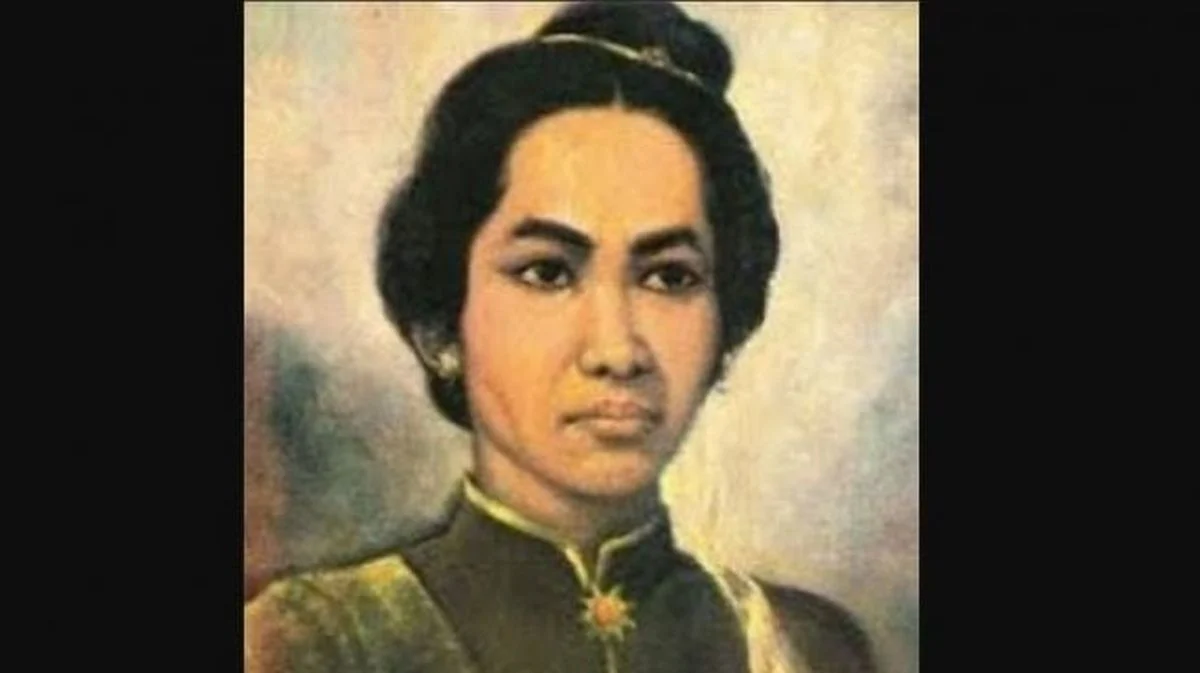
Moving forward into the 20th century, November 6 serves as a day of solemn remembrance for the Indonesian struggle for independence. On this day in 1908, the nation lost one of its most steadfast symbols of resistance: Cut Nyak Dien. Her death in exile in Sumedang, West Java, marked the end of a long, arduous journey of defiance against Dutch colonial rule in Aceh.
The Life and Resistance of an Acehnese Icon
Born in 1848 in Lampadang, Aceh, Cut Nyak Dien was a member of the nobility who chose the path of guerilla warfare rather than submission. Following the death of her first husband, Ibrahim Lamnga, and her subsequent marriage to the legendary commander Teuku Umar, she became the heart and soul of the Acehnese resistance. Her involvement in the Aceh War (1873–1904) was characterized by an unwavering commitment to the sovereignty of her homeland.

The Dutch colonial government, recognizing the immense influence she wielded over the local populace, attempted to capture her for decades. It was not until 1901, when she was elderly, suffering from deteriorating eyesight, and plagued by health issues, that she was finally betrayed and captured by the colonial forces.
Exile and Final Years in Sumedang
The colonial administration’s decision to exile her to Sumedang was a calculated move to isolate her from the Acehnese resistance movement. During her final years, she was placed under the guardianship of local leaders, yet she remained a source of inspiration, known for her piety and her deep connection to the Quran. She passed away on November 6, 1908. Her grave in Gunung Puyuh has since become a site of pilgrimage, reflecting the enduring respect the Indonesian people hold for her sacrifices.
Analytical Context: The Evolution of Historical Memory
The occurrence of these two events—one a celebration of artistic triumph and the other a mourning of revolutionary sacrifice—highlights the multifaceted nature of Indonesian history. The completion of the Kakawin Bharatayuddha represents the height of Javanese intellectualism, showing a society that valued history and storytelling as the primary means of governance and moral education. Conversely, the death of Cut Nyak Dien underscores the violent disruption caused by colonialism and the subsequent rise of a nationalist consciousness that would eventually lead to the birth of the Republic of Indonesia.
Comparative Impact on Modern Identity
Historians often point to the juxtaposition of these events as a representation of the "Javanese" and "Acehnese" threads of the national fabric. While one event focuses on the courtly traditions of the classical era, the other highlights the populist, anti-colonial zeal that defined the transition into the modern era. Both events are essential to the curriculum of Indonesian history, as they provide the narrative framework for understanding the resilience of the Indonesian archipelago.
Official Commemorations and Modern Perspectives
In modern Indonesia, the legacy of these events is maintained through state-sanctioned commemorations and cultural preservation. The Ministry of Education, Culture, Research, and Technology frequently cites the completion of the Kakawin Bharatayuddha as a benchmark for the development of the Indonesian language and literary tradition. Similarly, the government consistently honors Cut Nyak Dien as a National Hero, with her image often appearing in educational materials and public memorials to emphasize the role of women in the struggle for national liberation.
Broader Implications and Historical Continuity
The study of November 6 reveals that history is not merely a collection of dates but a continuum of human effort. The work of Mpu Sedah and Mpu Panuluh ensured that Javanese culture would survive through the centuries, providing a repository of wisdom that survived the collapse of kingdoms and the arrival of new belief systems. Similarly, the sacrifice of Cut Nyak Dien ensured that the desire for self-determination remained an active, living force in the hearts of the Indonesian people, eventually culminating in the proclamation of independence in 1945.
As the nation looks back on these dates, the implications are clear: the preservation of historical artifacts and the honoring of historical figures are not mere rituals. They are essential processes that maintain the integrity of national memory. By understanding the circumstances surrounding the composition of the Kakawin Bharatayuddha and the conditions of Cut Nyak Dien’s final days, contemporary society can better appreciate the depth of the struggle required to build a nation that is both culturally rich and politically sovereign.
In conclusion, November 6 serves as a reminder that the Indonesian story is written in both ink and blood. From the palm-leaf manuscripts of the Kediri Kingdom to the lonely grave of a warrior queen in Sumedang, the events of this day provide a comprehensive overview of the intellectual and physical resilience of the Indonesian people. As historical research continues to uncover new details about these events, their significance will undoubtedly continue to evolve, reinforcing their place as foundational pillars of the national consciousness. Through the rigorous study and respectful remembrance of these milestones, Indonesia ensures that the voices of its poets and the spirits of its heroes continue to echo through the corridors of time.