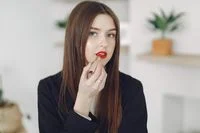
The act of choosing a lipstick shade is rarely accidental. According to Monika Khullar, the DGM of Training & Artistry at Anastasia Beverly Hills, the impact of this choice extends far beyond the mirror. Khullar notes that the right color can provide a transformative psychological boost, offering a sense of power and influencing how a person feels throughout the day. This perspective aligns with broader psychological studies that suggest color is a non-verbal form of communication that can signal everything from professional authority to creative spontaneity.
The Psychological Framework of Color in Cosmetics
To understand why a person gravitates toward red over nude, or plum over peach, one must look at the historical and psychological weight of these hues. Color psychology suggests that humans have evolved to associate certain wavelengths of light with specific emotional responses. In the context of beauty, these associations are further layered with cultural history. For instance, the "Lipstick Effect"—a term coined by Leonard Lauder of Estée Lauder during the recession of the early 2000s—posits that consumers will continue to buy small luxuries like lipstick even during economic downturns because of the emotional resilience and "feel-good" factor these products provide.
As the beauty industry continues to evolve in 2026, the focus has shifted from mere trend-following to "dopamine dressing" for the face—the practice of using makeup to intentionally alter one’s mood. Within this framework, five primary color categories have emerged as the most telling indicators of personality.
The Power and Provocation of Red
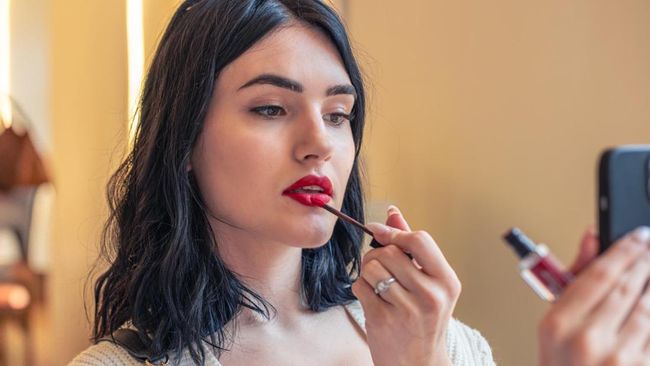
Red lipstick remains the most iconic and polarizing choice in the beauty world. It is a color that demands attention and carries a heavy historical pedigree. From the suffragettes who wore red lipstick as a symbol of rebellion and female liberation in the early 20th century to the golden era of Hollywood where it signaled ultimate glamour, red is never just a color; it is a statement.
Individuals who consistently choose red lipstick are often characterized by high levels of self-confidence and an expressive nature. They are typically seen as bold, assertive, and unafraid of being the center of attention. This shade is favored by those who are comfortable with their own power and are willing to let their thoughts and convictions shine in public spaces. Psychologically, red is known to increase heart rates and evoke feelings of passion and energy. Therefore, the red-lipstick wearer is often someone who approaches life with a similar intensity, valuing tradition while simultaneously possessing the courage to break boundaries.
The Subtle Sophistication of Nude Tones
In stark contrast to the vibrancy of red, the rise of nude and "my lips but better" (MLBB) shades reflects a shift toward naturalism and groundedness. The preference for nude lipstick is often linked to an appreciation for timeless elegance and a desire for authenticity. Those who opt for these shades are frequently described as poised, graceful, and secure in their own skin.
Choosing a nude palette suggests a personality that values substance over flash. These individuals often prefer to highlight their natural features rather than masking them, reflecting a "quiet luxury" mindset. In professional settings, nude tones can signal reliability and a focused, no-nonsense attitude. This choice also indicates a certain level of social intelligence; the wearer knows how to look polished and put-together without appearing as though they are trying too hard. They are the anchors in their social circles—steady, sophisticated, and consistently dependable.
The Optimism and Empathy of Pink
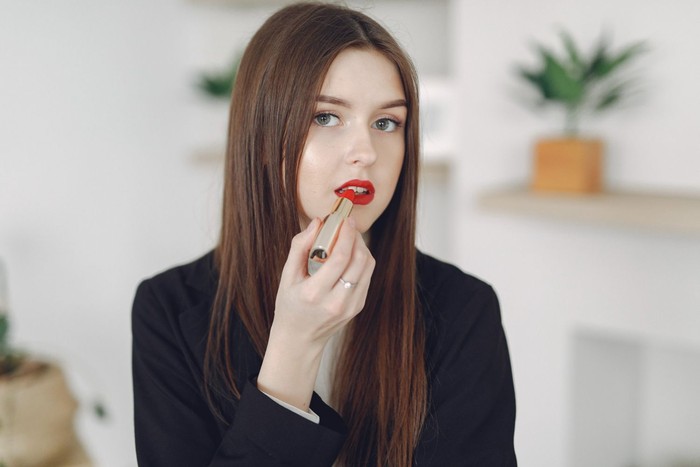
Pink lipstick, ranging from soft petals to vibrant fuchsias, is traditionally associated with warmth, romance, and a spirited outlook on life. Those who gravitate toward pink are often perceived as approachable, empathetic, and inherently optimistic. There is a "joie de vivre" associated with pink tones that suggests a person who enjoys social interaction and finds joy in the smaller details of life.
In the modern context, pink has been reclaimed from its purely "girly" stereotypes to represent a feminine strength that is both compassionate and resilient. Wearers of pink are often the emotional glue of their communities, offering a sense of freshness and vitality to those around them. Whether it is a dusty rose that suggests a romantic soul or a bright neon pink that signals a playful, adventurous spirit, this color category is the hallmark of someone who leads with their heart.
The Mystery of Mauve, Berry, and Plum
Darker, cooler tones such as mauve, berry, and plum occupy a unique space in the personality spectrum. These colors are often the choice of individuals who value mystery, intellect, and a refined sense of self. Unlike the loud confidence of red, the confidence of a plum-lipstick wearer is quiet and deep.
These shades are frequently associated with a "modern-meets-vintage" aesthetic. People who prefer these colors are often seen as creative and individualistic, possessing a sense of elegance that is tempered by a calm, collected demeanor. There is an air of the "intellectual" about these tones; they suggest a person who is comfortable with complexity and who may have a hidden, more mysterious side. In the professional world, these colors can project an image of sophisticated authority—someone who is serious about their work but possesses a rich, creative inner life.
The Vibrant Energy of Coral and Peach
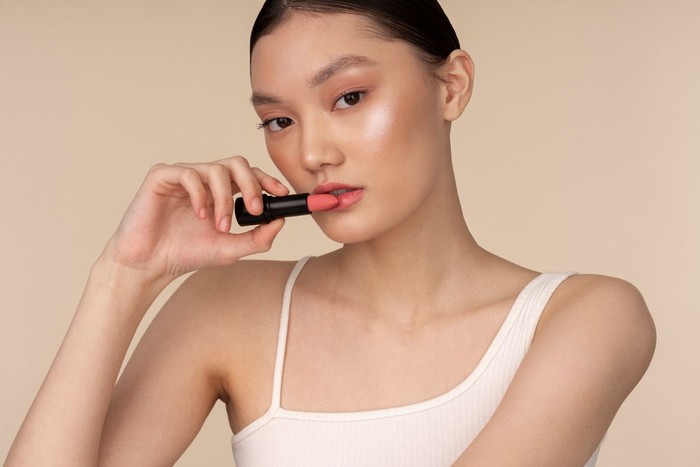
Finally, the choice of coral and peach shades speaks to a personality that is chic, lively, and experimental. These colors, which sit between the intensity of red and the playfulness of pink, radiate an "effortless" style. Individuals who favor these hues are often seen as the "social butterflies" of their environments—energetic, adventurous, and always ready to try something new.
Coral and peach are inherently sunny colors, and they tend to be favored by those who have an optimistic and forward-thinking mindset. These individuals are often perceived as being highly adaptable and "bright," both in terms of their intelligence and their social presence. Because these colors can be difficult to pull off depending on skin undertones, the choice to wear them also indicates a level of confidence in one’s own taste and a willingness to deviate from the more standard red or nude options.
Industry Trends and the Evolution of Expression
The findings regarding these five color categories come at a time when the beauty industry is experiencing a significant shift in consumer behavior. According to market data from 2025 and early 2026, there has been a 15% increase in the consumption of "statement" lip products, suggesting that post-pandemic social trends have fully embraced the idea of makeup as a tool for public identity.
Retailers have noted that consumers are no longer buying just one "signature" shade but are instead building "lip wardrobes" that allow them to shift between these personality archetypes depending on their daily goals. A woman might wear a nude shade for a high-stakes boardroom meeting to project stability, then switch to a bold red for an evening event to reclaim her personal power.
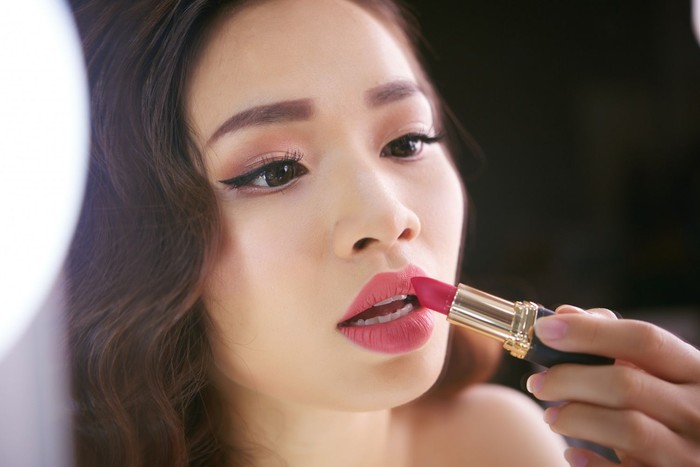
Furthermore, the rise of AI-driven color matching and virtual try-on technology has allowed consumers to experiment more freely with colors they might have previously avoided. This technological advancement has democratized color psychology, making it easier for individuals to find the specific shade that resonates with their internal state.
Conclusion: More Than Skin Deep
While the study of lipstick and personality offers a fascinating glimpse into human behavior, it also underscores the importance of self-expression in mental well-being. As Monika Khullar emphasized, the influence of a lipstick shade on one’s feelings throughout the day is a tangible phenomenon. Whether it is the boldness of red, the calm of nude, the warmth of pink, the mystery of plum, or the energy of coral, these choices are a testament to the complexity of the modern individual.
In an era where digital presence and physical appearance often intersect, the humble lipstick remains one of the most potent tools for self-definition. It is a reminder that even in a world of high-tech solutions and rapid change, the simple act of choosing a color can be a profound exercise in agency, confidence, and personal storytelling. As we move further into 2026, the beauty industry continues to prove that what we put on our faces is not just about how the world sees us, but more importantly, about how we see ourselves.