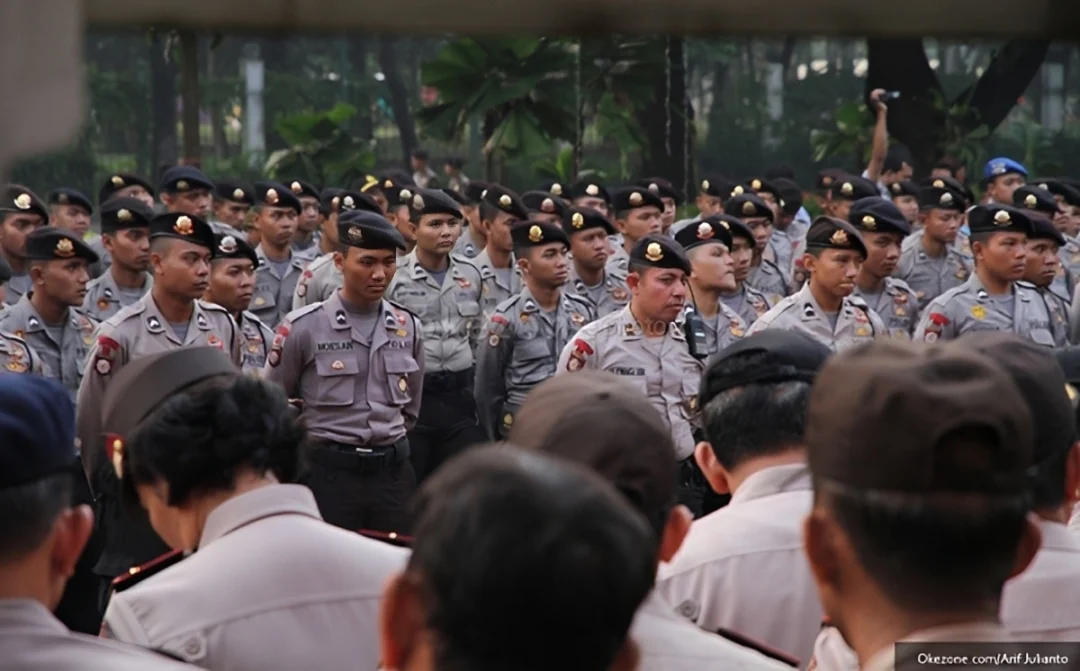
JAKARTA — As the year 2026 approaches its final quarter, the Indonesian National Police (Polri) has officially initiated a comprehensive disaster mitigation strategy to address the heightened risks of hydrometeorological events. With the onset of the rainy season and the historical prevalence of flooding and landslides during the November-December period, authorities have mobilized a specialized task force comprising 305 personnel and advanced technical support units. This proactive stance aims to ensure rapid response capabilities and public safety during the peak of the year-end climate cycle.
The mobilization, announced on Thursday, November 5, 2026, by the Head of the Korsabhara Baharkam Polri, Inspector General Jossy Kusumo, represents a cross-institutional collaboration designed to streamline rescue operations. By integrating police resources with specialized units from the National Search and Rescue Agency (Basarnas), local Fire Departments, and the Regional Disaster Management Agency (BPBD), the police aim to mitigate the impact of environmental volatility on high-risk regions across the archipelago.
The Composition of the Rapid Response Task Force
The task force is strategically designed to balance human resources with specialized tactical capabilities. According to Inspector General Jossy Kusumo, the 305-personnel contingent is divided among several key specialized units to ensure multifaceted disaster management.
"The force is comprised of 260 personnel from the Korsabhara Baharkam Polri, 15 from Basarnas, 15 from the Fire Department, and 15 from the Regional Disaster Management Agency (BPBD)," stated Kusumo. This inter-agency composition is vital, as it allows for a unified command structure that can address various aspects of a disaster, from initial evacuation and fire suppression to search and rescue (SAR) operations and the provision of essential public services.
Beyond the personnel, the police have deployed a wide array of specialized equipment tailored to navigate the diverse and often challenging geography of Indonesia. This includes the deployment of K-9 units, which are specifically trained in search and rescue operations to locate individuals buried under debris, and the Turangga mounted police units. The latter are particularly valuable for traversing difficult terrain, such as muddy or unstable ground where motorized vehicles might struggle, and for the distribution of logistics to areas isolated by floodwaters or landslides.
Technological Integration in Disaster Mitigation
The technological armory prepared for the year-end period is extensive. To combat the logistical challenges inherent in natural disasters, the Polri has commissioned a fleet of tactical vehicles. These include the Rantis Karhutla (Forest and Land Fire tactical vehicles), Rantis SAR, and Rescue Carrier vehicles. These units are designed to operate in adverse conditions, ensuring that rescue teams can reach disaster zones regardless of the state of the infrastructure.
Furthermore, the deployment of watercraft, specifically inflatable rubber boats, is a cornerstone of the flood mitigation strategy. These boats are essential for the rapid evacuation of citizens from inundated residential areas. Perhaps most critically, the deployment of "Watergen" technology—a device capable of extracting clean, drinkable water from atmospheric moisture—highlights the police’s commitment to addressing the secondary risks of disasters, such as the spread of waterborne diseases and dehydration among displaced populations.
Historical Context and Seasonal Vulnerabilities
Indonesia’s geographical position between two oceans and two continents makes it particularly susceptible to the effects of the La Niña and El Niño phenomena, which significantly influence annual rainfall patterns. Historically, the months of November and December are characterized by intense precipitation, which often triggers severe flooding in urban centers like Jakarta and landslides in the mountainous regions of Java and Sumatra.
The data from the National Disaster Management Agency (BNPB) over the past decade indicates that the final quarter of the year consistently records the highest frequency of hydrometeorological events. By launching this initiative in early November, the Polri is attempting to shift the institutional paradigm from reactive crisis management to proactive risk reduction. This strategy is aligned with global disaster risk reduction frameworks, which emphasize the importance of early warning systems and pre-positioned resources to minimize casualties and economic losses.
Strategic Guidelines and Operational Standards
Inspector General Jossy Kusumo underscored that while equipment and personnel are essential, the efficacy of the disaster response relies heavily on strict adherence to Standard Operating Procedures (SOPs). "Every action taken during rescue and evacuation must be fast, precise, and measured, while always prioritizing human safety," he stated.
The directive issued to all units emphasizes the necessity of consistent patrolling in high-risk areas. These patrols serve two purposes: they act as a visual deterrent to prevent secondary crimes in evacuated areas and serve as an early warning system for local communities. Furthermore, the police have been instructed to conduct educational outreach programs, teaching citizens in flood-prone areas how to recognize the signs of impending disasters, such as soil movement or rapidly rising water levels, and the necessary steps for personal evacuation.
Socio-Economic Implications of Proactive Mitigation
The implications of this heightened state of readiness extend beyond immediate life-saving measures. Natural disasters in Indonesia often cause significant disruption to local supply chains, damaging roads and bridges, which in turn spikes the prices of essential commodities. By ensuring the availability of logistics vehicles and maintaining the accessibility of isolated regions, the police are playing a secondary, yet critical, role in stabilizing the local economy during periods of crisis.
Experts in disaster management note that the integration of the Turangga (mounted) units and advanced atmospheric water generators demonstrates a sophisticated understanding of the limitations of conventional technology in rugged, disaster-prone landscapes. The ability to provide clean water immediately upon arrival at a disaster site, for instance, significantly reduces the burden on public health facilities, which are often overwhelmed during the aftermath of floods.
Looking Forward: A Coordinated National Effort
As the year 2026 draws to a close, the success of this initiative will be measured by the speed of the response time and the efficiency of the inter-agency collaboration. The integration of 305 personnel into a unified command is a significant logistical undertaking that requires constant communication and training.
The Polri’s commitment to this year-end mission reflects a broader national trend of increasing investment in disaster resilience. Following several years of intense climatic challenges, both the public and private sectors in Indonesia are increasingly focusing on infrastructure reinforcement, early warning system digitalization, and community-based disaster preparedness.
The current mobilization is expected to remain in effect through the remainder of the year and into early 2027, as weather forecasting services monitor potential anomalies in rainfall intensity. For now, the sight of the specialized K-9 units and tactical rescue vehicles in major staging areas serves as a reminder of the government’s prioritization of citizen safety amidst the unpredictable nature of the climate.
Ultimately, the goal of this deployment is to ensure that when the inevitable occurs, the state is not merely responding, but is positioned to effectively mitigate the tragedy. Through a combination of rigorous training, the deployment of cutting-edge technology, and a steadfast adherence to safety protocols, the police force remains the primary pillar of support for the millions of Indonesians living in the path of potential natural disasters. As the rainy season progresses, the operational readiness of these units will be tested, and their performance will provide a roadmap for future institutional disaster response policies.