PT Pertamina Patra Niaga Regional Kalimantan has taken decisive steps to reinforce operational management and prioritize fuel distribution to Puruk Cahu, located within the Murung Raya Regency of Central Kalimantan. This strategic intervention has been designed to guarantee smooth refueling operations, optimize logistics, and significantly elevate the overall convenience for local consumers who rely on consistent energy access.
The policy comes in response to evolving local consumption patterns, increased logistical demands, and the critical need to maintain public order at regional fuel stations. By optimizing the supply chain from primary terminals to local distribution points, Pertamina aims to mitigate congestion, streamline the refueling process, and reinforce energy security across remote and developing regions in Central Kalimantan.
Comprehensive Logistics and 100 Percent Fulfillment Rate
Providing detailed insights into the operational performance, Edi Mangun, Area Manager Communication, Relations & CSR for PT Pertamina Patra Niaga Regional Kalimantan, confirmed that the realization of product distribution met maximal targets. According to internal data compiled between September 11 and September 16, 2026, the delivery volume of subsidized Pertalite and non-subsidized Pertamax from the Integrated Terminal (IT) Banjarmasin to SPBU 64.739.01 reached a 100 percent fulfillment rate based on the official requests submitted by the fuel station.
Despite the successful delivery volumes, supply chain experts note that remote regions often face unique logistical bottlenecks. Transporting fuel over extensive geographic distances from major hubs like Banjarmasin to Murung Raya requires meticulous planning, weather monitoring, and adherence to strict safety protocols. The successful 100 percent fulfillment rate highlights the robustness of Pertamina’s supply chain management during high-demand periods.
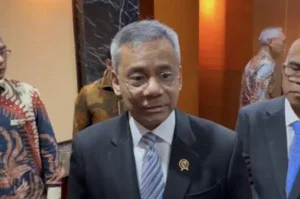
"We fully understand and empathize with the temporary inconveniences experienced by the community when refueling processes require a longer duration than usual. Beyond simply fulfilling the quantitative product requests submitted by the fuel stations, we are actively strengthening service regulations and operational management to ensure that every refueling process remains orderly, transparent, and completely safe for all consumers," stated Edi Mangun.
Evolving Consumption Patterns and High Regional Demand
Field monitoring conducted by energy analysts and company representatives revealed a notable shift in consumer behavior within Puruk Cahu. A significant portion of the local populace has transitioned their fuel preferences from Pertamax to Pertalite, driven by shifting economic considerations and broader macroeconomic trends. This sudden concentration of demand on specific product categories has naturally placed localized pressure on distribution infrastructure.
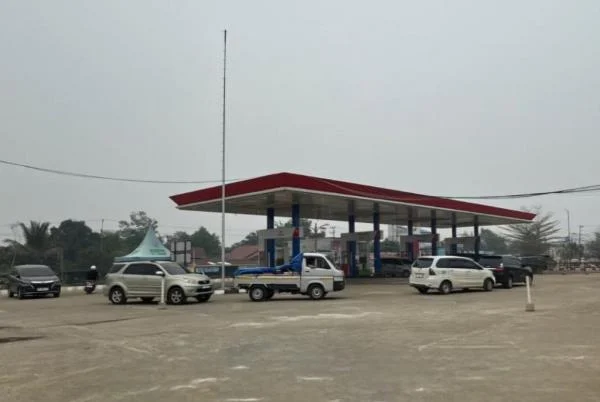
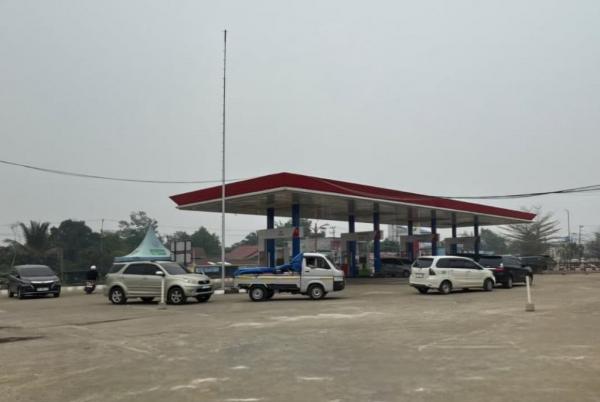
Compounding this challenge is the unique geographical and structural layout of the region’s retail network. SPBU 64.739.01 operates as the sole regular public fuel station within Puruk Cahu. Consequently, it bears the heavy responsibility of serving not only the immediate urban population of the town but also motorists, commercial vehicles, and agricultural transporters traveling in from surrounding sub-districts and neighboring administrative zones.
This high concentration of consumer traffic at a single point frequently creates long queues, testing both the patience of motorists and the crowd-management capabilities of station attendants. Energy sector observers emphasize that single-outlet regions are particularly vulnerable to localized supply crunches, making proactive management frameworks essential for sustaining public trust and operational efficiency.
Operational Enhancements and Infrastructure Recommendations
To address the bottleneck issues at SPBU 64.739.01, Pertamina Patra Niaga has rolled out a comprehensive set of operational directives aimed at immediate mitigation and long-term capacity building.
First, the management has instructed station operators to enforce stricter queue management protocols. This includes the installation of clear visual boundaries and dedicated filling lanes to separate two-wheeled and four-wheeled vehicles, thereby reducing confusion and preventing chaotic vehicle positioning.
Second, recognizing that localized traffic congestion extends beyond the immediate perimeter of the fuel station into public thoroughfares, Pertamina has initiated active coordination with relevant regional stakeholders and law enforcement agencies. Local traffic authorities and municipal officers have been deployed during peak hours to regulate vehicular flow, ensuring that fuel delivery tankers can access the station unhindered and that public roadways remain open for general transit.

Third, to tackle the root cause of the long queues—namely, the physical limitations of dispensing hardware—Pertamina has formulated strategic recommendations for the station’s management. These recommendations include the installation of additional fuel dispensers and extra nozzles. Expanding the number of active nozzles will significantly increase the volume of vehicles that can be serviced simultaneously, thereby reducing waiting times and accelerating the throughput of vehicles during high-demand windows.
Broader Economic Implications and Regional Energy Security
The situation in Puruk Cahu serves as a microcosm of the broader challenges facing energy distribution in Indonesia’s outer islands and developing regencies. As regional economies expand, infrastructure must scale correspondingly to prevent developmental bottlenecks. Energy reliability is not merely a matter of consumer convenience; it is a foundational pillar that supports local commerce, public transportation, administrative mobility, and emergency services.
Economists and regional development analysts point out that timely and reliable fuel distribution directly influences the pricing stability of goods and services in remote areas. When fuel supply chains experience friction, transportation costs rise, which can subsequently trigger inflationary pressures on daily necessities. By stepping in with proactive distribution prioritization, Pertamina Patra Niaga helps insulate the local economy of Murung Raya from potential supply shocks.
Furthermore, the adaptation strategies deployed in Puruk Cahu reflect an evolving corporate approach toward localized crisis management. Rather than relying solely on top-down directives, modern energy logistics increasingly require agile, on-the-ground coordination between state-owned enterprises, local governments, and franchise operators.
Moving Forward: Sustaining Long-Term Reliability
As PT Pertamina Patra Niaga continues to monitor the operational metrics in Central Kalimantan, the company has reiterated its commitment to maintaining open communication channels with the public. Consumers are encouraged to utilize official customer service platforms for feedback, while station operators remain under strict supervision to ensure fair, transparent, and orderly distribution practices.
The combination of 100 percent supply fulfillment, reinforced logistical prioritization, enhanced traffic management, and infrastructural expansion proposals forms a robust framework designed to resolve current challenges. Through these coordinated measures, Pertamina aims to restore optimal operational standards in Puruk Cahu, ensuring that energy accessibility remains a catalyst for regional growth and community well-being across Central Kalimantan.