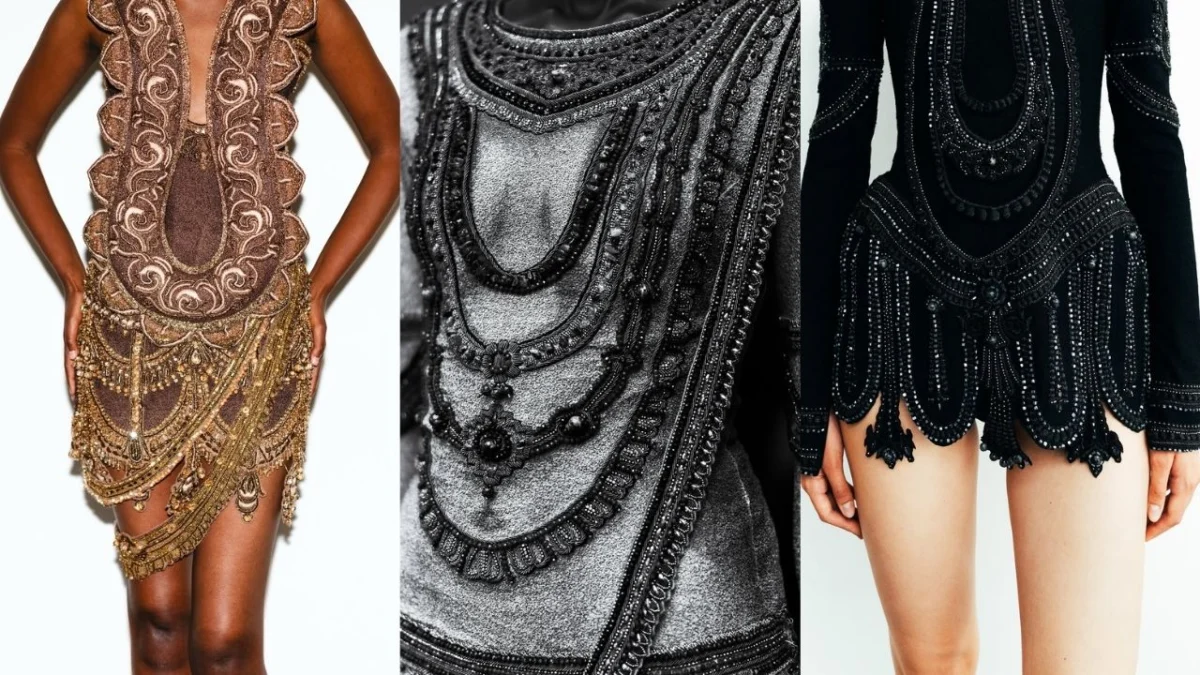
The prestigious runways of Paris Haute Couture Week once again became the stage for a profound intersection of ancient Eastern philosophy and contemporary Western luxury as Indian couturier Rahul Mishra unveiled his Fall-Winter 2026–2027 collection. Titled "Devi," the collection serves as a sophisticated exploration of the primordial feminine energy that, according to Indian Vedic philosophy, governs the universe. By synthesizing the ethereal beauty of nature with the structural rigidity of architectural illusions, Mishra has crafted a narrative that transcends mere garment construction, positioning his work as a cultural bridge between the heritage of the Indian subcontinent and the rigorous standards of the Fédération de la Haute Couture et de la Mode.
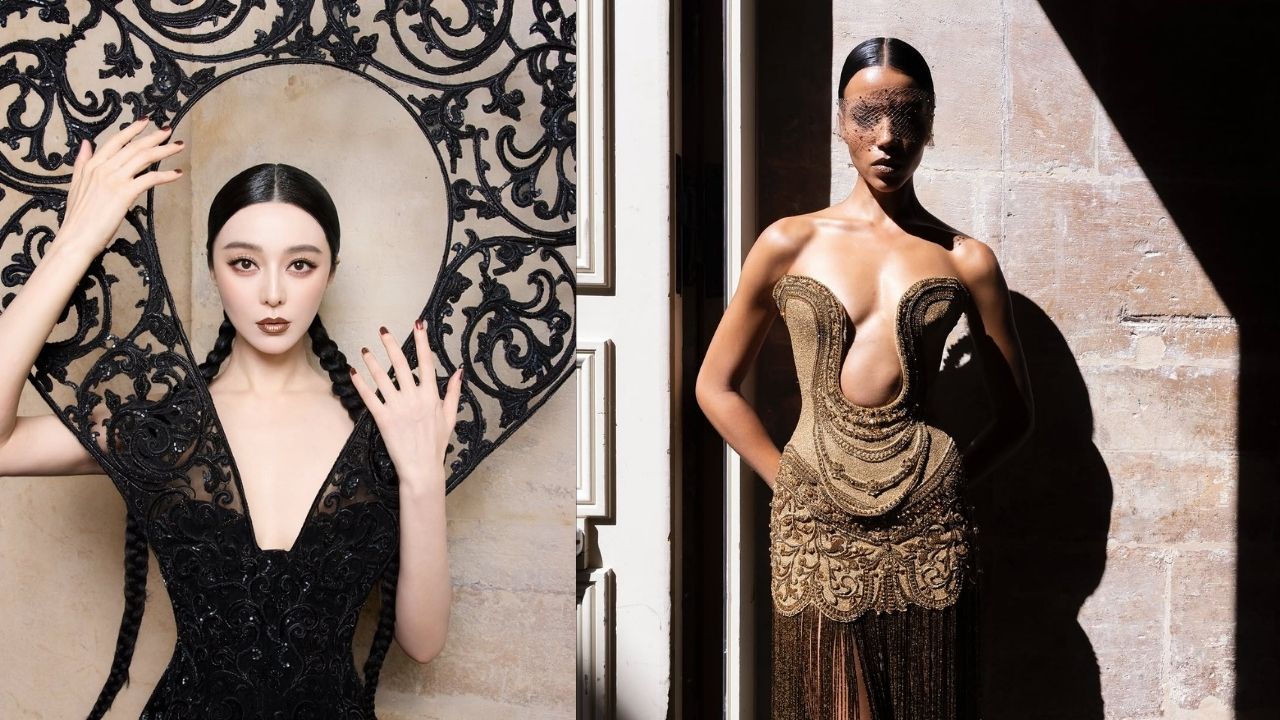
The Philosophical Foundation of Devi
At the heart of the collection lies the concept of "Devi," a Sanskrit term meaning Goddess, representing the supreme power or "Shakti" that acts as the source of all creation, preservation, and transformation. Mishra’s interpretation of this energy is not merely religious but deeply ontological. He seeks to manifest the unseen forces of nature—growth, resilience, and the cycle of life—through the medium of high fashion. The collection explores the duality of the feminine experience: the gentleness of a blooming flower and the indomitable strength of a mountain.
In the context of the Fall-Winter 2026–2027 season, this theme resonates with a global shift toward "slow luxury" and a return to artisanal roots. As the fashion industry grapples with its environmental impact, Mishra’s "Devi" stands as a testament to a production model that honors the human hand and the natural world. The garments are designed to be heirlooms, embodying a spirit of permanence in an era of transient trends.
Architectural Illusions: The Alchemy of Fabric and Stone
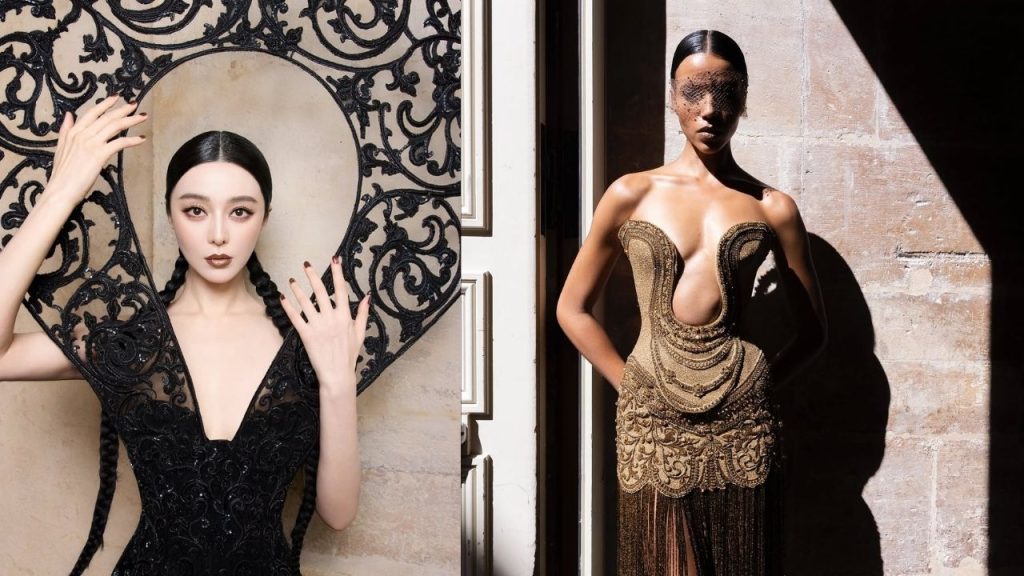
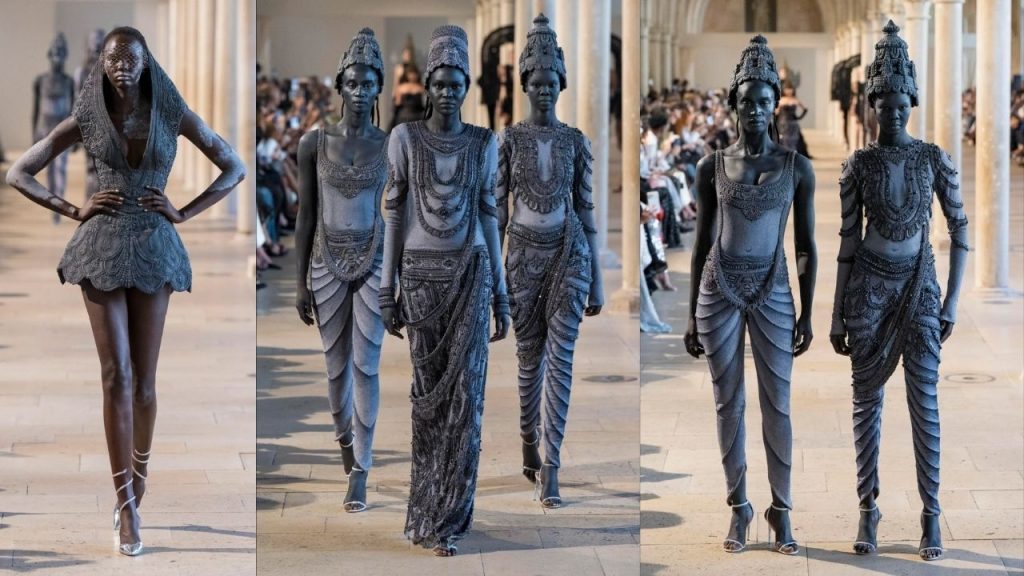
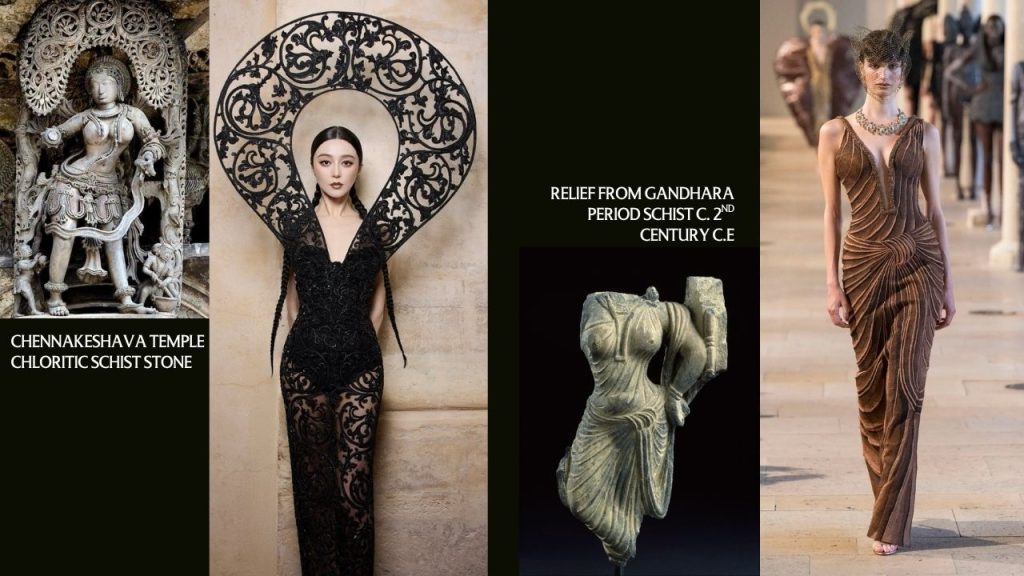
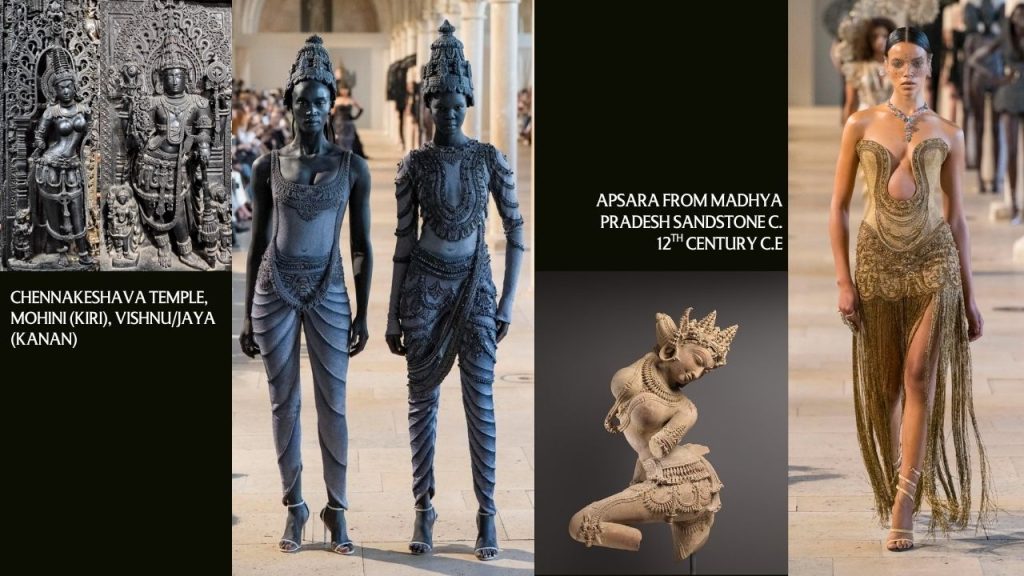
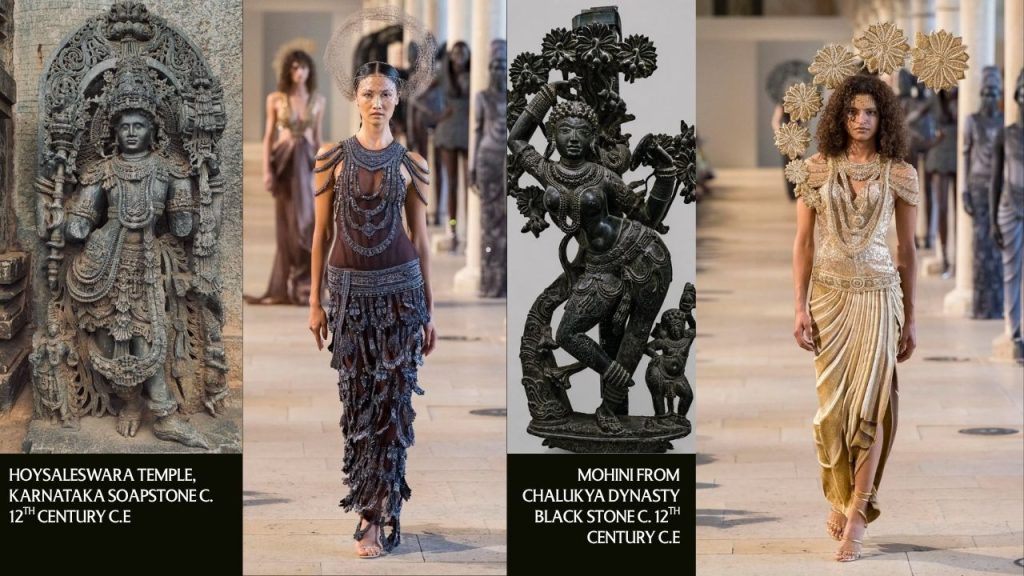
The most technically ambitious aspect of the "Devi" collection is the series of garments that create the illusion of ancient stone carvings. Drawing inspiration from the relief sculptures found in India’s historic temples, such as those at Khajuraho or Ellora, Mishra has achieved the impossible: making soft, malleable fabric appear like weathered basalt or granite.
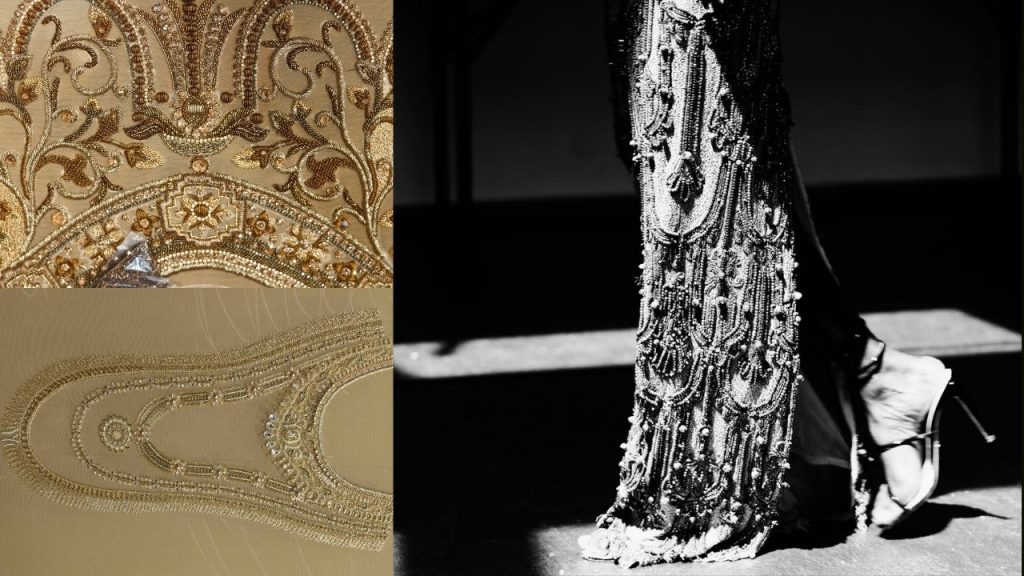
This effect was achieved through a revolutionary application of "single-thread embroidery." Unlike traditional embroidery which adds decorative layers, this technique involves building up thousands of individual stitches to create topographical depth. The process is the inverse of traditional sculpture; whereas a sculptor removes material from a block of stone to reveal a form, Mishra’s artisans build volume stitch by stitch. The result is a monumental aesthetic that retains the lightness and fluidity required for couture. These "sculpted" pieces feature intricate depictions of deities, celestial beings, and mythical motifs, all rendered in a monochromatic palette that mimics the play of light and shadow on stone surfaces.
Technical Mastery: The Trio of Indian Craftsmanship
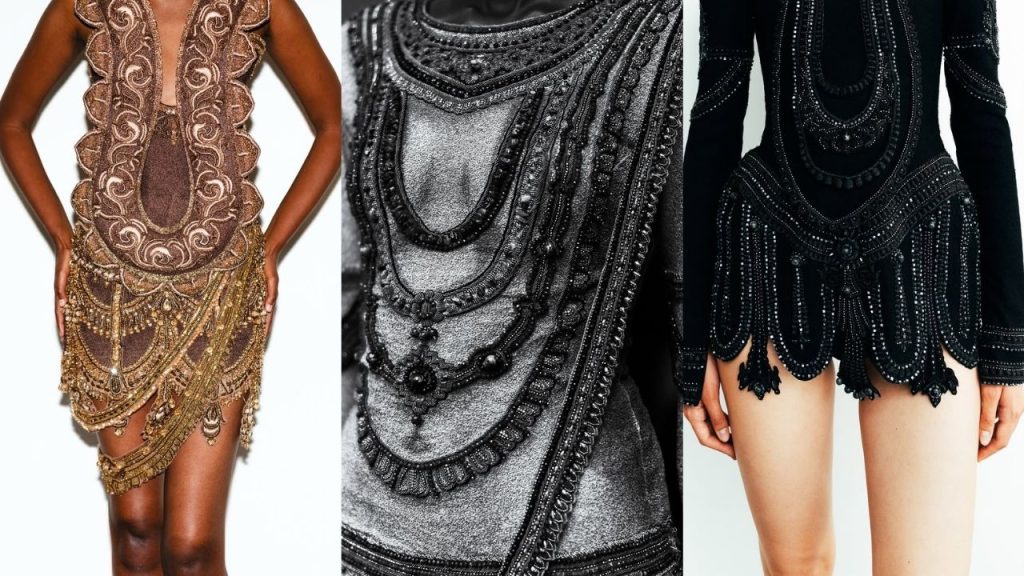
The "Devi" collection serves as a showcase for three specific traditional Indian embroidery techniques that have been preserved for centuries: Zardozi, Aari, and Naqshi.
- Zardozi: This ancient form of metal embroidery uses gold and silver threads to create heavy, opulent patterns. In the 2026-2027 collection, Mishra utilizes Zardozi to outline the "Devi" silhouettes, providing a regal structure to the garments.
- Aari: Known for its fine, chain-stitch appearance, Aari embroidery is used to create the delicate floral and faunal motifs that populate the collection. The precision of the Aari hook allows for a level of detail that rivals high-definition photography.
- Naqshi: This technique involves the use of coiled metallic wires, often used to create textured, shimmering surfaces. In "Devi," Naqshi is employed to simulate the iridescent scales of mythical creatures and the veins of leaves, adding a tactile dimension to the couture.
The integration of these techniques is not merely for aesthetic appeal but is a deliberate effort to sustain the livelihoods of thousands of artisans in rural India. Mishra has long been a proponent of a "reverse migration" model, where work is brought to the villages rather than forcing artisans to move to overcrowded urban centers.
The Visual Palette: A Spectrum of Elemental Energy
The color story of the Fall-Winter 2026–2027 collection is a deliberate departure from the pastel-heavy palettes of previous seasons. Mishra embraces a more grounded and powerful spectrum, reflecting the different facets of the Goddess.
- Obsidian Black and Ivory: Representing the fundamental duality of light and darkness, these colors dominate the "stone-effect" pieces.
- Crimson and Deep Red: Symbolizing the life force, passion, and the transformative power of the feminine.
- Emerald Green: A nod to the "Prakriti" (Nature) aspect of Devi, representing fertility and the lush landscapes of the Indian subcontinent.
- Burnished Gold: Used as a highlight throughout the collection, gold represents the divine and eternal nature of the soul.
These colors are further enhanced by the inclusion of Swarovski crystals and metallic sequins, which catch the runway lights to simulate the glistening of dew on a leaf or the sparkle of a celestial body.
Chronology of a Masterpiece: From Concept to Runway
The development of the "Devi" collection spanned approximately eight months, involving a complex supply chain that connects Paris to the heart of India.
- October 2025 – January 2026: Conceptualization and research. Mishra and his design team studied temple architecture and Vedic texts to define the visual language of "Devi."
- February – April 2026: Prototyping and technical development. The single-thread embroidery technique was refined, and the first "stone" swatches were produced.
- May – June 2026: Production phase. Over 1,000 artisans across various craft clusters in India worked on the hand-embroidery. Some individual pieces required more than 3,000 man-hours to complete.
- July 2026: Final assembly and fittings in New Delhi and Paris. The garments were meticulously checked for structural integrity and movement.
- July 2026: The official presentation at Paris Haute Couture Week, attended by international fashion critics, buyers, and high-net-worth clients.
Industry Impact and Market Analysis
Rahul Mishra’s continued presence on the Paris Haute Couture schedule marks a significant shift in the global fashion hierarchy. For decades, Indian craftsmanship was relegated to the background, with Western luxury houses outsourcing their embroidery to Indian workshops without attribution. Mishra has successfully inverted this dynamic, placing Indian design and heritage at the forefront of the luxury market.
Industry analysts note that Mishra’s success is part of a broader "de-Westernization" of couture. As the luxury market expands in Asia and the Middle East, there is an increasing demand for garments that reflect diverse cultural identities while maintaining the highest levels of craftsmanship. The "Devi" collection, with its deep roots in Indian philosophy, appeals to a global clientele looking for "intellectual luxury"—fashion that tells a story and possesses a soul.
Furthermore, the collection reinforces the viability of sustainable couture. By focusing on hand-intensive processes, Mishra minimizes the carbon footprint associated with industrial manufacturing. The "Devi" collection is a prime example of how luxury can be both socially responsible and aesthetically groundbreaking.
Broader Implications: Fashion as Cultural Diplomacy
Beyond the confines of the runway, the "Devi" collection serves as a form of cultural diplomacy. It challenges the "Orientalist" gaze that often characterizes Western perceptions of Indian fashion as merely "exotic" or "ethnic." Instead, Mishra presents a sophisticated, modern, and technically superior vision that demands to be judged on its own merits alongside the heritage houses of Paris.
The reception from international critics has been overwhelmingly positive. Observers have noted that Mishra’s ability to blend the "maximalism" of Indian embroidery with the "minimalism" of modern silhouettes is what sets him apart. In the "Devi" collection, this balance is perfected; the garments are undeniably opulent, yet they possess a clarity of form that feels contemporary.
As the Fall-Winter 2026–2027 season concludes, the "Devi" collection will likely be remembered as a turning point in Rahul Mishra’s career. It is a collection that does not just celebrate the beauty of women but honors the very essence of the feminine power that sustains the world. Through the meticulous work of his artisans and his own visionary design, Mishra has reminded the fashion world that true couture is not just about what we wear, but about the stories we tell and the legacies we preserve. Every silhouette in "Devi" stands as a testament to the fact that strength and softness are not opposites, but two halves of a divine whole.