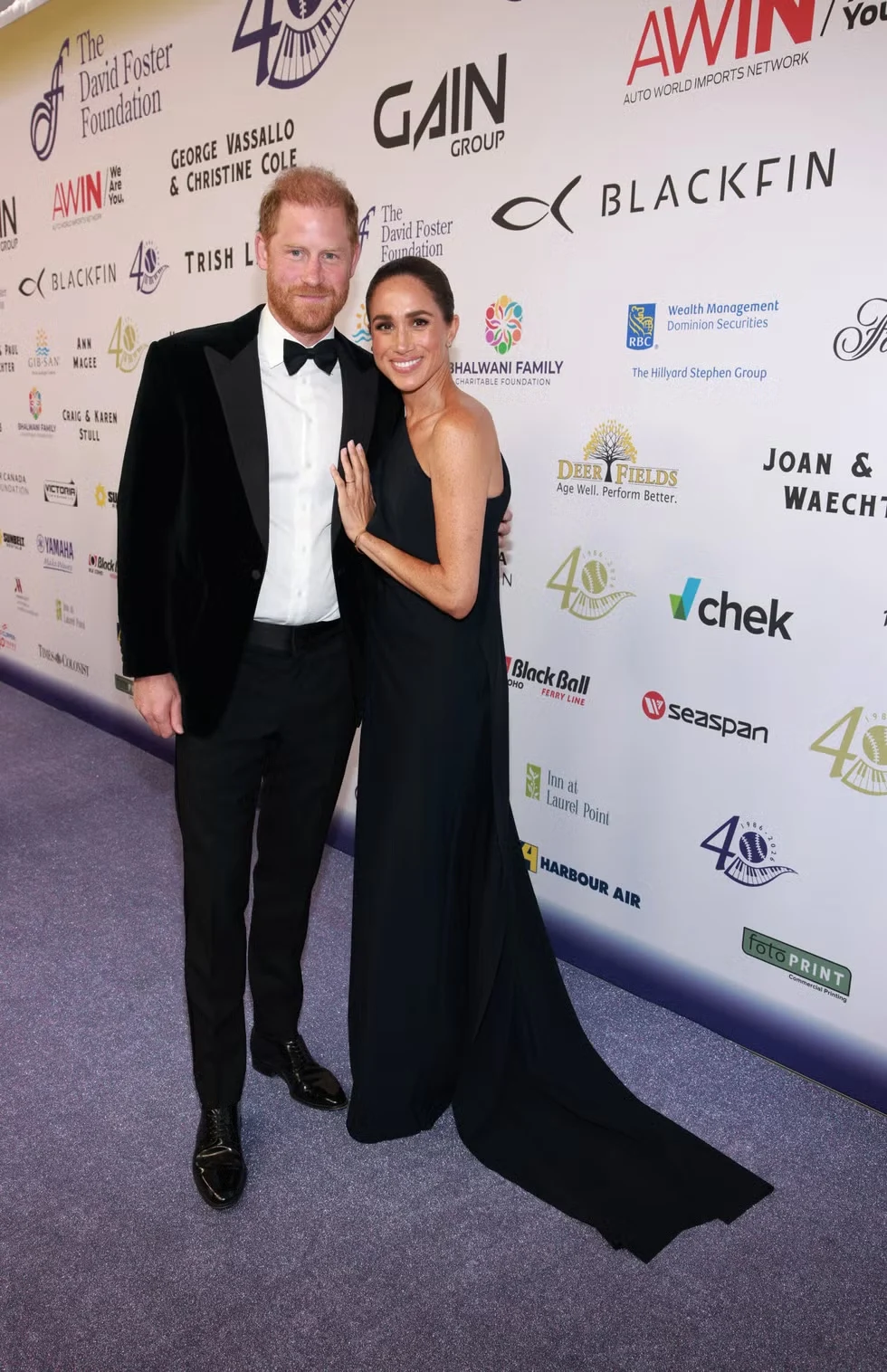
The return of the Duke and Duchess of Sussex to the United Kingdom marks a significant juncture in the ongoing evolution of the British monarchy’s relationship with its most prominent expatriate members. Following their abrupt departure for North America in 2020, Prince Harry and Meghan Markle have effectively transitioned into a new chapter of their lives. Their recent relocation back to British soil, accompanied by their children, Prince Archie and Princess Lilibet, has prompted King Charles III to formalize their status through an official directive issued by the Lord Chamberlain, Lord Benyon. This administrative move serves as a definitive clarification regarding their role, responsibilities, and the limitations of their royal association as they integrate back into life within the United Kingdom.
The Chronology of Departure and Return
To understand the weight of the current situation, it is necessary to revisit the timeline that transformed the Sussexes’ status within the Firm. The tension began to surface publicly in early 2020, when the couple announced their intention to step back as senior members of the royal family. On January 8, 2020, the couple issued a statement via their official Instagram account, signaling their desire to "work to become financially independent" while continuing to support Her Majesty Queen Elizabeth II.
The subsequent "Sandringham Summit" resulted in the "Megxit" agreement, which stipulated that Harry and Meghan would cease to use their "Royal Highness" styles and would no longer carry out official duties on behalf of the Crown. For over half a decade, the couple established a base in Montecito, California, focusing on commercial ventures such as Archewell Productions and various philanthropic endeavors. Their return to the UK in 2026—six years after their initial departure—represents a reversal of geographic residency that has necessitated a clear re-statement of their constitutional and functional position.
Administrative Clarification: The Lord Chamberlain’s Letter
The directive issued by King Charles III, communicated via Lord Benyon to senior government officials, is a document of profound constitutional clarity. It was designed to preemptively address potential confusion regarding the couple’s return. The document explicitly reiterates that the decision made in 2020 remains in full effect.
"Following the decision of the Duke and Duchess of Sussex to relocate to the United Kingdom, we have received a number of requests for guidance," the letter states. "To help avoid any doubt or confusion, the King has directed that the following information be shared."
The core of the message underscores that the couple’s transition to private life is not merely a geographic change but a permanent status. The letter notes that their roles as non-working royals are "fully respected," but it also serves as a boundary-setting mechanism. By framing their current standing as equivalent to "private citizens with commercial and charitable interests," the Crown is insulating the institution from any perceived ambiguity regarding the couple’s actions, public statements, or business dealings.
Economic and Institutional Implications
The financial independence of the Duke and Duchess of Sussex remains a focal point of their public profile. Since 2020, the couple has signed high-profile deals with global media entities, including Netflix and Penguin Random House. These ventures, while lucrative, exist entirely outside the purview of the Sovereign Grant—the public funding mechanism that supports the official duties of working royals.
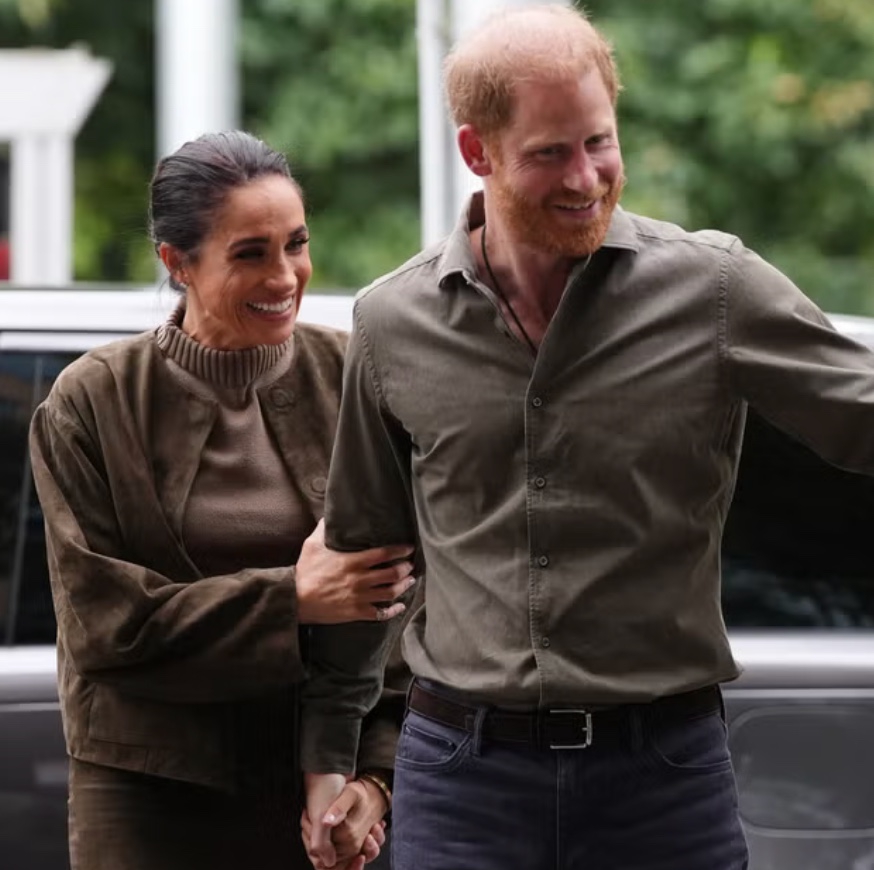
Economically, the couple’s return to the UK poses questions regarding their security arrangements and the logistical footprint of their presence. Historically, the issue of taxpayer-funded security for non-working royals has been a point of contention in the British press and Parliament. By reinforcing that they are no longer "working royals," the palace effectively distances the institution from the necessity of providing state-funded protection or institutional resources for their personal activities. This distinction is critical for the monarchy, as it avoids the perception of "cherry-picking" the benefits of royal status while enjoying the freedoms of private life.
The Road Ahead: Invictus Games and Public Engagement
Prince Harry’s primary focus in the immediate term is his stewardship of the Invictus Games, scheduled to be held in Birmingham in July 2027. The games, which he founded in 2014, have been a centerpiece of his post-military career and remain one of his most significant contributions to the international veteran community. His leadership in the 2027 games is expected to be a major media event, and the palace’s insistence on the "private" nature of his status suggests a desire to keep the focus of the games on the athletes rather than the internal politics of the House of Windsor.
Simultaneously, reports indicate that the Duchess of Sussex is exploring a return to professional creative work, including potential acting roles and continued involvement with charitable organizations. Her transition back to the UK will likely involve a careful navigation of the British media landscape, which has historically maintained a polarized view of the couple.
Royal Dynamics: Reconciling the Private and the Public
Despite the formal distance established by the King’s letter, there is a clear distinction between the administrative reality of their status and the personal reality of their familial ties. A representative for King Charles III recently remarked that the monarch "welcomes the opportunity to see the Sussex family more frequently in a private and personal capacity."
This duality—the cold clarity of administrative status versus the warmth of private familial reconciliation—defines the current state of the British monarchy. King Charles III is faced with the dual challenge of preserving the integrity and operational protocol of the institution while navigating the complex emotions of being a father to a son who has chosen a path outside the traditional royal framework.
Societal and Media Reaction
The media climate in the United Kingdom regarding the Sussexes has undergone a shift since 2020. While the initial years of their departure were marked by intense, often hostile, reporting, the current discourse has shifted toward a more analytical assessment of their role as "private figures." The publication of the King’s letter has been viewed by constitutional experts as a necessary "reset" button. It serves to inform the public and the government that while the Sussexes are welcome, the rules governing the monarchy’s core functions have not shifted.
The broader implications for the monarchy are significant. As the institution prepares for the future, the clear demarcation between working royals and family members who have opted out is essential for maintaining the clarity of the brand. By effectively "codifying" the status of Harry and Meghan, the King is ensuring that the monarchy remains an institution defined by its constitutional duties rather than its familial narratives.
Conclusion
The return of the Duke and Duchess of Sussex to the United Kingdom is a complex event that blends the personal desire for family closeness with the rigid requirements of royal protocol. King Charles III’s decision to issue a formal clarification demonstrates a commitment to transparency and institutional stability. As Harry and Meghan settle back into life in Britain, their focus remains on their independent ventures and the upcoming Invictus Games. For the monarchy, the challenge moving forward will be to balance this private family reconciliation with the public’s enduring interest in the evolving structure of the royal family. The status quo, as defined by the latest directives, suggests a future where the Sussexes remain integral members of the King’s family, even as they remain permanently separated from the machinery of the Crown.