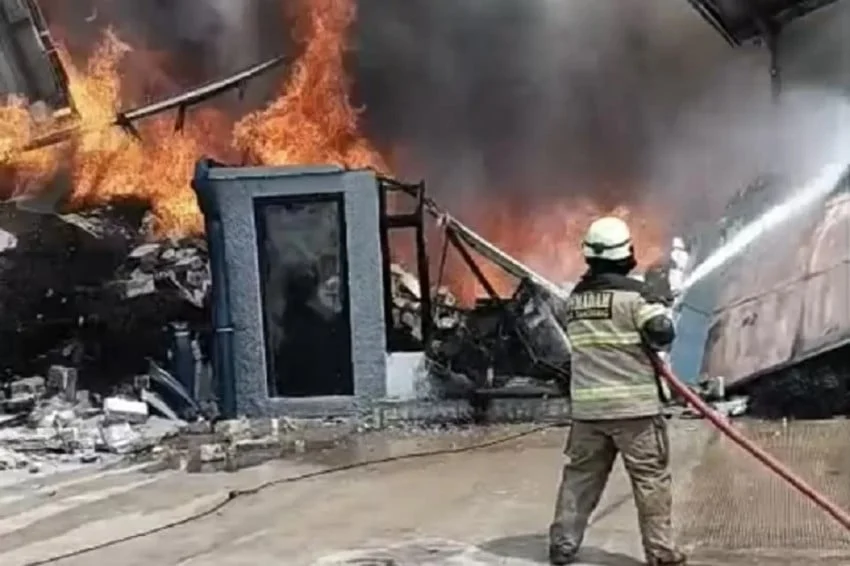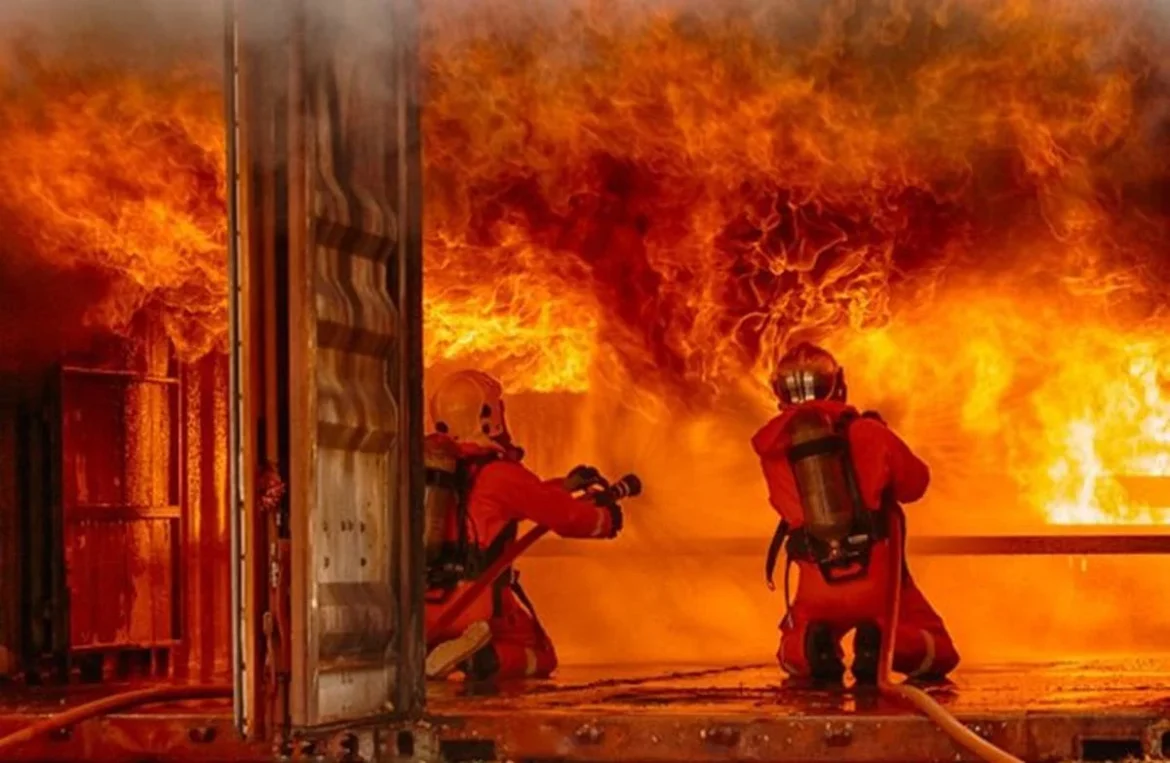
Tragedy struck the northern Chinese city of Taiyuan, located in Shanxi province, as a devastating inferno tore through a high-rise residential complex on Sunday, November 8, 2026. Official reports confirmed on Monday morning that the death toll from the blaze has risen to 14, marking a grim escalation from the initial figures provided by emergency services shortly after the incident. The catastrophe serves as a somber reminder of the persistent challenges regarding fire safety and urban infrastructure management within the nation’s rapidly expanding industrial hubs.
Chronology of the Disaster
The fire broke out in the late afternoon on Sunday, November 8, 2026, at approximately 5:00 PM local time (09:00 GMT). Witnesses reported thick, black smoke billowing from the mid-to-upper levels of the residential structure, prompting immediate calls to emergency services. Local authorities mobilized a significant firefighting contingent, including multiple engine companies and search-and-rescue teams, to contain the inferno.
According to the state-run news agency Xinhua, the operation to suppress the flames was successful by late Sunday evening. However, the search-and-rescue phase proved far more challenging. Initial reports released late Sunday indicated that 38 individuals had been transported to local hospitals suffering from burns, smoke inhalation, and injuries sustained while attempting to evacuate the smoke-filled corridors.
By early Monday morning, the official death toll was updated to 14. Medical officials confirmed that while some victims succumbed to their injuries on-site, others passed away despite receiving urgent medical attention at local trauma centers. With the rescue efforts now concluded, local authorities have shifted their focus toward forensic investigation and providing support to the affected families.
The Context of Fire Safety in China
The tragedy in Taiyuan is not an isolated incident but rather a symptom of broader, systemic issues that have historically plagued urban residential safety in China. The country has undergone a period of unprecedented urbanization over the last four decades, which necessitated the rapid construction of massive residential complexes. While these projects provided housing for millions, critics and safety advocates have long pointed to the "speed-over-safety" culture that defined many of these developments.
In many instances, older buildings or high-density residential towers lack the modern fire suppression systems—such as automated sprinkler systems, fire-rated stairwell doors, and non-combustible cladding—that are standard in international building codes. Furthermore, the practice of "illegal modifications," where residents or landlords alter interior layouts or block emergency exits to create extra storage or living space, often hampers evacuation efforts when a fire breaks out.
The Chinese government has acknowledged these risks in recent years, implementing periodic nationwide safety inspections. However, enforcement remains uneven, particularly in secondary cities where local oversight can be inconsistent. The Taiyuan incident is likely to trigger a new wave of fire safety audits across Shanxi province and potentially across the country, as central authorities seek to prevent further loss of life.
Statistical Overview and Safety Trends
Historically, fire-related fatalities in China have remained a significant concern for the Ministry of Emergency Management. Data from the last decade suggests that the vast majority of fire deaths occur in residential settings. The primary causes are frequently cited as electrical faults, improper storage of flammable materials, and the use of sub-standard electrical wiring that cannot support the power demands of modern households.
Data from 2025 indicated a slight improvement in fire safety metrics due to the deployment of "smart city" sensors in major metropolises like Beijing and Shanghai. These systems can detect smoke or heat anomalies in real-time, alerting fire departments before a blaze becomes unmanageable. However, in regions like Shanxi, where industrial activity is dense and infrastructure varies in age, the deployment of such advanced technology is often slower. The death of 14 individuals in a single event is categorized as a "major fire accident" under Chinese legal standards, which typically mandates a high-level investigation by provincial or even central government committees.
Official Response and Investigation Protocols
The local government in Taiyuan has established a task force to investigate the exact cause of the fire. In the wake of such incidents, the standard protocol involves a multi-agency approach, involving local police, fire departments, and architectural engineers. Their primary objectives are to determine the point of origin of the fire, assess whether building safety codes were violated during construction or subsequent renovations, and verify if the building’s fire management system was functional at the time of the blaze.
Statements from the Shanxi provincial government emphasize that accountability will be a priority. Historically, such investigations in China have led to the detention of building managers, property owners, or construction contractors found to be in violation of national safety laws. If the investigation concludes that the fire was the result of negligence—such as disabled alarm systems or blocked emergency exits—legal consequences for those responsible will be swift and severe.
Broader Implications and Urban Policy
The catastrophe in Taiyuan raises critical questions about the future of urban policy in China. As the country grapples with an aging population and a shifting economic landscape, the maintenance of existing building stock has become as important as the construction of new projects. Urban planners are now facing pressure to retrofit thousands of aging high-rises with modern fire-suppression technology.
Furthermore, the fire highlights the critical role of public awareness and emergency preparedness. Often, residents in high-density buildings are not well-versed in fire evacuation protocols, leading to chaos during critical moments. In the aftermath of this disaster, local governments are expected to launch awareness campaigns to educate residents on the importance of keeping common areas clear of debris and ensuring that fire safety equipment remains accessible.
The social and economic impact on the community in Taiyuan will be profound. For the families of the 14 victims, the loss is irreversible. For the wider community, the event serves as a harrowing reminder of the fragility of safety in dense urban environments. The economic costs, including the compensation for victims, the potential condemnation of the building, and the long-term legal ramifications, will place significant strain on local resources.
The Path Forward: Enhancing Resilience
Looking ahead, the central government is likely to issue a directive demanding a nationwide review of fire safety in residential buildings. This may include:
- Mandatory Retrofitting: Requiring older residential buildings to be upgraded with modern smoke detectors, fire-resistant doors, and emergency lighting.
- Increased Inspection Frequency: Moving from annual safety checks to quarterly or even monthly inspections for high-risk buildings.
- Strict Enforcement: Imposing heavier fines and criminal penalties for landlords who fail to maintain building safety standards.
- Technological Integration: Accelerating the rollout of IoT-based fire monitoring systems that can provide instant data to fire stations.
The incident in Taiyuan is a tragedy that underscores the ongoing struggle to balance rapid urban development with the fundamental human right to safety. While the flames have been extinguished, the investigation into this disaster is only beginning. The results will likely shape the trajectory of building safety standards in China for years to come, as the nation strives to ensure that such a loss of life does not occur again. As the families of the victims mourn, the city of Taiyuan—and the entire nation—waits for answers, hoping that the lessons learned from this disaster will lead to tangible improvements in the way Chinese citizens live and work in their high-rise homes.