

The sensation of abdominal bloating, fullness, and discomfort is a pervasive global health complaint, often arising from dietary indiscretions, rapid consumption patterns, or underlying digestive sensitivities. As modern lifestyles increasingly favor processed foods and erratic eating schedules, the frequency of gastrointestinal distress—characterized by trapped gas, nausea, and cramping—has prompted a renewed interest in traditional, plant-based remedies. Among the most accessible interventions are various forms of tea, which have served as post-prandial staples in diverse cultures for centuries. While hydration is a fundamental pillar of digestive health, recent physiological research suggests that specific compounds found in tea leaves, roots, and fermented brews offer targeted relief for the gastrointestinal tract.
The Physiology of Digestive Distress
Digestive discomfort, medically referred to as dyspepsia or functional bloating, occurs when the digestive system struggles to process food efficiently. This can manifest as delayed gastric emptying, an imbalance in the gut microbiome, or localized inflammation within the intestinal lining. According to medical data, gastrointestinal issues affect millions of individuals annually, with a significant percentage of these cases attributed to the consumption of high-FODMAP foods or excessive gas-producing ingredients.
In the historical context, the use of botanical infusions for medicinal purposes dates back to ancient Ayurvedic and Traditional Chinese Medicine (TCM) practices. These traditions utilized heat-extracted compounds to stimulate digestive enzymes and soothe intestinal spasms. In contemporary settings, the integration of these practices with clinical nutrition has provided a scientific framework for why certain teas function effectively as carminatives—substances that prevent or relieve gas.
1. The Anti-Inflammatory Power of Ginger Tea
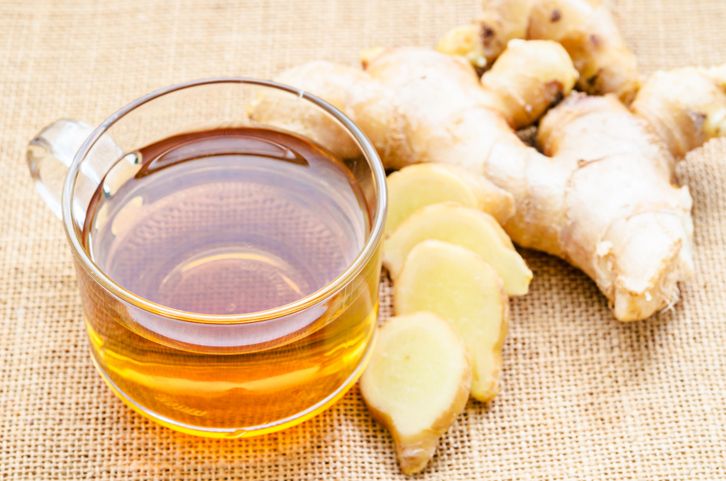
Ginger (Zingiber officinale) remains the gold standard in herbal digestive support. The efficacy of ginger is primarily attributed to its bioactive compounds, gingerols and shogaols. These substances act as potent anti-inflammatory and antioxidant agents that target the gastrointestinal mucosa.
Scientific analysis suggests that ginger facilitates gastric motility, meaning it helps move food from the stomach to the small intestine more efficiently. By accelerating this process, ginger reduces the duration that food sits in the stomach, which is a primary trigger for feelings of "heaviness" and acid reflux. Furthermore, clinical trials have consistently demonstrated that ginger effectively suppresses the chemoreceptor trigger zone in the brain, thereby acting as a reliable anti-emetic for those experiencing nausea. Whether prepared from fresh rhizomes or standardized tea bags, ginger tea serves as an immediate, non-pharmacological intervention for acute abdominal discomfort.

2. Peppermint: The Natural Antispasmodic
Peppermint tea (Mentha piperita) is perhaps the most widely recognized remedy for abdominal tension. The active ingredient in peppermint, menthol, functions as a natural antispasmodic. By inhibiting calcium channels in the smooth muscle cells of the gastrointestinal tract, menthol induces relaxation in the gut wall.
This mechanism is particularly beneficial for individuals suffering from Irritable Bowel Syndrome (IBS), a condition where the gut muscles become over-reactive. By relaxing these muscles, peppermint tea helps alleviate the cramping and sharp pains associated with trapped gas. However, health experts advise that while peppermint is effective for bloating, individuals with gastroesophageal reflux disease (GERD) should exercise caution. Because peppermint can also relax the lower esophageal sphincter, it may exacerbate heartburn in susceptible individuals. Consequently, the timing of consumption—ideally between meals rather than immediately after—is crucial for maximizing benefits while minimizing risks.
3. Probiotic Support Through Kombucha
Moving beyond traditional herbal infusions, kombucha represents a growing sector in the functional beverage market. Unlike standard tea, kombucha is a fermented product created by adding a symbiotic culture of bacteria and yeast (SCOBY) to a base of sweetened black or green tea.
The fermentation process yields a beverage rich in probiotics—live microorganisms that contribute to a balanced gut microbiome. A robust microbiome is essential for the efficient breakdown of complex carbohydrates and the regulation of digestive transit times. Furthermore, the organic acids produced during fermentation, such as acetic acid, have been shown to inhibit the growth of pathogenic bacteria in the gut.
From an economic and market perspective, the rise of kombucha reflects a broader consumer shift toward "gut-first" wellness. However, nutritionists caution that commercial kombucha brands often contain significant amounts of added sugar to mask the natural sourness of the fermentation process. To achieve the intended digestive health benefits, consumers are encouraged to select products with lower glycemic indices and minimal additives, ensuring that the health-promoting bacteria are not overshadowed by an excess of simple sugars.
4. The Curcumin Advantage in Turmeric Tea
Turmeric (Curcuma longa), a staple of Southeast Asian cuisine, has gained international attention for its primary active compound: curcumin. While turmeric is widely lauded for its systemic anti-inflammatory benefits, its impact on the digestive system is equally profound.
Curcumin modulates the body’s inflammatory response, which can be critical for individuals with chronic digestive conditions such as mild colitis or persistent gas. Research indicates that turmeric can stimulate the gallbladder to produce bile, a digestive fluid essential for the emulsification and absorption of fats. By improving fat digestion, turmeric tea reduces the likelihood of post-meal bloating. Moreover, the antioxidant properties of curcumin protect the intestinal barrier from oxidative stress, potentially reducing the frequency of flare-ups in sensitive individuals. It is important to note that curcumin has low bioavailability; therefore, adding a pinch of black pepper (which contains piperine) to turmeric tea can significantly enhance the absorption of the active compounds.
5. Black Tea and the Dandelion Root Prebiotic
While black tea is often categorized merely as a caffeinated stimulant, its chemical profile is complex and beneficial. The fermentation of black tea leaves produces high concentrations of theaflavins and thearubigins, which are flavonoids known for their positive impact on gut health. Recent longitudinal studies suggest that regular black tea consumption can shift the microbiome toward a healthier composition by promoting the growth of beneficial bacteria, which in turn reinforces the intestinal barrier.
Complementing this is dandelion root tea, which functions differently as a prebiotic. Dandelion roots are a rich source of inulin, a type of soluble fiber that passes through the digestive system undigested, serving as a primary fuel source for beneficial gut bacteria. By nourishing these microbes, dandelion root tea indirectly supports regular bowel movements and reduces the accumulation of gas. This dual approach—black tea for microbiome modulation and dandelion for fiber-based support—provides a comprehensive strategy for maintaining long-term digestive health.
Broader Implications for Digestive Health
The movement toward using tea as a digestive aid is part of a larger trend in "preventative nutrition." In an era where pharmaceutical interventions for digestive issues are frequently associated with side effects, the turn toward botanicals signifies a desire for more holistic, low-risk health management.
Medical experts observe that while these teas are highly effective for functional digestive issues, they should not be considered replacements for professional medical diagnosis. Chronic bloating, sudden changes in bowel habits, or persistent pain may indicate underlying pathologies such as food intolerances, structural obstructions, or more severe inflammatory bowel diseases. In such instances, the use of tea should be viewed as an adjunct to, rather than a substitute for, clinical medical advice.
Furthermore, the integration of these habits into daily life requires consistency. Digestive health is not a state that can be achieved through sporadic intervention; it is the result of long-term dietary patterns. The adoption of these five teas—ginger, peppermint, kombucha, turmeric, and black/dandelion—provides a sustainable, science-backed methodology for managing the daily challenges of the digestive system. By understanding the specific biological mechanism of each tea, individuals can make informed choices that align with their specific health needs, ultimately fostering a more resilient and comfortable digestive experience.
