

The persistent misconception that the natural sugar content in fruit inherently hinders weight loss efforts continues to circulate among individuals pursuing fitness goals. However, emerging nutritional science suggests a significantly more nuanced reality. Contrary to the belief that all sweet-tasting foods are detrimental to a caloric deficit, specific fruits have been identified as potent tools for weight management. Recent clinical research indicates that the inclusion of certain high-fiber, flavonoid-rich fruits does not merely support weight maintenance but may actively assist in the reduction of adipose tissue accumulation over time.
The Science Behind Fruit and Metabolic Health
The primary concern among dieters regarding fruit consumption is the presence of fructose, a natural sugar. While high-fructose corn syrup is undeniably linked to metabolic dysfunction, the fructose found in whole fruits is accompanied by a complex matrix of vitamins, minerals, phytonutrients, and, most importantly, dietary fiber. This structural integrity slows the absorption of sugars into the bloodstream, preventing the rapid insulin spikes associated with processed sweets.
A pivotal study published in the British Medical Journal (BMJ), which tracked the dietary habits of over 100,000 individuals, has shifted the narrative. The findings emphasize that the correlation between fruit consumption and weight control is largely mediated by flavonoids—a diverse group of phytonutrients found in plants that possess significant antioxidant properties. These compounds are known to modulate metabolic processes, improve insulin sensitivity, and mitigate inflammation, all of which are critical factors in long-term weight management.
Blueberry: The Anthocyanin Powerhouse
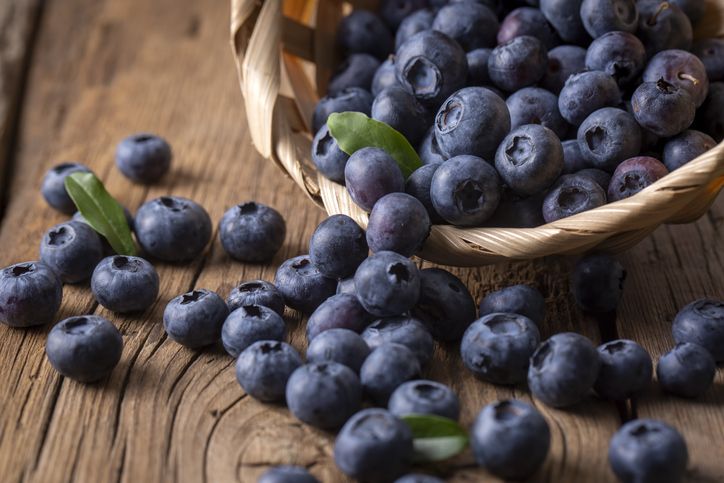
At the forefront of this dietary research are blueberries. These small, nutrient-dense berries are exceptionally high in anthocyanins, the pigments responsible for their deep blue hue. Clinical data suggests a direct correlation between the regular intake of these specific antioxidants and a reduction in long-term weight gain.
According to data analyzed by health experts, every additional quarter-cup of blueberries consumed regularly is associated with a lower weight gain trajectory of approximately 0.11 kilograms over a four-year period. Beyond the chemical impact of anthocyanins, the high fiber content of blueberries promotes satiety. Dr. Keri Peterson, a prominent internist at Lenox Hill Hospital, emphasizes that the mechanical sensation of fullness derived from fiber consumption is a vital component in preventing caloric overconsumption. For those seeking sustainable weight loss, the recommendation stands at approximately one cup of fresh blueberries per day.

The Role of Apples in Appetite Regulation
Apples have long been a staple in health-conscious diets, and for good reason. Their efficacy is attributed to a combination of high-polymer flavonoids and pectin, a soluble fiber that forms a gel-like substance in the digestive tract. This process effectively slows gastric emptying, keeping the individual satiated for longer durations.
The consumption method plays a significant role in the nutritional outcome. Experts, including Dr. Sharad Paul, author of The Genetics of Health, advocate for consuming apples with the peel intact. The peel serves as the primary reservoir for the fruit’s antioxidants and dietary fiber. By stabilizing blood glucose levels, the consumption of whole apples reduces the physiological urge for binge eating. In a clinical context, the stabilization of insulin levels acts as a safeguard against the "crash-and-crave" cycle, which is frequently cited as the primary cause of diet failure in individuals attempting to reduce body fat.
Pir: A Fiber-Rich Alternative
Similar to apples, pears are highly recommended for their high concentration of flavonoid polymers. The BMJ study highlighted that an increased intake of these specific compounds is statistically linked to more favorable weight management outcomes. Pears, which are dense in dietary fiber, provide a dual benefit: they satisfy the palate’s preference for sweetness while providing the necessary bulk to regulate appetite.
When comparing pears to other snacks, nutritionists point out that the calorie-to-satiety ratio is significantly more favorable in whole pears than in processed snacks. The presence of fiber ensures that the glucose provided by the fruit is released slowly, preventing the hormonal responses that lead to fat storage.
The Strategic Inclusion of Strawberries
Strawberries are often overlooked in the context of serious weight loss, yet they share the same potent metabolic benefits as blueberries due to their anthocyanin content. For the average dieter, the versatility of strawberries makes them an ideal addition to a structured meal plan. Whether integrated into a low-fat yogurt bowl for breakfast or consumed as a fiber-rich dessert, they provide a low-calorie alternative to high-sugar processed treats.
Dr. Keri Peterson notes that the common fear of "fruit sugar" is misplaced when applied to whole, fibrous fruits. By substituting calorie-dense, low-nutrient snacks with strawberries or other berries, individuals can lower their overall caloric intake without sacrificing satisfaction. The combination of hydration and fiber inherent in strawberries makes them a physiological ally in the fight against metabolic stagnation.
Paprika: The Unexpected Botanical Contender
While often classified as a vegetable in culinary settings, botanically, the paprika pepper is a fruit. Recent research into the thermogenic properties of peppers has yielded fascinating, albeit preliminary, results. The key component, capsaicin, has been observed in animal studies to potentially stimulate the conversion of white adipose tissue (which stores energy) into brown adipose tissue (which burns energy).
While the translation of these findings to human physiology is still subject to ongoing investigation, the integration of paprika into a balanced diet is supported by its nutrient density and low caloric load. It is essential to treat paprika as a supportive element of a broader healthy lifestyle rather than a panacea for weight loss. Its role lies in flavoring dishes to increase adherence to healthy eating patterns, thereby reducing the reliance on high-calorie sauces or excessive sodium.
Implications for Public Health and Dietary Guidelines
The shift in perspective—moving away from the demonization of fruit sugar toward an appreciation for fruit-based phytonutrients—has profound implications for public health. Chronic lifestyle diseases, including obesity and Type 2 diabetes, are often exacerbated by the avoidance of nutrient-dense whole foods in favor of "low-sugar" processed alternatives that lack the fiber required for metabolic health.
The data suggests that the "sweetness" of a fruit is a poor predictor of its impact on body weight. Instead, the focus must shift to the density of the fruit’s nutritional profile. By prioritizing whole fruits over refined carbohydrates, individuals can leverage the natural satiating effects of fiber and the metabolic protective effects of flavonoids.
Conclusion and Recommendations
The objective evidence clearly indicates that fruit is not an adversary to weight loss. When consumed in its whole form—peel included where applicable—fruit provides a complex suite of benefits that processed foods cannot replicate. For those currently navigating a weight loss journey, the strategic inclusion of blueberries, apples, pears, strawberries, and peppers can serve as a catalyst for sustainable success.
Moving forward, nutritionists recommend a "whole-food first" approach. This involves replacing evening snacks or midday cravings with a serving of fiber-rich fruit. As the body adjusts to the consistent intake of these antioxidants, the resulting stabilization of blood sugar levels often leads to a natural decrease in caloric consumption. While no single food can replace the necessity of a calorie-controlled diet and physical activity, the inclusion of these five specific fruits provides the biological tools necessary to facilitate long-term weight management and metabolic wellness. As always, those with pre-existing metabolic conditions or specific dietary requirements should consult with a healthcare provider to tailor these recommendations to their individual health profiles.
