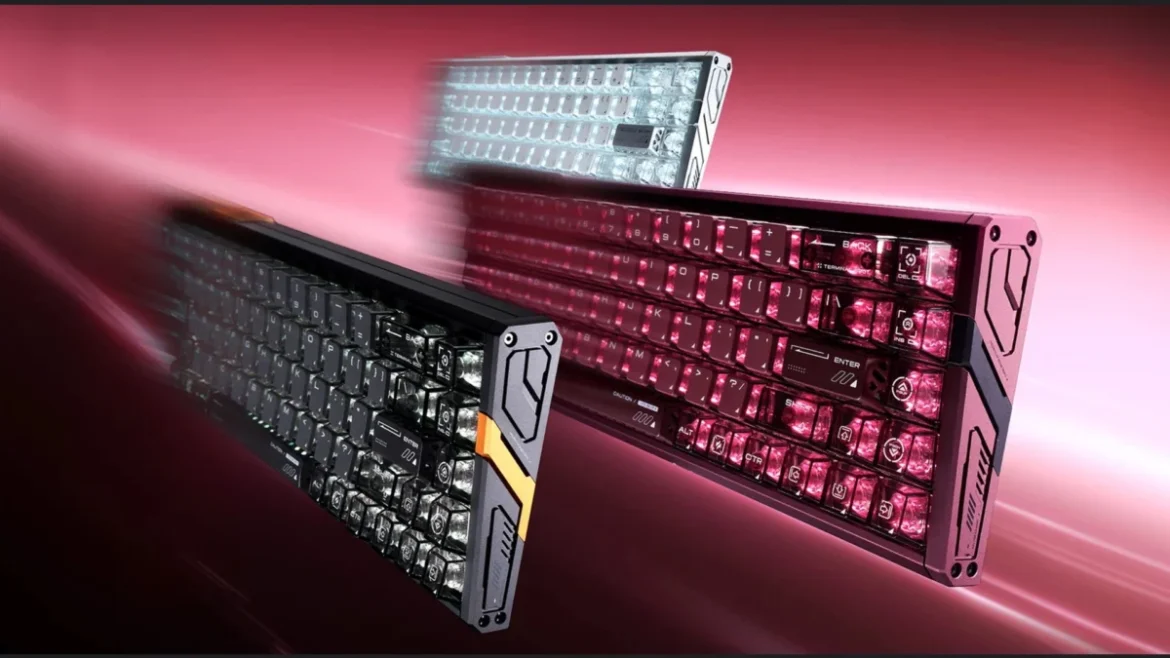
The global market for competitive gaming peripherals has witnessed a paradigm shift over the past several years, driven largely by rapid advancements in switch technology. Traditional mechanical switches, while reliable, have increasingly been superseded by Hall Effect (HE) magnetic switches, which utilize magnets and magnetic sensors to register keystrokes rather than physical metallic contact leaves. This technological leap allows for unmatched customization regarding actuation points and return paths. Capitalizing on this burgeoning trend, peripheral manufacturer ATK has officially expanded its high-performance product lineup with the introduction of the ATK RS6 V2. Designed specifically to cater to esports professionals and hardcore competitive gamers, this compact powerhouse combines state-of-the-art magnetic switch technology, lightning-fast data transmission rates, and a premium aluminum build to establish a new benchmark in the mid-tier enthusiast keyboard market.
Main Facts and Structural Design of the ATK RS6 V2
At its core, the ATK RS6 V2 adopts a popular 65% compact layout, accommodating 68 keys while omitting the dedicated function row and numeric keypad to maximize desk space and allow for wider mouse movement ranges—a crucial ergonomic requirement for low-sensitivity first-person shooter (FPS) players. Unlike many wireless contemporaries in the enthusiast space, the RS6 V2 utilizes a strict wired connection framework. While some consumers may view the lack of wireless capability as a limitation, this design choice is a deliberate engineering decision aimed at eliminating the latency overhead introduced by wireless protocols and battery management systems.
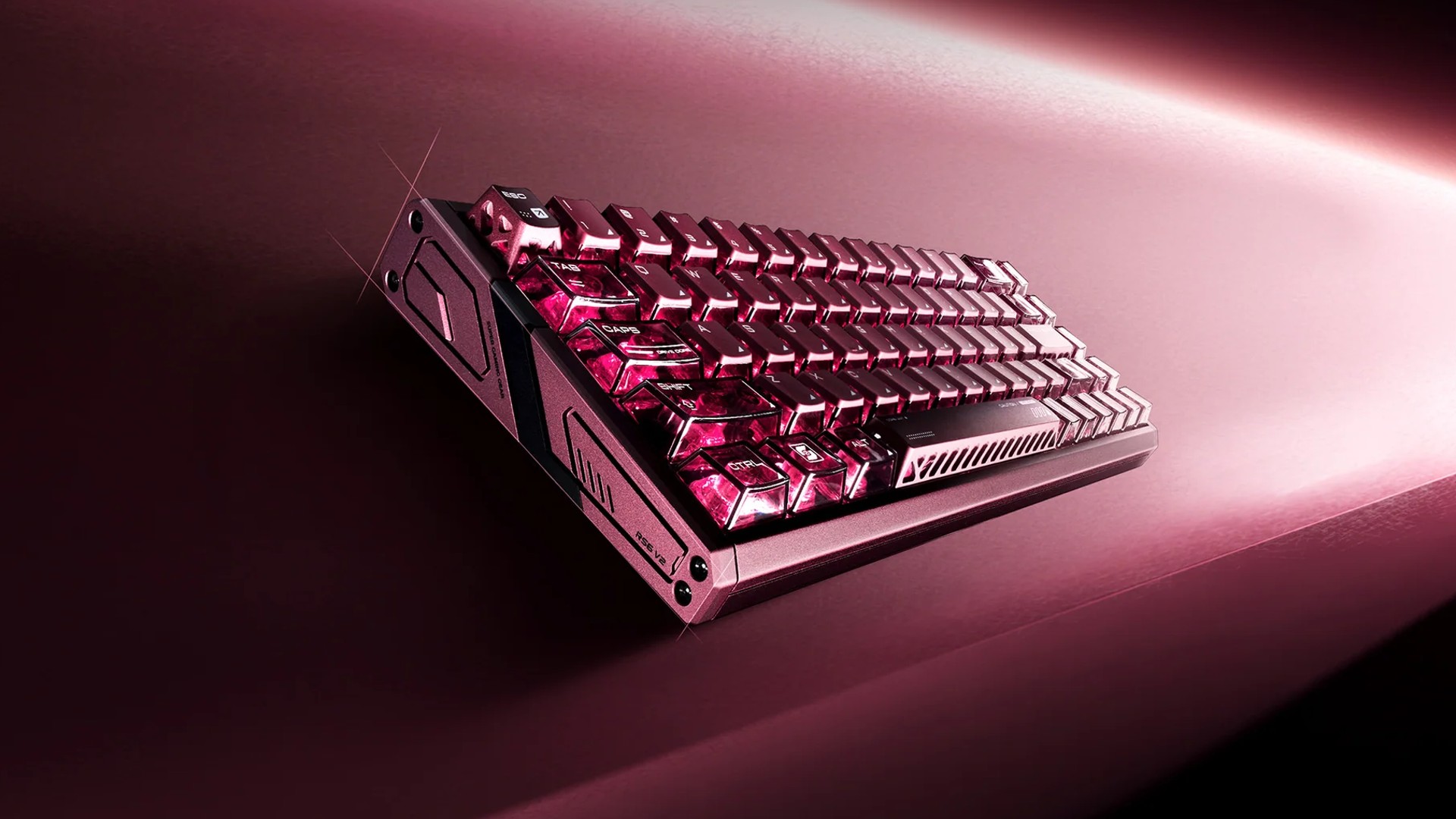
By anchoring the keyboard via a direct cable connection, ATK has been able to implement an astonishing 8,000Hz polling rate. This ultra-high polling frequency ensures that the host computer communicates with the keyboard up to 8,000 times per second, effectively reducing input lag to near-imperceptible levels. When paired with an exceptionally low transmission latencies clocking in at just 0.08 milliseconds, the RS6 V2 ensures that every tactile intention translates to on-screen action instantaneously, meeting the rigorous demands of modern competitive esports tournaments where milliseconds can determine the outcome of a match.
Advanced Hall Effect Performance and Rapid Trigger Technology
The defining feature of the ATK RS6 V2 lies within its advanced actuation system, powered by custom Halo magnetic switches. Hall Effect technology fundamentally changes how input registration is handled by replacing physical friction with magnetic flux measurements. This enables the implementation of Rapid Trigger (RT), a function that dynamically adjusts the actuation and reset points of a key based on its direction of travel rather than a fixed physical depth.
The RS6 V2 pushes the boundaries of customization by offering an ultra-fine Rapid Trigger adjustment resolution down to 0.001 mm. This hyper-sensitive calibration allows players to execute counter-strafing maneuvers in tactical shooters like Valorant or Counter-Strike 2 with unprecedented speed. The moment a key begins its upward travel, the input is instantly cut, halting the in-game character model immediately without waiting for the switch to clear a traditional reset threshold.

Complementing this rapid response capability are the specifications of the Halo switches themselves. Engineered for longevity and performance, the switches feature a total travel distance of 3.55 mm and a feather-light initial actuation force of 33 gf. Furthermore, they are rated for an impressive lifespan of up to 100 million keystrokes, ensuring sustained durability over years of intensive daily gaming sessions. Under the hood, the keyboard utilizes a global 32 kHz full-key scanning rate, supplemented by an incredible 256 kHz individual key scanning frequency, guaranteeing that simultaneous multi-key inputs are registered without ghosting, skipping, or interference.
Aesthetics, Illumination, and Acoustics
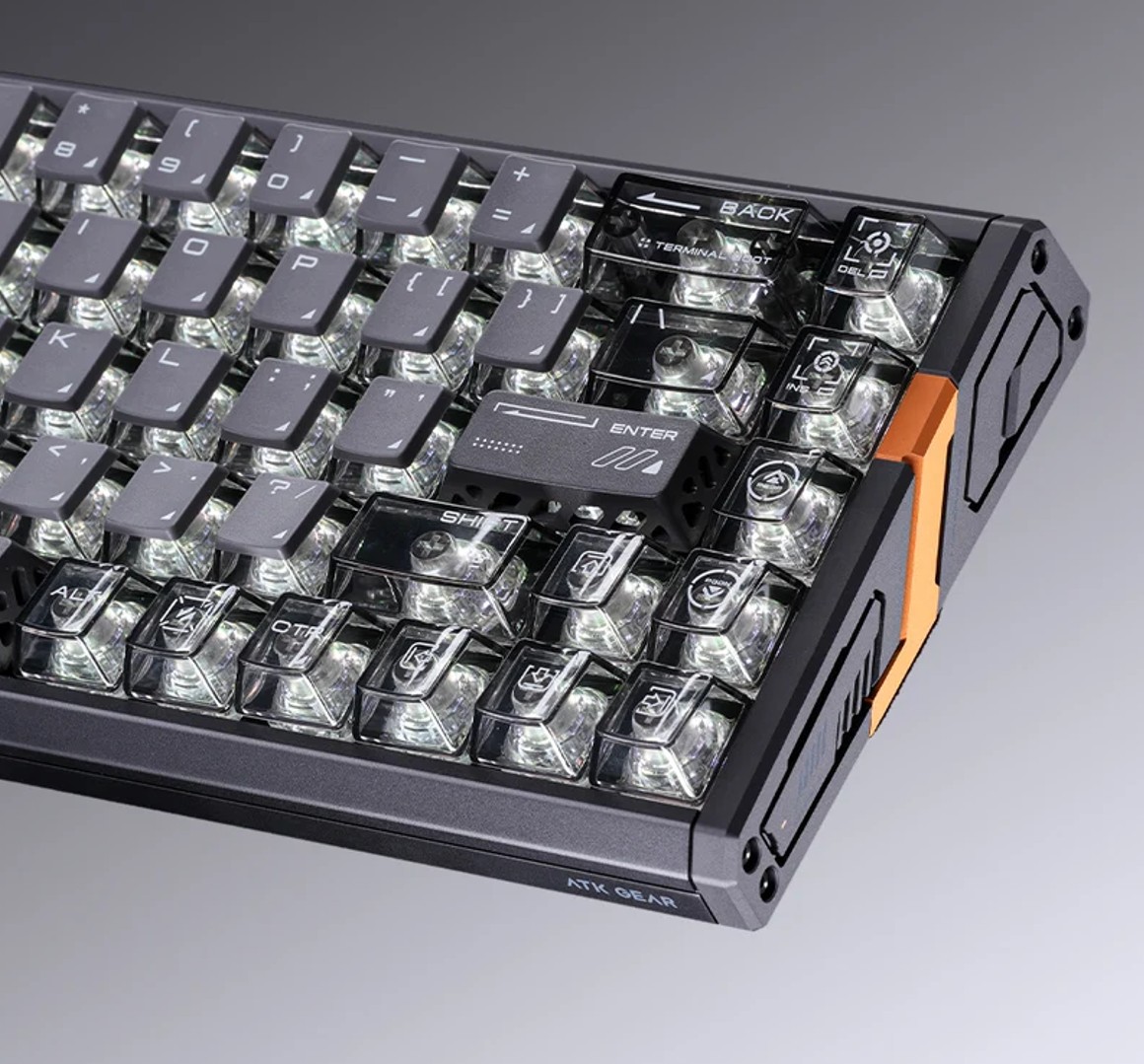
Beyond raw performance specifications, ATK has paid meticulous attention to the physical construction, aesthetic appeal, and acoustic profile of the RS6 V2. The chassis is machined from high-grade aluminum, finished with a sophisticated sandblasted texture that not only imparts a premium look and feel but also provides structural rigidity and prevents flex during aggressive typing or gaming sessions.
To cater to diverse user preferences regarding desktop aesthetics, ATK is offering the RS6 V2 in three distinct colorways: Burgundy Red, Meteorite Gray, and Moonlight Silver. Each variant is designed to complement modern minimalistic or RGB-heavy desktop configurations seamlessly.
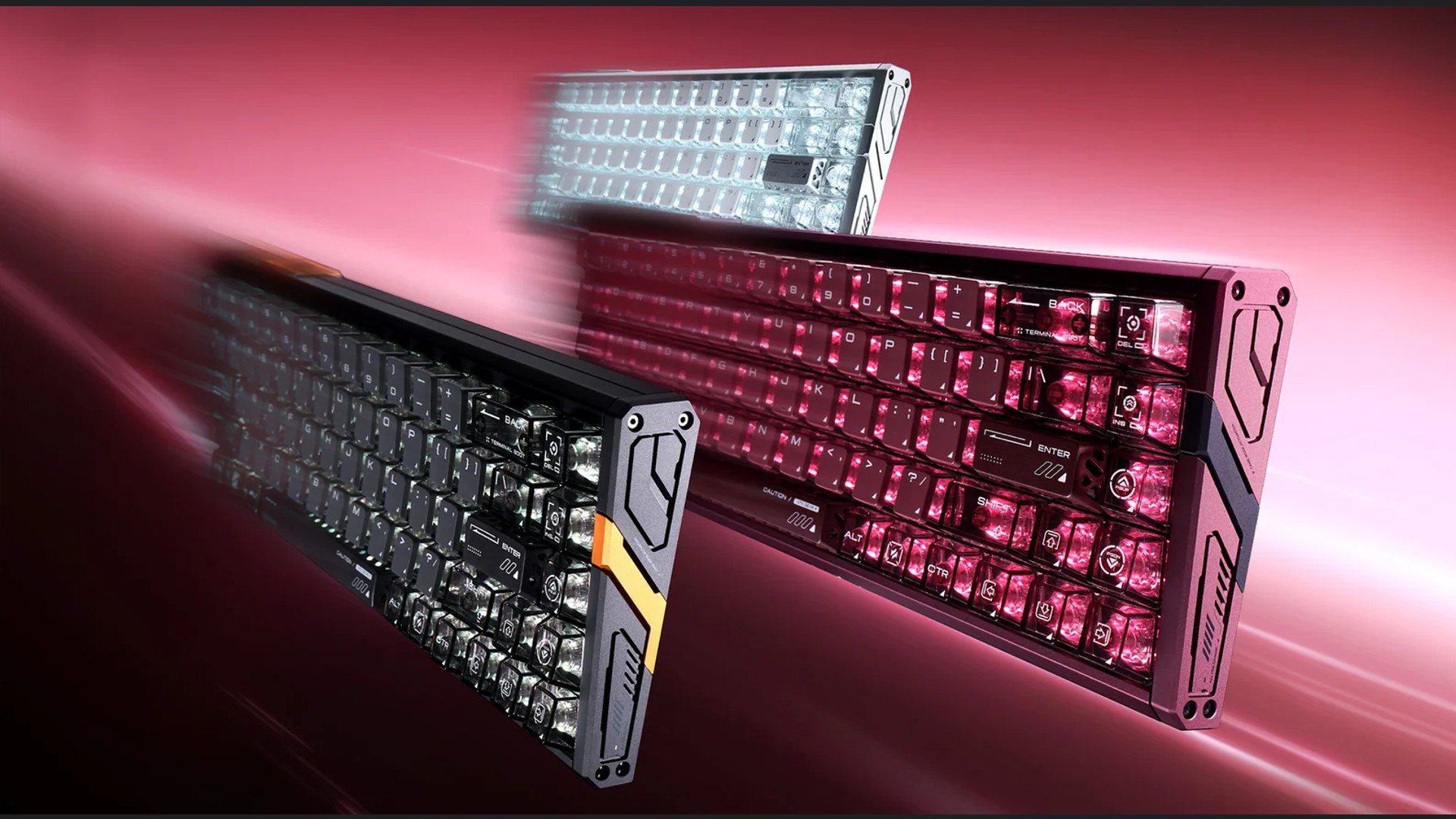
Illumination is another area where the RS6 V2 introduces notable innovations. The Halo switches feature a transparent housing with an integrated light-guiding element. Uniquely, each key position is equipped with dual independent LED lighting zones. This dual-LED configuration allows RGB illumination to be directed toward both the upper profile and the side profiles of the keycaps, ensuring vibrant and uniform lighting distribution regardless of the keycap profile or legend transparency style chosen by the user.
Acoustics and typing comfort have also been prioritized through a sophisticated internal architecture. The keyboard employs a modern gasket-mounted structural design, which isolates the internal plate from the outer aluminum case using elastomeric dampeners. This mounting style is further enhanced by a comprehensive five-layer internal dampening pad system. Together, these layers absorb high-pitched pinging noises, eliminate unwanted case resonance, and deliver a creamy, satisfying acoustic profile accompanied by a cushioned, fatigue-reducing typing experience.
Background Context and Market Positioning
The launch of the ATK RS6 V2 arrives at a pivotal juncture in the evolution of computer peripherals. Over the past twenty-four months, Hall Effect keyboards have transitioned from ultra-expensive, niche boutique products into mainstream contenders. Brands ranging from traditional gaming giants like Razer and SteelSeries to boutique manufacturers such as Wooting and DrunkDeer have flooded the market with magnetic switch offerings, educating consumers on the competitive advantages of Rapid Trigger technology.
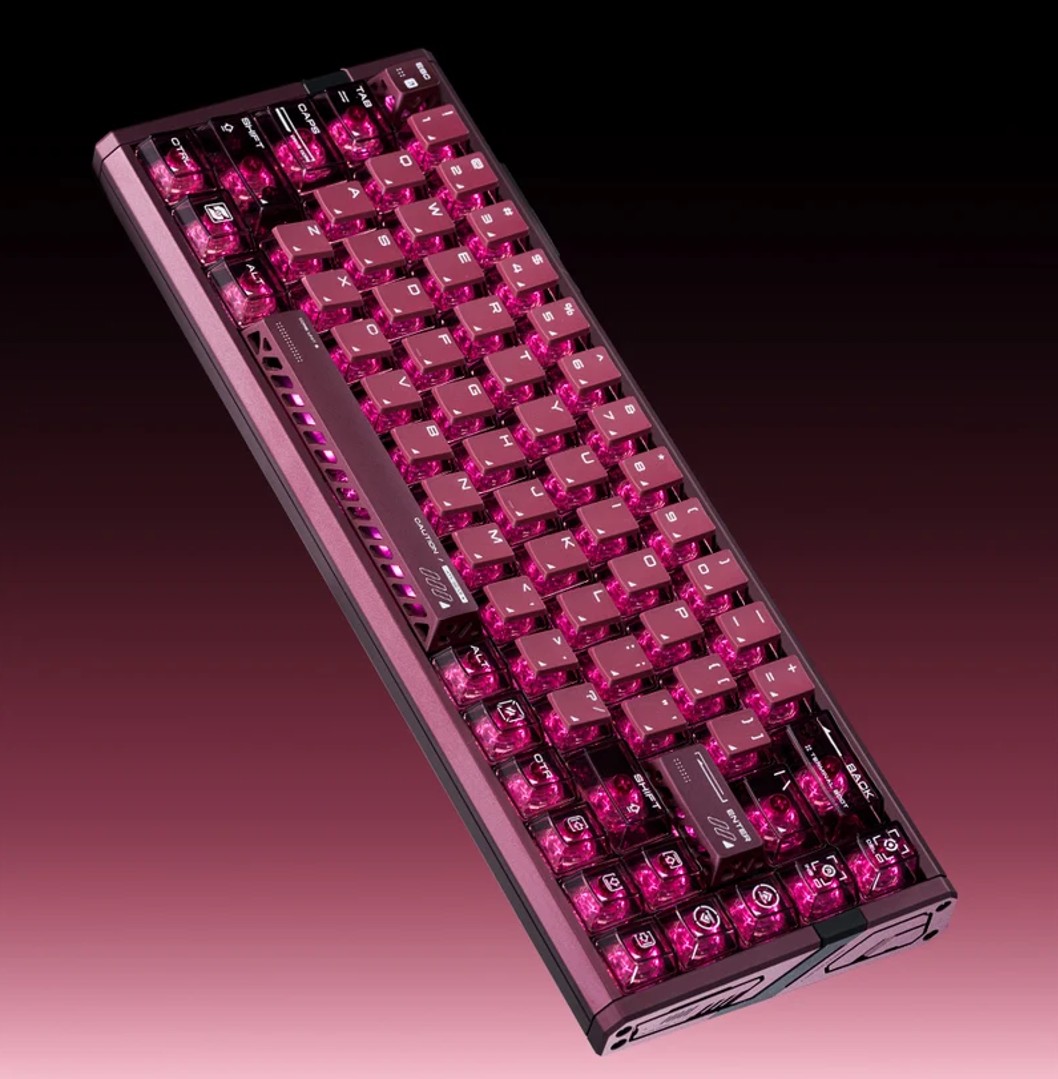
However, many early-generation HE keyboards faced criticism for utilitarian plastic builds, hollow acoustics, or sub-par software implementation. ATK has positioned the RS6 V2 to directly address these pain points by offering an all-aluminum chassis, sophisticated acoustic engineering, and elite performance metrics at a highly competitive price point. By bridging the gap between high-end custom mechanical keyboard characteristics and bleeding-edge esports performance, ATK aims to capture market share from both traditional gaming brands and enthusiast boutique labels.
Pricing, Availability, and Industry Implications
The ATK RS6 V2 officially launched with a promotional retail price of US$109.98, representing a notable discount from its standard MSRP of US$139.98. The product is currently available for purchase through authorized online storefronts, with global shipping options—including direct distribution channels to regions such as Indonesia—making it widely accessible to international consumers seeking performance upgrades.
The broader implications of the RS6 V2’s market entry point toward an accelerating democratization of elite gaming hardware. As manufacturing efficiencies improve, features previously restricted to specialized, high-cost custom builds—such as 8,000Hz polling rates, 0.001mm rapid trigger increments, multi-layer gasket mounting, and CNC-machined aluminum bodies—are becoming standard expectations for mid-tier peripherals.
Industry analysts observe that this intense competition ultimately benefits the end consumer, driving down the cost of technological innovation while raising baseline quality standards across the board. As esports athletes and competitive ladder climbers increasingly demand zero-latency hardware to gain marginal advantages, products like the ATK RS6 V2 illustrate that exceptional performance no longer requires a prohibitive financial investment. Whether this aggressive feature set will permanently alter consumer expectations away from wireless connectivity in favor of raw wired polling speeds remains a central question for the peripheral market as it moves forward.