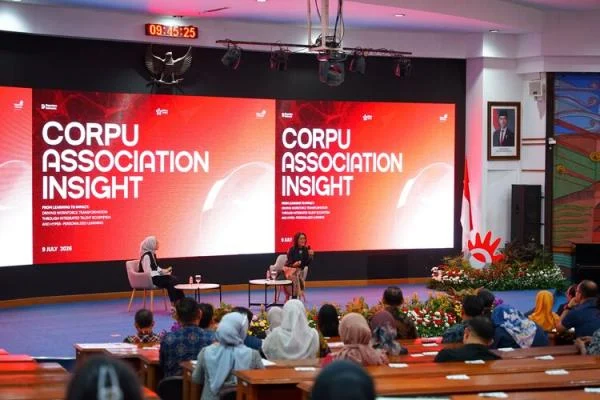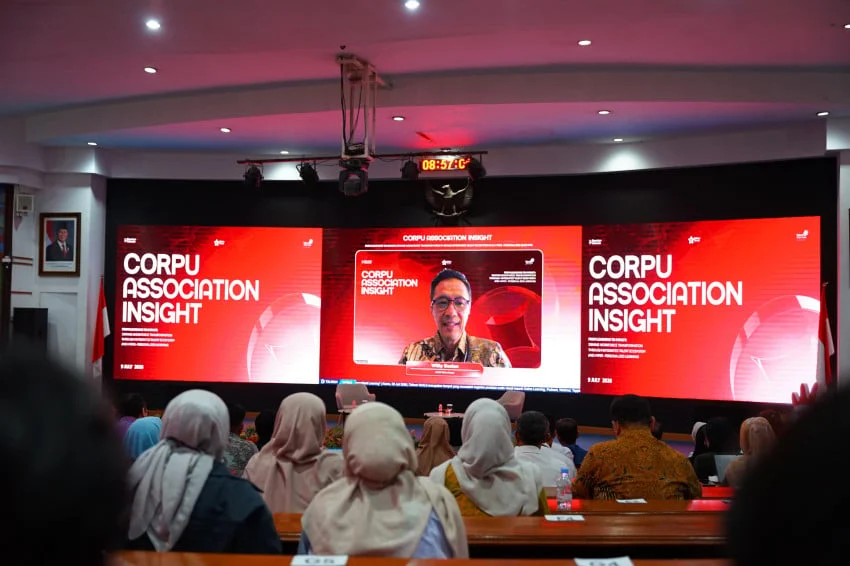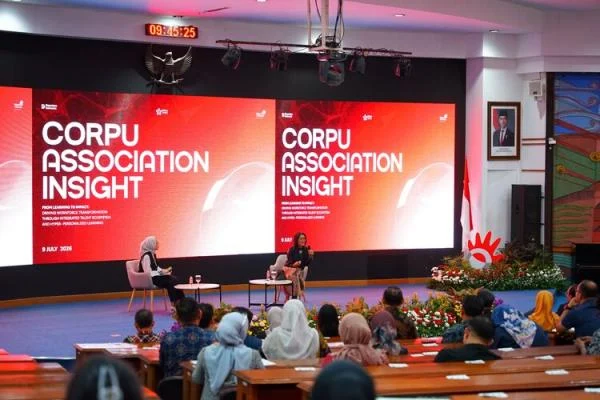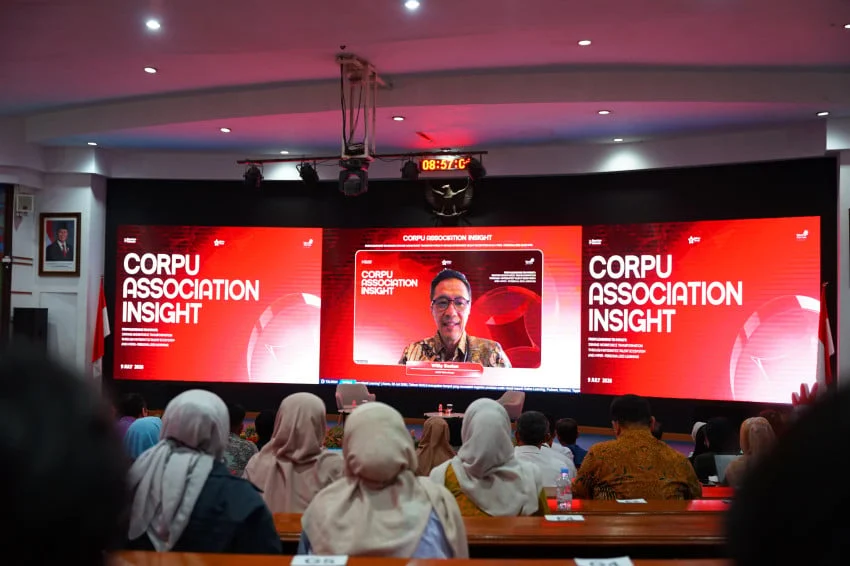
BANDUNG, Indonesia – In a significant move to address the evolving demands of the digital era and the burgeoning influence of Artificial Intelligence (AI), PT Telkom Indonesia (Persero) Tbk, through its Corporate University (Telkom CorpU), convened a pivotal forum titled "From Learning to Impact: Driving Workforce Transformation through Integrated Talent Ecosystem and Hyper-Personalized Learning." The event, held virtually on Thursday, July 9th, 2023, brought together human resource practitioners, corporate university leaders, and talent development managers from across various organizations to foster collaboration and share best practices.
The forum was strategically designed as a platform for knowledge exchange and innovation, aiming to equip organizations with robust strategies for human resource development that can swiftly adapt to the dynamic needs of the business landscape. Telkom CorpU’s initiative underscores a commitment to fostering talent development that not only focuses on traditional learning but also demonstrably contributes to enhanced talent capabilities and improved organizational performance.
The Imperative of Agile Talent in a Digital Age
The keynote address, delivered by Willy Saelan, Director of Human Capital Management at Telkom, underscored the critical link between business transformation and the availability of adaptable talent. "In the era of digital transformation and AI, organizations require agile talent that is ready to embrace change," Saelan stated. He emphasized that the seamless integration of learning, talent management, and career development within a unified ecosystem is paramount. This integrated approach, he explained, is essential for accelerating capability development, enhancing talent readiness, and ultimately delivering tangible impacts on the achievement of strategic business objectives.
This sentiment resonates strongly within the current global economic climate. A recent report by the World Economic Forum in 2022 highlighted that by 2025, 85 million jobs may be displaced by a shift in the division of labor between humans and machines, while 97 million new roles may emerge. This stark reality necessitates a proactive and strategic approach to workforce development, a challenge that Telkom CorpU aims to tackle head-on. The rapid advancements in AI, machine learning, and automation are fundamentally reshaping industries, demanding that employees acquire new skills and competencies at an unprecedented pace. Organizations that fail to invest in such continuous upskilling and reskilling initiatives risk falling behind, facing talent shortages, and ultimately, compromising their competitive edge.
Telkom CorpU’s Strategic Role in Organizational Transformation
M. Subhan Iswahyudi, Senior General Manager of Telkom Corporate University, further elaborated on the increasingly strategic position of Corporate Universities in supporting organizational transformation. He noted that in today’s fast-paced business environment, Corporate Universities are no longer merely training centers but are evolving into integral hubs for strategic talent development and innovation. Their role extends to anticipating future skill needs, designing bespoke learning pathways, and fostering a culture of continuous learning that permeates the entire organization.
The "CorpU Association Insight" forum itself represents a chronological progression in Telkom’s commitment to leadership in talent development. The concept of corporate universities has been gaining traction globally over the past two decades, evolving from traditional training departments to sophisticated learning and development institutions. Telkom CorpU’s proactive engagement in organizing such a forum demonstrates a forward-thinking approach, recognizing the need for collective intelligence and shared experiences to navigate complex HR challenges. The event, held on July 9th, 2023, was not an isolated occurrence but rather a continuation of Telkom’s ongoing efforts to champion best practices in human capital management.
Building an Integrated Talent Ecosystem
The core of the forum’s discussion revolved around the concept of an "integrated talent ecosystem." This ecosystem is envisioned as a holistic framework that connects various aspects of talent management, including recruitment, learning and development, performance management, career pathing, and succession planning. The aim is to create a seamless experience for employees, enabling them to continuously learn, grow, and contribute to the organization’s success.
Within this ecosystem, the concept of "hyper-personalized learning" emerged as a key differentiator. This approach moves beyond one-size-fits-all training programs to tailor learning experiences to the individual needs, learning styles, and career aspirations of each employee. Leveraging data analytics and AI-powered learning platforms, hyper-personalized learning can identify skill gaps, recommend relevant courses, and provide customized feedback, thereby maximizing learning effectiveness and engagement.
For instance, a financial analyst who needs to develop expertise in data visualization might receive a personalized learning path that includes online courses, interactive simulations, and access to industry experts, all curated based on their current skill set and career goals. This contrasts sharply with traditional training where all employees in a department might attend the same generic workshop, regardless of their individual proficiency or specific needs.
Supporting Data and Emerging Trends
The urgency for such initiatives is further substantiated by various industry reports. A study by LinkedIn revealed that the shelf-life of a learned skill is rapidly declining, with some technical skills becoming obsolete in as little as five years. This necessitates a paradigm shift from static skill acquisition to continuous learning and adaptation. Furthermore, research by Deloitte indicates that organizations with a strong focus on employee development and learning experience higher levels of employee engagement and retention.
The forum also delved into the practical implications of these trends for organizations. Discussions likely touched upon the implementation of digital learning platforms, the role of AI in talent analytics, and the importance of fostering a learning culture where continuous development is not just encouraged but is embedded in the organizational DNA. The challenges in implementing such integrated ecosystems are also acknowledged, including the need for significant investment in technology, the development of new HR competencies, and the cultural shift required to embrace agile learning methodologies.
Reactions and Broader Implications
While direct quotes from other participating organizations were not provided in the initial information, it can be logically inferred that the forum’s discussions would have been met with keen interest and active participation from attendees. HR leaders from other large corporations, particularly those undergoing digital transformation, would have found significant value in Telkom’s insights and strategies. Potential reactions could include a shared recognition of the challenges, an exchange of ideas on overcoming implementation hurdles, and perhaps even the formation of future collaborative initiatives.
The broader implications of Telkom CorpU’s efforts extend beyond the immediate organizational benefits. By championing these advanced approaches to talent development, Telkom Indonesia is contributing to the national agenda of building a digitally skilled workforce, crucial for the country’s economic competitiveness in the global arena. The successful implementation of integrated talent ecosystems and hyper-personalized learning within a leading state-owned enterprise like Telkom can serve as a powerful case study and a catalyst for similar initiatives across other sectors in Indonesia. This proactive stance positions Indonesia to better navigate the complexities of the Fourth Industrial Revolution, ensuring its workforce is equipped not just for current jobs, but for the jobs of the future. The emphasis on "learning to impact" signifies a move towards a more results-oriented approach to HR, where investments in human capital are directly linked to tangible business outcomes and strategic growth.