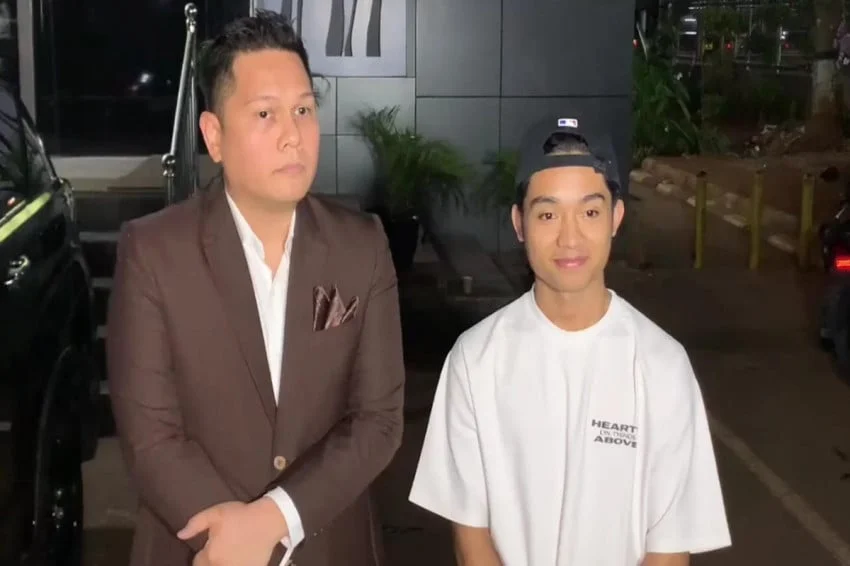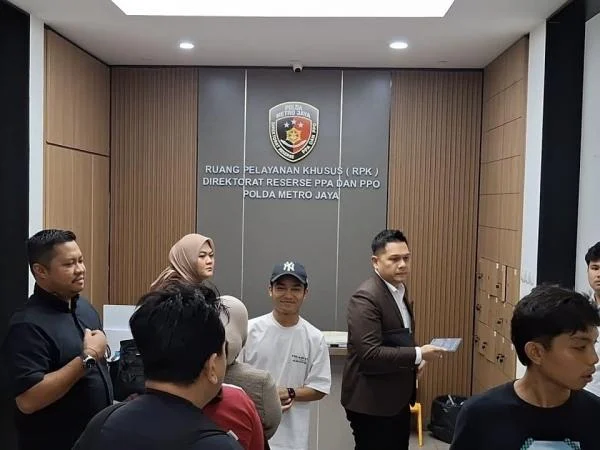
The intricate web surrounding high-profile entertainment figures in Indonesia deepened on Monday, September 21, 2026, when young artist Betrand Peto arrived at the Jakarta Metropolitan Police headquarters, known locally as Polda Metro Jaya. The prominent singer and adopted son of celebrity power couple Ruben Onsu and Sarwendah presented himself to investigators to fulfill a summons regarding an ongoing criminal investigation. Rather than arriving as a suspect or a defendant, Peto stepped into the corridors of the law enforcement facility in the capacity of a key witness.
The legal proceedings center around a controversial alleged assault case involving another prominent industry figure, Winda Hatami Aghdan—widely recognized in the entertainment sphere as Bebby Hatami. The case has quickly escalated from a localized interpersonal dispute into a major media spectacle, drawing intense public scrutiny due to the celebrity status of the individuals involved. As the legal battle unfolds, investigative authorities are carefully untangling a complex series of events that have reportedly expanded beyond the initial physical altercation to include digital harassment, intimidation, and severe privacy violations.
The Chronology of Events and the Core Allegations
The legal entanglements began in mid-September 2026, anchoring around an incident that allegedly transpired on September 14, 2026. According to police records and statements from legal representatives, the core dispute involves Bebby Hatami and a female complainant identified by the initials DYP. Specific details regarding the exact nature of the confrontation remain under tight wrap by law enforcement officials to protect the integrity of the ongoing investigation, yet court filings and preliminary police reports categorize the incident under allegations of assault and physical battery.
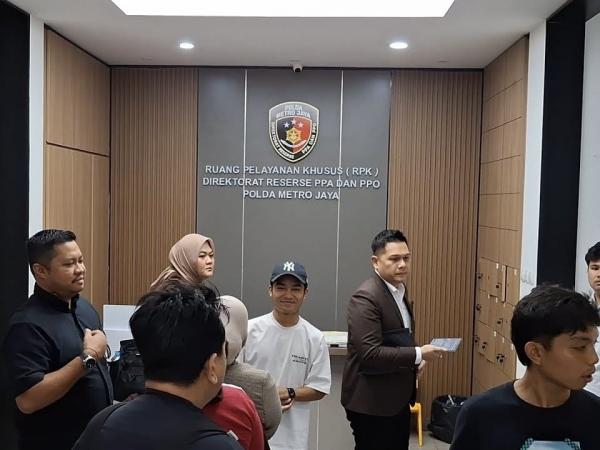
Betrand Peto’s presence at the Directorate of Women and Children Protection (Renakta / PPA) of Polda Metro Jaya on September 21 is believed to stem from his proximity to the individuals involved at the time the incident occurred. Investigators have not disclosed whether Peto was a direct eyewitness to the physical altercation or if his testimony pertains to events leading up to and immediately following the alleged crime. However, legal experts note that witness testimonies from individuals within the same social circles are critical in establishing the sequence of events, verifying alibis, and determining the extent of culpability for all parties named in the police report.
Escalating Tensions: Terorism, Doxing, and Potential New Charges
While the primary investigation focuses on the alleged assault involving Bebby Hatami and DYP, the fallout has birthed secondary legal battles that threaten to draw in additional figures. In the days leading up to Peto’s scheduled police examination, legal counsel representing the victim, DYP, publicly raised alarms regarding severe online harassment directed at their client.
Reports surfaced indicating that the complainant has been subjected to relentless waves of digital intimidation, commonly referred to as "teror," alongside coordinated doxing campaigns—the intentional public dissemination of private personal data, including residential addresses, phone numbers, and private communication logs. These privacy breaches have reportedly created a hostile and threatening environment for the complainant, prompting legal teams to weigh formal supplementary charges.
Law enforcement agencies take doxing and digital harassment exceptionally seriously under Indonesia’s Electronic Information and Transactions (ITE) Law. If the legal representatives of DYP formally move forward with additional police reports regarding the alleged teror and doxing, the scope of the investigation will inevitably widen. This could compel authorities to subpoena additional witnesses, examine digital footprints, and trace the origins of social media accounts orchestrating the online attacks against the complainant.

Official Statements from Law Enforcement
Confirming the high-profile summons, Kasubbid Penmas Bidhumas Polda Metro Jaya, AKBP Onkoseno Grandiarso Sukahar, addressed the media regarding Betrand Peto’s appearance at the precinct. In his official briefing, Sukahar verified that the young artist complied fully with the police summons, arriving alongside his appointed legal counsel to provide testimony.
"We can confirm that the individual in question, BP, was present at the Polda Metro Jaya headquarters today to fulfill an investigative interview as a witness," Sukahar stated during a media briefing at the police complex. "His presence is requested to assist investigators in clarifying several points regarding the ongoing case registered under the report involving Winda Hatami Aghdan. Our investigators are currently gathering all necessary statements to establish a clear factual baseline before determining the next procedural steps."
Sukahar emphasized that because the investigation remains at an active stage, specific details regarding Peto’s testimony cannot be made public to safeguard the judicial process. He reiterated that the Jakarta Metropolitan Police are committed to handling the case impartially, irrespective of the public profiles or celebrity status of the individuals involved.
Broader Impact and Implications for Public Figures

The involvement of Betrand Peto and Bebby Hatami in a criminal investigation highlights the precarious nature of public life in the digital age. For young artists navigating the Indonesian entertainment industry, personal disputes carry immense collateral damage, amplified exponentially by social media algorithms and hyper-engaged fanbases.
Public relations and legal analysts point out that celebrity-adjacent legal cases often suffer from "trial by social media," where public opinion is formed long before judges issue a formal verdict. In this case, the alleged doxing and online harassment of the complainant underscore the toxic parasocial dynamics that frequently emerge when fan communities take sides in personal altercations between public figures. The potential for new legal actions regarding doxing serves as a stark reminder that online behavior has tangible legal consequences, and digital vigilantes can inadvertently implicate the very artists they seek to defend.
As the investigation progresses, the legal teams for both the complainant and the defense are expected to submit further evidence, digital forensics, and corroborating witness statements. Whether the case will proceed to formal indictments or be resolved through mediation remains to be seen. For now, Betrand Peto’s cooperation as a witness marks a crucial procedural milestone in an unfolding legal saga that continues to captivate the Indonesian public and media landscape.