The political landscape of Indonesia experienced a significant shift on Thursday, November 12, 2026, as Gibran Rakabuming Raka officially submitted his resignation letter as the Vice President of the Republic of Indonesia. The submission of this formal document took place at the Vice Presidential Palace in Jakarta, marking a historic and unexpected conclusion to his tenure. While the atmosphere inside the administrative chambers was heavy with the weight of constitutional transition, the exterior grounds of the palace witnessed a starkly different scene: a vibrant, bustling culinary festival that served as a backdrop to the unfolding political drama.
The Chronology of an Unexpected Resignation
The resignation of a Vice President is a rare event in Indonesian history, triggering immediate administrative and political protocols. The sequence of events on November 12 began early in the morning, with heightened security protocols observed around the perimeter of the Vice Presidential Palace. By midday, reports confirmed that Gibran Rakabuming Raka had met with relevant authorities to tender his resignation.
As news of the resignation broke, the focus of the media and the public shifted toward the Indonesian House of Representatives (DPR) and the People’s Consultative Assembly (MPR). By early afternoon, it was confirmed that the MPR had scheduled an urgent joint meeting for the following day to deliberate on the legal and procedural implications of the vacancy. The speed with which these meetings were organized underscored the constitutional necessity of maintaining stability within the executive branch.
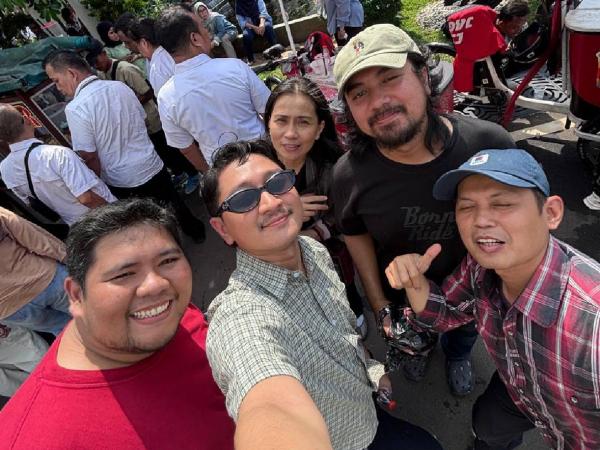
A Study in Contrasts: The Palace Culinary Festival
In a striking juxtaposition to the gravity of the resignation, the grounds of the Vice Presidential Palace hosted a large-scale culinary gathering. The event featured a wide array of traditional Indonesian delicacies, including mi ayam (chicken noodles), bakso (meatballs), batagor (fried fish dumplings), nasi goreng (fried rice), and rujak buah (fruit salad with spicy palm sugar sauce). Beverage stations offered local favorites such as Solo-style tea and various Indonesian coffees.
The presence of this culinary festival—often organized during state-related functions to showcase local enterprises—created a surreal visual narrative. While political aides and security personnel navigated the halls to manage the fallout of the resignation, visitors and staff on the palace grounds were seen enjoying freshly prepared street food.
The logistical quality of the event was notable; vendors prepared dishes such as mi ayam directly from boiling pots, ensuring they were served steaming hot. Similarly, the batagor was fried on-site, providing the crisp texture characteristic of fresh, high-quality street food. This attention to detail in the culinary display provided a momentary distraction from the political uncertainty that gripped the nation.
Legal and Constitutional Implications
The resignation of a Vice President in Indonesia is governed by the 1945 Constitution and Law Number 7 of 2017 concerning General Elections. Article 8, paragraph 2 of the 1945 Constitution stipulates that in the event of a vacancy in the Vice Presidency, the President must propose two candidates to the MPR within 60 days. The MPR is then tasked with electing a new Vice President within seven days from the date of the vacancy.

Legal experts have noted that the timing of Gibran’s resignation presents a significant challenge for the ruling coalition. With the MPR calling for a joint meeting immediately, the legislative branch is signaling a need for a swift, orderly transition to prevent a power vacuum. The role of the MPR is critical here, as they serve as the ultimate authority in confirming the new candidate once the President submits their choices.
Reactions from Political Stakeholders
The atmosphere among the volunteer groups gathered at the palace was one of mixed emotions. Some were seen singing patriotic songs such as "Padamu Negeri," a gesture that reflected a deep sense of loyalty to the outgoing Vice President. These supporters, many of whom have been part of Gibran’s political base since his time as Mayor of Solo, appeared to be processing the sudden change in leadership.
Political analysts suggest that the resignation could have far-reaching effects on the coalition’s stability. Opposition figures have called for transparency regarding the reasons behind the departure, citing the need for public trust. Conversely, government spokespeople have maintained that the resignation is a private decision and that the state apparatus is fully prepared to manage the transition according to existing legal frameworks.
The Socio-Economic Context of the Culinary Showcase
While the culinary festival may have appeared incidental, such events are often used in Indonesian statecraft to emphasize domestic economic resilience. By featuring local staples like nasi goreng and Solo tea, the palace underscored a commitment to supporting micro, small, and medium enterprises (MSMEs).

Economically, the resilience of the food and beverage sector remains a pillar of Indonesia’s domestic consumption. Despite the political volatility of the day, the efficiency of the vendors at the palace served as a symbolic reminder of the continuity of daily life for the Indonesian people, regardless of shifts in the highest echelons of government.
The Path Forward: Stability and Succession
As the nation waits for the results of the MPR’s joint meeting, the focus remains on the identification of a successor. The candidate for Vice President must possess the confidence of the President while also being acceptable to the diverse coalition within the DPR.
The resignation, while sudden, has prompted a reaffirmation of the country’s democratic institutions. The adherence to the constitutional timeline—with the MPR taking the lead within 24 hours of the resignation—demonstrates the robustness of Indonesia’s governance structure.
Conclusion: A Historic Transition
The events of November 12, 2026, will be remembered for the intersection of high-stakes politics and the everyday normalcy of a culinary exhibition at the heart of state power. As Gibran Rakabuming Raka steps down, the nation enters a period of intense political deliberation. The coming days will be defined by the selection of a new Vice President and the public discourse surrounding the future of the current administration.
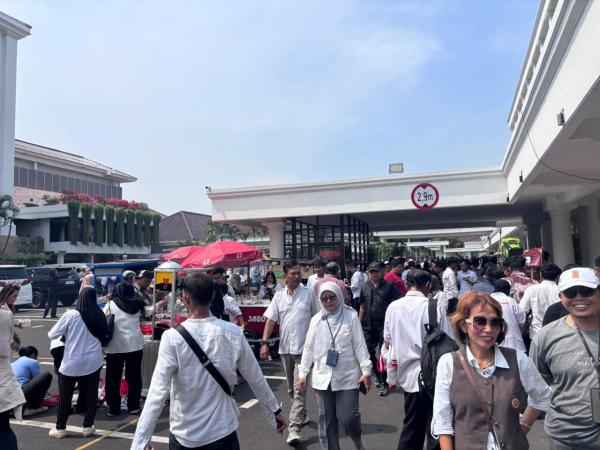
For the observers on the ground, the sight of fresh bakso being served while the fate of the nation’s leadership was being decided in the nearby chambers provided a poignant reminder of the complexities of modern governance. As the political process moves into the halls of the MPR, the Indonesian public remains watchful, expecting a transition that is not only legal but one that preserves the stability of the state.
The dual nature of the day—the resignation on one side and the public culinary gathering on the other—highlights the ongoing tension between the elite political sphere and the broader national landscape. Regardless of the political outcome, the institutional mechanisms of the Republic have been activated, ensuring that the process of succession follows the rule of law. The coming weeks will undoubtedly provide further clarity on the political trajectory of the country as the government prepares for its next chapter.