
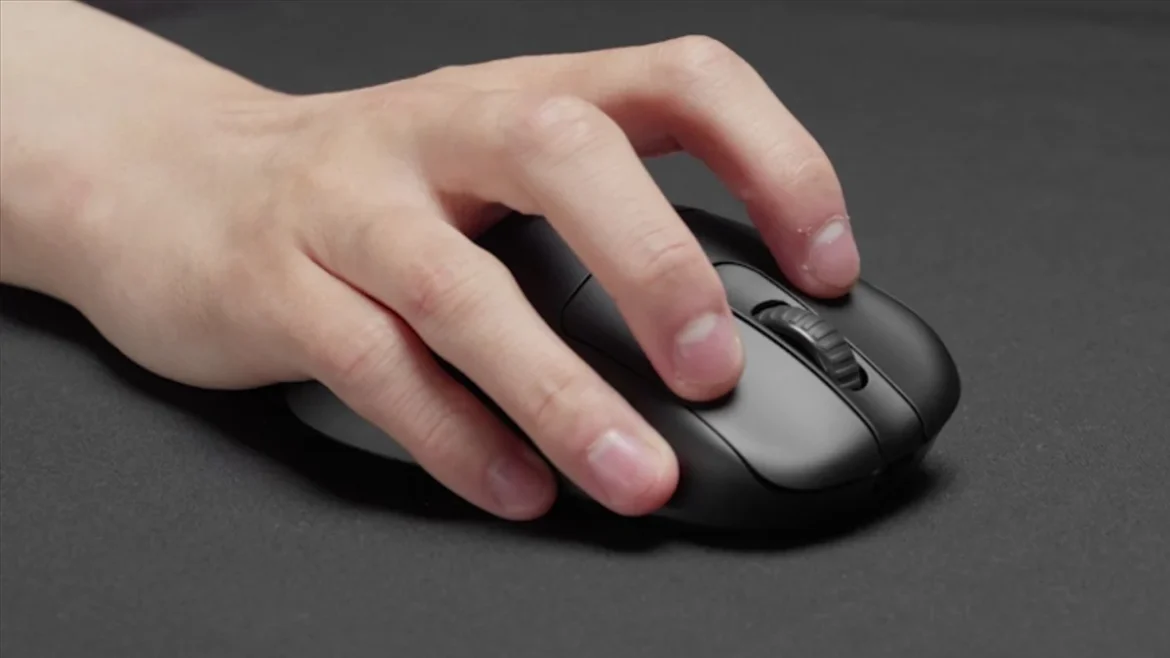
Zowie, the dedicated esports gaming brand under BenQ, has officially announced a massive expansion of its wireless peripheral ecosystem with the introduction of the EW Version series. Unveiled through an official press release on its global corporate website, the new lineup comprises six distinct mouse models engineered specifically for high-level competitive gaming. Rather than overhauling the iconic physical silhouettes that have made Zowie a staple in professional tournament settings for over a decade, the brand has chosen a targeted refinement strategy. The EW Version series focuses on elevating internal hardware responsiveness, optimizing connectivity, improving tactile click consistency, and introducing a groundbreaking display-equipped receiver dock designed to streamline hardware customization without requiring resource-heavy background software.
Main Facts of the EW Version Lineup
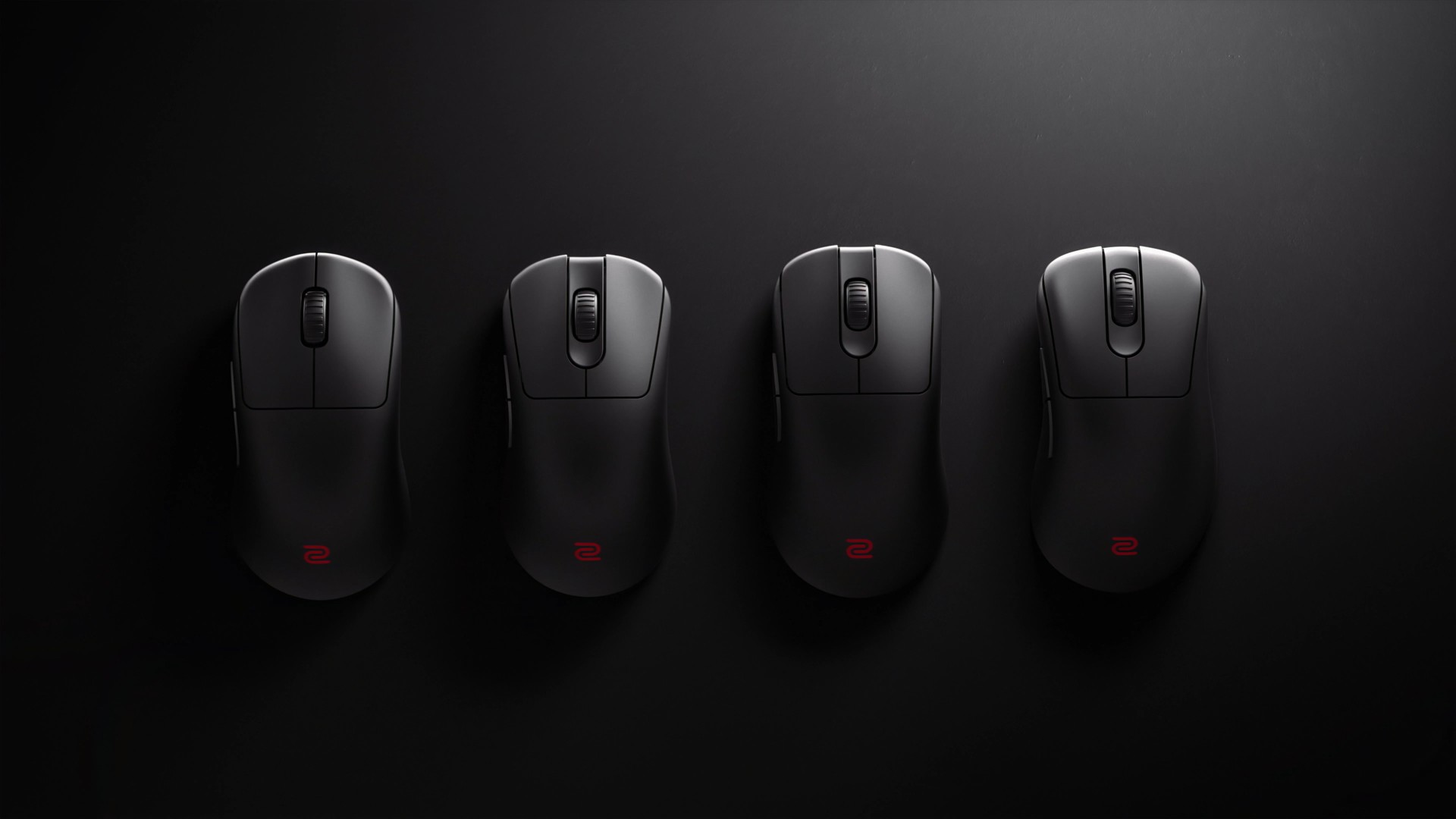
The newly introduced EW Version portfolio includes six models spanning four of Zowie’s most recognizable ergonomic and symmetrical design families: the EC series (EC1-EW, EC2-EW, and EC3-EW), the FK series (FK2-EW), the ZA series (ZA13-EW), and the modern U2 series (U2-EW). Every mouse within this new ecosystem is priced uniformly at $169,99 USD, placing them firmly in the premium tier of competitive gaming peripherals.
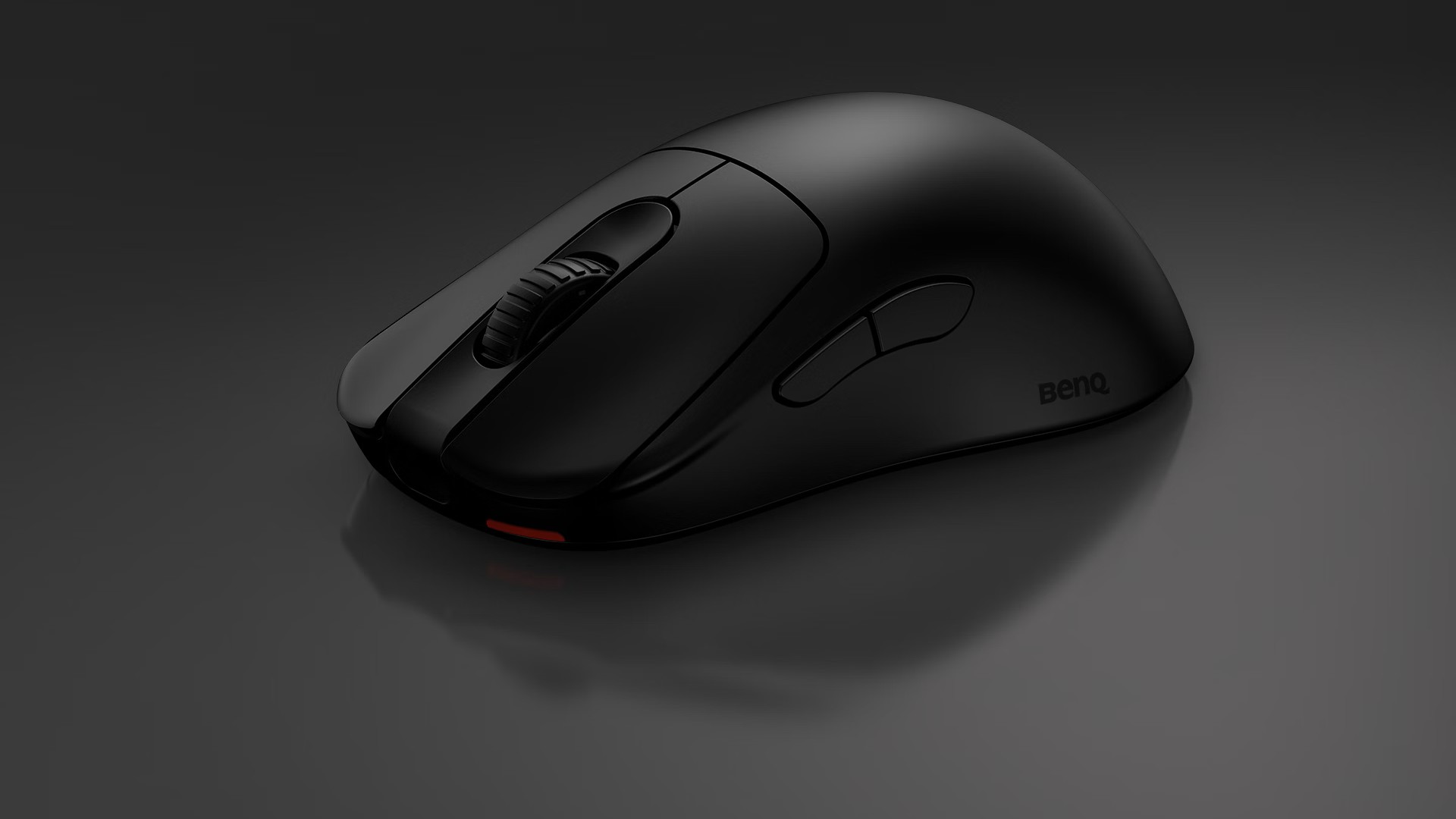
The standout mechanical feature of the EW Version launch is the inclusion of an upgraded Enhanced Receiver. This hardware component serves a triple purpose: acting as a high-fidelity wireless signal receiver, functioning as a physical magnetic charging dock, and—most notably—housing an integrated digital display screen. This display allows users to adjust core performance parameters directly from the physical dock. Competitive players can tweak settings such as DPI steps, polling rates up to an ultra-responsive 8,000 Hz, and lift-off distance (LOD) instantly, eliminating the need to install intrusive, memory-hogging utility software on their primary gaming rigs.
In addition to the display receiver, Zowie has integrated several subtle yet impactful mechanical updates. The mice feature the newly developed "Rhythm Click" architecture, engineered to provide tactile feedback consistency across rapid-fire inputs. Furthermore, a proprietary "Dry-Touch" exterior coating has been applied to the chassis to resist sweat, minimize unsightly fingerprint smudges, and maintain a secure, slip-resistant grip during intense, high-stakes matches. For players who prefer software-based profiles, an optional Auto Game Mode has been introduced to dynamically apply optimized presets based on the specific game currently running.
Background and Context in the Esports Peripheral Market
To understand the strategic significance of the EW Version launch, one must examine the evolution of the competitive gaming peripheral market over the past several years. Zowie has long cultivated a reputation as a purveyor of utilitarian, performance-first hardware. While competitor brands flooded the market with lightweight honeycomb shells, flashy RGB lighting, and complex companion software, Zowie maintained a steadfast philosophy centered on ergonomic purity and plug-and-play reliability. Professional counter-strike and tactical shooter athletes frequently favored Zowie mice precisely because they could be connected to tournament-restricted PCs without the hassle of downloading proprietary drivers.

However, the industry standard for wireless latency and polling rates shifted dramatically. The widespread adoption of 4,000 Hz and 8,000 Hz polling rates transformed wireless gaming mice, reducing input lag to sub-millisecond thresholds that rivaled—and in some cases surpassed—traditional wired connections. While rival manufacturers quickly adopted these high-frequency wireless technologies, Zowie’s previous wireless offerings operated at more conservative polling rates. The introduction of the EW Version series represents a decisive response to this technological shift, signaling that Zowie is willing to embrace cutting-edge performance metrics without compromising its core design principles.
Regional Rollout Timeline and Launch Schedule
The rollout of the six EW Version mice will follow a staggered regional timeline, beginning in the European market. According to Zowie’s official distribution schedule, the initial wave—consisting of the U2-EW, FK2-EW, and EC1-EW—is slated for release in early December. The remaining three models, comprising the EC2-EW, EC3-EW, and ZA13-EW, will follow shortly thereafter in a secondary rollout phase.
As of press time, Zowie and its parent company BenQ have not yet disclosed specific release dates or localized pricing structures for other major global regions, including Southeast Asia, North America, and Latin America. Industry analysts anticipate that regional availability announcements will follow the initial European deployment as manufacturing supply chains scale up to meet anticipated demand from the professional esports community.
Industry Implications and Strategic Analysis
The release of the Zowie EW Version series carries several notable implications for the high-end gaming hardware landscape. First and foremost, the inclusion of an integrated display receiver addresses a long-standing pain point for competitive tournament players. In professional esports environments, players frequently travel to LAN events where installation privileges on competition PCs are strictly restricted by tournament organizers. By shifting hardware configuration controls—such as DPI and polling rate adjustments—directly onto the physical receiver dock, Zowie has created a tournament-friendly solution that allows players to retain granular control over their equipment settings without violating strict competition security protocols.
Furthermore, the implementation of an 8,000 Hz polling rate within the EW ecosystem places Zowie on a level playing field with high-end competitors from brands such as Razer, Logitech G, and Pulsar. For years, critics argued that Zowie’s hesitation to adopt ultra-high polling rates left performance-conscious consumers behind. By closing this technological gap while retaining the beloved shape profiles of the EC, FK, ZA, and U2 series, Zowie has minimized the risk of alienating loyal users who rely on specific ergonomic curvatures for muscle memory.
However, the $169,99 price point places the EW Version firmly in a hyper-competitive market segment where consumer expectations are exceptionally high. At this price, buyers expect flawless build quality, zero-flex chassis construction, and robust battery life—even when operating at power-intensive 8,000 Hz polling frequencies. The long-term success of the EW series will largely depend on how effectively the newly engineered Enhanced Receivers manage battery drain and maintain signal integrity in crowded wireless environments, such as convention centers and professional tournament arenas where RF interference is a constant challenge.
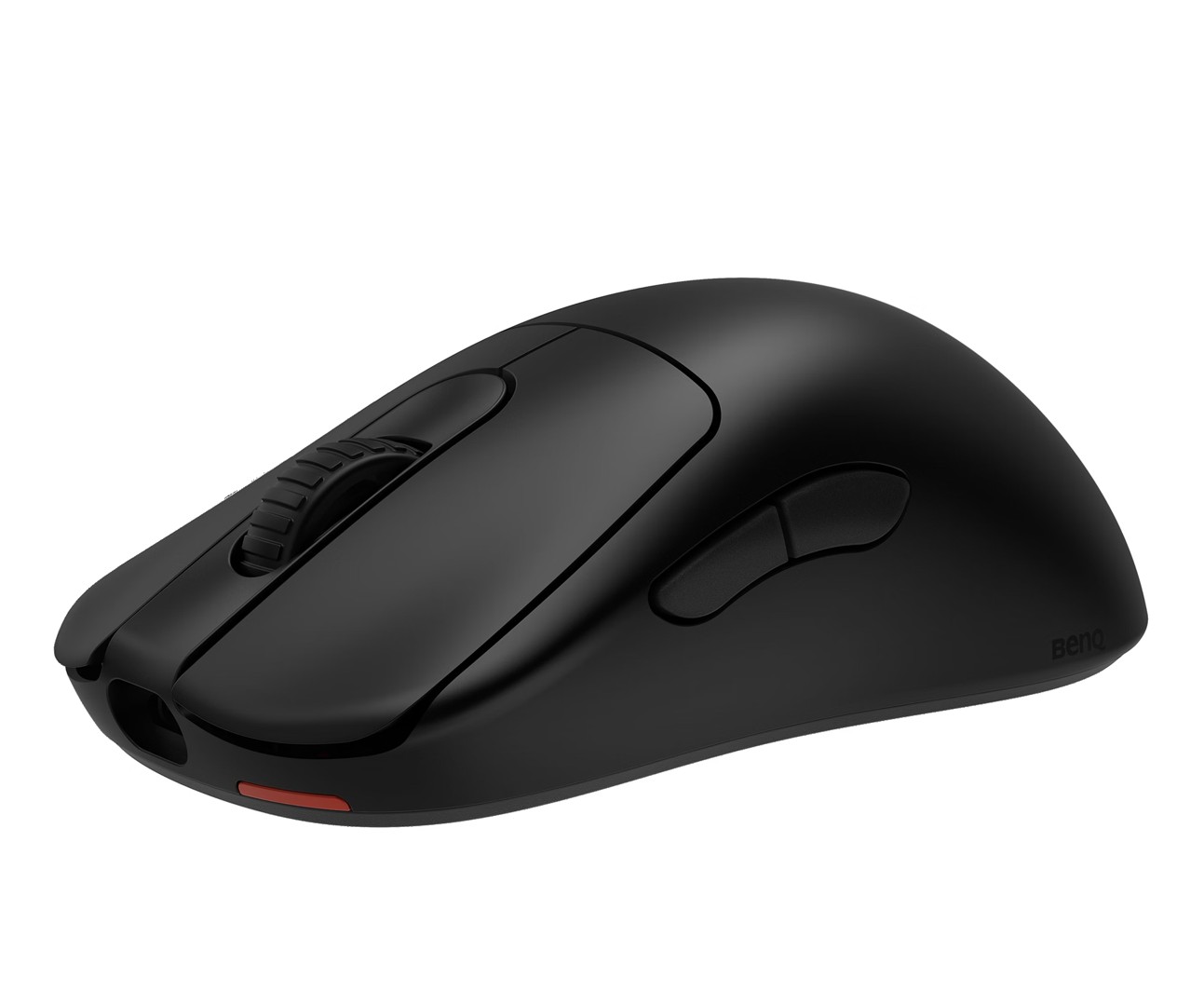
Ultimately, Zowie’s latest hardware expansion demonstrates the brand’s willingness to adapt to modern performance demands while preserving its traditional identity. By focusing on practical innovations like hardware-level receiver controls and refined grip coatings rather than superficial aesthetic changes, Zowie continues to position itself as a trusted equipment provider for competitive gamers who prioritize functionality above all else.
