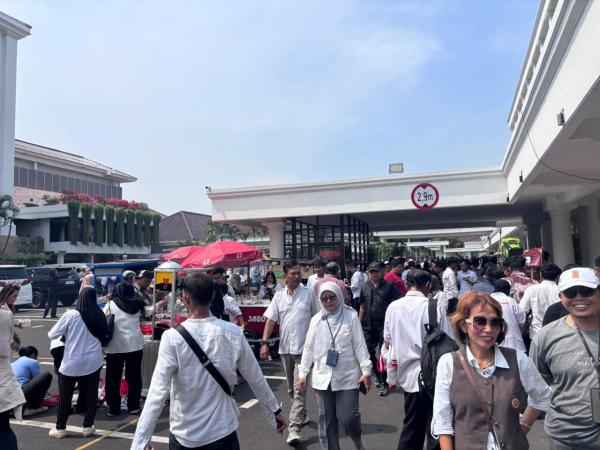
The intersection of personal passion and professional enterprise has long been considered the holy grail of career satisfaction. For millions of individuals worldwide, traveling is not merely a leisure activity or a temporary escape from daily routines, but a fundamental lifestyle choice. In recent years, the global tourism and travel sector has experienced a profound structural evolution, shifting away from rigid, mass-market group tours toward personalized, experiential, and localized journeys. This market transformation has unlocked unprecedented opportunities for passionate travelers to monetize their firsthand experiences, local knowledge, and logistical skills. Establishing a business aligned with travel allows entrepreneurs to merge their personal hobbies with viable commercial ventures, creating pathways to financial independence while remaining deeply connected to the exploration of new destinations.
The modern travel landscape is characterized by a high demand for authenticity. Contemporary tourists, particularly Millennials and Generation Z, increasingly reject cookie-cutter resort packages in favor of immersive, culturally rich experiences. They seek out hidden gems, local culinary traditions, sustainable tourism practices, and off-the-beaten-path adventures that require specialized planning and insider perspectives. This consumer shift has lowered the barrier to entry for independent operators, boutique agencies, and specialized service providers who possess deep, contextual knowledge of specific regions. Whether pursued as a flexible side hustle to supplement primary income or scaled into a full-time enterprise capable of sustaining a household, travel-related business models offer remarkable versatility. Analyzing the core economic drivers, logistical frameworks, and strategic requirements of these ventures reveals clear pathways for aspiring travel entrepreneurs looking to capitalize on the booming tourism economy.
Establishing a Vehicle Rental Agency in Underserved Markets
One of the most pragmatic and economically viable entry points into the travel business ecosystem is the provision of vehicle rental services. While major international car rental conglomerates dominate airports and metropolitan hubs, secondary tourist destinations, rural attractions, and emerging communities often suffer from a severe shortage of reliable transportation options. This market gap presents a substantial opportunity for local entrepreneurs who possess personal motor vehicles or possess the capital to acquire them.

The mechanics of starting a rental service depend heavily on asset ownership. Individuals who already own reliable automobiles, utility vehicles, or motorcycles can leverage these assets directly, transforming personal property into income-generating capital during peak tourist seasons or weekends. Conversely, entrepreneurs without direct vehicle ownership can still participate in this sector by operating as an authorized local agent or intermediary. By partnering with established central rental hubs or fleet owners, local agents can facilitate bookings, manage customer relations, and handle localized vehicle handovers while earning lucrative commissions or margin splits.
Succeeding in the vehicle rental sector requires rigorous attention to risk management, regulatory compliance, and customer service standards. Entrepreneurs must secure comprehensive commercial vehicle insurance to protect against accidents, theft, and liability. Furthermore, maintaining a strict preventive maintenance schedule is paramount; a single mechanical breakdown in a remote tourist destination can severely damage a fledgling brand’s reputation. To maximize profitability, operators often implement dynamic pricing strategies, charging premium rates during peak holiday periods while offering competitive packages for long-term rentals or weekday travelers. By positioning the rental service as a trusted, accessible local resource, entrepreneurs can secure steady, recurring revenue streams from both domestic vacationers and international tourists navigating independent itineraries.
Curating and Managing Niche Tour Packages and Private Itineraries
For entrepreneurs who possess a sophisticated understanding of regional geography, cultural nuances, and emerging tourism trends, the curation and sale of customized tour packages represent a highly lucrative business model. Unlike traditional travel agencies that act merely as ticket brokers, modern boutique tour operators act as experience architects, designing comprehensive, end-to-end itineraries that cater to specific demographic niches—such as adventure seekers, culinary enthusiasts, eco-tourists, or wellness travelers.
The foundation of a successful tour packaging business lies in continuous destination research and relationship building with local vendors, including boutique accommodation providers, independent restaurateurs, adventure activity operators, and cultural guides. Entrepreneurs must identify destinations experiencing a surge in popularity—often amplified by social media platforms—and negotiate group rates or exclusive access that add tangible value for clients. Private trips, in particular, have witnessed exponential growth as travelers prioritize privacy, safety, and personalized pacing.

Operating a tour packaging business demands meticulous logistical coordination. Entrepreneurs must account for every variable, ranging from transportation logistics and weather contingencies to dietary restrictions and emergency medical protocols. Marketing strategies in this sector heavily rely on visual storytelling and digital presence. Showcasing authentic moments, high-resolution imagery of destinations, and genuine customer testimonials through social media channels and targeted digital advertising is essential for building brand credibility and attracting discerning clientele. By offering unique, well-structured itineraries that cannot be replicated by automated booking platforms, boutique tour operators can command healthy profit margins while sharing their passion for discovery with others.
Professional Tour Guiding and Experiential Interpretation
The role of the professional tour guide has evolved dramatically from a passive narrator reading from a standardized script into an essential cultural mediator and experiential facilitator. For individuals with outgoing personalities, deep historical knowledge, and exceptional communication skills, establishing a professional guiding service offers a direct, low-overhead method of monetizing a passion for travel.
A critical competitive advantage in the modern guiding industry is linguistic proficiency. Guides who speak multiple foreign languages—such as Mandarin, English, Spanish, Japanese, or French—are exceptionally well-positioned to capture the lucrative inbound tourism market. International visitors frequently encounter significant language barriers when navigating local transportation, historical sites, and culinary establishments, making a knowledgeable, bilingual guide indispensable. Beyond linguistic skills, specialized expertise in niche fields—such as bird watching, archaeological history, underwater diving, or indigenous art—allows guides to command premium hourly or daily rates.
The economic viability of independent tour guiding is reinforced by the rise of digital platform economies. Modern guides no longer rely solely on physical storefronts or agency employment; instead, they can list their services on global experiential booking platforms, connect directly with international travelers through social media, and build independent personal brands. To thrive in this space, guides must invest in continuous education, staying abreast of historical discoveries, local regulations, and shifting consumer expectations. Delivering an engaging, safe, and deeply informative tour transforms ordinary sightseeing into an unforgettable memory, fostering positive word-of-mouth referrals and repeat business.

Strategic Implications and Economic Outlook for Travel Entrepreneurs
The decision to transition a personal passion for travel into a commercial enterprise requires a careful evaluation of broader macroeconomic trends, digital transformation, and shifting consumer behaviors. The global travel and tourism sector is acutely sensitive to external shocks, including geopolitical shifts, economic recessions, and public health events. Consequently, successful travel entrepreneurs must build resilience into their business models by diversifying their service offerings, maintaining lean operational structures, and establishing robust emergency reserves.
Digital literacy is no longer optional for modern travel businesses. Whether operating a vehicle rental fleet, designing private tour packages, or offering professional guiding services, entrepreneurs must harness digital tools to streamline operations and reach target audiences. Utilizing cloud-based booking systems, maintaining active social media profiles, engaging in search engine optimization, and gathering data-driven consumer insights are critical components of long-term commercial viability. Furthermore, the rising global emphasis on sustainable and responsible tourism demands that modern operators incorporate environmentally conscious practices into their business models—such as minimizing single-use plastics, supporting local economies, and respecting cultural heritage sites.
Ultimately, building a business around the passion for travel offers a unique synthesis of personal fulfillment and professional autonomy. By identifying underserved market niches—whether through localized vehicle rentals, curated experiential packages, or specialized multilingual guiding—passionate travelers can construct sustainable enterprises that meet the evolving demands of the global tourism market. As the industry continues to expand and adapt to new consumer preferences, those who combine operational discipline, deep regional knowledge, and a commitment to exceptional service will find themselves well-positioned for enduring success in the dynamic world of travel entrepreneurship.