
The 2026 cinematic landscape has been marked by a profound shift toward introspective storytelling, a trend epitomized by the release of Voicemails for Isabelle. Starring Zoey Deutch and Nick Robinson, the film delves into the complexities of bereavement, specifically focusing on the aftermath of losing a sibling. It presents a narrative that transcends traditional "tear-jerker" tropes, instead offering a clinical yet compassionate look at how individuals reconstruct their identities when a primary pillar of their support system is removed. As audiences increasingly seek content that mirrors the psychological realities of the modern era, this production stands as a significant cultural touchstone for its portrayal of "digital ghosts"—the digital footprints and recordings that keep the deceased tethered to the living.
The Narrative Core: A Study of Fractional Loss
At the center of the film is Jill, portrayed by Zoey Deutch, a woman grappling with the sudden death of her younger sister, Isabelle, played by Ciara Bravo. The narrative does not focus on the event of the death itself but rather on the "long shadow" it casts over the survivor’s life. Jill’s journey is characterized by a paradox: the world demands she move forward, yet her internal landscape is anchored to the past. This tension is explored through the eponymous voicemails—audio recordings Isabelle left behind on Jill’s phone.
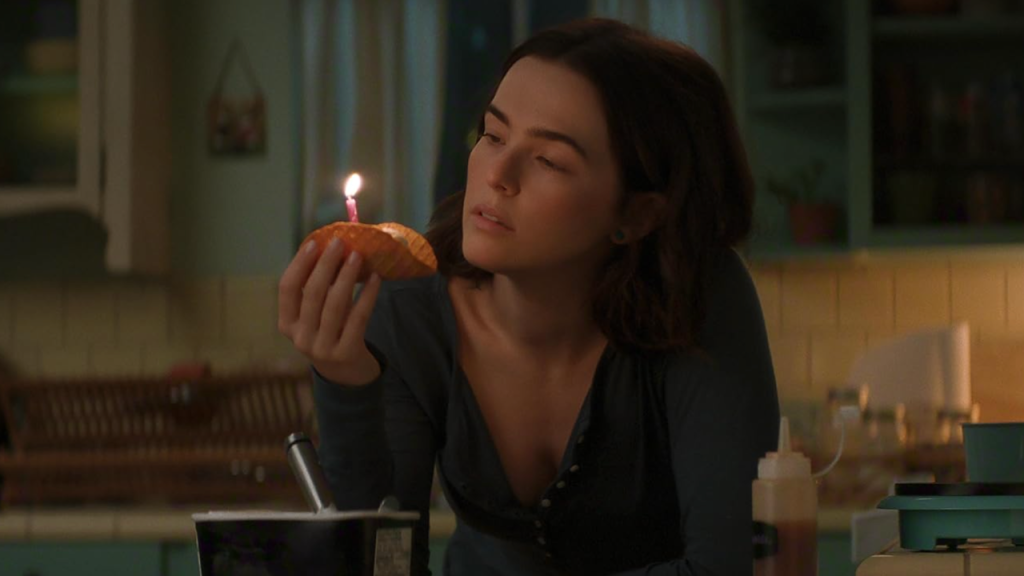
These voicemails serve as more than just plot devices; they are the connective tissue between Jill’s previous life and her current reality. The film meticulously illustrates how grief is not a linear process with a definitive conclusion, but a cyclical experience. Jill’s attempt to maintain a veneer of normalcy in her professional and social life is frequently interrupted by the intrusive nature of memory. The film argues that loss changes the fundamental chemistry of a person’s character, often leading to a defensive "hardening" of the self—a psychological shielding meant to prevent further emotional trauma.
Digital Legacies and the Psychology of Continuing Bonds
A significant theme enriched within the film’s subtext is the concept of "Continuing Bonds Theory," a psychological framework suggesting that healthy grieving involves maintaining a symbolic connection with the deceased rather than seeking "closure" or detachment. In the digital age, this theory takes on a tangible form. Voicemails for Isabelle highlights how smartphones have become modern-day shrines, housing the voices, images, and idiosyncrasies of those who are gone.
Data from bereavement studies in the mid-2020s indicates that nearly 78% of grieving individuals find comfort in re-reading old text messages or listening to audio clips of lost loved ones. However, the film also explores the double-edged nature of this technology. While the voicemails provide Jill with a sense of Isabelle’s presence, they also act as a barrier to her integration into a new reality. The film poses a critical question: when does a digital legacy stop being a comfort and start being an anchor? Jill’s refusal to delete the messages reflects a common contemporary struggle where the permanence of digital data complicates the natural fading of memory.
Character Dynamics: The Role of Empathetic Witnessing
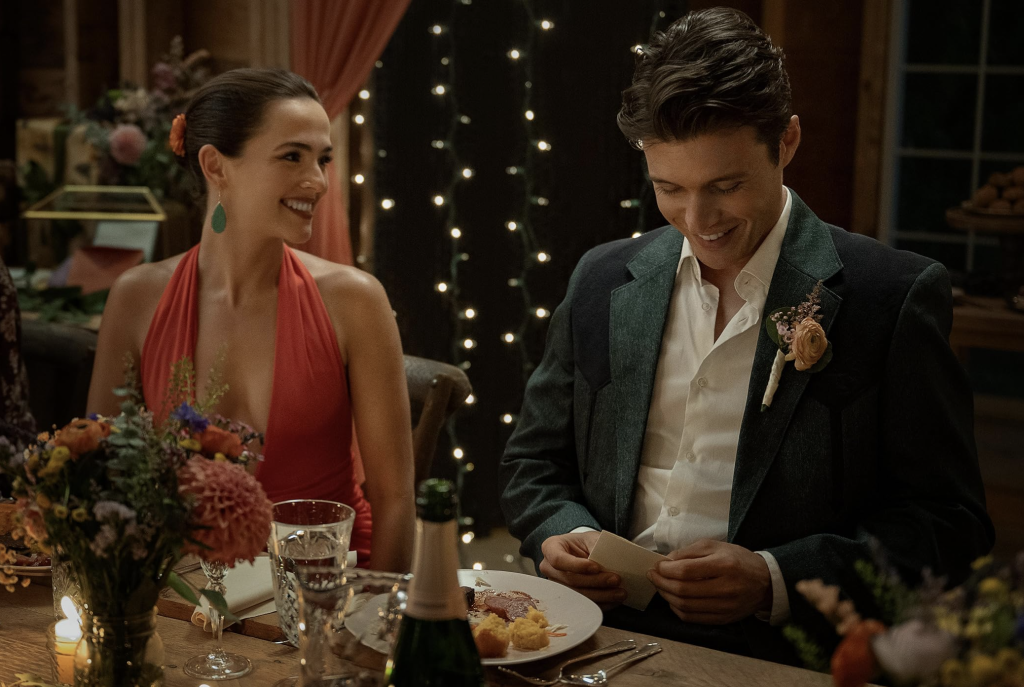
The introduction of Wes, played by Nick Robinson, provides a crucial counterpoint to Jill’s isolation. Wes does not function as a "savior" in the traditional romantic sense; rather, he embodies the role of the "empathetic witness." His character is designed to showcase a specific type of emotional intelligence—one that allows for the presence of another’s pain without attempting to "fix" it.
Throughout the film, Wes is met with Jill’s resistance and emotional withdrawal. The screenplay highlights a common reaction to trauma: the desire to close one’s heart to prevent future vulnerability. Wes’s persistence is not depicted as an intrusion but as a steady, non-demanding presence. This dynamic offers an analysis of how support systems should function during long-term grief. By not forcing Jill to "get over" her loss, Wes creates a safe environment where she can eventually choose to be "soft" again. This "softness" is defined in the film not as weakness, but as the courage to remain open to new experiences despite the knowledge of potential pain.
Production Background and Industry Context
Voicemails for Isabelle entered production in late 2024, following a period of heightened global interest in mental health narratives. Directed with a focus on naturalism, the film utilizes a muted color palette and intimate cinematography to mirror Jill’s internal state. The chemistry between Deutch and Robinson, who previously shared the screen in the 2017 film Before I Fall, was a significant draw for the production. Their established rapport allowed for a nuanced portrayal of a burgeoning relationship shadowed by tragedy.
Industry analysts have noted that the film’s success in the 2026 festival circuit stems from its refusal to offer easy answers. Unlike earlier "grief movies" that often ended with the protagonist finding total resolution, Voicemails for Isabelle concludes on a note of "coexistence." This reflects a broader shift in Hollywood toward "realist-humanism," where the goal of the story is to validate the viewer’s experience rather than provide an idealized escape.
A Chronology of Recovery: From Denial to Coexistence
The film’s structure follows a distinct chronological evolution of Jill’s psychological state:
- The Preservation Phase: Immediately following the loss, Jill is shown in a state of hyper-fixation on the voicemails. She treats the recordings as a living entity, a phase marked by a refusal to alter any part of her environment that Isabelle touched.
- The Defensive Hardening: As the months pass, Jill adopts a stoic persona. She excels at her job and maintains social obligations but remains emotionally detached. This is the "hard" shell the film warns against—a survival mechanism that eventually becomes a prison.
- The Catalyst of Connection: Through her interactions with Wes and a series of unexpected triggers related to Isabelle’s unfinished business, Jill’s shell begins to crack. This is the most volatile part of the film, depicting the messy, often angry side of healing.
- The Integration Phase: The final act of the film shows Jill not "moving on," but "moving forward with." She continues to listen to the voicemails, but they no longer prevent her from engaging with the world. She learns to integrate Isabelle’s memory into her new identity.
Statements and Reactions from the Creative Team
During the film’s press tour, lead actress Zoey Deutch commented on the importance of portraying the "unattractive" sides of grief. "There is a tendency to romanticize sadness," Deutch stated. "But Jill’s grief is often frustrating, stagnant, and quiet. We wanted to show that staying ‘soft’ in a world that feels like it’s constantly hitting you is an act of defiance."

Nick Robinson echoed these sentiments, focusing on his character’s restraint. "Wes is there to show that you don’t have to understand someone’s pain perfectly to be there for them. Sometimes, the most helpful thing you can do is just hold the space and wait for them to be ready."
Psychological consultants who worked on the script emphasized that the film’s depiction of sibling loss fills a gap in cultural representation. While the loss of a parent or spouse is frequently explored, the "loss of a shared future" inherent in sibling death is a unique form of trauma that the film captures with clinical accuracy.
Broader Implications and Cultural Impact
Voicemails for Isabelle arrives at a time when society is reassessing its relationship with emotional vulnerability. In an era often characterized by digital cynicism and the "hardness" of public discourse, the film’s message—that one must remain open to feeling, even if those feelings are painful—has resonated deeply with audiences.

The film’s impact extends beyond the box office. It has sparked discussions in mental health forums regarding "digital legacy management" and the ethics of preserving the voices of the deceased. More importantly, it has provided a vocabulary for those struggling with long-term bereavement, reinforcing the idea that remembering is not a betrayal of the present.
Ultimately, the film serves as a reminder that the goal of grieving is not to become the person you were before the loss. That person no longer exists. Instead, the goal is to become someone new—someone who carries the weight of the past with grace and who chooses to remain gentle in a world that can be undeniably harsh. Jill’s journey suggests that while we cannot control the tragedies that befall us, we can control whether we let those tragedies define the limits of our capacity to love and be loved. Voicemails for Isabelle is not just a story about a girl who lost her sister; it is a story about a woman who found the strength to keep her heart open in the wake of that loss.